Millipedes may not wag their tails, fetch slippers, or judge you from the top of a bookshelf like a cat, but they do have one superpower many pets lack: they are quiet, fascinating, and surprisingly calming to watch. These slow-moving decomposers spend their lives doing nature’s cleanup work, turning decaying leaves and soft wood into richer soil. In a terrarium, that means your job is not to entertain them with toys or teach them tricks. Your job is to build a tiny forest floor and then not ruin it.
Learning how to care for millipedes comes down to three big ideas: create the right habitat, feed them like the leaf-litter specialists they are, and handle them gentlyor better yet, mostly admire them with your eyes. Whether you are keeping a native North American millipede, a captive-bred giant species, or a small cleanup crew in a naturalistic enclosure, good care begins with understanding what millipedes are. They are not insects. They are arthropods in the class Diplopoda, and most body segments carry two pairs of legs. They also are not centipedes. Centipedes are fast predators; millipedes are the slow, armored gardeners of the underworld.
Before buying one, always check local and federal rules. Some exotic invertebrates require permits for importation or interstate movement, and responsible keepers should avoid wild-caught, illegally shipped, or unidentified species. Once you have a legal, healthy millipede, the following three care methods will help you keep it comfortable, active, and doing what it does best: munching leaves like a tiny compost-powered train.
1. Build a Moist, Safe, Forest-Floor Habitat
The enclosure is the heart of millipede care. A beautiful glass tank is nice, but the true luxury suite is the substrate. Millipedes spend much of their time burrowing, resting, feeding, and molting beneath the surface. If the substrate is wrong, almost everything else becomes harder.
Choose the Right Enclosure Size
For many larger pet millipedes, a 10- to 15-gallon tank works well for one adult, while groups need more floor space. Horizontal room matters more than height because millipedes are walkers and burrowers, not cliff-diving acrobats. A secure lid is essential. Millipedes are slow, but they are persistent, and a loose lid can turn “pet observation time” into “why is there a leggy noodle behind the bookshelf?”
Ventilation should be balanced. Too little airflow can encourage mold and stale conditions. Too much airflow dries the enclosure. A mesh or ventilated lid may work if you monitor humidity closely, but partially covering part of the top can help maintain moisture. The goal is a stable, damp microclimatenot a swamp, not a desert, and definitely not a sauna with legs.
Make the Substrate Deep and Digestible
A good millipede substrate should be at least 4 to 6 inches deep for larger species. Smaller species can live with less depth, but deeper is often better because it allows burrowing, moisture gradients, and safe molting. The substrate should include pesticide-free organic topsoil, decaying hardwood leaves, and rotted hardwood. Many keepers also add crushed cuttlebone, limestone, or sterilized eggshell for calcium.
Avoid soil with fertilizers, perlite, chemical wetting agents, manure additives, or pesticides. Avoid pine, cedar, and other aromatic softwoods because their natural oils can be harmful. Leaf litter should come from safe hardwood trees such as oak, maple, beech, or similar untreated sources. If collecting outdoors, choose areas away from roads, sprayed lawns, and industrial runoff. Freezing or baking natural materials can reduce hitchhikers, although some keepers prefer carefully sourced, pre-prepared substrate from invertebrate suppliers.
Think of the substrate as both home and pantry. Millipedes do not simply walk on it; they eat it. That is why a sterile bedding-only setup is not enough. Coconut fiber may hold moisture, but it does not provide the same nutritional value as decomposing leaves and hardwood. If used at all, it should not replace the edible forest-floor ingredients millipedes rely on.
Control Humidity Without Flooding the Tank
Most commonly kept tropical millipedes prefer a humid environment, often around 70% to 80% humidity, though the exact target depends on the species. Native temperate species may need different conditions. The safest approach is to research the species you keep and then create moisture choices inside the enclosure.
Mist the enclosure with dechlorinated water as needed, but do not soak the entire tank. The substrate should feel like a wrung-out sponge: moist, springy, and earthy, not dripping wet. A useful trick is to keep one side slightly damper and the other side a little drier. This lets the millipede choose where it feels best. If your millipede spends all its time near the water dish or buries itself in the dampest corner, the enclosure may be too dry. If mold blooms everywhere and the substrate smells sour, it may be too wet.
Temperature also matters. Many tropical species do well at comfortable warm-room temperatures, commonly in the mid-70s Fahrenheit, but species-specific care should guide you. If supplemental heat is needed, use a thermostat-controlled heat source placed on the side of the tank rather than directly underneath the whole enclosure. Overheating the substrate can dry it out or trap a molting millipede in dangerous conditions.
2. Feed Millipedes a Natural, Calcium-Rich Diet
Millipedes are detritivores, which is a fancy way of saying they eat decaying organic matter and make the forest floor a better place. In captivity, their main diet should not be a random salad bowl alone. Fresh vegetables are treats and supplements; the base diet is decomposing leaves, rotted hardwood, and nutrient-rich substrate.
Keep Leaf Litter and Rotted Wood Available
The best feeding plan begins before you add the first slice of squash. Mix plenty of dead hardwood leaves and soft, rotted hardwood into the substrate. Add more leaf litter on the surface and replace it as it disappears. A healthy millipede enclosure should look slightly messy in the best possible waylike a forest forgot to hire a housekeeper.
Rotted hardwood should be soft enough to crumble between your fingers. It should smell earthy, not moldy or chemical. Do not use pressure-treated wood, painted wood, plywood, pine shavings, cedar chips, or mystery mulch. Millipedes may nibble on wood daily, and poor materials can become a long-term health problem.
Offer Fresh Foods in Small Portions
Fresh foods add variety and hydration. Good options include squash, zucchini, cucumber, carrot, sweet potato, apple, banana, melon, leafy greens, and mushroom. Use organic produce when possible, and always wash it thoroughly. Remove peels from produce that may carry residues. Serve food on a small dish, flat stone, or leaf to keep the substrate cleaner.
Do not overfeed. A tiny slice is usually enough for one or two millipedes. Remove leftovers after 24 to 48 hours, especially if they grow mold, attract mites, or begin to smell unpleasant. A little natural mold is common in humid bioactive enclosures, but a rotten cafeteria situation is not ideal. Your millipede wants woodland buffet, not forgotten lunchbox.
Protein-rich foods are sometimes offered by experienced keepers in tiny amounts, but they are not the foundation of millipede care. Too much rich food can disrupt the enclosure and attract pests. When in doubt, keep the diet simple: decaying leaves, rotted hardwood, safe vegetables, occasional fruit, and steady calcium.
Provide Calcium and Safe Water
Calcium helps support exoskeleton health, especially for growing and molting millipedes. Add a small piece of cuttlebone, crushed eggshell, calcium carbonate powder, or limestone chips to the enclosure. Many millipedes will nibble calcium when needed. Replace it as it disappears or becomes dirty.
Water should be dechlorinated. Some millipedes get moisture mainly from substrate and food, but a very shallow water dish can be useful for larger species. Add pebbles or a small stone so the millipede can climb out easily. The dish should be shallow enough to prevent drowning. Refill and clean it regularly.
3. Handle Gently and Maintain the Enclosure Wisely
Millipedes can be calm and interesting pets, but they are not built for constant handling. Their legs are delicate, their bodies can be injured by falls, and many species defend themselves by curling into a coil or releasing irritating secretions. Respecting those boundaries is one of the most important parts of proper millipede care.
Use Low-Stress Handling
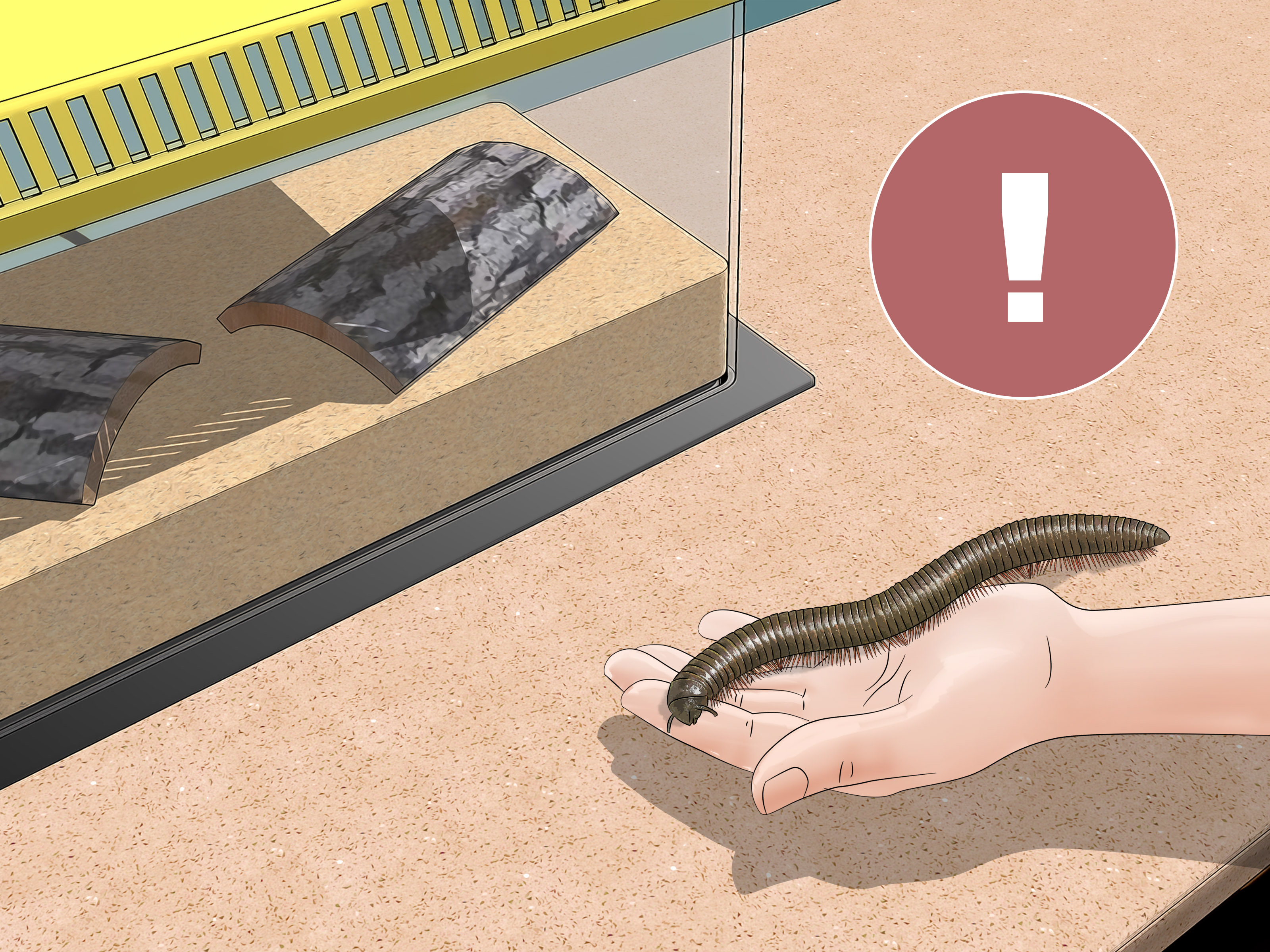
Always wash your hands before and after handling. Avoid lotions, soap residue, sanitizer, or chemicals on your skin. To pick up a millipede, let it walk onto your hand or gently scoop it from below. Never pull it off bark, leaves, or your fingers. Those many tiny legs grip better than you might expect, and tugging can injure them.
Keep handling sessions short and low to a soft surface. A fall from even a modest height can be dangerous. If the millipede curls tightly, stop handling and return it to the enclosure. If it releases a smell or fluid, do not panic. Place it back calmly, wash your hands, and avoid touching your eyes. Some defensive secretions can irritate skin or eyes, particularly from tropical species.
Protect Molting Millipedes
Molting is one of the most vulnerable times in a millipede’s life. A millipede may bury itself and disappear for days or weeks. This is normal. Do not dig it up to “check.” Disturbing a molting millipede can cause injury or death. The hardest part of care is sometimes doing nothing, which sounds easy until your pet turns into a subterranean mystery.
Make sure the substrate remains moist but not waterlogged during this period. Keep food available on the surface, maintain calcium, and resist the urge to renovate the enclosure. If you need to clean, remove only obvious spoiled food and waste from the surface. Deep substrate changes should be rare and partial, because the substrate is food, habitat, and biological stability all in one.
Watch for Common Problems
Healthy millipedes are slow but purposeful. They burrow, explore at night, feed, and curl when startled. Warning signs include extreme lethargy on the surface, shriveled appearance, foul-smelling substrate, excessive mites, persistent mold, or difficulty moving. Some tiny mites may appear in humid enclosures and are not always harmful, but large populations can signal too much moisture or leftover food.
Good maintenance is simple: remove spoiled fresh food, refresh leaf litter, monitor humidity, avoid chemical cleaners, and keep the enclosure away from direct sunlight. If you must clean glass or decor, use hot water rather than household sprays. Millipedes are sensitive to residues, and a sparkling tank is not worth a sick animal.
Bonus Tips for New Millipede Keepers
Start With One Species
Different millipedes can have different humidity, temperature, and diet needs. Beginners should start with one legal, captive-bred species and learn its habits before building a mixed-species terrarium. Mixing species can create competition, stress, or hidden care conflicts.
Do Not Release Pet Millipedes Outdoors
Never release a pet millipede into the wild. Even if it seems harmless, non-native species can affect local ecosystems, and captive animals may carry organisms that do not belong outside. If you can no longer care for a millipede, contact an experienced invertebrate keeper, local exotic pet rescue, or educational program.
Accept That Millipedes Are Secretive
A happy millipede may spend much of its time underground. That does not mean you are doing something wrong. In fact, constant surface wandering can sometimes mean conditions are off. The best millipede keeper learns to appreciate subtle signs: fresh tunnels, nibbled leaves, tiny tracks in damp substrate, and the occasional slow-motion parade across a piece of bark.
Hands-On Experience: What Caring for Millipedes Is Really Like
The first lesson most millipede keepers learn is that millipedes do not care about your schedule. You may set up the perfect terrarium, arrange the bark like a magazine photo shoot, place a beautiful slice of zucchini in the feeding dish, and then watch your millipede vanish underground for three days. This is normal. Millipede care teaches patience better than a meditation app, except the instructor has 200 legs and refuses to make eye contact.
One practical experience that helps beginners is learning how moist substrate should feel. At first, many people mist too much because they hear “high humidity” and imagine tropical rain every hour. The better test is touch and smell. Healthy substrate feels cool and damp, not muddy. It smells like a forest after rain, not like a wet trash bag. If water pools at the bottom, reduce misting and increase ventilation slightly. If the top becomes dusty and the millipede stays curled on the surface, add moisture gradually.
Feeding also becomes easier with observation. Some millipedes devour cucumber first, while others ignore it and go straight for decaying leaves. Squash, carrot, and sweet potato often last longer without becoming watery mush. Fruit is exciting but should be occasional because it spoils quickly. A small piece of banana can attract a millipede like a celebrity appearance, but leave it too long and it becomes a fruit-fly festival. The best routine is to offer tiny portions, watch what disappears, and adjust.
Another real-world tip is to stop rearranging the enclosure. New keepers often want to tidy everything. Millipedes prefer stability. A layer of leaves, bits of bark, and soft wood may look messy, but it creates hiding places and food zones. The enclosure should be clean enough to avoid rot, yet natural enough to support burrowing and grazing. Think “healthy woodland floor,” not “hotel lobby.”
Handling is where experience changes expectations most. A relaxed millipede may walk slowly across your hand, testing the surface with delicate legs. It feels like a tiny moving bracelet. But if it curls, that is not a challenge; it is a polite resignation letter from handling time. Put it back. Over time, you learn that the best interactions are brief, calm, and close to the enclosure. Millipedes are display pets with occasional handling privileges, not pocket pets.
Finally, experienced keepers learn not to panic when a millipede disappears. Burrowing can mean resting, feeding, cooling down, seeking moisture, or molting. Unless the enclosure smells bad or conditions are clearly wrong, patience is better than excavation. The reward is seeing the millipede emerge later, shiny and active, as if it had been away on a very private spa retreat. Caring for millipedes is less about controlling them and more about creating a world where their quiet routines can unfold naturally.
Conclusion
Millipedes are unusual pets, but their care is wonderfully logical once you understand their natural role. They need a moist, safe habitat with deep edible substrate. They need a diet built around decaying leaves, rotted hardwood, fresh produce in moderation, and reliable calcium. They need gentle handling, clean conditions, and respect during molting. In return, they offer a front-row seat to one of nature’s most underrated jobs: decomposition.
If you want a pet that performs tricks, choose something else. If you want a quiet, low-drama animal that turns a terrarium into a miniature forest floor, a millipede may be perfect. Keep the enclosure earthy, the food natural, the handling gentle, and the humidity steady. Your millipede will not thank you out loud, but it may reward you with steady exploring, healthy molts, and the charming confidence of a creature that has been perfecting “slow and steady” for hundreds of millions of years.
SEO Tags
Note: This article is written for general educational purposes. Always research the exact species you keep, buy only from legal and responsible sources, and check local, state, and federal rules before purchasing or transporting pet millipedes.