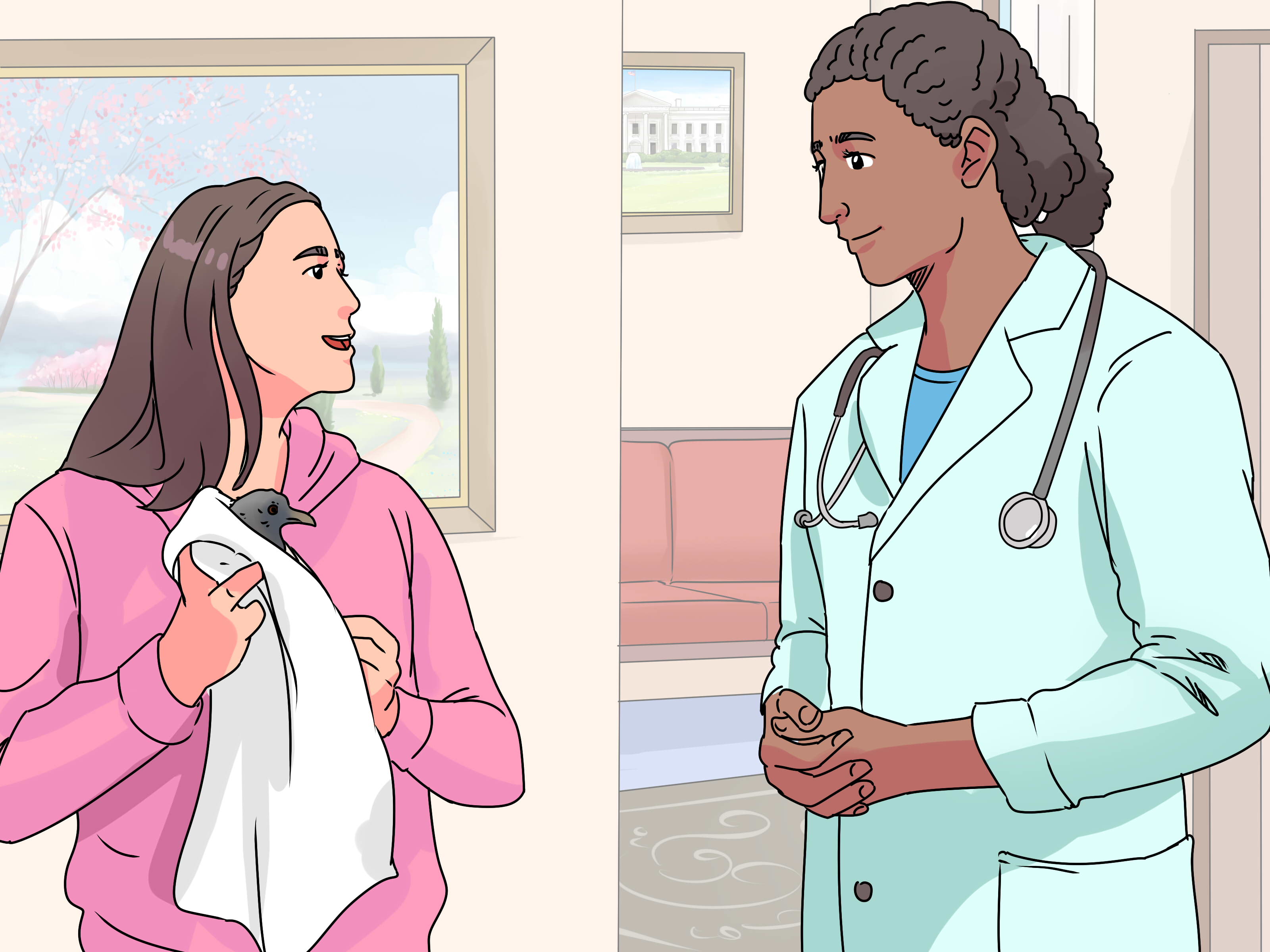
Finding a fledgling pigeon can make even calm adults turn into panicked bird concierge staff. One minute you are walking to your car, and the next you are staring at a fluffy, awkward little pigeon wondering whether you have discovered a wildlife emergency or just a teenager having a very dramatic day. The good news is that caring for a fledgling pigeon is usually less about playing instant bird parent and more about making smart, calm decisions.
If the bird is healthy, the best care may be surprisingly hands-off. If it is injured, cold, or truly orphaned, fast and simple first aid matters more than heroic improvisation. And when it comes to feeding, pigeons are one of those birds that humble human confidence very quickly. Bread is not a rescue plan. Milk is definitely not a rescue plan. Random kitchen experiments are how good intentions become terrible sequels.
This guide breaks the process into three practical steps: figure out whether the pigeon really needs help, give it safe temporary care if it does, and get the right expert help without making common mistakes. Along the way, you will learn how to tell a fledgling from a nestling, when to leave a bird alone, and why pigeon care is a little different from the usual baby-bird advice.
First, What Is a Fledgling Pigeon?
A fledgling pigeon is a young pigeon that has left the nest but is not fully independent yet. It is usually mostly or fully feathered, may look almost adult-sized, and often appears a little scruffy or fluffy around the head. The tail is often shorter than an adult’s, the movement is awkward, and the bird may flap, hop, and wobble like it is still negotiating with gravity.
This stage confuses people because a fledgling can look old enough to “be fine” while still relying on its parents for food and protection. Pigeons are especially sneaky about this. Many baby pigeons stay tucked away until they are nearly adult size, which is why people often think baby pigeons are mythical creatures invented by city planners.
A nestling, by contrast, is much younger. It may be naked, sparsely feathered, fluffy all over, unable to perch well, or unable to stand normally. A nestling usually needs immediate help getting back to the nest or to a wildlife professional. A fledgling may need nothing more than a little distance, a little safety, and a neighborhood free of cats with career ambitions.
Way 1: Figure Out Whether the Fledgling Pigeon Actually Needs Help
Observe before you intervene
The first and smartest move is to pause. A healthy fledgling pigeon is often still being fed by its parents, even if you do not see them right away. Adult pigeons may stay back while you are nearby, then return once the area is quiet. Watch from a distance for a while rather than hovering over the bird like a nervous event coordinator.
Signs that the bird may be a normal fledgling include:
- It is fully feathered or nearly so.
- It can stand, hop, flutter, or grip with its feet.
- It looks alert, even if clumsy.
- It has no visible bleeding or obvious wing injury.
- It is calling occasionally but not collapsing or rolling over.
If the bird is in a relatively safe spot, give the parents time to return. In many cases, the right answer is not “rescue.” It is “stand back and stop micromanaging nature.”
Know when a pigeon needs immediate help
A fledgling pigeon should be helped right away if it is clearly injured or in distress. Warning signs include bleeding, shivering, drooping wings, inability to stand, eyes partly closed, extreme weakness, visible wounds, insects crawling on the body, or contact with a cat or dog. A cat encounter is a big deal even when the bird looks fine at first. Tiny punctures can turn dangerous fast.
You should also step in if the bird is in immediate danger from traffic, heavy foot traffic, construction, bad weather exposure, or predators. A healthy fledgling does not belong in the middle of a sidewalk rush or a parking lot obstacle course.
If the bird seems healthy but is in a risky place
If the pigeon looks bright and uninjured but is sitting somewhere dangerous, move it only a short distance to safety. A nearby shrub, sheltered planter, low branch, protected ledge, or quiet corner away from people and pets is usually enough. Keep it within the same general area so the parents can find it.
Do not relocate it across the neighborhood, to another block, or to your living room “just for the night” unless a rehabilitator tells you to. The goal is to reduce danger, not accidentally turn a family reunion into a missing-bird mystery.
Way 2: Set Up Safe Temporary Care
Use a simple box, not a luxury condo
If the fledgling pigeon is injured, cold, or truly orphaned, place it in a small cardboard box or pet carrier with air holes. Line the bottom with a towel, paper towels, or another soft, non-loopy cloth that gives the bird traction. Keep the container secure but not cramped.
Do not use a wire cage if you can avoid it. A frightened pigeon can thrash around, damage feathers, or make an injury worse. A quiet box is better because it limits stress, keeps the bird dark and calm, and prevents escape attempts that end with you chasing a baby pigeon around the laundry room in socks.
Warmth matters
Young birds lose body heat quickly, especially if they are weak or damp. Gentle warmth can help stabilize them until professional help is available. You can place the box half on, half off a heating pad set to low, or use a warm water bottle wrapped in cloth. The bird needs to be able to move away from the heat if it gets too warm.
Keep the box indoors, away from direct sunlight, air-conditioning vents, children, pets, and loud noise. Warm, dark, and quiet is the winning formula. Think less “bird nursery” and more “tiny emergency recovery suite.”
Handle less, help more
Many people assume cuddling equals care. For wild birds, that is usually the opposite of helpful. Handle the pigeon only as much as necessary to keep it safe. Avoid petting it, talking to it constantly, or introducing it to the whole household. This is not the moment for a family meet-and-greet.
Stress burns energy. A quiet bird in a dark box is often in a better position than a frightened bird being repeatedly checked, photographed, moved, and narrated over like a live sports event.
What not to do
Do not pour water into the bird’s mouth. Do not use a syringe unless a rehabilitator specifically tells you how. Do not feed bread, crackers, cow’s milk, random seeds, rice, or mashed kitchen leftovers. Do not assume “it looks hungry” means “I should offer whatever is in my fridge.”
Improper feeding can cause aspiration, digestive problems, or worse. With pigeons, feeding is especially tricky because very young birds are normally raised on crop milk and regurgitated food from their parents. That is not something people can safely replicate by guesswork.
Way 3: Get the Right Food and the Right Help
Why pigeons are a special case
Pigeons are not just small city birds with excellent opinions. Their young are fed in a specialized way, and that matters. Parent pigeons feed squabs and young chicks with nutrient-rich crop milk, then gradually transition them to softened food. That means a fledgling or younger baby pigeon may not respond like other birds if you try to hand-feed it the wrong way.
In plain English: feeding a pigeon is not a YouTube confidence challenge. If the bird needs more than brief emergency stabilization, a wildlife rehabilitator or pigeon-friendly rescue is the best next step.
Call a rehabilitator quickly
If the bird is injured, cold, weak, or definitely not being fed by parents, contact a licensed wildlife rehabilitator, wild bird hospital, or pigeon rescue as soon as possible. Tell them:
- where you found the bird,
- whether it is feathered,
- whether it can stand or flutter,
- any visible injuries,
- whether a cat or dog touched it,
- and how long you have had it.
If one center cannot take pigeons, ask for a referral to a pigeon-friendly rescue or another wildlife helper nearby. The important thing is not giving up after one call and deciding you are now the official foster parent of a bird you met six minutes ago.
If you are waiting for instructions
While you wait, stick to the basics: warmth, darkness, quiet, and minimal handling. Follow the expert’s instructions exactly. If they say to reunite the bird with its parents and monitor from a distance, do that. If they say to transport immediately, do not delay because you are trying to “see if it perks up.”
Fast, boring, proper care saves more birds than dramatic improvisation ever will.
Common Mistakes People Make with a Fledgling Pigeon
- Assuming every ground bird is orphaned. Many fledglings belong exactly where they are.
- Feeding too soon. Hunger is not always the immediate emergency; shock, injury, and dehydration are more complex than they look.
- Giving water by mouth. This can go wrong quickly and dangerously.
- Moving the bird too far away. Parents cannot care for a bird they cannot find.
- Keeping the bird as a pet. Wild bird care and release require specialized knowledge, and young birds can imprint, decline, or fail to develop proper survival skills.
- Ignoring a cat attack because the bird “looks okay.” That is one of the biggest mistakes on the list.
A Quick Action Plan to Remember
- Look first. Is the pigeon feathered, alert, and able to hop? It may be a normal fledgling.
- Watch from a distance. Give parents a chance to return.
- Move only if necessary. Shift the bird a short distance to safety if danger is immediate.
- Box and warm if injured. Ventilated box, soft lining, low heat, dark and quiet.
- Do not feed or give water by mouth. Wait for expert guidance.
- Call a professional. Wildlife rehabilitator, bird hospital, or pigeon rescue.
Real-World Experiences: What Caring for a Fledgling Pigeon Often Looks Like
People who help fledgling pigeons often describe the same emotional roller coaster. First comes alarm: the bird is small, odd-looking, and sitting in a place that seems all wrong. Then comes urgency: surely something must be done immediately. But in many successful cases, the “experience” of helping starts with doing less than expected.
One common scenario happens in apartment courtyards and city sidewalks. A person spots a young pigeon near a building entrance, freezes, and assumes it has fallen or been abandoned. The bird is fluffy around the head, its tail looks stubby, and it is doing that awkward pigeon-teenager walk that inspires very little confidence. The rescuer watches from a distance, keeps people and dogs away, and eventually sees an adult pigeon swoop down, feed the youngster quickly, and leave again. That moment changes everything. What first looked like neglect turns out to be normal pigeon parenting with terrible public relations.
Another frequent experience is the “balcony box rescue.” Someone finds a young pigeon tucked into a planter, on a windowsill, or beneath a stairwell after a storm. The bird feels cold and looks too quiet. Instead of feeding it, the rescuer places it in a ventilated box lined with a towel, adds gentle warmth, and calls for advice. Later, a rehabilitator confirms that the simple setup made a real difference. This kind of story repeats again and again because emergency bird care is usually about stabilization, not improvisation. The box does not need to be fancy. It just needs to be safe.
Then there are the harder cases, especially involving cats. Many people say the bird looked “mostly okay” at first, which is exactly why these situations are so deceptive. The pigeon may be standing, blinking, and even fluttering a little, while still needing urgent medical attention. Rescuers often remember feeling unsure, then relieved they called quickly once they learned how serious cat-related injuries can be. In those moments, the best decision is usually the least glamorous one: contain the bird, keep it calm, and get it to a professional.
There is also a practical side to these experiences that people rarely mention until afterward. Fledgling pigeons can be surprisingly fast when they panic. They can leap out of open boxes, wedge themselves behind furniture, and turn a five-minute rescue into a full cardio session. That is why secure containers, quiet rooms, and minimal handling matter so much. Calm systems beat frantic good intentions every time.
Perhaps the most memorable experience people report is the simple shift in perspective. A fledgling pigeon stops being “just a city bird” and starts looking like what it really is: a young animal at a fragile stage, trying to make it through a messy transition from nest life to independence. Once you understand that, your role becomes much clearer. You are not there to own the story. You are there to give the bird its best chance of getting back to its own.
Conclusion
Caring for a fledgling pigeon comes down to three things: assess calmly, stabilize simply, and get expert help when needed. A fully feathered young pigeon on the ground is often not an orphan at all, just a clumsy beginner still being fed by its parents. An injured, cold, weak, or cat-caught bird, on the other hand, needs fast action and professional care. If you remember nothing else, remember this: warmth, quiet, and the right phone call beat bread and guesswork every single time.