Every home has at least one room that behaves like a charming but stubborn guest. It has potential. It has “good bones,” as designers love to say. It also has a talent for making every paint swatch look wrong, every curtain feel too dramatic, and every accessory seem like it wandered in from a completely different zip code. That was the spirit behind Blayne’s Design Dilemma: Solved, a bedroom makeover that proves a room does not need a bulldozer, a lottery win, or a dramatic HGTV-style countdown clock to become beautiful.
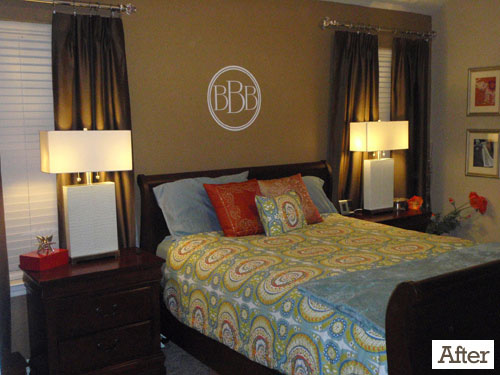
The original design challenge centered on creating an elegant, warm, subtly exotic bedroom with a hint of Moroccan flair. The solution was not about filling the room with theme-park décor. No one needed a camel-shaped lamp, thank goodness. Instead, the makeover leaned on smart design fundamentals: a grounded neutral palette, chocolate brown curtains, a deeper accent wall behind the bed, cohesive framed art, layered bedding, better visual balance, and a few style choices that made the room feel collected rather than decorated in one frantic Saturday afternoon.
What makes this makeover worth revisiting is not simply that it looked good. Plenty of rooms look good in photographs. The real lesson is that Blayne’s room became a practical blueprint for solving everyday decorating problems: mismatched walls, scattered artwork, flat bedding, weak focal points, and that common feeling that a bedroom is technically “done” but emotionally saying, “Please help me.”
What Was Blayne’s Design Dilemma?
Blayne wanted a bedroom that felt polished, warm, and a little exotic without becoming heavy or overly themed. That is a delicate balance. Go too neutral, and the room can feel like a beige waiting room. Go too bold, and suddenly the bedroom starts auditioning for a boutique hotel lobby. The goal was to land somewhere in the sweet spot: restful, personal, stylish, and comfortable enough for real life.
The room’s “before” state had what many bedrooms have: individual pieces that were not terrible on their own, but did not fully support one clear design story. Art, bedding, window treatments, and wall color all needed to work together. The solution was not to throw everything out. In fact, one of the smartest parts of the makeover was reusing existing art by trimming and reframing it so it looked intentional. That is design magic on a reasonable budget: less “buy everything new,” more “make the old stuff stop looking like it lost a bar fight.”
The Big Design Move: A Warm Neutral Palette
The foundation of the makeover was a warm neutral color scheme. Warm neutrals are the friendly cousins of plain beige. They include shades like camel, tan, cream, taupe, chocolate, sand, warm white, soft gold, and clay brown. These colors are especially effective in bedrooms because they create calm without feeling sterile.
In Blayne’s room, the deeper brown wall behind the bed gave the space a strong focal point. This is a classic bedroom strategy because the bed is naturally the star of the room. When the wall behind it is slightly darker or richer, the eye knows where to land. The space immediately feels more organized, even if the laundry chair in the corner remains a private family matter.
Why Brown Worked So Well
Brown is often underestimated in interior design. People hear “brown bedroom” and imagine a room made entirely of cardboard. But used well, brown adds depth, warmth, and sophistication. In this makeover, chocolate curtains and a medium brown accent wall helped create a cozy envelope around the room. The darker tones did not make the room feel smaller; instead, they gave the lighter bedding, art, and accessories something to pop against.
The trick is contrast. A dark accent wall needs lighter elements nearby: pale bedding, reflective lamps, clean frames, or soft artwork. Without contrast, the room can feel muddy. With contrast, it feels intentional and luxurious.
Chocolate Curtains: The Unsung Hero
Curtains can change a room faster than almost any other design element. They add height, softness, privacy, texture, and color. In Blayne’s bedroom, chocolate brown curtains played a key role in making the room feel finished. They framed the windows, reinforced the warm palette, and added a tailored look without shouting for attention.
Bedroom curtains should do more than hang around looking pretty. They need to support sleep, manage light, and contribute to the overall mood. Brown curtains are particularly useful because they feel grounded and elegant. They can soften bright windows, make a bedroom feel more intimate, and connect with wood tones, woven textures, and warm paint colors.
How to Use Dark Curtains Without Making a Room Feel Heavy
The secret is balance. If the curtains are dark, keep some nearby surfaces light. Use pale bedding, cream lampshades, airy artwork, or a light rug. Hang curtains high and wide when possible, so the windows appear taller and more generous. This gives the room a more expensive feel even when the curtain budget is saying, “Let’s be emotionally realistic.”
Blayne’s choice to find similar curtains at a better price also highlights an important design truth: you do not have to copy a mood board item exactly. The purpose of a design plan is direction, not dictatorship. If the original inspiration calls for chocolate panels and you find a similar color for half the price, congratulations. That is not cheating. That is decorating with survival instincts.
Moroccan Flair Without Going Overboard
The phrase “Moroccan-inspired bedroom” can go beautifully right or spectacularly wrong. The best approach is suggestion, not costume. Moroccan style often includes rich color, geometric patterns, lantern-like lighting, carved wood, metallic accents, arches, tile motifs, and layered textiles. But a bedroom does not need all of those elements at once.
Blayne’s makeover used Moroccan influence in a subtle way. The room leaned on warmth, pattern, and a slightly exotic mood rather than obvious themed pieces. This kept the space elegant and livable. A few globally inspired details can add character, while too many can make a room feel like a souvenir shop got caught in a windstorm.
Easy Ways to Add Subtle Moroccan Style
Start with one or two accents. A geometric pillow, a pierced metal lamp, a patterned throw, a carved mirror, or warm brass hardware can be enough. Pair these accents with simple bedding and neutral walls so the design feels sophisticated. Moroccan-inspired style works best when it adds rhythm and richness, not clutter.
In a warm neutral bedroom, metallic accents are especially helpful. Brass, bronze, and antique gold bring glow to brown, tan, and cream. They act like jewelry for the room. As with actual jewelry, one good piece can look chic; seventeen pieces may suggest you lost a bet at an accessories counter.
The Power of Reframed Art
One of the most practical lessons from Blayne’s room is that existing art can often be saved. Instead of replacing every picture, she reused several pieces by cutting them down and putting them in matching frames. This gave the artwork a cohesive look and helped the room feel more designed.
Matching frames are a simple way to calm visual chaos. Different art styles can live together peacefully when the frames share a color, size, finish, or matting style. This is especially useful in bedrooms, where too much visual noise can work against the restful mood.
How to Make Old Art Feel New
First, remove anything that feels dated because of the frame rather than the image. Many prints are perfectly nice; they are just trapped behind a frame that screams 1998 office hallway. Next, consider cropping the art. A tighter crop can make a piece feel more modern. Finally, use identical or coordinated frames on facing walls to create symmetry.
Blayne’s eight-frame arrangement worked because it created repetition. Repetition is one of the quiet superheroes of interior design. It tells the eye, “Relax, there is a plan here.”
Bedding That Pulls the Room Together
Bedding is the largest soft surface in most bedrooms, so it carries enormous design responsibility. If the bedding feels flat, the whole room can feel unfinished. If it is too busy, the room can feel restless. In Blayne’s makeover, the bedding helped bridge the warm wall color, curtains, artwork, and accent pieces.
A strong bedroom design usually includes layers: sheets, a duvet or comforter, pillows, and perhaps a throw. The layers do not have to be fussy. In fact, overly arranged beds can feel intimidating, as if you need a staff meeting before taking a nap. The best bedding looks inviting and polished at the same time.
Neutral Bedding Does Not Mean Boring Bedding
Texture is everything. A cream duvet, woven throw, embroidered pillow, or subtle pattern can add depth without disrupting the calm. If your room has dark curtains or a brown accent wall, lighter bedding can keep the space fresh. Add one or two accent colors from the room’s art or accessories to make the bed feel connected to the larger design.
Why the Room Looked Lighter After Adding Darker Elements
One of the most interesting things about Blayne’s makeover is that the room appeared brighter and more polished even though it included darker brown elements. That seems counterintuitive, but it makes sense. A room can feel dark because it lacks contrast, structure, or reflective surfacesnot simply because the colors are deep.
When the design plan added a defined focal wall, coordinated frames, strong curtains, and lighter bedding, the room became more visually organized. The eye could understand the space more easily. A well-balanced dark accent can actually make light elements feel brighter. It is the decorating version of eyeliner: use it correctly and everything looks more awake.
Budget-Friendly Lessons From the Makeover
Blayne’s bedroom is a strong reminder that good design does not always require replacing everything. Several of the biggest changes came from strategic decisions rather than expensive purchases. She used similar curtains at a better price, reused existing art, changed frames, adjusted color, and followed a clear plan.
That is the heart of budget decorating: spend where it matters, save where it does not, and avoid panic-buying a cart full of random accessories because a room feels “almost there.” Almost-there rooms do not need more stuff. They need better decisions.
Where to Spend
Spend on items that affect daily comfort or large visual impact: curtains, bedding, lighting, and paint. These elements shape the room’s mood. A good lamp can make a bedroom feel warm at night. Proper curtains can improve sleep. Quality bedding changes both the look and the feel of the room.
Where to Save
Save on accessories, frames, small art, decorative pillows, and DIY updates. Thrifted frames, affordable curtain panels, and repurposed artwork can look high-end when used consistently. The goal is not to make everything expensive. The goal is to make everything look like it belongs in the same conversation.
How to Solve Your Own Design Dilemma
If Blayne’s makeover inspires anything, it should be confidence. Most design dilemmas are solvable when you stop looking at the room as one giant problem and start breaking it into smaller decisions.
Step 1: Choose the Mood Before the Items
Before buying anything, decide how the room should feel. Calm? Cozy? Elegant? Beachy? Modern? Collected? A clear mood prevents random purchases. If you want a warm neutral bedroom, every decision should support that mood.
Step 2: Pick a Focal Point
In a bedroom, the bed is usually the focal point. Strengthen it with an accent wall, art, lamps, curtains, or a statement headboard. A room without a focal point feels scattered. A room with one strong focal point feels settled.
Step 3: Repeat Colors and Textures
Use each important color at least two or three times. If you have chocolate curtains, repeat brown in a pillow, frame, basket, or lamp base. If you use brass, bring it back in hardware or lighting. Repetition creates harmony.
Step 4: Edit Ruthlessly
Not every item deserves to stay. Some pieces are sentimental. Some are useful. Some are just standing there because you have not asked them to leave yet. Editing is not wasteful; it is how a room becomes clear.
Experience Notes: What This Makeover Teaches in Real Life
The most relatable part of Blayne’s Design Dilemma: Solved is that it feels achievable. Many people look at designer rooms and immediately think, “Beautiful, but where do these people keep their phone chargers?” Blayne’s makeover feels different. It respects real-life limitations. It works with existing pieces. It shows that a bedroom can become elegant without becoming precious.
One experience many homeowners share is the fear of choosing dark colors. Brown curtains or a brown accent wall may sound risky, especially in a bedroom that already feels small or uneven. But the lesson here is that dark colors are not the enemy. Unbalanced dark colors are the enemy. When you pair deeper tones with lighter bedding, thoughtful lighting, and clean wall art, the room gains depth instead of gloom.
Another practical experience is the power of finishing touches. A bedroom can have a bed, nightstands, and lamps and still feel incomplete. Why? Because the room may be missing softness, rhythm, and connection. Curtains add vertical softness. Matching frames add rhythm. Repeated colors create connection. None of these changes require moving walls or learning advanced carpentry while muttering at a YouTube tutorial at midnight.
Blayne’s project also shows why mood boards can be useful. A mood board is not just a pretty collage. It is a decision-making tool. It helps you see whether the curtains, bedding, paint, art, and accessories belong together before you spend money. For anyone decorating on a budget, that matters. A mood board can prevent the classic mistake of buying five cute things that look terrible in the same room. Cute chaos is still chaos.
There is also a lesson in flexibility. Blayne did not follow every detail in the most expensive way possible. She found similar curtains for less and chose a slightly different brown for the accent wall. That is exactly how real decorating should work. The goal is not to worship the plan. The goal is to understand the plan well enough to make smart substitutions.
For renters or budget-conscious decorators, the reframed art idea may be the most useful takeaway. New art can be expensive, but new frames can transform what you already own. Matching frames make mismatched prints feel curated. Cropping an image can make it feel fresher. Hanging art in a balanced arrangement can make a bedroom look intentional even when the individual pieces are simple.
Finally, the makeover reminds us that a solved design dilemma is not just about appearance. A bedroom should feel good to enter. It should make the end of the day softer. It should support rest, not silently remind you of twelve unfinished decisions. Blayne’s room worked because it became warmer, calmer, and more cohesive. It did not scream for attention. It invited people in, fluffed the pillows, and politely suggested staying awhile.
Conclusion: Why Blayne’s Design Dilemma Still Works
Blayne’s Design Dilemma: Solved remains a useful design story because it is built on timeless principles. Warm neutrals still work. Layered curtains still elevate a room. Reframed art still saves money. A thoughtful accent wall still creates focus. Texture still keeps a neutral palette from falling asleep on the job.
The makeover proves that a bedroom does not need to be trendy to be stylish. It needs balance, warmth, repetition, contrast, and a few personal details. Whether you love Moroccan-inspired accents, cozy brown curtains, or simply the idea of making what you already own look better, Blayne’s room offers a practical reminder: design dilemmas rarely need panic. They need a plan, a little patience, and maybe one excellent pair of chocolate curtains.
Note: This article is written as original editorial content based on real design information, established decorating principles, and the documented makeover concept behind Blayne’s bedroom transformation.