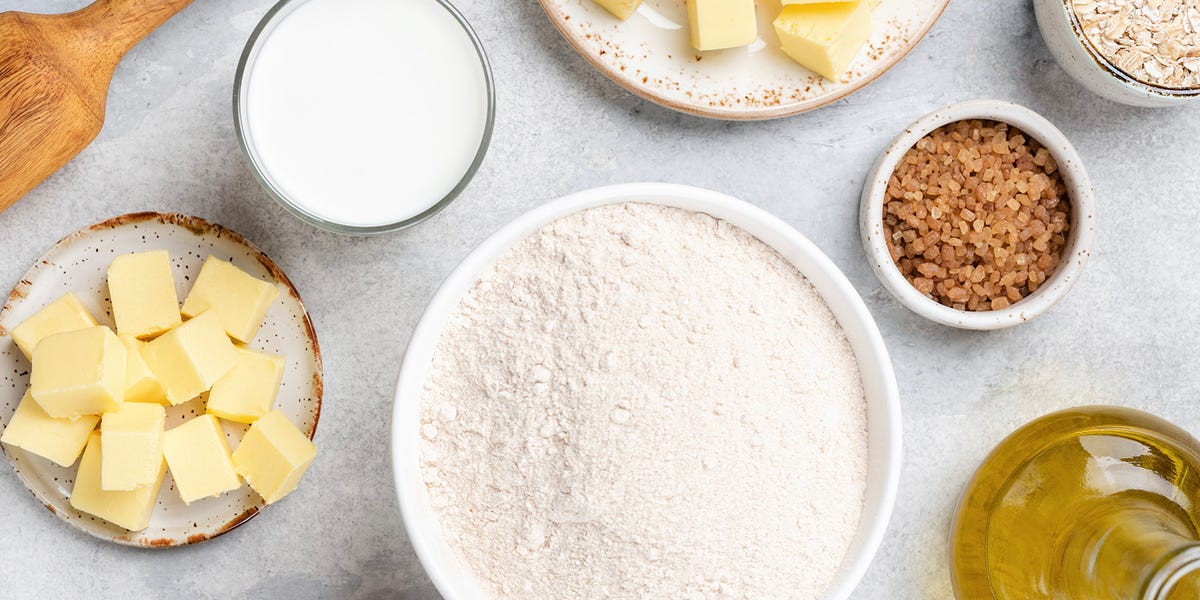
Vegan baking used to have a reputation for being complicated, mysterious, and slightly suspiciouslike a cake trying to sneak into the party wearing a fake mustache. Today, that reputation is completely outdated. With the right vegan baking substitutes, you can make tender cakes, chewy cookies, flaky pie crusts, glossy frosting, and muffins that do not taste like a health-food store shelf from 1998.
The secret is understanding what each traditional ingredient actually does. Eggs bind, lift, emulsify, and add moisture. Butter brings fat, flavor, structure, and tenderness. Milk hydrates flour and softens crumb. Honey sweetens and thickens. Once you know the job, choosing the right plant-based alternative becomes much easier. Vegan baking is not about tossing random applesauce into everything and hoping the oven fixes your life. It is about smart swaps, small adjustments, and a little baker’s intuition.
This guide breaks down the best vegan baking alternatives for eggs, dairy milk, butter, cream, buttermilk, honey, gelatin, chocolate, and more. Whether you are baking for a vegan lifestyle, food allergies, dairy intolerance, or simply curiosity, these substitutes will help you get reliable results without sacrificing flavor or texture.
Why Vegan Baking Substitutes Work
Traditional baking depends on chemistry. That may sound intimidating, but do not panicno lab coat required. In baking, ingredients perform specific functions. Flour builds structure, sugar adds sweetness and browning, fat tenderizes, liquid hydrates, and leaveners create lift. Animal-based ingredients such as eggs, milk, and butter are useful because they handle several jobs at once. Vegan substitutes work when they replace those jobs thoughtfully.
For example, a flax egg is excellent for binding cookie dough, but it will not whip into a cloud-like meringue. Aquafaba can whip beautifully, but it may not give a chocolate chip cookie the same chew as flaxseed. Applesauce adds moisture, but too much can make a cake dense. The best vegan baking substitute is not always the trendiest one. It is the one that fits the recipe.
Best Vegan Egg Substitutes for Baking
Eggs are often the trickiest ingredient to replace because they multitask. They bind ingredients, trap air, add moisture, contribute fat, help with browning, and create structure. The good news is that home bakers now have a full toolbox of plant-based egg replacements.
1. Flax Egg
A flax egg is one of the most reliable vegan egg substitutes for cookies, muffins, quick breads, pancakes, and hearty cakes. To make one, mix 1 tablespoon of ground flaxseed meal with 3 tablespoons of water. Let it sit for about 5 to 10 minutes until it becomes thick and gel-like.
Flax eggs work best when the egg’s main role is binding. They add a subtle nutty flavor, which is lovely in oatmeal cookies, banana bread, bran muffins, and whole-grain pancakes. They are less ideal for delicate vanilla cakes or recipes that need a very light rise. Think of flax eggs as dependable, wholesome, and just a little outdoorsy.
2. Chia Egg
A chia egg works much like a flax egg. Mix 1 tablespoon of chia seeds or ground chia with 3 tablespoons of water and let it gel. Chia eggs have strong binding power and are useful in muffins, dense cakes, breakfast cookies, and quick breads.
The main difference is texture. Whole chia seeds can leave visible specks and a slight crunch, which can be charming in rustic bakes but distracting in smooth cakes. Ground chia blends more easily. Use chia when you want structure and moisture, not when you want an invisible substitute in a pale, fluffy sponge cake.
3. Aquafaba
Aquafaba is the liquid from cooked or canned chickpeas. Yes, the liquid you used to pour down the sink has been quietly auditioning for a starring role in vegan baking. It can replace egg whites in meringues, macarons, mousses, marshmallow-style toppings, and light cakes.
Use about 2 tablespoons of aquafaba to replace one egg white or 1/4 cup to replace one whole egg in many recipes. Aquafaba can whip into peaks, especially with a stabilizer such as cream of tartar. It has a mild flavor that usually disappears once baked, particularly with vanilla, chocolate, citrus, or spices. For best results, use unsalted canned chickpea liquid and chill it before whipping.
4. Applesauce
Unsweetened applesauce is a classic vegan baking alternative for adding moisture. Use 1/4 cup applesauce to replace one egg in cakes, muffins, brownies, and quick breads. It helps keep baked goods soft and tender, especially when paired with warm spices, cocoa, oats, or fruit.
The catch is that applesauce does not create much lift. If a recipe depends heavily on eggs for structure, applesauce alone may produce a flatter, denser result. It is best in recipes that already have baking powder or baking soda. If your batter looks too loose, reduce another liquid slightly.
5. Mashed Banana
Mashed banana is another easy egg substitute. Use half a medium banana, mashed well, to replace one egg. It adds moisture, natural sweetness, and binding power. Banana works beautifully in pancakes, muffins, brownies, and, of course, banana breadwhere it is not so much a substitute as the main character.
Because banana has a strong flavor, use it only when that flavor belongs. It can make chocolate desserts taste richer and breakfast bakes taste cozy, but it may crash the party in a lemon cake or sugar cookie.
6. Silken Tofu
Silken tofu is smooth, neutral, and excellent for dense, creamy baked goods. Blend 1/4 cup silken tofu until completely smooth to replace one egg. It works well in brownies, pound cakes, custards, cheesecakes, cream pies, and rich chocolate desserts.
Tofu adds body and moisture without much flavor. However, it can make delicate cakes heavier, so it is better for recipes where density is a feature, not a flaw. If you want a fudgy vegan brownie, silken tofu is your quiet kitchen hero.
7. Vegan Yogurt
Plain unsweetened vegan yogurt can replace eggs in cakes, muffins, and quick breads. Use 1/4 cup yogurt for one egg. Soy yogurt often gives the most balanced structure because of its protein content, while coconut yogurt adds richness and a mild coconut flavor.
Vegan yogurt is especially helpful when you want a tender crumb. It brings moisture, acidity, and creaminess. Pair it with baking soda in recipes that need a little extra lift.
8. Commercial Egg Replacer
Powdered egg replacers are convenient and usually made from starches and leavening agents. They are useful for cakes, muffins, pancakes, and cookies when you want a neutral flavor and consistent results. Follow package directions because formulas vary.
Commercial egg replacers are not always the most flavorful option, but they are practical. Keep one in the pantry for those moments when you are halfway through a recipe and realize your bananas are green, your applesauce is gone, and the chickpeas are, inconveniently, already hummus.
Best Vegan Milk Substitutes
Most dairy milk can be replaced with plant-based milk in a 1:1 ratio. The best choice depends on flavor, protein, fat, and sweetness.
Soy Milk
Soy milk is one of the best all-purpose vegan milk substitutes for baking. It has more protein than many other plant milks, which helps with structure and browning. Use unsweetened plain soy milk for cakes, muffins, breads, pancakes, and enriched doughs.
Oat Milk
Oat milk has a mild, slightly sweet flavor and a creamy texture. It works well in cakes, cookies, muffins, and frostings. Because it is naturally pleasant and not too thin, oat milk is a safe choice for many everyday vegan baking recipes.
Almond Milk
Almond milk is light and slightly nutty. It works nicely in muffins, quick breads, and cakes where a delicate texture is welcome. Choose unsweetened almond milk unless the recipe benefits from extra sweetness.
Coconut Milk
Canned coconut milk is rich and fatty, making it excellent for creamy pies, ganache, custards, frostings, and tropical cakes. Carton coconut milk is thinner and can be used like other plant milks. Remember that coconut flavor may come through, which is either delightful or a surprise guest depending on the dessert.
How to Make Vegan Buttermilk
Vegan buttermilk is wonderfully simple. Add 1 tablespoon of lemon juice or apple cider vinegar to 1 cup of unsweetened plant milk. Stir and let it sit for 5 to 10 minutes until slightly thickened.
This substitute works well in pancakes, biscuits, muffins, chocolate cake, red velvet cake, cornbread, and quick breads. The acidity helps activate baking soda and creates a tender crumb. Soy milk usually curdles best, but oat and almond milk also work.
Best Vegan Butter Substitutes
Butter is not just fat. It adds flavor, water, milk solids, and structure. Replacing it successfully depends on whether the recipe calls for melted butter, softened butter, cold butter, or browned butter.
Vegan Butter Sticks
For cookies, cakes, frosting, pie crusts, biscuits, and laminated pastries, vegan butter sticks are usually the best substitute. Use them in a 1:1 ratio for dairy butter. Sticks are better than tub spreads because they contain less water and hold structure more reliably.
Use cold vegan butter for pie crust and biscuits. Use softened vegan butter for creaming with sugar. Do not melt it unless the recipe specifically calls for melted butter. Vegan butter can soften quickly, so keep an eye on texture.
Coconut Oil
Coconut oil can replace butter in many recipes, especially cookies, bars, crusts, and quick breads. Solid coconut oil behaves more like shortening, while melted coconut oil works well in brownies and oil-based cakes. Use refined coconut oil when you want less coconut flavor.
Neutral Oil
Canola oil, vegetable oil, avocado oil, and light olive oil are useful in cakes, muffins, brownies, and quick breads. Oil makes baked goods moist and tender, but it does not trap air the way softened butter does. That means it is not ideal for recipes that depend on creaming butter and sugar for lift.
Vegan Substitutes for Cream and Heavy Cream
For heavy cream, canned coconut cream is the richest option. It works in ganache, whipped toppings, creamy fillings, and no-bake desserts. Cashew cream is another excellent choice: soak raw cashews, blend them with water, and use the result in cheesecakes, frostings, and pastry creams.
For lighter cream, use oat creamer, soy creamer, or blended silken tofu. These substitutes add body without dairy. In chocolate recipes, coconut cream and cashew cream are especially forgiving because cocoa covers almost everything. Chocolate is generous like that.
Vegan Substitutes for Honey
Honey is not considered vegan because it comes from bees. In baking, replace it with maple syrup, agave nectar, brown rice syrup, date syrup, or vegan-friendly molasses depending on flavor.
Maple syrup is excellent in muffins, spice cakes, granola, cookies, and glazes. Agave has a mild taste and works in lighter desserts. Molasses is bold and best for gingerbread, spice cookies, and dark cakes. Because liquid sweeteners add moisture, you may need to slightly reduce other liquids in the recipe.
Vegan Substitutes for Gelatin
Gelatin is animal-derived, but vegan bakers have several alternatives. Agar-agar, made from seaweed, is the most common substitute for firm gels. It sets more firmly than gelatin and must usually be simmered to activate. Use it for fruit jellies, panna cotta-style desserts, mirror glazes, and molded sweets.
Pectin is another plant-based thickener, especially useful for jams and fruit fillings. Cornstarch and arrowroot can thicken puddings, sauces, and pie fillings. The key is choosing the right thickener for the desired texture: sliceable, spoonable, glossy, or jammy.
Vegan Chocolate and Cocoa Swaps
Many dark chocolates are naturally dairy-free, but always check labels for milk powder, butterfat, whey, or shared-equipment warnings if allergies are a concern. Unsweetened cocoa powder is usually vegan, making it a reliable choice for cakes, brownies, frostings, and cookies.
For chocolate chips, choose dairy-free or vegan-labeled chips. For ganache, combine chopped vegan dark chocolate with warm coconut cream or oat cream. The result is glossy, rich, and dangerously spoonable.
Best Substitutes by Recipe Type
For Cookies
Use flax egg or chia egg for chewy cookies. Vegan butter sticks are best when the recipe requires creaming. For crisp cookies, coconut oil or shortening can work well. Chill the dough before baking to control spreading.
For Cakes
Use vegan yogurt, applesauce, aquafaba, or commercial egg replacer depending on the cake. For light cakes, aquafaba or egg replacer often works better than banana or flax. For chocolate cake, vegan buttermilk and oil create a moist, tender crumb.
For Brownies
Use flax egg, silken tofu, applesauce, or vegan yogurt. Brownies are forgiving because chocolate brings flavor and fat. For fudgy brownies, silken tofu or yogurt works beautifully. For chewy brownies, flax egg is a strong choice.
For Muffins and Quick Breads
Use flax egg, applesauce, mashed banana, or vegan yogurt. These recipes usually tolerate moisture-rich substitutes well. Avoid overmixing, or your muffins may turn into tiny rubber helmets.
For Pie Crust
Use cold vegan butter sticks, vegetable shortening, or refined coconut oil. Keep everything cold, handle the dough lightly, and chill before rolling. A good vegan pie crust should be flaky, tender, and dramatic enough to make people ask for seconds.
Common Vegan Baking Mistakes to Avoid
The first mistake is assuming one substitute works everywhere. Flax egg is great, but not for meringue. Aquafaba is magical, but not always ideal for dense cookies. Banana is delicious, but it announces itself loudly. Match the substitute to the recipe’s structure.
The second mistake is ignoring liquid balance. Applesauce, yogurt, banana, and tofu all add moisture. If a batter looks too wet, reduce another liquid slightly or bake a few extra minutes. Vegan baked goods sometimes need more cooling time to set properly.
The third mistake is using sweetened or flavored plant milk by accident. Vanilla oat milk can be lovely, but garlic-herb almond milk in cupcakes is a plot twist nobody requested. Always choose unsweetened plain milk unless you intentionally want added flavor.
The fourth mistake is cutting too soon. Vegan cakes, brownies, and bars often continue setting as they cool. Let them rest before slicing. Your patience will be rewarded, and your brownies will not collapse into chocolate gravel.
Real-World Experience: What Vegan Baking Teaches You Over Time
After experimenting with vegan baking substitutes, one lesson becomes clear: recipes are less fragile than we think, but they are also more honest. They tell you exactly what they need. A cookie dough that looks greasy needs chilling. A cake batter that seems too thick may need a splash of plant milk. A muffin that turns out gummy probably had too much moisture or too much mixing. Vegan baking trains you to pay attention instead of blindly following a recipe like it is carved into a stone tablet.
One of the most useful experiences is learning when not to overcomplicate things. For a basic chocolate cake, you may not need a fancy egg replacer at all. Vegan buttermilk, oil, cocoa powder, flour, sugar, and baking soda can create a soft, rich cake with impressive lift. Chocolate is one of the easiest flavors to veganize because cocoa brings intensity, oil keeps things moist, and plant milk blends in quietly. Nobody at the table needs to know the cake is dairy-free unless you want to enjoy the dramatic reveal.
Cookies teach a different lesson. Butter matters. If you swap dairy butter with oil in a cookie recipe designed for creamed butter, the cookies may spread too much or lose chew. Vegan butter sticks usually give better results. A flax egg helps bind the dough, but chilling is just as important. Thirty minutes in the refrigerator can turn a flat cookie puddle into a bakery-style cookie with crisp edges and a soft center. In vegan baking, patience is an ingredient, even if it is annoyingly not sold in measuring cups.
Muffins and quick breads are the friendliest starting point. They forgive applesauce, banana, flax eggs, and yogurt. They tolerate whole grains, nuts, berries, and spices. If you are new to vegan baking, start with banana bread, blueberry muffins, pumpkin bread, or chocolate zucchini loaf. These recipes already rely on moisture and bold flavor, so plant-based swaps feel natural rather than forced.
Aquafaba is the most surprising experience for many bakers. Watching chickpea liquid whip into glossy peaks feels like kitchen witchcraft, but it works best when you respect its quirks. Use clean equipment, add cream of tartar, and give it time. It may take longer to whip than egg whites. It can also be sensitive to fat, so avoid greasy bowls or whisks. Once you see aquafaba become meringue, you may never look at a can of chickpeas the same way again.
The biggest confidence boost comes from keeping notes. Write down which plant milk you used, whether the batter looked thick or thin, how long the bake actually took, and what you would change next time. Vegan baking rewards small adjustments. Soon, you stop asking, “Will this substitute work?” and start asking, “What job do I need this ingredient to do?” That is when vegan baking becomes less like substitution and more like creativity.
Conclusion
The best vegan baking substitutes are not about copying eggs, milk, and butter perfectly in every situation. They are about understanding texture, moisture, flavor, and structure. Flax eggs bind, aquafaba whips, applesauce moistens, vegan butter builds structure, plant milk hydrates, and coconut cream adds richness. Once you learn the purpose behind each ingredient, vegan baking becomes flexible, practical, and surprisingly fun.
Start with forgiving recipes, use unsweetened ingredients, keep notes, and match each substitute to the job it needs to perform. With the right vegan baking alternatives, your cookies can be chewy, your cakes can be fluffy, your brownies can be fudgy, and your pie crust can still shatter beautifully under a fork. No eggs, no dairy, no problem.