Constipation in kids is one of those parenting problems that sounds small until your entire household starts discussing poop with the seriousness of a NASA launch. One child is hiding behind the couch, one parent is Googling fiber, and someone has just said, “Did it look like pebbles or a log?” Welcome to family life.
The good news is that childhood constipation is common, usually treatable, and often improves with the right mix of diet, fluids, bathroom habits, patience, and medical support when needed. The trick is knowing when constipation is a normal bump in the road and when it deserves a pediatrician’s attention.
This guide explains the symptoms of constipation in children, common causes, safe home remedies, medical treatments, warning signs, and practical real-life experiences that can help parents handle the situation without panicor turning the bathroom into a courtroom drama.
What Is Constipation in Kids?
Constipation in children generally means a child is passing stool less often than usual, having hard or dry stools, straining, or experiencing pain when trying to poop. Some children may still go every day but be constipated if the stool is hard, large, painful, or difficult to pass. In other words, frequency matters, but comfort and stool texture matter just as much.
Many parents think constipation means “no poop for three days.” That can be true, but it is not the whole story. A child who has daily painful bowel movements, avoids the toilet, or passes tiny hard stools may also be constipated. A toddler who suddenly starts doing the famous “poop dance”crossed legs, stiff body, tiptoe walking, suspicious silencemay be holding stool because going has become uncomfortable.
Common Symptoms of Constipation in Children
Symptoms can vary by age, but constipation in kids often includes a few familiar signs. The most obvious is fewer bowel movements than usual, especially fewer than three per week. Stools may be hard, dry, lumpy, unusually large, or painful to pass.
Physical Signs Parents May Notice
A constipated child may complain of belly pain, bloating, nausea, or a “full” feeling. Appetite may drop because the colon is already crowded, and the child’s digestive system is basically saying, “No vacancy.” Some children become cranky, tired, or distracted, especially if they are uncomfortable but cannot explain why.
Other signs include straining, crying during bowel movements, blood on the toilet paper from tiny anal fissures, or skid marks and stool stains in underwear. Stool leakage can surprise parents because it looks like diarrhea, but it may actually be softer stool leaking around a hard stool mass stuck in the rectum. This is called fecal soiling or encopresis, and it is not laziness or bad behavior.
Behavioral Clues
Children often develop creative strategies to avoid pooping. They may hide, refuse to sit on the toilet, clench their buttocks, rock back and forth, cross their legs, or suddenly become very busy with “important” toddler business. Older kids may avoid school bathrooms because they feel embarrassed, rushed, or uncomfortable using a public restroom.
When a child holds stool, the stool stays in the colon longer. The colon absorbs more water from it, making it harder and drier. Then pooping hurts more, so the child holds it again. Congratulations, the constipation cycle has entered the chat.
What Causes Constipation in Kids?
Most childhood constipation is functional constipation, meaning there is no serious disease or structural problem causing it. It is often linked to stool withholding, changes in diet, toilet training, travel, dehydration, low fiber intake, routine changes, illness, or stress.
Diet and Fluid Changes
A diet low in fiber can make stool harder to pass. Kids who live on crackers, cheese, white bread, nuggets, and air may need more fruits, vegetables, beans, oatmeal, and whole grains. Too little fluid can also make constipation worse, especially when fiber increases. Fiber needs water to work well; without enough liquid, it can become the digestive equivalent of stuffing a pillow into a hallway.
Toilet Training Pressure
Constipation often appears during toilet training. Some children are not ready, some feel pressured, and some decide the potty is their sworn enemy. If a child has one painful bowel movement, they may start withholding to avoid another. For many families, easing toilet-training pressure until constipation improves can help.
School, Travel, and Schedule Disruption
Children may avoid pooping at school because bathrooms are loud, smelly, crowded, or lacking privacy. Travel can also disrupt routines. Different foods, less water, long car rides, and delayed bathroom breaks can all slow things down.
Medical Conditions and Medicines
Less commonly, constipation may be related to medical conditions such as hypothyroidism, celiac disease, diabetes, spinal cord problems, Hirschsprung disease, or anatomical issues. Some medicines may also contribute to constipation. If constipation is severe, starts very early in life, does not respond to treatment, or comes with concerning symptoms, a pediatrician should evaluate it.
When Constipation in Kids Needs Medical Attention
Many cases can start with home care, but some symptoms should prompt a call to the doctor. Contact a pediatrician if your child has ongoing constipation, painful bowel movements, repeated blood in the stool, weight loss, poor growth, vomiting, fever, a swollen belly, severe abdominal pain, or stool accidents that continue.
Seek urgent care if your child has severe or worsening belly pain, green or bloody vomit, extreme sleepiness, dehydration signs, or a rigid swollen abdomen. For newborns, constipation needs special caution, especially if a baby did not pass meconium within the first day or two of life, has poor feeding, vomiting, or a swollen belly.
Home Remedies for Constipation in Kids
Home remedies can help many children, especially when symptoms are mild and there are no red flags. The goal is not to force a dramatic bathroom event. The goal is to make stool softer, bowel movements less scary, and bathroom habits more predictable.
Increase Fiber Gradually
Fiber adds bulk and helps stool move through the digestive tract. Good child-friendly fiber foods include pears, apples with skin, berries, oranges, prunes, peas, beans, lentils, sweet potatoes, oatmeal, whole-grain bread, brown rice, and high-fiber cereals.
Do not go from “no vegetables ever” to “welcome to the bean festival” overnight. Add fiber gradually to avoid gas and bloating. A realistic approach might be adding berries to breakfast, beans to soup, or a pear as an afternoon snack.
Encourage Enough Fluids
Water is the everyday hero. Children’s fluid needs vary by age, activity level, and climate, but many kids need reminders because they are busy being kids. Milk can be part of a healthy diet, but too much milk may crowd out fiber-rich foods for some children. If a child drinks large amounts of milk and struggles with constipation, ask the pediatrician whether adjusting intake may help.
Use Fruit Wisely
Prunes, pears, peaches, plums, and apples can help because they contain fiber and natural sugars that may support softer stools. For babies, parents should ask a pediatrician before using juice or changing feeding routines, especially in young infants.
Build a Bathroom Routine
Routine is one of the most powerful constipation remedies for kids. Have your child sit on the toilet for five to ten minutes after meals, especially after breakfast or dinner. This timing works with the body’s natural gastrocolic reflex, which tells the colon to move after eating.
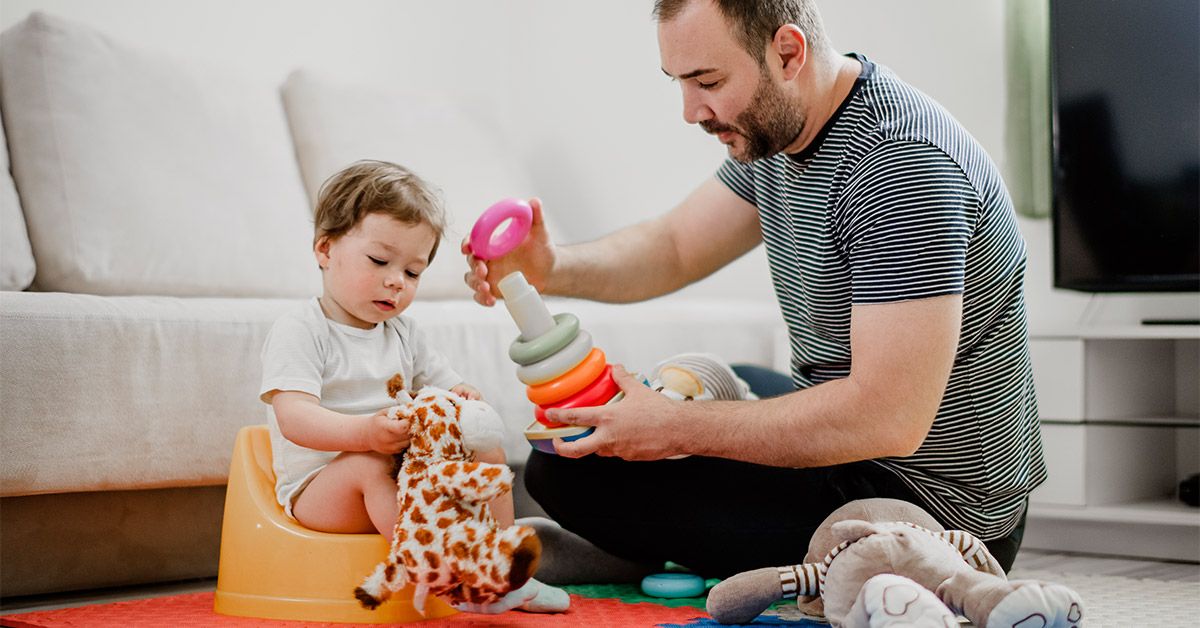
Make sitting calm and boring in a good way. Use a footstool so knees are slightly above hips, which helps the pelvic muscles relax. Avoid pressure, scolding, or dramatic speeches. A child who feels interrogated may tighten every muscle they own.
Reward the Habit, Not the Poop
Sticker charts can work well, but reward sitting on the toilet, not producing stool. The child can control sitting; they cannot always control immediate results. Rewards might include stickers, extra story time, choosing a song, or earning points toward a small privilege.
Encourage Movement
Physical activity helps stimulate the digestive system. Running, jumping, dancing, biking, playground time, and even family walks can support regular bowel habits. No child needs a gym membership to poop better. A living-room dance party may count.
Medical Treatment for Constipation in Children
If home remedies are not enough, pediatricians may recommend medical treatment. Treatment often has two parts: clearing backed-up stool if needed, then maintaining soft, regular stools long enough for the rectum and colon to recover.
Stool Softeners and Osmotic Laxatives
Polyethylene glycol, often known by brand names such as MiraLAX, is commonly used under medical guidance for pediatric constipation. It works by holding water in the stool, making it softer and easier to pass. Lactulose may be used when polyethylene glycol is not suitable or available. These medicines should be used according to a clinician’s instructions, especially for dose and duration.
Stimulant Laxatives, Suppositories, and Enemas
In some cases, doctors may recommend stimulant laxatives, suppositories, or enemas. These are not casual “try it and see” treatments for children. They should be used with medical guidance because the right option depends on the child’s age, symptoms, stool burden, and health history.
Cleanout Plans
For children with stool impaction, a pediatrician may prescribe a cleanout plan. This can sound intimidating, but the purpose is simple: remove the backed-up stool so the child can start fresh. Cleanouts should be done exactly as directed. Parents should know what to expect, including more frequent stools, possible cramping, and the need to stay close to a bathroom.
Maintenance Treatment
After a cleanout, some children need maintenance medicine for weeks or months. This is not a failure. The rectum can stretch when stool has been held for a long time, and it may take time for normal sensation and muscle function to return. Stopping treatment too soon is a common reason constipation comes back.
What Parents Should Avoid
Do not shame or punish a child for constipation, stool accidents, or withholding. Children are not doing this to ruin your day, although it may feel suspiciously timed. Stool accidents often happen because the rectum is stretched and the child cannot feel leakage until it is too late.
Avoid giving adult laxatives, herbal cleanses, mineral oil, enemas, or suppositories without medical advice. Also avoid turning every meal into a fiber lecture. Children are more likely to cooperate when changes feel normal, tasty, and low-pressure.
Constipation in Babies and Toddlers
Babies have different stool patterns depending on whether they are breastfed, formula-fed, or starting solids. Some breastfed babies may go several days without stool and still be normal if stools are soft and the baby feeds well. True constipation is more about hard, painful stools than the calendar alone.
Constipation may appear when babies start solid foods. Pureed prunes, pears, peas, or peaches may help older babies who are already eating solids. Parents should talk to a pediatrician before giving juice, water, or constipation medicine to infants, especially babies younger than a few months.
Constipation in School-Age Kids
School-age children may be embarrassed to talk about constipation. They may also avoid school bathrooms, ignore urges during class, or rush through breakfast and miss the best time to go. Parents can help by creating a private, matter-of-fact conversation: “Lots of kids have trouble pooping sometimes. Let’s make a plan so it does not hurt.”
A school plan may include allowing bathroom access when needed, packing a water bottle, sending high-fiber snacks, and doing toilet sits at home after breakfast or dinner. If accidents happen, involve the pediatrician and, if needed, the school nurse discreetly.
How Long Does Childhood Constipation Last?
Mild constipation may improve within a few days with fluids, fiber, and routine. Chronic constipation can take months to fully resolve, especially if a child has been withholding stool for a long time. The key is consistency. Think of treatment like retraining the bowel, not flipping a switch.
Parents often feel discouraged when constipation improves, then returns after a birthday party, vacation, illness, or school change. That does not mean the plan failed. It means the digestive system is sensitive to routine, and the family may need to restart the basics quickly.
Practical Meal and Snack Ideas
A constipation-friendly day might include oatmeal with berries for breakfast, water throughout the morning, bean-and-cheese quesadillas with fruit for lunch, popcorn or pear slices for a snack, and whole-grain pasta with vegetables for dinner. The best plan is one your child will actually eat. A perfect high-fiber menu that gets rejected by a five-year-old food critic is not much help.
Try small swaps: whole-grain waffles instead of refined ones, berries instead of candy as a frequent snack, lentils blended into soup, chia stirred into yogurt, or apple slices with peanut butter. For picky eaters, tiny changes done consistently beat heroic changes that last one afternoon.
Experience-Based Tips From Real Family Life
One of the biggest lessons parents learn about constipation in kids is that logic does not always win. You can explain the colon, fiber, hydration, and stool softness like a tiny medical professor, and your child may still refuse to sit on the toilet because “the bathroom rug looked at me funny.” This is why emotional safety matters as much as nutrition.
Many families find that the first breakthrough comes when they stop making poop the main character of the day. Instead of asking, “Did you poop?” every 20 minutes, they build a predictable rhythm: breakfast, tooth brushing, five-minute toilet sit, praise for trying, then move on. No courtroom questioning. No dramatic sighing outside the bathroom door. Just routine.
Another helpful experience is using the right language. Younger children may respond better to simple phrases like “Your poop is stuck and we are helping it slide out,” rather than “You are constipated because your stool is retained in the colon.” Accurate? Yes. Useful to a preschooler wearing dinosaur pajamas? Not especially.
Parents also learn that posture can make a surprising difference. A dangling child on an adult toilet often cannot relax well. A sturdy footstool can help the child feel secure and place the body in a better position. Some families call it the “poop step,” which is not glamorous but gets the job done. Bathroom dignity returns later; for now, function wins.
For school-age kids, privacy is huge. A child may refuse to use the school bathroom not because they are stubborn, but because the stall doors do not lock well, classmates make jokes, or the flush sounds like a jet engine. A quiet talk with the teacher or school nurse may help the child access a private bathroom or go at less crowded times.
Food changes work best when they do not feel like punishment. If the child hears, “You have to eat this because you are constipated,” the food may instantly become suspicious. A smoother approach is making the whole family’s meals more bowel-friendly. Serve fruit at breakfast, vegetables at dinner, beans in chili, and water as the normal drink. The constipated child should not feel like the only person sentenced to pears.
Parents should also prepare for setbacks. A child may do well for two weeks, then skip stooling during a weekend trip and slide backward. This is common. Travel constipation is real: different toilets, different foods, less movement, and ignored urges. Packing familiar snacks, encouraging water, and keeping the toilet routine can prevent a minor slowdown from becoming a full digestive traffic jam.
Medical treatment can also feel emotionally complicated. Some parents worry that using a laxative means their child will “depend” on it forever. In reality, pediatricians often use stool-softening treatment to break the pain-withholding cycle and allow the bowel to recover. The goal is not to replace healthy habits but to make healthy habits possible without pain.
The most reassuring experience is this: once pooping stops hurting, children often become much more cooperative. Fear fades. Appetite improves. Bellyaches decrease. The child who once treated the toilet like a haunted throne may eventually sit, poop, wash hands, and return to life as if nothing historic happened. Parents, meanwhile, deserve applause, coffee, and possibly a trophy shaped like a prune.
Conclusion
Constipation in kids is common, uncomfortable, and sometimes frustrating, but it is usually manageable with a thoughtful plan. Watch for symptoms such as hard stools, painful bowel movements, belly pain, withholding, and stool accidents. Start with gentle home remedies like fiber-rich foods, enough fluids, movement, relaxed toilet sitting, and positive reinforcement.
If constipation is persistent, painful, severe, or linked with warning signs such as vomiting, fever, weight loss, blood in stool, poor growth, or a swollen belly, contact your child’s pediatrician. Medical treatment may include stool softeners, osmotic laxatives, cleanout plans, or specialist care when needed. The most important message for parents is simple: constipation is not a character flaw, not a parenting failure, and not something children should be shamed for. With patience, consistency, and proper care, most kids can get back to comfortable, regular bowel movementsand families can finally talk about something other than poop at dinner.
Note: This article is for general educational purposes and should not replace advice from a pediatrician. Always seek professional medical guidance before giving constipation medicine, laxatives, suppositories, or enemas to a child.