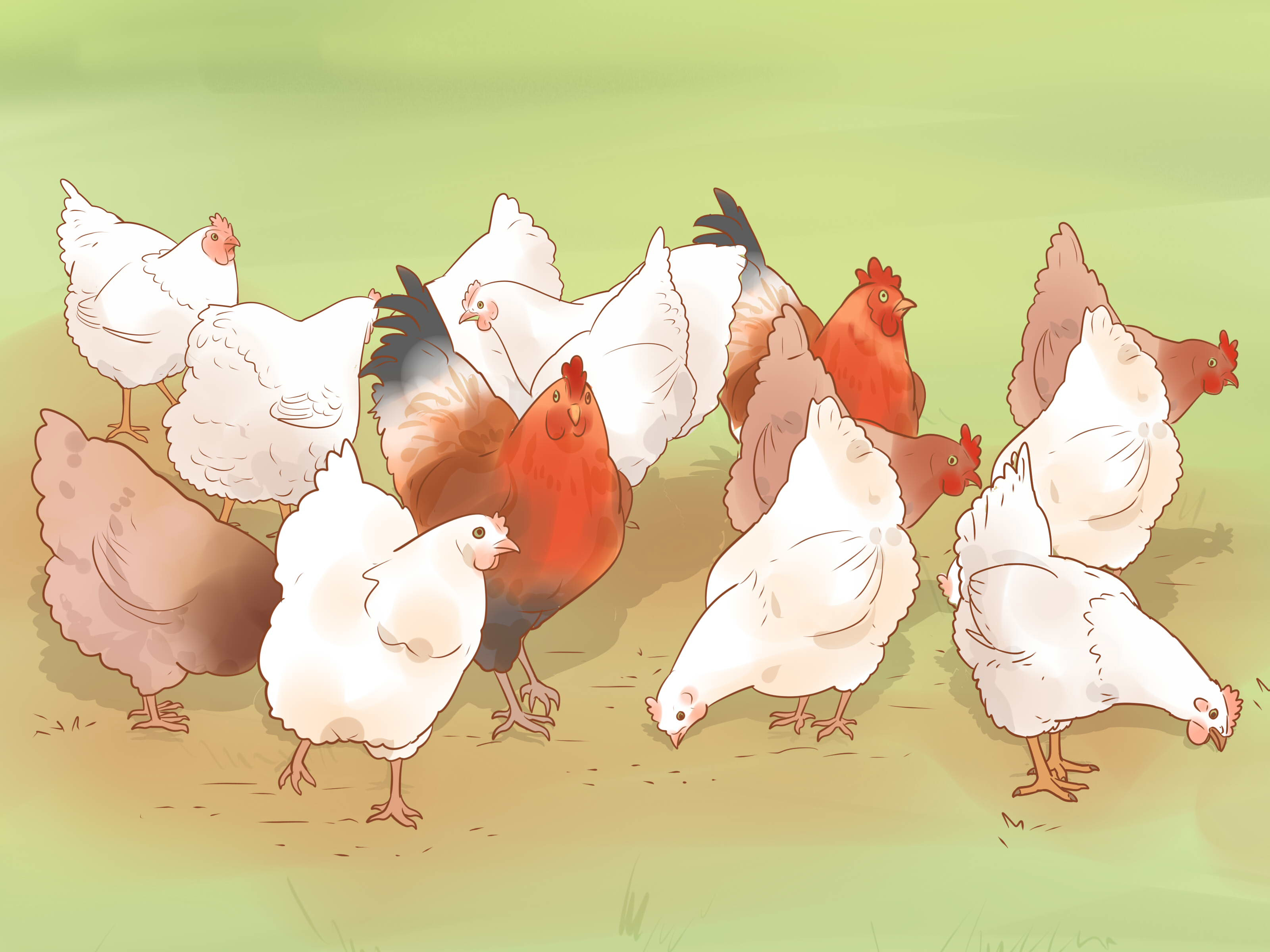
A pecked chicken with a wound can turn a peaceful backyard coop into a tiny feathered emergency room. One minute everyone is clucking politely over breakfast; the next, one hen has a red spot, three nosy flock mates are staring at it like it is the grand opening of a buffet, and you are sprinting across the yard in rubber boots wondering whether chickens come with a customer-support hotline. They do not. But the good news is that many mild pecking wounds can be managed calmly, quickly, and safely when you know what to do first.
Chicken pecking wounds happen for many reasons: social ranking, boredom, overcrowding, heat stress, poor lighting, nutritional imbalance, parasites, injury, or simply because chickens are intensely curious creatures with beaks. A small wound can become serious fast because chickens are attracted to red, raw, or bloody areas. Once one bird pecks, others may copy the behavior. This is why helping a wounded chicken is not just about cleaning the cut; it is also about stopping the flock from turning one injury into a full-blown cannibalism problem.
This guide covers three practical ways to help a pecked chicken with a wound: isolate and assess the bird, clean and protect the injury, and fix the flock conditions that caused or encouraged the pecking. Think of it as first aid, detective work, and chicken diplomacy rolled into one.
Way 1: Separate the Injured Chicken and Check the Wound
The first rule of chicken wound care is simple: remove the injured bird from the flock as soon as you notice blood, raw skin, exposed tissue, or repeated pecking. Chickens may look like fluffy farm ornaments, but when they see blood, their curiosity can become dangerous. A wound that might have healed quietly can become larger if other birds keep pecking at it.
Move Her to a Quiet Recovery Area
Place the wounded chicken in a clean, dry, predator-safe space away from the main flock. A dog crate, pet carrier, small brooder, or sectioned-off pen can work well. Add clean bedding, fresh water, and easy access to feed. Keep the area calm and shaded, with good ventilation but no drafts. The goal is to create a chicken hospital room, not a five-star spa, although your hen may strongly believe she deserves both.
If the bird is alert, standing, eating, and drinking, that is a good sign. If she is hunched, cold, weak, breathing hard, not responding, or bleeding heavily, treat the situation as urgent. Chickens are prey animals and often hide pain or illness until they are in real trouble.
Assess the Severity Before You Treat
Put on disposable gloves if you have them. Gently part the feathers around the wound so you can see what you are dealing with. Look for the wound location, depth, active bleeding, swelling, bad smell, pus, fly eggs, maggots, exposed muscle, torn skin, or signs that the injury reaches the body cavity. Wounds around the vent, head, eyes, comb, wattles, back, and tail base are common pecking targets.
A minor wound may look like a shallow scrape, small puncture, or raw patch. A serious wound may be deep, gaping, dirty, infected, or located near the eye, vent, abdomen, or joints. If you see exposed organs, severe tearing, heavy bleeding, bone, maggots, or a wound that smells rotten, contact a poultry veterinarian or livestock vet right away. Backyard confidence is wonderful; backyard surgery with kitchen scissors is not.
Stop Bleeding Carefully
If the wound is bleeding, apply gentle pressure with clean gauze or a clean cloth for several minutes. Do not keep lifting the cloth every ten seconds to peek, because that can disturb clotting. For small bleeding areas, steady pressure is often enough. If bleeding does not slow, or the bird becomes weak, pale, or limp, seek veterinary help immediately.
Avoid using random household powders, harsh chemicals, or sticky human bandages directly on feathers and skin. Chickens preen, peck, dust bathe, and generally behave like feathered chaos machines, so anything applied to them should be safe for animals and appropriate for poultry.
Way 2: Clean, Protect, and Monitor the Pecking Wound
Once the chicken is separated and stable, the next step is cleaning and protecting the wound. The aim is to reduce dirt and bacteria, hide the red color that attracts more pecking, and give the skin a chance to heal without constant beak-based commentary from the rest of the flock.
Clean the Wound Gently
For a mild wound, flush the area with sterile saline if available. You can also use clean lukewarm water in a pinch. If there is bedding, dirt, or dried blood stuck in the feathers, soften it gently rather than pulling. Trim feathers around the wound only if necessary and only if you can do so safely without cutting the skin.
A diluted antiseptic such as chlorhexidine or povidone-iodine may be used when appropriate, but it should be diluted according to product directions and used carefully. The solution should not be harsh, burning, or concentrated. Do not repeatedly soak the wound in hydrogen peroxide; while it may fizz impressively, it can damage healthy tissue and slow healing when overused. The wound is not a science fair volcano.
After flushing, pat the area dry with clean gauze. Moist, dirty feathers can encourage irritation and infection, so keeping the wound clean and dry matters.
Use a Poultry-Safe Wound Cover or Pecking Deterrent
Because chickens are drawn to red tissue and blood, masking the wound color can be helpful. Many poultry keepers use a poultry-safe wound spray, blue or dark antiseptic spray, or pecking-deterrent product designed for birds. The important phrase is “poultry-safe.” Read the label, especially if the chicken lays eggs for food. Some products are not meant for food-producing animals, and some ingredients may not be appropriate for birds.
A non-irritating salve or wound dressing may help protect shallow wounds, but avoid thick, greasy products that collect dirt or make the feathers clump badly. Also avoid products containing topical pain relievers ending in “-caine,” such as lidocaine or benzocaine, unless your veterinarian specifically instructs you to use them. Birds can be sensitive to medications that people use casually.
If the wound is on the back or shoulder area, a chicken saddle may help prevent further pecking once the bird is ready to return to the flock. If the wound is near the vent, extra caution is needed because vent pecking can become severe quickly. Keep the bird separated until the area is no longer red, raw, or attractive to other chickens.
Support Healing With Food, Water, and Calm
A wounded chicken needs easy access to nutrition and hydration. Offer her normal balanced feed, fresh water, and, if needed, a small amount of high-protein support such as scrambled egg or mealworms as a temporary boost. Do not replace her balanced ration with treats. Chickens are excellent at convincing humans that snacks are medicine, but a complete poultry feed is still the foundation.
Check the wound at least once or twice daily. Look for swelling, heat, pus, odor, darkening tissue, increased bleeding, flies, maggots, or a chicken that seems less alert. Healing wounds should gradually look drier, smaller, and less angry. If the wound worsens, the bird stops eating, or infection signs appear, call a vet.
Keep the recovery area clean. Change soiled bedding promptly. If flies are present, be extra vigilant. Flystrike can become life-threatening when flies lay eggs in open wounds. A chicken that was merely “pecked a little” can become seriously ill if a dirty wound is ignored.
Way 3: Fix the Flock Problem Before Reintroducing Her
Treating the wound is only half the job. If the cause of pecking remains in the coop, the injured chicken may be attacked again, or another bird may become the next target. This is the part where you become a chicken detective. No trench coat required, though it would be memorable.
Look for Common Pecking Triggers
Pecking and cannibalism are linked to several management issues. Common triggers include overcrowding, too much light, excessive heat, poor ventilation, limited feeder or waterer space, boredom, parasites, nutritional deficiencies, and mixing birds of different sizes, ages, colors, or breeds. Sometimes one aggressive hen starts the habit, and the rest of the flock learns it faster than anyone learns useful things like “do not poop in the nest box.”
Start with space. Crowded chickens become stressed and competitive. Lower-ranking birds may be blocked from food or water, causing weakness and making them easier targets. Provide enough room in the coop and run, and make sure there are multiple feeding and drinking spots if dominant birds guard resources.
Next, check lighting. Bright light can increase activity and aggression. If your coop is lit like a supermarket checkout lane at midnight, consider reducing intensity. Hens need appropriate lighting for laying, but harsh or excessive lighting can worsen pecking. Avoid bright lights near nest boxes, especially because exposed red tissue during egg laying can trigger vent pecking.
Improve Nutrition and Foraging Opportunities
A balanced poultry feed matters. Low protein, amino acid imbalance, and deficiencies in nutrients such as methionine, sodium, or phosphorus have been associated with feather pecking and cannibalistic behavior. Feed birds according to their age and purpose: chicks, growers, layers, and meat birds have different needs. A flock living on scratch grains and kitchen leftovers may look charming, but nutritionally, that is not a plan; it is a buffet with poor management.
Encourage natural foraging behavior. Chickens are built to scratch, peck, explore, and search for food. When they cannot do those things, they may redirect pecking toward each other. Add safe enrichment such as hanging cabbage, leafy greens, straw, hay, scratch scattered in deep litter, perches, dust-bathing areas, or movable flock toys. Even a simple change in the run can keep beaks busy. A busy beak is less likely to become a tiny feathered weapon.
Check for Parasites and Health Issues
External parasites such as mites and lice can irritate birds, leading to scratching, feather damage, and skin wounds that invite pecking. Inspect the base of feathers, vent area, under wings, and around the neck. Look for crawling insects, clusters of eggs, scabs, feather loss, or irritated skin. Treat parasites with poultry-appropriate products and clean the coop thoroughly if needed.
Also watch for sick, weak, limping, or unusually small birds. Chickens may target flock mates that look different or vulnerable. If one bird is repeatedly attacked, there may be an underlying health issue, not just a social problem.
Reintroduce the Chicken Slowly
Do not return the injured chicken while the wound is still red, wet, bleeding, or easy to notice. A safe return usually happens when the skin is closed or well-scabbed, the bird is active, and the wound color is masked or no longer attractive. Reintroduction is often smoother when the recovering chicken can spend time near the flock but protected by wire, so everyone can see each other without direct contact.
When you do return her, supervise closely. Offer multiple feeders and distractions. Some keepers reintroduce birds near dusk when the flock is calmer, but observation the next morning is essential. If the same bird attacks her again, remove the aggressor or separate the recovering hen longer. Sometimes the bully is obvious: she will be the one with perfect feathers, intense eye contact, and the personality of a tiny barnyard tax collector.
When to Call a Veterinarian
Call a poultry veterinarian, avian vet, or livestock vet if the wound is deep, large, near the eye, near the vent, over a joint, or located on the abdomen. Veterinary care is also needed if bleeding will not stop, the chicken is weak or in shock, there is a foul smell, pus, swelling, maggots, exposed bone, or signs of infection. If the bird is not eating or drinking, cannot stand, or seems to be declining, do not wait.
Veterinarians can clean wounds properly, prescribe safe antibiotics or pain management when needed, and advise whether the bird can recover humanely. Never give chickens human pain medications such as acetaminophen, ibuprofen, or aspirin without veterinary guidance. “It helped my headache” is not a dosing protocol for poultry.
Practical Chicken First-Aid Kit for Pecking Wounds
A small poultry first-aid kit can save time when a pecking wound appears. Useful supplies include disposable gloves, clean towels, sterile gauze, saline wound wash, poultry-safe antiseptic, blunt-tip scissors, tweezers, a flashlight, a small crate, clean bedding, and a poultry-safe wound spray or pecking deterrent. Keep emergency vet contact information where you can find it quickly.
Also keep your coop repair kit handy. Loose wire, sharp hardware cloth edges, exposed nails, broken roosts, and splintered wood can create injuries that lead to pecking. Prevention is not glamorous, but neither is chasing a bleeding hen around the yard while wearing one garden clog.
of Real-World Experience: What Chicken Keepers Learn the Hard Way
Anyone who has kept chickens long enough eventually learns that flock care is part farming, part observation, and part guessing what a bird with a walnut-sized brain is planning next. A pecked chicken wound often teaches the same lesson: act early. The small red spot you notice at breakfast can become a much larger problem by afternoon if other birds discover it. Experienced keepers often say that the first few minutes matter most. Separate first, investigate second, and do not assume the flock will “work it out.” Chickens do work things out, but their negotiation style involves beaks.
One common experience is finding a hen with a pecked comb or raw tail base and realizing that the actual problem started days earlier. Maybe the coop felt crowded after several pullets grew to full size. Maybe the feeder was too small, and the lowest-ranking hen was always pushed away. Maybe boredom built up during a rainy week when the flock refused to leave the covered run because apparently wet grass is a personal insult. By the time a wound appears, the flock has usually been sending clues.
Another lesson is that isolation should be comfortable but not lonely forever. A recovering chicken needs peace, yet long separation can make reintroduction harder. Many keepers use a “see but do not touch” setup: a crate inside the run or a wire partition where the injured bird remains protected while the flock gets used to her presence. This reduces the dramatic “Who is this stranger?” reaction when she returns. Chickens can forget social arrangements with impressive speed, especially if snacks are involved.
Keepers also learn that wound color matters. A wound may be healing, but if it still looks red and shiny, the flock may treat it as an invitation. That is why poultry-safe wound sprays or pecking deterrents can be useful after cleaning. The goal is not to decorate the chicken like modern art; it is to hide the visual trigger and discourage curious pecks.
Food and enrichment often make a bigger difference than expected. A flock with enough protein, enough feeder space, dust baths, greens, perches, and things to scratch through is usually calmer. Chickens are happiest when they are busy destroying something harmless, such as a cabbage, a pile of leaves, or your freshly arranged mulch. Give them a legal outlet for their beaks, and they are less likely to create illegal entertainment on a flock mate.
The final hard-earned lesson is humility. Sometimes you do everything right and still get a pecking injury. Flocks have personalities. Weather changes, hormones shift, new birds disrupt the pecking order, and one bossy hen may decide she has been promoted to Chief Nuisance Officer. The best chicken keepers are not perfect; they are observant, quick to respond, and willing to adjust. Helping a pecked chicken with a wound is about more than first aid. It is about reading the flock, improving the environment, and giving the injured bird a safe chance to heal.
Conclusion
A pecked chicken with a wound needs fast, calm attention. First, separate the bird so the flock cannot make the injury worse. Second, clean and protect the wound using gentle, poultry-safe methods while watching closely for infection. Third, fix the coop conditions that may have triggered the pecking, including crowding, bright light, boredom, nutrition issues, parasites, and bullying.
The sooner you act, the better the odds that your chicken recovers and the flock returns to normal barnyard business: scratching, clucking, dust bathing, and judging you for being three minutes late with breakfast. When in doubt, especially with deep or infected wounds, call a veterinarian. A healthy hen is worth the effort, and a peaceful flock is much easier to enjoy than a feathered soap opera with medical bills.
Note: This article is for educational backyard poultry care only. Serious wounds, infected wounds, heavy bleeding, eye injuries, vent injuries, flystrike, or signs of shock require professional veterinary care.