Loss has a way of walking into the room without knocking. One day you are making coffee, answering emails, folding towels, or complaining about traffic like a perfectly normal human being. Then grief arrives, sits in your favorite chair, and says, “We live together now.”
If you are grieving, first know this: you are not doing it wrong. Healthy grieving does not mean looking calm, staying productive, or “moving on” by next Tuesday. It means learning how to live with loss in a way that protects your body, honors your emotions, and slowly helps you reconnect with life. Some days that may look like journaling and taking a walk. Other days it may look like eating toast over the sink and calling that dinner. Both can be part of the process.
This guide explains how to cope with loss, what healthy grieving can look like, when to ask for extra support, and how to make space for memories without letting grief take over the whole house and start charging rent.
What Is Grief?
Grief is the emotional, physical, mental, and sometimes spiritual response to losing someone or something important. Most people connect grief with death, but loss can also include divorce, a breakup, job loss, infertility, retirement, illness, moving away from home, loss of independence, or the end of a dream you carried for years.
Bereavement usually refers to the period after a death. Mourning is how grief is expressed outwardly, often through rituals, funerals, memorials, clothing, prayer, storytelling, or cultural traditions. Grief is the inner storm. Mourning is how that storm shows up in the world.
Healthy Grieving Does Not Follow a Perfect Timeline
You may have heard about the five stages of grief: denial, anger, bargaining, depression, and acceptance. These stages can be useful, but they are not a staircase. You do not complete anger on Monday, bargaining on Wednesday, and acceptance after one inspiring quote on Instagram.
Grief is more like weather. It can be sunny in the morning, stormy by lunch, foggy in the evening, and weirdly peaceful at midnight when you find an old photo and smile instead of cry. That does not mean you are unstable. It means you are human.
Healthy grieving allows feelings to come and go without forcing them into a neat schedule. You may feel sadness, anger, guilt, relief, numbness, confusion, gratitude, jealousy, or even brief moments of joy. Those mixed emotions can feel strange, but they are common. A person can miss someone deeply and still laugh at a ridiculous dog video. The heart is complicated. It multitasks.
Common Signs of Grief
Grief can affect nearly every part of life. Emotionally, you may feel sadness, irritability, anxiety, guilt, loneliness, regret, or emotional numbness. Mentally, you may have trouble concentrating, forget simple tasks, replay memories, or wonder whether you could have done something differently.
Grief can also show up in the body. Some people experience fatigue, headaches, tightness in the chest, stomach changes, appetite shifts, sleep problems, or a heavy feeling that makes even small chores feel like Olympic events. Socially, you may want company one minute and silence the next. Spiritually, you may question beliefs, search for meaning, or feel disconnected from things that once comforted you.
These reactions can be painful, but they are often part of normal grieving. The goal is not to erase them instantly. The goal is to support yourself through them.
How to Cope With Loss in a Healthy Way
1. Let Yourself Feel What You Actually Feel
One of the kindest things you can do is stop arguing with your emotions. Grief does not become healthier because you pretend you are fine. It becomes more manageable when you allow the truth to exist.
Try saying, “Today I feel angry,” or “I miss them,” or “I am relieved the suffering is over, and I feel guilty about that.” Naming an emotion can make it less mysterious. You do not have to publish your feelings like a press release. You simply need to admit them to yourself.
2. Build a Small Daily Routine
Loss can make life feel shapeless. A simple routine gives your brain something steady to hold. You do not need a dramatic lifestyle overhaul with matching containers and a color-coded planner. Start small.
Wake up around the same time. Drink water. Eat something with protein. Take medication if prescribed. Step outside for five minutes. Shower. Put one dish in the sink instead of nine dishes and a mysterious fork from another dimension. Tiny routines help restore a sense of control when life feels cracked open.
3. Care for Your Body, Even If Your Heart Is a Mess
Grief is not “all in your head.” It is in your nervous system, muscles, digestion, sleep, and immune response. That is why basic self-care matters. Eat regular meals when you can. Choose simple foods if cooking feels impossible. Soup, eggs, yogurt, fruit, sandwiches, and frozen meals are valid grief cuisine.
Try gentle movement, such as walking, stretching, yoga, gardening, or slow dancing in your kitchen to a song that makes you cry. Sleep may be difficult, so create a calming bedtime routine: dim lights, reduce scrolling, keep alcohol and caffeine in check, and write down racing thoughts before bed.
4. Talk to People Who Can Handle the Truth
Support is one of the strongest protective factors during grief. But not all support feels supportive. Some people panic around sadness and start tossing clichés like confetti: “Everything happens for a reason,” “Be strong,” or “At least they lived a long life.” Usually, they mean well. Unfortunately, good intentions do not always come with good sentences.
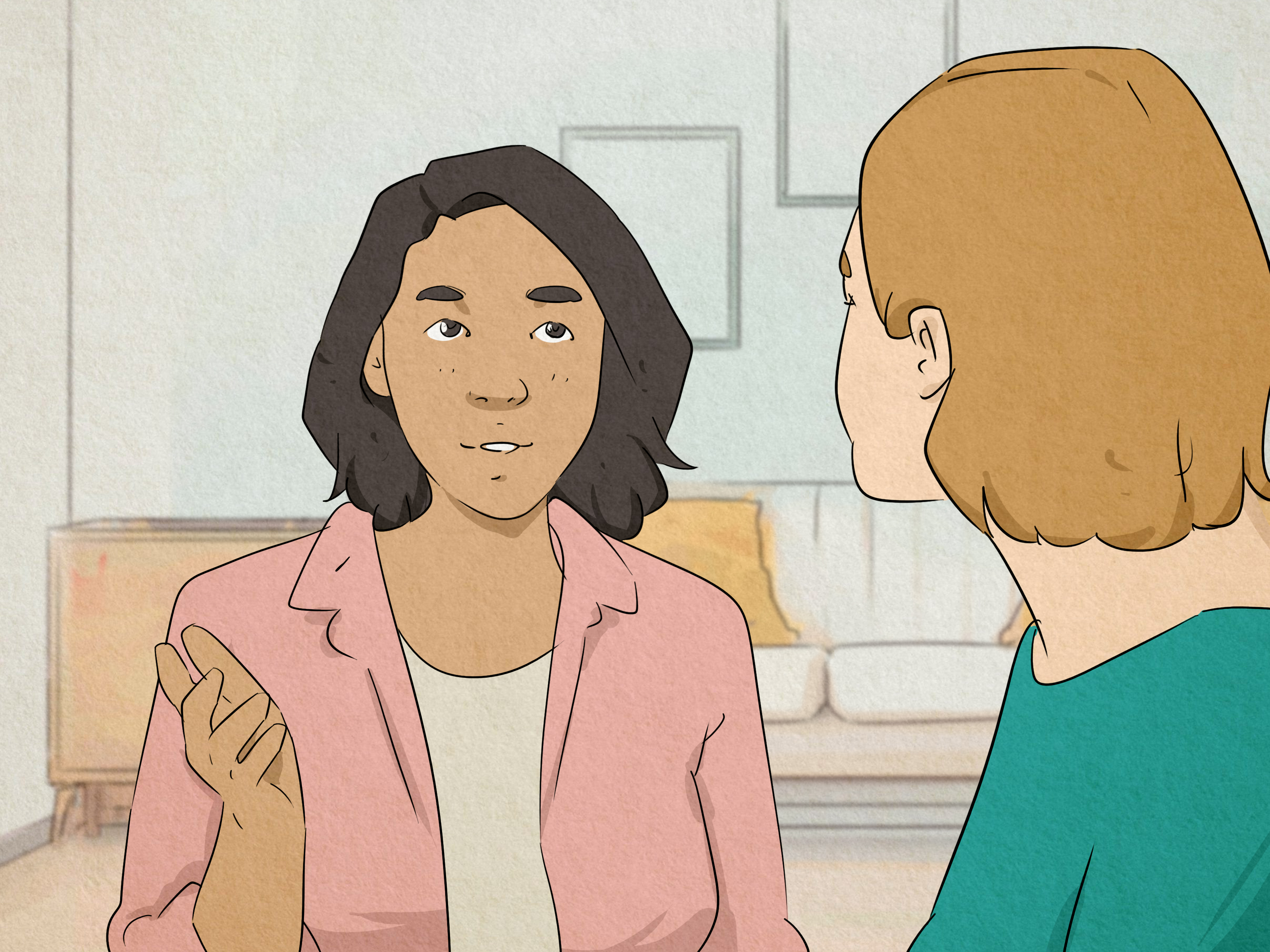
Look for people who can sit with you without trying to repair you. A helpful friend might say, “Tell me about them,” “I can bring dinner,” or “Do you want company or quiet?” Grief support groups, faith communities, online bereavement groups, therapists, and grief counselors can also provide a safe place to speak honestly.
5. Accept Practical Help
When people ask, “Let me know if you need anything,” your grieving brain may respond, “I need a time machine and three functioning brain cells.” Instead of trying to think of everything, keep a small list of practical tasks others can do.
Examples include grocery shopping, walking the dog, taking children to school, helping with paperwork, mowing the lawn, making phone calls, or sitting with you during a difficult appointment. Practical help is not a luxury. It is scaffolding while your inner structure is under repair.
6. Create Rituals of Remembrance
Healthy grieving is not about forgetting. It is about finding a new relationship with memory. Rituals can help. Light a candle on meaningful dates. Cook their favorite meal. Make a playlist. Plant flowers. Write letters you do not send. Keep a memory box. Donate to a cause they cared about. Tell stories that include their full personality, not just the polished memorial version.
If the person you lost was complicated, your rituals can be complicated too. You do not have to pretend every relationship was perfect. Healing can include love, anger, disappointment, gratitude, and boundaries all sitting at the same table like an awkward family reunion.
7. Watch Out for Avoidance That Becomes a Trap
Distraction can be healthy. Watching a movie, cleaning a closet, working, exercising, or playing a game can give your mind a break. But constant avoidance can keep grief stuck. If you never let yourself feel, remember, talk, or rest, grief may leak out sideways as irritability, exhaustion, anxiety, or numbness.
A balanced approach helps: take breaks from grief, but also take breaks for grief. You might set aside ten minutes to journal, look at photos, pray, cry, or talk out loud. Then return to the day. Think of it as opening the window so the room can breathe.
8. Be Careful With Alcohol, Overwork, and Other Numbing Tools
When pain is heavy, numbing can be tempting. A glass of wine, endless work, shopping, scrolling, or staying constantly busy may seem helpful at first. The problem is that numbing does not remove grief; it usually delays it and adds interest, like a very rude emotional credit card.
If you notice you are relying on alcohol, substances, risky behavior, or compulsive habits to get through the day, consider reaching out to a healthcare professional, therapist, or support group. Asking for help early is not weakness. It is maintenance.
When Grief Becomes More Than You Can Carry Alone
Grief can be intense and still be normal. However, professional support may be needed when grief remains overwhelming, persistent, and disabling, or when it prevents you from functioning in daily life for a long period.
Consider talking with a doctor, therapist, grief counselor, or mental health professional if you experience ongoing inability to work or care for yourself, persistent hopelessness, intense guilt that will not ease, panic symptoms, severe sleep disruption, withdrawal from everyone, heavy substance use, or feeling that life is not worth living.
If you are in the United States and you are thinking about suicide, self-harm, or you feel in immediate emotional crisis, call or text 988 to reach the Suicide & Crisis Lifeline. If there is immediate danger, call emergency services. You deserve support right now, not after you have “earned it” by suffering longer.
How to Support Someone Who Is Grieving
If someone you love is grieving, do not worry about finding perfect words. Perfect words are rare. Presence matters more. Say the name of the person who died if the grieving person wants to talk about them. Share a memory. Ask what the hardest part of the day has been. Offer specific help instead of vague help.
Try: “I’m going to the store. What can I bring?” or “I can sit with you Thursday evening,” or “Would you like me to handle the thank-you notes?” Keep checking in after the funeral, after the first month, and after everyone else has returned to normal. Grief often gets lonelier when the casseroles stop arriving.
Healthy Grieving During Anniversaries and Holidays
Birthdays, holidays, anniversaries, songs, smells, restaurants, and random grocery-store sightings of their favorite cereal can all trigger grief. These moments are not setbacks. They are reminders of attachment.
Plan ahead for difficult dates. Decide which traditions you want to keep, change, skip, or simplify. You might set a place at the table, visit the cemetery, volunteer, travel, stay home, or create a new ritual. Give yourself permission to leave events early. Grief does not care that you RSVP’d.
Finding Meaning Without Forcing It
People often say grief teaches lessons. Sometimes it does. Sometimes it just hurts. You do not have to turn loss into a motivational poster. Meaning cannot be rushed, and it should not be demanded from someone in pain.
Over time, however, many people find small forms of meaning: becoming more compassionate, changing priorities, deepening relationships, helping others, preserving a legacy, or learning to live more honestly. Meaning does not make the loss “worth it.” It simply helps life grow around the wound.
Experiences Related to Coping With Loss: What Healthy Grieving Can Look Like in Real Life
One common grief experience is the “two-worlds problem.” In one world, everything has changed. Someone is gone, a relationship has ended, a diagnosis has altered the future, or a home no longer feels like home. In the other world, the mail still arrives, bills still exist, and the dishwasher continues its dramatic career of needing to be emptied. This mismatch can feel insulting. How can the world keep moving when your life has split into before and after?
Many grieving people describe early days as foggy. They may forget appointments, lose keys, reread the same sentence five times, or walk into a room with great purpose and absolutely no idea why. This is not failure. Grief uses a lot of mental energy. A helpful strategy is to reduce decisions. Wear comfortable clothes. Eat simple meals. Write things down. Use reminders. Let “good enough” become your temporary life motto.
Another experience is the guilt loop. People wonder, “Did I call enough?” “Did I choose the right care?” “Why did I get impatient?” “Why am I laughing already?” Guilt often appears because the brain is trying to regain control over something uncontrollable. A gentle practice is to answer guilt with context. You made decisions with the information, energy, and support you had at the time. You were a person, not a wizard with a spreadsheet from the future.
Some people feel relief after a long illness, a painful relationship, or years of caregiving. Relief can be shocking, but it does not mean love was absent. It may mean the suffering was real. A caregiver can miss someone terribly and also feel their body exhale after months or years of emergency mode. Both truths can live together.
There is also the experience of delayed grief. A person may feel numb at first, handle paperwork, plan a service, support everyone else, return to work, and then fall apart weeks or months later when life gets quiet. Delayed grief is not fake grief. It is often the mind protecting itself until there is enough safety to feel.
Healthy grieving may look like telling the same story repeatedly because your brain is trying to understand what happened. It may look like avoiding one song for six months, then playing it on purpose. It may look like keeping their sweatshirt, deleting old messages, saving old messages, crying in the car, laughing at an inappropriate memory, or making a big life change after realizing time is not unlimited.
One useful experience many people discover is that grief softens when it is shared with the right people. Not erased. Softened. A support group can help because no one needs a long explanation. Others in the room understand the strange calendar of grief: first birthday, first holiday, first ordinary Tuesday when the absence feels enormous. Therapy can help when grief becomes tangled with trauma, depression, anxiety, or unresolved conflict.
Eventually, many people notice small signs of healing. You remember without collapsing every time. You laugh and do not immediately punish yourself for it. You make plans. You feel interested in something. You carry the loss, but it no longer carries every part of you. This does not mean you have moved on from love. It means love has changed shape.
Conclusion: Grief Is Not a Problem to Solve, but a Process to Support
Learning how to cope with loss is not about becoming untouched by sadness. It is about grieving in ways that keep you connected to your body, your people, your memories, and your future. Healthy grieving gives you permission to feel, rest, remember, ask for help, and rebuild slowly.
There is no single correct way to grieve. Your path may be quiet, messy, spiritual, practical, tearful, angry, or surprisingly funny in small moments. Be patient with yourself. Loss changes life, but it does not remove your capacity for meaning, connection, and tenderness. Step by step, breath by breath, you can learn to carry what happened without disappearing inside it.
Note: This article is for general educational purposes and is not a substitute for professional mental health care. If grief feels unbearable, dangerous, or impossible to manage, reach out to a qualified professional or crisis support service.