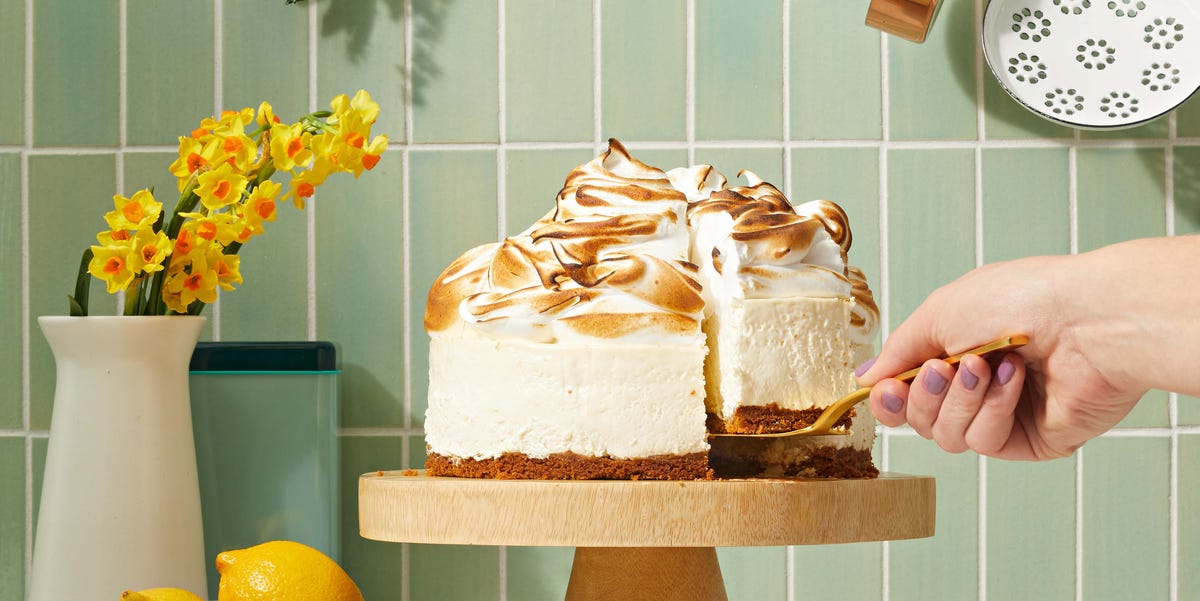
If lemon meringue pie and classic cheesecake ever met at a dessert party, this is the dramatic, sunshiny, “everyone stop scrolling” result. Lemon meringue cheesecake is creamy, tart, buttery, fluffy, and just fancy enough to make people think you spent your entire weekend wearing a pastry-chef hat. Good news: you do not need a culinary degree, a marble countertop, or a kitchen playlist called “French Bakery at Dawn.” You need fresh lemons, cream cheese, a reliable crust, patience while it chills, and the courage to toast meringue without panicking.
This recipe brings together three beloved dessert elements: a crisp graham cracker crust, a smooth lemon cheesecake filling, and a glossy meringue topping that gets toasted until it looks like edible clouds with a tan. The secret is balance. The cheesecake should be rich but not heavy, the lemon curd should be bright but not sour enough to make your face do gymnastics, and the meringue should be sweet, stable, and tall enough to make the dessert feel like a celebration.
Below, you’ll learn how to make lemon meringue cheesecake from scratch, including the best ingredients, step-by-step baking instructions, troubleshooting tips, storage advice, serving ideas, and real-world experience notes that make this dessert easier to master at home.
Why This Is the Best Lemon Meringue Cheesecake Recipe
The best lemon meringue cheesecake recipe is not just a cheesecake with lemon flavor tossed in like an afterthought. It should taste like lemon meringue pie and New York-style cheesecake joined forces for the greater good of dessert. This version uses fresh lemon juice and zest for a clean citrus flavor, sour cream for a silky filling, and a homemade lemon curd layer for that bold, glossy finish.
The graham cracker crust gives the dessert structure and a lightly toasted flavor. The cheesecake filling is baked low and slow so it stays creamy. The lemon curd adds a tart, custardy punch. Finally, the meringue creates height, texture, and a little kitchen theater. Torching the top is optional, but let’s be honest: waving a kitchen torch over dessert is one of adulthood’s small joys.
Recipe Overview
- Yield: 10 to 12 slices
- Prep time: 45 minutes
- Bake time: 1 hour to 1 hour 10 minutes
- Chill time: At least 6 hours, preferably overnight
- Total time: About 8 hours, mostly hands-off
- Difficulty: Moderate, but very doable
- Best for: Holidays, birthdays, Easter, spring parties, summer dinners, and dramatic Tuesday cravings
Ingredients for Lemon Meringue Cheesecake
For the Graham Cracker Crust
- 2 cups graham cracker crumbs
- 1/4 cup granulated sugar
- 1/4 teaspoon fine salt
- 6 tablespoons unsalted butter, melted
- 1 teaspoon finely grated lemon zest
For the Lemon Cheesecake Filling
- 24 ounces full-fat cream cheese, softened
- 1 cup granulated sugar
- 1 tablespoon cornstarch
- 1/4 teaspoon fine salt
- 3/4 cup sour cream, room temperature
- 3 large eggs, room temperature
- 1 large egg yolk, room temperature
- 2 tablespoons fresh lemon juice
- 1 tablespoon finely grated lemon zest
- 2 teaspoons vanilla extract
For the Lemon Curd Layer
- 1/2 cup fresh lemon juice
- 1 tablespoon finely grated lemon zest
- 2/3 cup granulated sugar
- 4 large egg yolks
- 4 tablespoons unsalted butter, cut into pieces
- Pinch of salt
For the Meringue Topping
- 4 large egg whites
- 3/4 cup granulated sugar
- 1/4 teaspoon cream of tartar
- 1 teaspoon vanilla extract
- Pinch of salt
How To Make Lemon Meringue Cheesecake
Step 1: Prepare the Pan
Preheat the oven to 325°F. Wrap the outside of a 9-inch springform pan with two layers of heavy-duty foil. This helps protect the cheesecake if you use a water bath. Lightly grease the inside of the pan, then line the bottom with parchment paper. Your future self will thank you when it is time to remove the cheesecake cleanly.
Step 2: Make the Graham Cracker Crust
In a medium bowl, stir together the graham cracker crumbs, sugar, salt, melted butter, and lemon zest. The mixture should resemble damp sand. Press it firmly into the bottom and slightly up the sides of the springform pan. Use the bottom of a measuring cup to pack it down evenly.
Bake the crust for 8 to 10 minutes, then let it cool while you make the filling. Pre-baking keeps the crust crisp and gives it a lightly toasted flavor that pairs beautifully with lemon.
Step 3: Mix the Cheesecake Filling
In a large mixing bowl, beat the softened cream cheese on medium-low speed until smooth and creamy. Add the sugar, cornstarch, and salt, then mix until combined. Scrape down the bowl often. Cheesecake batter loves hiding little lumps near the bottom of the bowl like it is keeping secrets.
Add the sour cream, lemon juice, lemon zest, and vanilla extract. Mix just until smooth. Add the eggs one at a time, beating on low speed after each addition. Add the extra egg yolk last. Do not overmix once the eggs are added; too much air can make the cheesecake puff up in the oven and crack as it cools.
Step 4: Bake the Cheesecake
Pour the cheesecake filling over the cooled crust and smooth the top. Place the springform pan inside a large roasting pan. Pour hot water into the roasting pan until it comes about 1 inch up the side of the springform pan.
Bake for 60 to 70 minutes, or until the edges are set and the center still has a slight wobble. Think gentle jiggle, not liquid wave pool. Turn off the oven, crack the door open, and let the cheesecake cool inside for 1 hour. This slow cooling helps prevent cracks and keeps the texture luxuriously creamy.
Step 5: Chill the Cheesecake
Remove the cheesecake from the water bath and discard the foil. Let it cool to room temperature, then refrigerate for at least 6 hours. Overnight is best. Cheesecake needs time to firm up, develop flavor, and emotionally prepare for being the star of the dessert table.
Step 6: Make the Lemon Curd
In a small saucepan, whisk together lemon juice, lemon zest, sugar, egg yolks, and salt. Cook over medium-low heat, whisking constantly, until the mixture thickens enough to coat the back of a spoon. This usually takes 6 to 8 minutes. Do not rush it with high heat, unless you enjoy lemon-flavored scrambled eggs, which nobody asked for.
Remove the pan from the heat and whisk in the butter one piece at a time. Strain the curd through a fine-mesh sieve for an extra-smooth texture. Let it cool slightly, then spread it over the chilled cheesecake. Return the cheesecake to the refrigerator while you make the meringue.
Step 7: Make the Meringue
For a stable meringue, use the Swiss meringue method. Place the egg whites, sugar, cream of tartar, and salt in a heatproof bowl set over a saucepan of simmering water. Whisk constantly until the sugar dissolves and the mixture reaches 160°F on an instant-read thermometer.
Transfer the warm egg white mixture to a stand mixer fitted with the whisk attachment. Beat on medium-high speed until glossy, thick peaks form and the bowl feels cool to the touch. Beat in the vanilla extract at the end. The meringue should look shiny and hold tall swoops.
Step 8: Top and Toast
Spoon the meringue over the lemon curd layer. Use the back of a spoon to create peaks, swirls, and swoops. Toast the meringue with a kitchen torch until golden brown in spots. If you do not have a torch, place the cheesecake under the broiler for a very short time, watching closely. Meringue can go from golden to “campfire incident” faster than you think.
Pro Tips for the Creamiest Lemon Cheesecake
Use Room-Temperature Ingredients
Cold cream cheese does not blend smoothly. Cold eggs can also tighten the batter and create lumps. Let the cream cheese, eggs, and sour cream sit at room temperature before mixing. This one small step makes a huge difference in texture.
Use Fresh Lemon Juice
Bottled lemon juice may be convenient, but fresh lemon juice gives the cheesecake a brighter, cleaner flavor. Since lemon is the headline act here, give it the good microphone.
Do Not Skip the Chill Time
A cheesecake that has not chilled long enough will be soft, messy, and difficult to slice. Overnight chilling creates a firmer texture and lets the lemon flavor settle into the rich filling.
Strain the Lemon Curd
Even a well-made curd can have tiny bits of cooked egg or zest. Straining gives you a glossy, bakery-style finish that spreads beautifully over the cheesecake.
Toast the Meringue Right Before Serving
Meringue looks best when freshly toasted. You can make the cheesecake and lemon curd ahead of time, but add the meringue closer to serving for the fluffiest texture and prettiest presentation.
Common Mistakes To Avoid
Overbaking the cheesecake: A perfectly baked cheesecake should still wobble slightly in the center. If it is completely firm in the oven, it may become dry after cooling.
Mixing too aggressively: Once the eggs go in, keep the mixer on low. Too much air causes the cheesecake to rise and fall, which can lead to cracks.
Skipping the water bath: You can bake cheesecake without one, but a water bath gives the most even, gentle heat. That means fewer cracks and a silkier filling.
Using warm lemon curd on cold cheesecake: Let the curd cool slightly before spreading it. Hot curd can soften the top of the cheesecake and make the layers messy.
Walking away from the broiler: If you toast the meringue under the broiler, stay nearby. This is not the time to check your phone, fold laundry, or wonder what happened to that one cousin from Thanksgiving.
How To Serve Lemon Meringue Cheesecake
For clean slices, dip a sharp knife in hot water, wipe it dry, and cut straight down. Wipe the knife between slices. This keeps the lemon curd and cheesecake layers neat and photo-ready.
This dessert is rich, so small slices work well. Serve it with fresh berries, mint leaves, or thin lemon slices. A cup of black coffee or unsweetened iced tea balances the sweetness nicely. For a spring brunch, pair it with fresh fruit and keep the rest of the menu simple. Lemon meringue cheesecake does not need competition; it has already brought its own spotlight.
Storage and Make-Ahead Instructions
You can make the cheesecake base and lemon curd one day ahead. Keep the cheesecake covered in the refrigerator, then add and toast the meringue shortly before serving. Leftover lemon meringue cheesecake should be refrigerated and enjoyed within 2 to 3 days. The meringue may soften over time, but the flavor will still be excellent.
For freezing, freeze the cheesecake without the lemon curd and meringue. Wrap it tightly in plastic wrap and foil, then freeze for up to 2 months. Thaw overnight in the refrigerator, add the lemon curd, and finish with fresh meringue before serving.
Flavor Variations
Lemon Blueberry Meringue Cheesecake
Add a thin layer of blueberry compote between the cheesecake and lemon curd. Blueberries and lemon are a classic pair, and the color contrast is gorgeous.
Gingersnap Crust
Swap graham cracker crumbs for crushed gingersnaps. The warm spice makes the lemon flavor feel deeper and more complex.
No-Torch Version
If you do not want to toast the meringue, you can leave it glossy and white. It will taste sweet and marshmallow-like, though you will miss that toasted flavor.
Extra-Tart Lemon Cheesecake
Add another teaspoon of lemon zest to the filling. Avoid adding too much extra juice, because excess liquid can affect the cheesecake’s texture.
Frequently Asked Questions
Can I make lemon meringue cheesecake without a water bath?
Yes, but the texture may be slightly less creamy and the top may crack. Since this recipe gets covered with lemon curd and meringue, a crack is not the end of the world. Consider it dessert camouflage.
Can I use store-bought lemon curd?
Yes. Homemade lemon curd tastes fresher, but a good-quality store-bought lemon curd can save time. Stir it well before spreading so it is smooth and glossy.
Why did my cheesecake crack?
Common causes include overmixing, overbaking, cooling too quickly, or skipping the water bath. The good news is that lemon curd and meringue cover the top, so nobody has to know. This is not lying; this is strategic decorating.
Can I make this recipe gluten-free?
Yes. Use gluten-free graham crackers or gluten-free vanilla cookies for the crust. Check all ingredient labels to make sure they meet your needs.
Is Swiss meringue better than regular meringue?
For this cheesecake, Swiss meringue is a great choice because it is stable, glossy, and smooth. Heating the egg whites and sugar before whipping also helps create a safer and more reliable topping.
Final Thoughts
Lemon meringue cheesecake is the kind of dessert that looks like it came from a bakery window but can absolutely happen in a home kitchen. It has crunch, creaminess, tart lemon curd, and fluffy toasted meringue in every slice. The recipe takes time, but most of that time is chilling, not active work. In other words, the refrigerator is doing half the job while you get all the applause.
If you want a dessert that feels fresh, rich, impressive, and just a little dramatic, this is the one. Make it for a holiday table, a birthday dinner, a baby shower, a backyard party, or any moment when plain cheesecake simply refuses to be enough. One bite delivers buttery crust, silky lemon filling, bright curd, and toasted meringue that melts into the top like a sweet citrus cloud.
Personal Experience: What Making Lemon Meringue Cheesecake Teaches You
The first time you make lemon meringue cheesecake, you may feel like you are making three desserts and asking them to share an apartment. There is the crust, which seems simple until you realize it must be packed tightly enough to hold together but not so aggressively that it turns into a graham cracker brick. There is the cheesecake filling, which demands calm mixing and room-temperature ingredients. Then there is the lemon curd, which requires steady whisking and the quiet confidence of someone who knows the difference between thickened custard and citrus scrambled eggs.
But the process is also surprisingly satisfying. Zesting lemons fills the kitchen with that bright, clean aroma that makes everything feel fresher. Pressing the crust into the pan feels wonderfully old-school, like the beginning of every great family dessert. Watching the cheesecake bake slowly in its water bath teaches patience, because cheesecake is not a dessert that appreciates being rushed. It likes gentle heat, slow cooling, and a long nap in the refrigerator. Honestly, relatable.
The biggest lesson is that the recipe becomes easier when you break it into stages. Make the crust and filling first. Bake and chill the cheesecake. Make the lemon curd while the cheesecake cools, or prepare it the next morning. Add the meringue last. When you divide the work, the dessert stops feeling intimidating and starts feeling like a fun kitchen project with a very delicious reward.
Another experience worth sharing: the meringue is where the magic happens. Before the meringue goes on, the cheesecake already looks good. After the meringue is piled high and toasted, it looks like something people gather around. Those golden peaks give the dessert personality. Every swirl catches the flame a little differently, creating toasted edges and soft white valleys. It is imperfect in the best way. In fact, trying to make the meringue too perfect can make it less charming. Big swoops, dramatic peaks, and a little rustic movement look beautiful.
Slicing the cheesecake is also its own small ceremony. A hot, clean knife makes each slice neat, showing off the layers: crust, creamy cheesecake, lemon curd, and meringue. The first slice may not be perfect, because the first slice of any cheesecake is basically the test pilot. By the second slice, you will have the rhythm. Serve it cold, and watch how the tangy lemon cuts through the richness. That contrast is what makes this dessert memorable.
The best part is how people react. Lemon meringue cheesecake tastes familiar and surprising at the same time. Fans of lemon meringue pie love the tart curd and toasted topping. Cheesecake lovers appreciate the dense, creamy base. People who claim they “only want a small piece” often return with the plate of someone who has reconsidered their life choices. It is bright enough for spring, refreshing enough for summer, and impressive enough for winter holidays when everyone needs a little edible sunshine.
After making it once, you will probably start imagining variations. Maybe a gingersnap crust next time. Maybe a blueberry swirl. Maybe mini cheesecakes for a party. That is the sign of a great recipe: it works beautifully as written, but it also gives you confidence to play. Lemon meringue cheesecake is not just a dessert; it is a baking experience that rewards patience, curiosity, and a healthy respect for fresh lemons.