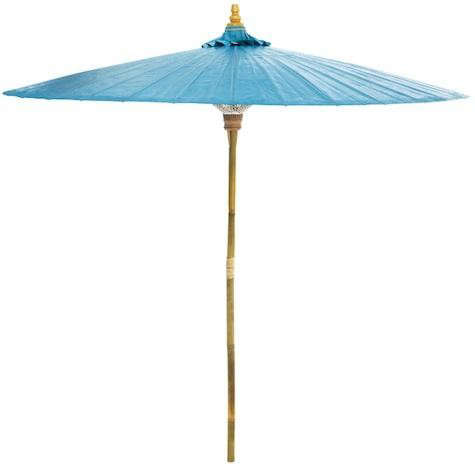
A bamboo parasol stand is one of those outdoor pieces that looks simple until you realize it has two very serious jobs: holding shade above your head and not turning into a tiny backyard catapult when the wind gets dramatic. It brings together natural style, practical stability, and that breezy resort feeling people try to recreate with patio chairs, iced tea, and unrealistic expectations about mosquitoes.
Whether you are styling a small balcony, a poolside lounge, a garden café corner, or a cozy patio dining area, the right bamboo parasol stand can make your outdoor space feel warmer, softer, and more intentional. Bamboo adds texture without shouting. It pairs beautifully with rattan, teak, stone, linen, terracotta, canvas, and modern metal furniture. In other words, it is the friendly guest at the design party who gets along with everyone.
What Is a Bamboo Parasol Stand?
A bamboo parasol stand is a base or support system designed to hold a parasol, patio umbrella, or garden umbrella upright. Some designs use bamboo as the visible outer material, while others combine a bamboo sleeve, bamboo frame, or bamboo decorative casing with heavier internal materials such as concrete, resin, metal, stone, sand, or water-filled compartments.
This matters because bamboo itself is strong for its weight, but a parasol stand must be heavy enough to resist tipping. The best bamboo parasol stand is not just a pretty tube of nature-loving optimism. It needs weight, balance, a snug pole fit, weather-resistant construction, and smart placement.
Why Bamboo Works So Well Outdoors
Bamboo is technically a grass, but it behaves like a design superhero. It grows quickly, has an attractive natural grain, and offers an excellent strength-to-weight ratio. In furniture and outdoor décor, bamboo is valued because it feels warm, organic, and relaxed. It does not have the cold, industrial look of bare metal or the bulky feel of many plastic bases.
For a parasol stand, bamboo works best when used as a decorative, structural, or hybrid material. A stand may feature a bamboo exterior wrapped around a weighted core, a bamboo pole sleeve, or a handcrafted bamboo frame around a stable base. This allows homeowners to enjoy the natural look while still getting the secure foundation a shade umbrella requires.
Bamboo Parasol Stand vs. Regular Umbrella Base
A regular umbrella base is usually made from concrete, cast iron, resin, granite, steel, or plastic that can be filled with water or sand. These bases are practical, but not always charming. Some look like gym weights that got lost on the way to leg day.
A bamboo parasol stand adds visual softness. It can blend into tropical, coastal, bohemian, Japanese-inspired, Mediterranean, farmhouse, and modern organic patios. The main difference is aesthetic, but construction matters too. A bamboo-look stand should still perform like a proper umbrella base. If it is too light, too narrow, or too loose around the pole, it may look beautiful right up until a gust of wind gives it a personality crisis.
How Heavy Should a Bamboo Parasol Stand Be?
Weight is the most important factor when choosing any parasol stand. A small 6- to 7-foot umbrella generally needs less base weight than a 9- or 10-foot market umbrella. Larger umbrellas, freestanding umbrellas, and cantilever umbrellas require significantly heavier support.
As a practical rule, a 6- to 7-foot parasol may work with a base in the 20- to 30-pound range when conditions are calm and the umbrella is used through a table. A 7.5- to 10-foot umbrella often needs 40 to 50 pounds or more when supported by a patio table. Freestanding umbrellas usually require more weight, and cantilever styles may require 100 pounds, 150 pounds, or even more depending on the manufacturer’s instructions.
The safest answer is always this: follow the umbrella manufacturer’s base requirements. The prettier answer is: choose a bamboo parasol stand that looks like vacation but behaves like it has read the safety manual.
Best Places to Use a Bamboo Parasol Stand
1. Patio Dining Areas
A bamboo parasol stand works beautifully under or beside a patio dining table. If the table has an umbrella hole, the table itself adds lateral support, helping keep the pole steadier. This setup is ideal for weekend brunch, outdoor dinners, and pretending your backyard is a small café in Santa Barbara.
2. Poolside Lounges
Bamboo naturally complements pool furniture, especially white cushions, woven loungers, and pale stone pavers. For poolside use, choose a stand with a weather-resistant finish and enough weight to handle open exposure. Water, sun, and wind are a demanding trio, basically the outdoor version of a group project.
3. Garden Corners
In a garden setting, bamboo feels right at home. Pair the stand with clay pots, leafy plants, gravel paths, and a canvas parasol in cream, sage, rust, or navy. It creates a shaded reading spot without making the garden look overly engineered.
4. Balcony Spaces
For balconies, compact bamboo parasol stands can add shade without overwhelming the floor plan. However, wind exposure is usually stronger on balconies, so weight and secure placement become even more important. Avoid using a large parasol on a high balcony unless the stand and railing conditions are appropriate.
Choosing the Right Bamboo Parasol Stand
Check the Pole Diameter
Before falling in love with a stand, measure the parasol pole. Many patio umbrellas use poles around 1.5 inches in diameter, but sizes vary. A good stand should include a tightening knob, adapter rings, or a sleeve that fits the pole snugly. If the pole wobbles, the whole setup becomes less stable.
Look for a Weighted Core
The strongest bamboo parasol stands usually hide their muscle. A bamboo exterior may surround concrete, stone, cement, or a fillable base. This gives the stand enough mass while keeping the visible design natural and elegant.
Choose Weather-Resistant Finishes
Outdoor bamboo needs protection from prolonged moisture and harsh sun. Look for sealed, oiled, treated, or laminated bamboo. A protective finish helps reduce cracking, fading, swelling, and mildew. Untreated bamboo can still be beautiful, but it needs more care and should not be left exposed to rain for long periods.
Consider Mobility
Some stands include wheels, handles, or modular weights. This is helpful if you move shade throughout the day. Just remember: if a base is easy for you to move, it may also be easier for wind to move. Convenience is wonderful, but physics remains undefeated.
Design Ideas for a Stylish Outdoor Setup
A bamboo parasol stand can be the quiet anchor of an outdoor design. For a coastal look, pair it with a white or navy umbrella, striped cushions, and light wood furniture. For a boho patio, choose a fringed parasol, layered outdoor rugs, lanterns, and woven seating. For a minimalist garden, use a plain cream canopy with clean-lined bamboo furniture and oversized planters.
Color coordination matters. Natural bamboo works best with earthy tones such as sand, olive, charcoal, terracotta, ivory, tan, and muted blue. If your patio already has black metal furniture, a bamboo stand can soften the look. If your space has wood furniture, bamboo can create a cohesive natural palette without making everything match too perfectly.
How to Maintain a Bamboo Parasol Stand
Bamboo is low-maintenance, but it is not no-maintenance. Clean the stand regularly with a damp cloth and mild soap when needed. Avoid pressure washers, harsh chemicals, and soaking the bamboo. After cleaning, dry it with a soft cloth so moisture does not sit on the surface.
Once or twice a year, inspect the bamboo for cracks, fading, mildew, or rough spots. A light sanding followed by outdoor wood oil or bamboo-safe sealant can refresh the finish. If your stand is exposed to frequent rain, consider storing it under cover during wet seasons. A breathable cover can help, but avoid trapping moisture underneath plastic for long periods.
Safety Tips: Because Wind Has No Manners
The biggest mistake people make with parasols is leaving them open when they are not being used. Even a calm day can turn breezy. Close the parasol when you leave the area, at night, or whenever wind picks up. Use the tie strap if the umbrella has one.
Always place the stand on level ground. Uneven stone, sloped decking, or loose gravel can reduce stability. Make sure the pole is fully inserted and tightened. For larger parasols, use the recommended base weight, not the “it seems fine” method, which is how patio umbrellas begin their brief aviation careers.
If storms are expected, remove the parasol from the stand and store it indoors or in a protected area. The stand may be heavy, but the canopy can catch wind like a sail. A bamboo parasol stand is designed for shade, not extreme weather drama.
DIY Bamboo Parasol Stand Ideas
A DIY bamboo parasol stand can be a rewarding project for homeowners who enjoy custom outdoor décor. One popular method is to use a heavy planter as the base. Place a sturdy metal or PVC pipe vertically in the center, fill the planter with concrete or compacted gravel, and finish the top with decorative stones. Bamboo panels or split bamboo can then be wrapped around the outside for a natural look.
Another idea is to build a square wooden box, add a weighted insert, and clad the exterior with bamboo slats. This creates a clean, furniture-style base that can double as a side table if the top is designed carefully. For safety, the internal pole sleeve must remain straight, strong, and firmly anchored.
DIY projects should focus on stability first and appearance second. A beautiful stand that tips over is not a design feature. It is a warning from the universe.
Common Mistakes to Avoid
Do not choose a bamboo parasol stand based on looks alone. A lightweight decorative stand may be fine for indoor styling or a tiny paper parasol, but outdoor patio umbrellas need real support. Also avoid mismatched pole sizes. If the pole is too small for the sleeve, wobbling can damage both the stand and the umbrella.
Another common mistake is leaving bamboo directly on wet ground. If possible, choose a stand with small feet, a raised bottom, or a sealed underside. This helps prevent moisture from being absorbed into the bamboo. Finally, do not assume that all bamboo finishes are outdoor-rated. Indoor bamboo décor may not survive a season of sun and rain.
Buying Checklist
Before purchasing a bamboo parasol stand, confirm the umbrella size, pole diameter, base weight, material construction, finish quality, and intended use. Ask whether it is suitable for freestanding use or only for use with a table. Check whether the bamboo is sealed or treated. Look for tightening hardware that feels sturdy, not flimsy.
If the parasol is large, choose a stand with a wide footprint. A narrow base may weigh enough on paper but still feel unstable if the umbrella canopy catches wind. Balance matters as much as weight. Think of it like wearing high heels on grass: technically possible, rarely wise.
Real-Life Experience With a Bamboo Parasol Stand
The first time I used a bamboo parasol stand on a patio, I underestimated how much it would change the space. The patio already had a table, chairs, planters, and string lights, but something felt unfinished. The umbrella provided shade, of course, but the bamboo stand made the entire corner feel warmer and more relaxed. It turned a practical setup into a place where people actually wanted to sit.
The biggest lesson came during a breezy afternoon. The parasol was open, the stand was placed through a table, and everything seemed stable. Then a sudden gust pushed the canopy just enough to make the pole shift. Nothing fell, but the little wobble was enough to make everyone pause mid-conversation. That was the moment I learned that “heavy enough” is not a feeling. It is a specification.
After that, I checked the umbrella manufacturer’s base recommendation and upgraded to a heavier bamboo-look base with a concrete core. The difference was immediate. The pole sat tighter, the stand felt more grounded, and the whole patio became more comfortable because nobody was secretly watching the umbrella like it owed them money.
Maintenance also turned out to be easier than expected. A quick wipe every couple of weeks kept dust and pollen from building up. At the end of summer, I cleaned the bamboo with mild soap, let it dry completely, and applied a small amount of outdoor wood oil. The color deepened slightly, and the surface looked refreshed. It was not difficult, but it did require remembering that natural materials appreciate attention. Bamboo is charming, not magical.
One practical trick is to place the stand where it supports the flow of the patio rather than blocks it. In a small space, a round base can be easier to move around, while a square base can tuck neatly beside furniture. If you use the parasol for dining, center it carefully so the shade covers chairs during the hottest part of the day. Shade that misses the seat by six inches is surprisingly annoying. It is like the sun is being sarcastic.
Another experience-based tip: choose the canopy and stand together. A natural bamboo stand looks wonderful with a cream canvas parasol, but it can also handle bolder colors if the rest of the patio supports them. A striped umbrella creates a vacation mood. A solid olive or charcoal canopy feels more modern. A white canopy looks fresh but may need more cleaning in dusty areas.
The best part of owning a bamboo parasol stand is that it makes shade feel intentional. It is not just a base holding an umbrella. It becomes part of the outdoor room. It says, “Yes, we planned this,” even if the plan was mostly moving furniture around until something finally looked right.
Conclusion
A bamboo parasol stand is a smart choice for anyone who wants outdoor shade with natural style. It brings warmth, texture, and personality to patios, balconies, gardens, pool decks, and outdoor dining spaces. The key is to choose one that balances beauty with stability. Look for the right weight, a secure pole fit, weather-resistant bamboo, and construction that matches your umbrella size.
With proper care, a bamboo parasol stand can remain attractive season after season. Clean it gently, protect it from constant moisture, refresh the finish when needed, and close the parasol when wind appears. Do that, and your outdoor space gets all the charm of bamboo without the slapstick comedy of a runaway umbrella.
Note: This HTML article is original, rewritten in standard American English, and prepared for web publishing without source-link placeholders.