Copper is essential to human health. It helps enzymes produce energy, supports connective tissue, and contributes to normal nervous and immune system function. In other word.
Copper toxicity, also called copper poisoning or copper overload, occurs when exposure exceeds the body’s ability to absorb, bind, store, and eliminate the metal safely. Most people in the United States obtain an appropriate amount from food, and true copper toxicity is uncommon. When it does occur, however, it can range from sudden nausea and vomiting to severe damage involving the liver, kidneys, blood, brain, and cardiovascular system.
guide explains the symptoms of acute and chronic copper toxicity, the most common exposure routes, how clinicians diagnose the problem, and which treatments may be used. It also covers practical lessons from real-world exposure patternswithout suggesting that anyone should attempt a home “detox,” because the kitchen is not an intensive care unit.
What is copper toxicity?
Copper toxicity develops when too much biologically available copper circulates in the body or accumulates in tissues. Excess copper can promote oxidative stress, damage cell membranes and mitochondria, irritate the gastrointestinal tract, and interfere with the function of major organs.
condition is usually divided into two broad forms:
- Acute copper poisoning follows a large exposure over a short period, such as swallowing a copper-containing chemical or consuming heavily contaminated food or water.
- Chronic copper toxicity develops through repeated exposure, excessive supplementation, impaired copper handling, or an inherited disorder such as Wilson disease.
For context, the recommended dietary allowance for most adults is 900 micrograms per day, while the tolerable upper intake level for healthy adults is 10,000 micrograms, or 10 milligrams, per day from all sources. That upper limit is a general nutrition benchmark, not a target and not an emergency-poisoning cutoff. Individual risk depends on the chemical form, dose, exposure duration, age, liver health, and genetic susceptibility.
Common causes and sources of copper exposure
Drinking water and household plumbing
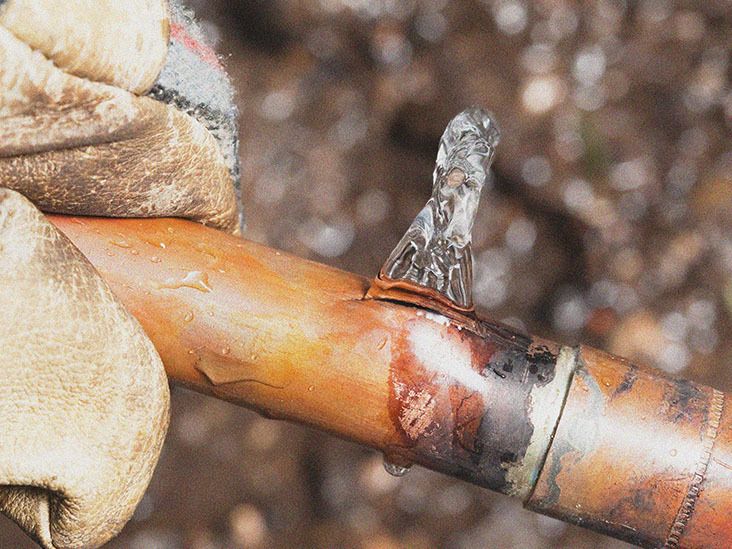
Copper can enter tap water when corrosive water leaches metal from copper pipes, fittings, or fixtures. Water that has remained in plumbing for several hours may contain more copper than freshly drawn water.
The U.S. Environmental Protection Agency uses an action level of 1.3 milligrams per liter for copper in public water-system tap monitoring. This regulatory level triggers corrosion-control actions when exceeded under specified sampling conditions; it is not a blood-test value or a stand-alone diagnosis of poisoning.
tary supplements
Copper appears in multivitamins, mineral blends, “energy” products, and single-ingredient supplements. Problems can arise when a person combines several products without adding the totals. A multivitamin, a hair-and-nails formula, and a separate mineral capsule may look like three wellness choices but behave like one arithmetic problem. Some copper supplements contain amounts several times higher than the daily value. Taking a high-dose product is especially concerning when it is combined with fortified foods, additional supplements, liver disease, or an unrecognized disorder of copper metabolism. ustrial, agricultural, and hobby products
Copper sulfate is used in some fungicides, algaecides, root-control products, laboratory chemicals, and industrial processes. Occupational inhalation of copper dust or fumes may irritate the eyes, nose, throat, and lungs. Accidental ingestion is especially dangerous because concentrated copper salts can be corrosive and systemically toxic. d preparation and decorative products
Acidic foods or beverages can dissolve copper from improperly lined copper containers. Nonfood decorative powders, metallic pigments, and craft products should never be assumed edible simply because they are placed near food. Poisoning investigations have involved metallic cake decorations that looked festive but were not formulated for consumption. In one reported case, a child developed vomiting and elevated blood copper after eating frosting decorated with a copper-containing metallic dust. son disease and impaired copper metabolism
Wilson disease is an inherited disorder caused by changes in the ATP7B gene. The body cannot eliminate extra copper normally through bile, so copper accumulates in the liver, brain, eyes, and other organs. Symptoms may not appear until substantial buildup has occurred. Wilson disease is not the same as ordinary dietary excess. It can cause life-threatening organ damage without treatment and generally requires lifelong medical management. The presentation depends on whether exposure is sudden or prolonged. Early symptoms are often nonspecific, which is why the exposure history matters so much. Gastrointestinal symptoms commonly appear first because the stomach and intestines meet the copper before the rest of the body does. Persistent vomiting can also cause dehydration, electrolyte disturbances, and low blood pressure. ns of severe systemic toxicity
After a major exposure, copper can enter the bloodstream and damage red blood cells, liver tissue, and kidneys. Warning signs may include: Severe copper sulfate poisoning has been associated with destruction of red blood cells, methemoglobinemia, acute hepatitis, kidney failure, muscle breakdown, cardiovascular instability, and multiple-organ failure. onic copper overload symptoms
Long-term toxicity may produce recurring abdominal discomfort, nausea, diarrhea, fatigue, and abnormal liver-test results. With ongoing liver injury, a person may develop jaundice, easy bruising, fluid buildup, or other signs of chronic liver disease. When Wilson disease is responsible, neurological and psychiatric symptoms can become prominent. These may include tremor, stiff or slow movement, difficulty speaking or swallowing, poor coordination, personality changes, depression, irritability, or cognitive problems. Some patients develop Kayser-Fleischer rings, copper-colored deposits around the cornea that can be detected during a specialized eye examination. Seek emergency help immediately after a known or suspected ingestion of copper sulfate, concentrated copper chemicals, or an unknown metallic product. Do not wait for dramatic symptoms. In the United States, contact Poison Control at 1-800-222-1222 for immediate, case-specific guidance. Call 911 if the person collapses, has a seizure, cannot breathe normally, or cannot be awakened. nt evaluation is also warranted for repeated vomiting, bloody vomit, severe abdominal pain, jaundice, dark urine, confusion, breathing difficulty, fainting, or markedly reduced urination. Do not induce vomiting. Do not attempt to neutralize the substance with vinegar, baking soda, milk, lemon juice, or an internet recipe featuring the word “cleanse.” Keep the product container or label available so poison specialists can identify the ingredients and concentration. No single test answers every copper question. Clinicians combine the exposure history, symptoms, physical examination, and laboratory findings. Important details include the product name, chemical form, estimated amount, time of exposure, route of exposure, workplace tasks, supplement doses, water source, plumbing history, and whether other people became ill. Photos of labels and safety data sheets can be more helpful than a heroic attempt to remember a twelve-syllable chemical name. Testing may include a complete blood count; electrolytes; kidney and liver panels; urinalysis; blood-clotting studies; and markers of red-cell destruction such as bilirubin, lactate dehydrogenase, and haptoglobin. Clinicians may also measure serum copper, although results must be interpreted carefully because most circulating copper is bound to ceruloplasmin. Copper and ceruloplasmin levels can also be affected by inflammation, liver injury, pregnancy, nutritional status, and other conditions. evere cases, doctors may check arterial or venous blood gases, methemoglobin levels, heart rhythm, blood pressure, and urine output. Imaging or endoscopy may be considered when corrosive gastrointestinal injury is suspected. An evaluation for Wilson disease can include serum ceruloplasmin, serum copper, a 24-hour urine copper measurement, a slit-lamp eye examination, liver testing, and ATP7B genetic testing. Sometimes a liver biopsy is used to measure hepatic copper or clarify the diagnosis. A normal-looking single result does not always rule out the disease, so interpretation belongs with a clinician experienced in liver or metabolic disorders. Treatment depends on the source, severity, timing, organ involvement, and whether the problem is acute poisoning or chronic copper accumulation. There is no universal home remedy. The first step is to remove the person from the source. A suspected supplement should be stopped pending medical advice. Contaminated water should not be consumed until it has been evaluated. Workplace exposure requires appropriate occupational-safety assessment, ventilation, respiratory protection, hygiene controls, and medical review. Acute poisoning treatment often centers on aggressive supportive care. This may include intravenous fluids, anti-nausea medication, correction of electrolyte and acid-base abnormalities, oxygen support, close monitoring of vital signs, and treatment of shock. Specialists manage hemolysis, methemoglobinemia, gastrointestinal burns, liver failure, kidney injury, and abnormal clotting as they arise. ents with acute kidney injury may need dialysis for renal support, although extracorporeal treatment does not automatically solve copper toxicity because copper distribution and protein binding are complex. Decisions about gastrointestinal decontamination are made case by case by emergency physicians and medical toxicologists. They should never be improvised at home. Chelating medicines bind copper and promote its removal, usually through urine. Agents used in selected cases include D-penicillamine and trientine. The choice depends on the clinical situation, and these drugs can cause important adverse effects involving the blood, kidneys, immune system, and nervous system. Prescription chelation requires laboratory monitoring and specialist supervision. Over-the-counter “chelation” or detox products are not substitutes for medical treatment. The U.S. Food and Drug Administration warns that unapproved chelation products can cause harm and delay effective care. atment of Wilson disease
Wilson disease generally requires lifelong therapy. Chelators such as penicillamine or trientine may be used to remove accumulated copper. Zinc can reduce intestinal copper absorption and may be used in certain patients for initial or maintenance therapy. Clinicians monitor symptoms, liver function, blood counts, urine copper, and other markers to balance effective copper removal against the risk of overtreatment and copper deficiency. ary copper restriction may be recommended early in treatment, especially for highly concentrated sources such as liver, shellfish, nuts, mushrooms, and chocolate. Diet alone does not treat Wilson disease. Acute liver failure or advanced, irreversible liver disease may require liver transplantation. A healthy person does not usually develop copper toxicity from ordinary foods. Unless a clinician has diagnosed Wilson disease or another copper-handling disorder, extreme low-copper dieting can create nutritional problems without solving the actual cause. The following are composite, educational scenarios based on exposure patterns described in medical and public-health reports. They are not individual patient histories and should not be used for self-diagnosis. A wellness-minded adult develops nausea, stomach cramps, and a persistent metallic taste after adding a “trace mineral” formula to an existing multivitamin and beauty supplement. Each bottle looks reasonable in isolation. Together, they provide far more copper than expected. The useful lesson is not that every bout of nausea equals copper poisoning; it is that supplement totals matter. Bringing every bottleor clear photos of the Supplement Facts panelsto a clinician prevents guesswork. It also helps identify other ingredients that may be responsible. The practical habit is simple: make one list containing the dose of every vitamin and mineral from every product before adding anything new. Check serving sizes carefully, because “two capsules per serving” has ruined many otherwise impressive attempts at label reading. A household notices that morning tap water has a metallic taste and sometimes leaves blue-green stains near a fixture. One family member reports abdominal discomfort that seems worse after drinking water first thing in the morning. These clues do not prove copper toxicity, but they justify checking the plumbing and obtaining certified water testing rather than buying a random countertop gadget and declaring victory. Water that sits overnight has more contact time with plumbing. Flushing the cold tap may reduce exposure while the cause is investigated, but a persistent problem may require corrosion control, fixture replacement, or professional plumbing and water-system guidance. When several household members have similar symptoms, the shared water and food supply deserve particular attention. A baker uses a shiny metallic dust labeled “nontoxic” on a dessert. Guests later develop vomiting and abdominal pain. “Nontoxic” is not the same as edible, and decorative craft products may contain metals even when their packaging looks cheerful enough to attend a birthday party. The experience-based rule is uncompromising: only use products explicitly labeled for edible use, with an ingredient list that supports that claim. A product intended for removable cake decorations is not necessarily suitable for direct application to food. When several people become ill after eating the same item, save the packaging, leftover food, receipts, and photographs. Contact poison specialists and local public-health authorities promptly instead of throwing away the evidence during an enthusiastic kitchen cleanup. symptoms that were blamed on stress
A younger person gradually develops tremor, clumsiness, mood changes, and abnormal liver tests. Because each symptom has many possible causes, the pattern is initially attributed to stress, diet, poor sleep, or spending too much time online. Persistent neurological symptoms combined with unexplained liver abnormalities, however, can warrant evaluation for Wilson diseaseespecially when symptoms begin in childhood, adolescence, or early adulthood. The broader lesson is that copper overload is not always an exposure story. Sometimes the body’s copper-transport system is the problem. After a confirmed Wilson disease diagnosis, siblings and other close relatives may also be advised to undergo evaluation because the condition is inherited. detox detour
A person with a questionable commercial heavy-metal test buys an over-the-counter chelation product and starts a highly restrictive diet. Symptoms worsen, yet formal evaluation is delayed because the product promises that feeling worse is evidence of “toxins leaving.” That claim is medically unreliable and potentially dangerous. Chelation can alter essential mineral levels, stress the kidneys, cause serious reactions, and obscure the real diagnosis. Commercial hair tests and wellness panels may also be difficult to interpret when they are not ordered for a specific clinical reason. The better experience is less dramatic: verify the suspected exposure with appropriate clinical testing, identify the source, and use prescription treatment only when the expected benefit outweighs the risk. recurring lessons
Across these scenarios, the pattern is practical rather than glamorous: document the exposure, keep labels and containers, avoid home chemistry experiments, seek expert guidance early, and treat the underlying source. Copper toxicity is uncommon, but fast recognition matters when it occurs. A metallic taste and an upset stomach may have a harmless explanation, yet those symptoms deserve urgent attention when they follow a known chemical exposure or appear with jaundice, dark urine, confusion, reduced urination, or severe weakness. Copper is a necessary nutrient with a narrow public-relations problem: it is beneficial in ordinary amounts and potentially destructive in excess. Acute copper poisoning often begins with metallic taste, vomiting, diarrhea, and abdominal pain, but severe cases can progress to hemolysis, kidney injury, liver failure, shock, and neurological symptoms. Chronic copper accumulation may result from ongoing environmental exposure, excessive supplements, liver dysfunction, or Wilson disease. Because symptoms overlap with many other conditions, diagnosis usually requires more than a single copper measurement. The safest response is not a detox plan. Stop the suspected exposure, contact Poison Control or emergency services when appropriate, and obtain medical evaluation. Diagnosis may require blood and urine studies, organ-function testing, and specialized Wilson disease testing. Treatment ranges from supportive care and exposure control to prescription chelation, zinc therapy for selected Wilson disease cases, and liver transplantation for catastrophic liver failure. Note: This article is for general education and is not a substitute for diagnosis or treatment by a licensed healthcare professional. Suspected poisoning requires immediate expert guidance.Copper toxicity symptoms
Early symptoms of acute copper poisoning
When copper exposure is an emergency
How copper toxicity is diagnosed
Exposure history
Blood and urine testing
Testing for Wilson disease
Copper toxicity treatment
Stop the exposure
Supportive hospital care
Chelation therapy
Can copper toxicity be prevented?
Experiences and practical lessons from copper-toxicity scenarios
The supplement stack that looked harmless
The first glass from the kitchen faucet
The “food-safe” decoration that was not food
Conclusion