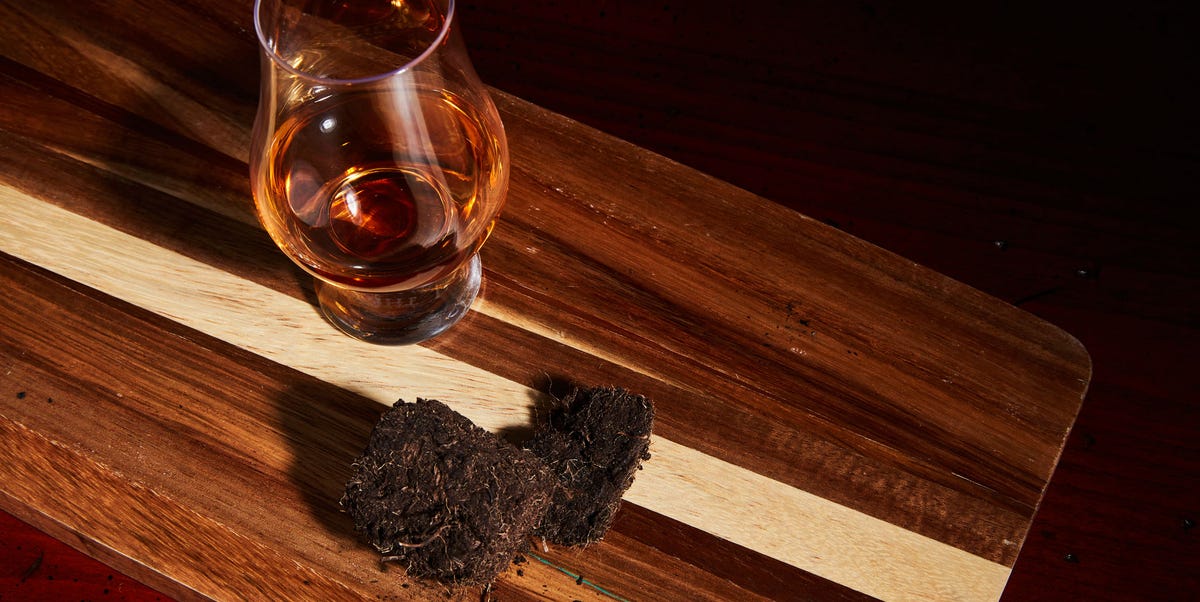
Note: This article is written for adults of legal drinking age in the United States, where the minimum legal drinking age is 21. It is intended as an informational guide to Scotch culture, terminology, safety, etiquette, and appreciationnot as encouragement for underage drinking or excessive alcohol use.
Introduction: Scotch Without the Snobbery
Scotch has a reputation. It sits on shelves looking serious, wears labels that sound like ancient castles, and somehow makes people whisper words like “peat,” “cask,” and “finish” as if they are decoding a treasure map. For many beginners, Scotch can feel less like a drink and more like a final exam in a mahogany-paneled room.
The truth is much friendlier. Scotch whisky is simply whisky made in Scotland under specific rules, shaped by grain, water, yeast, distillation, oak aging, and regional tradition. Learning about Scotch does not require a velvet smoking jacket, a library ladder, or the ability to pronounce every distillery name perfectly. It only requires curiosity, patience, and respect for the fact that alcohol is an adult product with real health and safety considerations.
This guide explains how adults talk about Scotch, what the major Scotch styles mean, how to read a label, why glassware and aroma matter in tasting culture, and how responsible enjoyment fits into the bigger picture. Think of it as Scotch 101 with the pretension poured down the drain.
What Is Scotch?
Scotch is whisky produced in Scotland according to strict production standards. It is made from cereals, water, and yeast, then matured in oak casks. The result can range from light and floral to rich and smoky, depending on ingredients, distillation style, cask type, maturation time, and blending decisions.
One of the biggest beginner mistakes is assuming all Scotch tastes the same. It does not. Some bottles lean fruity and honeyed. Others feel coastal, smoky, spicy, creamy, or dry. Scotch is not one flavor; it is a whole neighborhood of flavors, and some houses in that neighborhood have peat smoke coming out of the chimney.
The Main Types of Scotch Whisky
Single Malt Scotch
Single malt Scotch is made from malted barley at one distillery. The word “single” does not mean it came from one barrel. It means the whisky comes from one distillery. A single malt may still combine whisky from multiple casks to create a consistent flavor profile.
Single Grain Scotch
Single grain Scotch is also made at one distillery, but it can include grains beyond malted barley. It is often lighter in character and frequently used as an important component in blended Scotch.
Blended Scotch
Blended Scotch combines malt whisky and grain whisky from different distilleries. Some beginners assume blends are automatically “less serious,” but that is unfair. Blending is a skill. A good blender balances aroma, texture, body, sweetness, spice, and finish like a conductor managing a very opinionated orchestra.
Blended Malt Scotch
Blended malt Scotch contains malt whiskies from more than one distillery, without grain whisky. This category can offer complexity and variety while still staying focused on malt character.
How Adults Read a Scotch Label
A Scotch label can look intimidating, but it usually gives several useful clues. The age statement, if present, refers to the youngest whisky in the bottle. A 12-year-old Scotch may include older whisky, but every drop must be at least 12 years old. No-age-statement Scotch, often called NAS, does not mean low quality. It simply means the producer chose not to market the whisky by age.
Alcohol by volume, or ABV, tells you the strength. Many Scotch whiskies are bottled around 40% to 46% ABV, while cask-strength releases may be higher. Higher ABV does not automatically mean better; it means more concentrated alcohol, which changes aroma, intensity, and mouthfeel.
Other label terms may mention cask types, such as bourbon barrels, sherry casks, port pipes, or wine casks. These barrels can influence flavor, adding notes that adult tasters often describe as vanilla, dried fruit, spice, chocolate, citrus, oak, or nuts.
Scotch Regions: Helpful, but Not Absolute
Scotch is often discussed by region: Speyside, Highland, Lowland, Islay, Campbeltown, and Islands. These regions can provide helpful expectations, but they are not ironclad flavor laws.
Speyside whiskies are often described as fruity, elegant, and approachable. Highland Scotch can be broad and varied, from rich and malty to coastal and dry. Lowland whisky is commonly associated with lighter, grassy, or floral profiles. Islay is famous for smoky, peated Scotch, though not every Islay whisky is a campfire in a bottle. Campbeltown can be briny, oily, complex, and distinctive. Island whiskies vary widely depending on distillery and production choices.
Use regions as a map, not a prison. A map helps you travel; it does not tell you what every sandwich in town tastes like.
Understanding Scotch Aromas and Tasting Language
Scotch culture often focuses on aroma because smell plays a major role in flavor perception. Adult tasters may describe aromas such as apple, pear, honey, vanilla, sea salt, smoke, leather, raisin, heather, pepper, caramel, toasted oak, or citrus peel. These words are not magic spells. They are reference points.
Beginners sometimes worry that they are “wrong” if they do not detect the same notes as someone else. That worry should be retired immediately. People experience aroma differently. Your background, food memories, sensitivity, and expectations all shape what you notice. One person says “baked apple.” Another says “grandma’s kitchen.” A third says “expensive cereal.” Nobody needs to call security.
Responsible Scotch Appreciation for Adults
Because Scotch is a distilled spirit, responsible use matters. In the United States, a standard drink of distilled spirits is generally defined as 1.5 fluid ounces at 40% ABV. However, many Scotch pours and many bottles can vary in strength, so adults should pay attention to serving size and ABV rather than guessing.
Responsible appreciation also means avoiding drinking before driving, not mixing alcohol with situations that require focus or coordination, and understanding that lower consumption reduces alcohol-related health risks. Alcohol affects judgment, reaction time, sleep, mood, and long-term health. Scotch may have heritage and craftsmanship, but it is still alcoholnot a personality upgrade, not a stress cure, and definitely not a substitute for water, food, or common sense.
Food Pairing Ideas in Scotch Culture
Food pairing is a common part of adult Scotch education. Rich, smoky Scotch is often discussed alongside savory foods, aged cheeses, dark chocolate, roasted nuts, grilled flavors, or smoked fish. Lighter Scotch may be associated with fruit, mild cheese, shortbread, vanilla desserts, or seafood. These pairings are about contrast and balance: sweetness can soften spice, salt can highlight fruit, and fat can round out intensity.
The goal is not to create a fancy ceremony where everyone pretends to understand “mineral tension.” The goal is simply to notice how aroma, texture, sweetness, salt, and smoke interact. Food can make Scotch less mysterious by giving the palate something familiar to compare.
Common Scotch Myths
Myth 1: Older Scotch Is Always Better
Age matters, but it is not the only measure of quality. Cask quality, distillery character, blending skill, storage conditions, and bottling strength all influence the final result. An older Scotch can be elegant and complex, but it can also become overly woody if the cask dominates the spirit.
Myth 2: Single Malt Is Always Better Than Blended Scotch
Single malt gets plenty of attention, but blended Scotch is not automatically inferior. Some blends are designed for consistency and balance, while others aim for complexity and premium character. The better question is not “single malt or blend?” but “what style fits the occasion and preference?”
Myth 3: Scotch Must Be Expensive to Be Worth Understanding
Price can reflect age, rarity, brand reputation, cask selection, packaging, taxes, or limited supply. It does not always equal enjoyment. Many adults begin learning about Scotch through accessible bottles, tastings, educational events, or small samples rather than chasing rare releases like whisky treasure hunters with credit cards.
How to Choose a Scotch Topic for a Beginner-Friendly Conversation
If you are writing about Scotch, selling Scotch-related content, or building a beginner guide for adults, start with approachable questions. What is Scotch? What do the label terms mean? Why do some bottles taste smoky? What is the difference between single malt and blended Scotch? What does age mean? What foods are commonly paired with Scotch? These questions are practical without turning the topic into a pressure-filled drinking manual.
Good Scotch content should reduce confusion, not increase it. Avoid making readers feel uncultured because they do not know the difference between a refill hogshead and a first-fill sherry butt. Education works best when it opens the door politely instead of guarding it with a monocle.
Scotch Etiquette: Respect Without Theater
Scotch etiquette is mostly about respect: respect for the people around you, the setting, the legal age limit, the craft behind the bottle, and your own limits. Adults discussing Scotch should feel free to ask questions. Nobody is born knowing what “peated malt” means. Even experts were beginners once, though some of them conveniently forget this after buying their third tasting notebook.
At a formal tasting, people may compare color, aroma, texture, flavor, and finish. In a casual setting, the conversation may be much simpler. Both are valid. Scotch appreciation does not require a performance. If the atmosphere becomes more about showing off than learning, someone has mistaken whisky for a vocabulary contest.
Buying Scotch-Related Gifts Without Guessing Wildly
For adults buying Scotch-related gifts, accessories can be safer than guessing a bottle. Useful options may include a quality tasting glass, a whisky journal, books about Scotch history, a distillery map, or food pairing items. If buying an actual bottle for an adult, it helps to know whether they prefer smoky, sweet, fruity, spicy, or mellow styles.
Gift shopping becomes easier when you avoid the phrase “I heard expensive means good.” That sentence has caused many wallets to suffer unnecessary emotional damage.
Experiences Related to Scotch Culture
One of the most interesting parts of Scotch is that it can be understood as a cultural experience, not only as a beverage. Distilleries are often tied to landscape, weather, local water sources, barley traditions, copper still design, oak casks, and generations of craft. Even without drinking, a person can learn a surprising amount from the language, history, and rituals surrounding Scotch.
Imagine visiting a distillery as an adult traveler. The first thing you might notice is the smell: grain, wood, yeast, damp stone, warm copper, and sometimes a faint smoky note drifting through the air. The equipment looks part science lab, part old-world bakery, part steampunk cathedral. Mash tuns, washbacks, stills, spirit safes, and warehouses all have specific jobs. Together, they turn simple ingredients into a spirit that may rest in oak for years before anyone opens a bottle.
The warehouse experience is especially memorable. Rows of casks sit quietly, doing slow, invisible work. The air can smell like oak, vanilla, dried fruit, and alcohol vapor. Guides often talk about the “angel’s share,” the portion lost to evaporation during maturation. It is one of the more poetic phrases in spirits culture, and also a reminder that barrels are not sealed time machines. They breathe, change, and interact with their surroundings.
Another experience related to Scotch is learning the vocabulary. At first, tasting notes may sound exaggerated. Someone says they smell “pear, sea spray, toasted almond, and old leather,” and you may wonder whether they are describing whisky or a pirate’s handbag. But over time, the vocabulary becomes less silly. It gives people a shared way to discuss memory and sensation. Scotch language is not perfect, but it is useful when it stays humble.
Food events can also make Scotch culture easier to understand. A chef or educator may explain why smoky flavors pair with rich foods, why sweetness can balance salt, or why texture matters. These experiences are often less intimidating than formal tastings because food gives everyone something familiar to discuss. Even people who are new to Scotch can understand the difference between creamy, salty, sweet, bitter, and smoky.
For writers, Scotch offers strong storytelling material. There is geography, science, law, tradition, branding, agriculture, aging, craft, and consumer psychology all wrapped into one subject. A good Scotch article can explain production without sounding like a textbook, discuss safety without sounding like a lecture, and explore flavor without acting like readers need a secret handshake.
The best Scotch-related experiences are not about proving sophistication. They are about curiosity. Why does oak matter? Why do some bottles taste smoky? Why do labels mention age? Why do regions develop reputations? Why are blends sometimes underrated? When those questions lead the conversation, Scotch becomes less of a status symbol and more of a fascinating cultural product.
And that may be the healthiest way to approach the subject: with respect, legal responsibility, and a sense of humor. Scotch has survived centuries of history. It can survive beginners asking normal questions.
Conclusion: Scotch Is Best Understood Slowly, Safely, and Legally
Learning how to drink Scotch, in an adult and responsible sense, really means learning how to understand Scotch. It means knowing the difference between single malt and blended Scotch, recognizing that age is only one factor, reading labels with confidence, respecting legal drinking rules, and remembering that alcohol carries real risks.
Scotch does not need to be intimidating. It also does not need to be treated casually. The best approach is informed, moderate, legal, and curious. Whether someone is reading about distilleries, comparing regions, studying food pairings, or exploring whisky history, the goal should be appreciationnot pressure, excess, or performance.