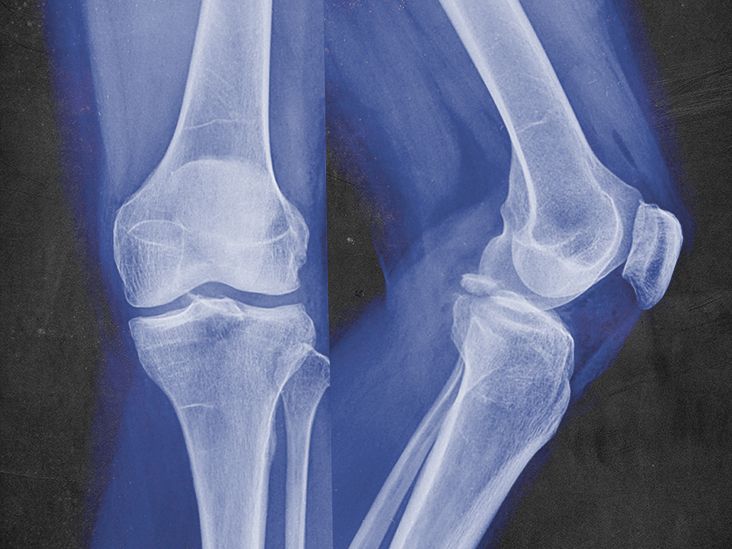
An avulsion fracture sounds like the name of a complicated action-movie injury, but the basic idea is surprisingly simple: a tendon or ligament pulls so forcefully on a bone that it takes a small piece of the bone along for the ride.
These fractures commonly occur during sports, falls, sudden twisting movements, or explosive actions such as sprinting and jumping. They are especially common in growing children and teenagers because developing areas of bone may be more vulnerable than the attached tendon or ligament.
What Is an Avulsion Fracture?
An avulsion fracture occurs when a tendon or ligament pulls a fragment away from the main bone. Tendons connect muscles to bones, while ligaments connect bones to other bones and help stabilize joints. When either structure is stretched suddenly or forcefully, the attachment may remain intact while the nearby bone breaks.
Imagine tugging a strong piece of tape from a fragile cardboard box. Instead of the tape tearing, it may peel away a bit of cardboard. In an avulsion fracture, the tendon or ligament is the tape, and the bone fragment is the unfortunate piece of cardboard.
The fragment may remain close to its original position, known as a nondisplaced fracture, or it may be pulled away, creating a displaced fracture. The fragment’s size, location, displacement, and effect on joint stability determine how the injury should be treated.
Evidence:
Common Types of Avulsion Fractures
Avulsion fractures can occur almost anywhere a ligament or tendon attaches to bone. However, certain locations are particularly vulnerable.
Ankle and Foot Avulsion Fractures
Ankle avulsion fractures often happen during a twisting injury that initially feels like a severe ankle sprain. A ligament may pull a small piece from the fibula or another ankle bone.
The base of the fifth metatarsal, located along the outer edge of the foot near the little toe, is another common site. The attached tendon may pull off a small fragment when the ankle suddenly rolls inward. This injury is sometimes called a dancer’s fracture, although owning ballet shoes is certainly not required.
Pelvic and Hip Avulsion Fractures
Pelvic avulsion fractures are most common in adolescent athletes. Sprinting, kicking, jumping, and rapidly changing direction can produce a powerful muscle contraction that pulls on an incompletely developed area of pelvic bone.
These injuries often involve attachment points for the hamstrings, hip flexors, or thigh muscles. Soccer players, runners, gymnasts, football players, and dancers may be at higher risk.
Finger Avulsion Fractures
A finger avulsion fracture may occur when a ball strikes the fingertip, another player grabs a finger, or the finger bends forcefully in the wrong direction.
Mallet finger can involve the tendon pulling a fragment from the back of the fingertip. Jersey finger affects the flexor tendon on the palm side and may happen when an athlete grabs another player’s clothing while the finger is forcibly straightened.
Knee Avulsion Fractures
In children and teenagers, the anterior cruciate ligament may pull a fragment from the tibial spine rather than tearing through the ligament itself. The patellar tendon can also pull on the tibial tubercle below the kneecap, particularly during jumping sports.
Elbow and Shoulder Avulsion Fractures
Throwing, falling on an outstretched arm, or forcefully contracting an arm muscle can create an avulsion injury near the elbow or shoulder. Young baseball players and other overhead athletes may be vulnerable when repetitive pulling stresses developing bone.
Evidence:
What Causes an Avulsion Fracture?
The immediate cause is usually excessive pulling force at the point where a tendon or ligament attaches to bone. Common situations include:
- Sudden acceleration during sprinting
- Forceful kicking or jumping
- Rapid stopping or changing direction
- Twisting an ankle or knee
- Falling on an outstretched hand
- A direct collision during contact sports
- Forceful bending or straightening of a finger
- Repeated pulling stress from overtraining
In adults, an avulsion fracture is commonly caused by an acute accident or sports injury. In younger athletes, repeated stress can also irritate a growth plate or developing bone attachment until a fragment separates.
Less commonly, weakened bone may fracture under a force that healthy bone would tolerate. Osteoporosis, certain bone disorders, infection, tumors, or previous surgery can sometimes contribute. An avulsion fracture caused by modest force should therefore receive appropriate medical evaluation rather than being dismissed as “just a weird sprain.”
Evidence:
Symptoms of an Avulsion Fracture
Symptoms vary by location and severity, but an avulsion fracture commonly causes:
- Sudden, localized pain
- A popping or snapping sensation
- Swelling and bruising
- Tenderness directly over the injured bone
- Difficulty moving the nearby joint
- Weakness when contracting the attached muscle
- Pain while walking or bearing weight
- Reduced athletic performance
Some people can still move the injured area or walk after the fracture. That does not rule out a broken bone. Small avulsion fractures can masquerade as sprains, strains, or pulled muscles, particularly around the ankle, foot, hip, and fingers.
Pelvic avulsion injuries may produce pain in the hip, groin, buttock, or upper thigh. Finger injuries may cause an inability to straighten or bend the fingertip. Knee injuries may create swelling, instability, or an inability to lift the straightened leg.
How an Avulsion Fracture Is Diagnosed
A healthcare professional will ask how the injury happened, where the pain began, whether a pop was felt, and which movements make the symptoms worse. The examination may assess swelling, tenderness, strength, joint stability, circulation, sensation, and range of motion.
X-Rays
Standard X-rays can identify many avulsion fractures and show whether the fragment has moved. Images may be taken from several angles because a tiny fragment can be easy to miss from one direction.
MRI, CT, or Ultrasound
Magnetic resonance imaging may be ordered when the clinician suspects damage to a tendon, ligament, muscle, cartilage, or growth plate that is not fully visible on an X-ray. A CT scan can provide more detail about complex fractures or fragments involving a joint. Ultrasound may be helpful for selected tendon and muscle attachment injuries.
Follow-up imaging is sometimes needed. A fracture that was difficult to see immediately after the injury may become clearer as healing begins, and repeat X-rays can confirm that the fragment remains in an acceptable position.
Evidence:
Avulsion Fracture Treatment
Treatment depends on the injured bone, fragment size, degree of displacement, joint stability, age, activity level, and whether the tendon or ligament can still function normally.
Immediate Care
Until the injury is evaluated, protect the area and stop the activity that caused the pain. Ice wrapped in a thin cloth may be applied for approximately 15 to 20 minutes at a time. Elevating the injured limb can help limit swelling.
Avoid forcing the joint through painful movements or repeatedly “testing” whether it still hurts. The bone has already submitted its complaint in writing.
Immobilization
Many small, nondisplaced avulsion fractures heal without surgery. Depending on the location, treatment may include:
- A walking boot
- A cast
- A rigid or removable splint
- Buddy taping for selected finger injuries
- A brace
- Crutches and temporary weight-bearing restrictions
Immobilization protects the fragment while new bone forms. The exact duration varies, so a boot or splint should not be discarded merely because the area feels better after a few days.
Pain Relief
Acetaminophen or a nonsteroidal anti-inflammatory drug may be recommended for pain, depending on the patient’s health history and other medications. People with kidney disease, stomach ulcers, bleeding disorders, cardiovascular conditions, or medication interactions should ask a clinician before using anti-inflammatory medicine.
Physical Therapy
Once sufficient healing has occurred, rehabilitation may focus on restoring joint movement, flexibility, strength, coordination, balance, and sport-specific function. Therapy is usually progressive: gentle motion comes before heavy resistance, and basic balance comes before dramatic cutting maneuvers worthy of a highlight reel.
Surgery
Surgery is not required for most avulsion fractures, but it may be considered when:
- The bone fragment is large or significantly displaced
- The fracture extends into a joint
- The joint is unstable
- A tendon or ligament cannot function properly
- The fracture is open and the skin is broken
- Conservative treatment does not produce healing
- The injury threatens long-term movement or athletic function
The surgeon may reposition the fragment and secure it with screws, pins, plates, sutures, or anchors. Rehabilitation after surgery is individualized and may proceed more slowly to protect the repair.
Evidence:
How Long Does an Avulsion Fracture Take to Heal?
A small, uncomplicated avulsion fracture often achieves substantial bone healing in approximately six to eight weeks. However, “bone healing” and “complete recovery” are not identical.
Pain and swelling may improve before the bone has regained enough strength for running, jumping, lifting, or contact sports. Returning too soon can irritate the healing attachment or cause the fragment to move.
A general recovery pattern may look like this:
- First several days: Pain, swelling, bruising, and limited movement are often most noticeable.
- Weeks two through six: The fracture remains protected while symptoms gradually settle.
- Weeks six through twelve: Many patients begin more active rehabilitation after clinical or imaging evidence of healing.
- Three to four months: Some uncomplicated foot, ankle, or pelvic injuries may be ready for a graded return to sports.
- Several additional months: Larger, displaced, surgically repaired, or slow-healing fractures may require longer rehabilitation.
Recovery is influenced by the fracture’s location, displacement, blood supply, treatment, age, nutrition, nicotine use, medical conditions, and adherence to activity restrictions. Pediatric pelvic avulsion fractures can require anywhere from several weeks to several months before full athletic participation is appropriate.
A safe return to sports is usually based on function rather than a date circled enthusiastically on the calendar. The athlete should generally have little or no pain, near-normal motion, restored strength, good balance, and the ability to complete sport-specific drills without symptoms during or after activity.
Evidence:
Possible Complications
Most avulsion fractures heal well with appropriate treatment. Possible complications include:
- Delayed healing or nonunion
- Healing in an incorrect position, known as malunion
- Chronic pain or tenderness
- Joint stiffness
- Persistent muscle weakness
- Reduced athletic performance
- Nerve irritation
- Post-traumatic arthritis when a joint surface is involved
- Repeated injury after returning to activity too early
Large pelvic fragments may occasionally irritate nearby nerves or cause ongoing pain while sitting, running, or stretching the hamstrings. Finger fractures can lead to lasting deformity or reduced tendon function when the recommended splinting position is not maintained.
Evidence:
When to Seek Urgent Medical Attention
Seek prompt medical care after an injury involving severe localized bone pain, major swelling, loss of movement, or inability to bear weight. Emergency evaluation is particularly important when:
- Bone is visible or the skin has opened over the injury
- The limb or digit appears severely deformed
- The area below the injury becomes pale, blue, cold, numb, or weak
- Pain or swelling rapidly worsens
- The person cannot move the injured finger, arm, or leg
- There is uncontrollable bleeding
- Severe pain follows a high-energy fall, collision, or vehicle accident
During recovery, contact the treating clinician for fever, wound drainage, increasing redness, new numbness, worsening pain, unexpected swelling, or symptoms that are improving much more slowly than expected. Sudden calf pain, chest pain, or shortness of breath after immobilization requires urgent assessment.
Evidence:
Can Avulsion Fractures Be Prevented?
Not every accident is preventable, but several habits may lower the risk:
- Warm up before intense exercise
- Increase training volume gradually
- Build strength in the muscles surrounding vulnerable joints
- Include flexibility, balance, and coordination exercises
- Use properly fitting footwear and sports equipment
- Allow adequate recovery between hard training sessions
- Avoid playing through persistent, sharply localized pain
- Address bone-health concerns with a healthcare professional
Young athletes should avoid sudden spikes in practice intensity, particularly during growth spurts. Pain at a tendon attachment that repeatedly returns during running, kicking, throwing, or jumping deserves attention before a small irritation becomes a larger interruption.
Evidence:
Recovery Experiences: What the Process Often Feels Like
The early days after an avulsion fracture can be confusing because the injury may not look dramatic from the outside. A person may have only modest swelling yet feel a sharp, highly specific pain whenever the attached muscle contracts. Friends may say, “At least it is only a tiny fracture,” which is not always comforting when that tiny fragment makes walking to the kitchen feel like an expedition.
One of the most common recovery challenges is accepting that symptom improvement does not equal complete healing. After a week or two, swelling may decrease and ordinary movement may become easier. That improvement can create a powerful temptation to abandon the boot, skip the splint, or try a quick jog. Unfortunately, healing bone does not care that a tournament, vacation, or especially important recreational kickball game is approaching.
Immobilization creates its own inconveniences. Boots feel bulky, crutches require coordination, and finger splints transform simple tasks such as typing, opening containers, or washing dishes into small engineering projects. People with pelvic avulsion fractures may find sitting uncomfortable, while those with foot injuries often discover that stairs were apparently designed by someone with a personal grudge.
Rehabilitation can also feel slower than expected. The first exercises may appear almost comically easy: gentle joint movements, light muscle contractions, controlled weight shifting, or basic balance practice. These movements are intentionally simple. The goal is to rebuild capacity without pulling too aggressively on the healing attachment.
Progress is rarely perfectly linear. A person might feel excellent one day and noticeably sore after doing slightly more the next. Mild temporary discomfort does not always indicate new damage, but persistent pain, renewed swelling, limping, or declining function should be discussed with the rehabilitation team. Keeping notes about activities and symptoms can help identify which increases were tolerated and which were premature.
Athletes frequently struggle with the mental side of recovery. Missing practices, games, performances, or team activities can feel isolating. Staying involved through modified conditioning, meetings, video review, or other safe roles may preserve a sense of connection. Clear milestones from a clinician or physical therapist can also make recovery feel more concrete: walking without a limp, achieving full motion, completing single-leg balance, jogging comfortably, and finally performing cutting or jumping drills.
The return to sport should usually be gradual. An athlete may begin with walking, progress to jogging, then add faster running, controlled direction changes, jumping, and sport-specific practice. Increasing speed, distance, resistance, and complexity all at once is an efficient way to discover that enthusiasm is not a tissue-healing strategy.
Many people ultimately return to their previous activities without lasting problems. The most successful recoveries tend to share a few unglamorous ingredients: accurate diagnosis, appropriate protection, patience, consistent rehabilitation, adequate nutrition, and honest communication about symptoms. The process may feel slow while it is happening, but allowing the fracture to heal correctly is usually much faster than recovering from a preventable setback.
Experience context synthesized from pediatric and sports-medicine recovery guidance and patient education:
Conclusion
An avulsion fracture develops when a tendon or ligament pulls a piece of bone away from its attachment. The injury can affect the foot, ankle, hip, pelvis, knee, finger, elbow, or shoulder and may resemble a sprain or muscle strain.
Most small, stable fractures respond well to protection, immobilization, activity modification, and progressive rehabilitation. Larger or displaced fragments, unstable joints, disrupted tendon function, and open injuries may require surgery. Although many uncomplicated fractures heal in roughly six to eight weeks, full recovery and return to sports can take several months.
The smartest response to suspected avulsion fracture symptoms is not to “walk it off.” Timely diagnosis and a properly paced recovery plan give the bone, tendon, and ligament the best chance to resume their partnership without further drama.