Note: This project is designed for simple home crafting. Use clean shells, low-temp hot glue when possible, and protect your table unless you enjoy explaining glue blobs to future guests.
There is something magical about a table that looks like it wandered in from a beach cottage, shook a little sand out of its pockets, and decided to stay for dinner. DIY coastal napkin rings are one of the easiest ways to bring that breezy, relaxed feeling to a dining table without repainting your walls seafoam green or buying an actual boat.
These handmade napkin rings use simple materials such as jute twine, rope, seashells, wooden rings, raffia, beads, and a little glue-gun bravery. They are affordable, beginner-friendly, and customizable for summer dinners, beach weddings, seafood nights, patio parties, coastal Christmas tables, or any evening when your casserole deserves a vacation.
The best part? Coastal napkin rings do not need to look overly themed. Done well, they feel natural, textured, and quietly charming. Think weathered rope, soft linen, small shells, driftwood tones, oyster-shell shine, and sandy neutrals. The goal is not “souvenir shop explosion.” The goal is “casual seaside dinner with excellent lighting and zero stress.”
Why DIY Coastal Napkin Rings Are Worth Making
Napkin rings may be small, but they do serious visual work. They anchor each place setting, add texture, and make cloth napkins look intentional instead of like they were folded in a mild panic five minutes before guests arrived. When you make them yourself, you control the color, size, style, and personality.
Store-bought coastal table decor can get expensive quickly, especially when anything with a shell on it suddenly costs as much as a seafood platter. DIY versions let you use inexpensive craft supplies, shells from past beach trips, thrifted wooden rings, curtain rings, cardboard tubes, or plain napkin rings you already own.
They are also wonderfully flexible. A jute-wrapped ring with one white shell feels casual and farmhouse-coastal. A painted oyster shell with a pearl bead leans elegant. A chunky rope knot looks nautical. Raffia and wooden beads feel tropical. Add blue glass beads and suddenly the whole thing says, “Yes, I do own linen pants emotionally, even if not physically.”
Materials You Can Use
You do not need a massive craft closet to make beautiful coastal napkin rings DIY style. Start with a sturdy ring base, then layer natural texture and beach-inspired accents.
Basic Supplies
- Wooden napkin rings, curtain rings, cardboard tube sections, or thick rope
- Jute twine, sisal rope, cotton cord, raffia, or macrame cord
- Small seashells, starfish accents, oyster shells, driftwood chips, or beach glass
- Hot glue gun or strong craft glue
- Scissors
- A ruler or measuring tape
- Acrylic paint, whitewash, or metallic paint if desired
- Clear sealant for durability
- Optional beads, pearls, charms, name tags, or ribbon
Choosing the Right Shells
Small, lightweight shells are easiest to attach. Flat shells sit neatly against a ring, while spiral shells and small starfish add dimension. Oyster shells are beautiful but heavier, so they need a secure base and stronger glue. If you collect shells yourself, clean them thoroughly and make sure local rules allow collecting. If you buy shells, choose craft shells from a reputable source.
For a polished look, keep the shells similar in tone. White, cream, sand, pale gray, and blush shells create an elegant coastal palette. For a more playful look, mix shapes and colors. Just avoid piling on every shell in the house unless your theme is “tiny ocean traffic jam.”
Method 1: Classic Jute and Shell Napkin Rings
This is the easiest version and a great starting point. It works for casual family dinners, outdoor summer meals, and relaxed coastal tablescapes.
Steps
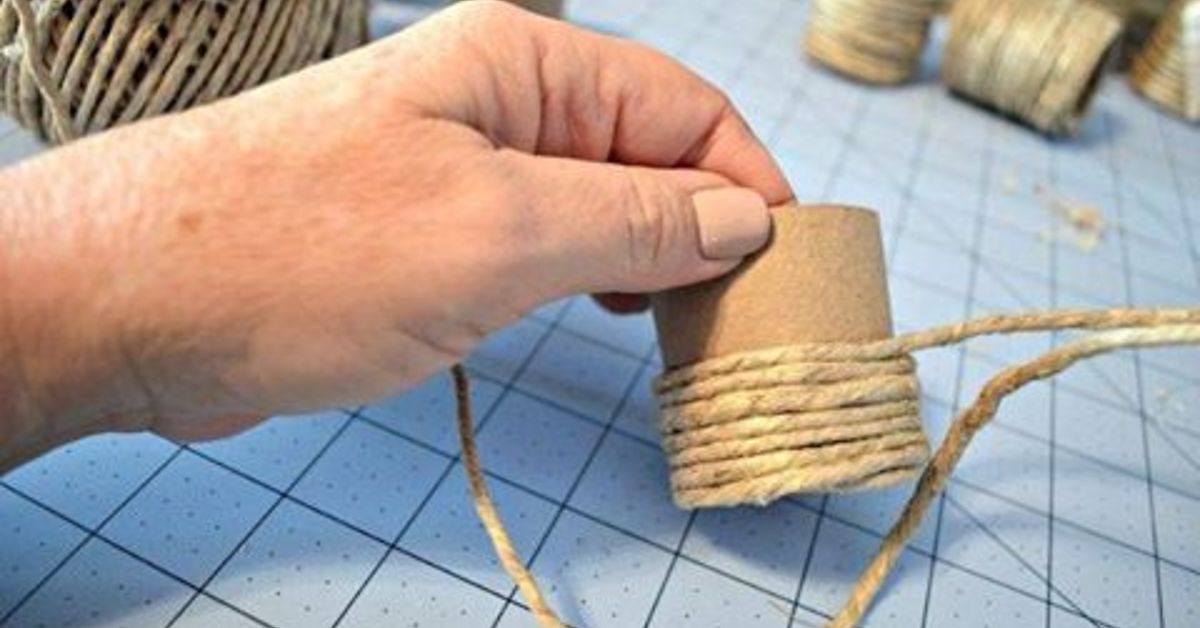
- Start with a wooden napkin ring, curtain ring, or a cardboard tube cut into 1.5-inch-wide sections.
- Add a small dot of glue to the inside edge of the ring.
- Press the end of the jute twine into the glue and let it set.
- Wrap the twine tightly around the ring, keeping each row close to the next.
- When the ring is fully covered, trim the twine and glue the end neatly inside.
- Choose one feature shell and glue it to the front center.
- Add two or three tiny shells or pearl beads around it if you want extra detail.
- Let everything dry completely before sliding in a napkin.
The finished look is simple, textured, and warm. Pair these rings with white napkins, blue plates, woven placemats, and clear glassware. Add a few votive candles and suddenly your dinner table looks like it has a vacation rental listing.
Method 2: Nautical Rope Napkin Rings
For a stronger nautical style, use rope as the main material. This version looks especially good with navy napkins, striped table runners, or outdoor seafood dinners.
Steps
- Cut a piece of rope about 7 to 9 inches long, depending on rope thickness.
- Shape it into a circle large enough to hold a rolled cloth napkin.
- Glue the ends together securely, or wrap the join with thin jute twine.
- Cover the joined area with a shell, wooden bead, or small knot detail.
- Let the ring dry flat so it keeps its shape.
If you know how to tie a basic knot, you can make the join look decorative instead of hidden. A small square knot, sailor-style knot, or wrapped twine band gives the napkin ring a handmade nautical finish. This is also a good way to make rope napkin rings without needing a separate base.
Method 3: Elegant Oyster Shell Napkin Rings
Oyster shells bring a more refined coastal look. They are perfect for dinner parties, bridal showers, holiday tables, or any meal where you want the table to whisper, “I tried,” without shouting, “I spent all afternoon panicking.”
Steps
- Clean and dry the oyster shells completely.
- Paint the inside of each shell white, pearl, soft gold, or leave it natural.
- Optional: add a thin gold-painted edge for a coastal glam finish.
- Attach each shell to a wooden or jute-wrapped napkin ring using strong glue.
- Hold it in place for a few seconds, then let it cure fully.
- Add a tiny pearl bead, small charm, or handwritten name tag if using them as place cards.
Oyster shells naturally vary in shape, and that is part of their charm. Do not force them to match perfectly. A coastal table should feel collected, not manufactured by a very strict clam.
Method 4: Raffia and Wooden Bead Coastal Rings
If your style leans tropical, boho, or light and airy, raffia and wooden beads are a great choice. This version looks beautiful with linen napkins, rattan chargers, bamboo flatware, or pale blue glassware.
Steps
- Cut several strands of raffia, each around 12 inches long.
- Loop them around a wooden ring or curtain ring.
- Tie the raffia securely and trim the ends evenly.
- Thread small wooden beads onto a short piece of twine.
- Tie the beaded twine around the ring as a decorative accent.
- Add one small shell or leave the design natural and minimal.
This design feels softer than rope and less literal than shell-heavy versions. It is ideal when you want coastal style without turning your dinner table into a miniature tide pool.
Color Palette Ideas for a Coastal Table
Great beach napkin rings work best when they fit the whole table. Coastal decorating usually shines when the colors stay calm and natural. Start with neutrals, then add one or two ocean-inspired accents.
Try These Coastal Color Combinations
- Classic Beach: white, sand, jute, driftwood gray, and sea-glass blue
- Nautical: navy, white, rope tan, brass, and crisp stripes
- Soft Coastal Glam: pearl, cream, pale gold, blush shells, and linen
- Tropical Casual: raffia, bamboo, warm white, coral, and leafy green
- Modern Coastal: matte white, charcoal, natural rope, and smoky blue glass
For best results, repeat materials at least twice on the table. If your napkin rings use jute, add woven placemats. If they feature shells, place a few shells around candles or use an oyster shell as a place card holder. Repetition makes the table feel designed instead of accidentally beachy.
Styling Ideas for DIY Coastal Napkin Rings
Once your napkin rings are finished, styling them is half the fun. Roll napkins loosely for a relaxed table, or fold them flat and slide the ring through the center for a cleaner look. Linen and cotton napkins work best because they hold shape and feel more natural than shiny synthetic fabrics.
For a casual dinner, use white plates, woven chargers, clear glasses, and a low centerpiece made of candles, small shells, and greenery. For a coastal holiday table, mix the napkin rings with white candles, evergreen sprigs, pearl accents, and blue-gray linens. For a beach wedding or shower, use them with name cards tied in twine.
Avoid overloading the table with too many themed objects. A few thoughtful coastal details are stronger than a full fleet of anchors, shells, nets, miniature boats, and one suspiciously dramatic lighthouse. Let the napkin rings be the star detail, then keep the rest of the table fresh and easy.
Common Mistakes to Avoid
Using Shells That Are Too Heavy
Large shells may look impressive, but they can tip the ring forward or fall off. Choose smaller shells or use one medium flat shell as the focal point.
Skipping the Dry Fit
Before gluing, arrange the shells on the ring and test the placement. Once hot glue hits the scene, decisions become very permanent very fast.
Wrapping Twine Too Loosely
Loose twine can shift and make the napkin ring look messy. Pull gently as you wrap, but not so tightly that cardboard bases collapse.
Forgetting About Napkin Size
Make sure the ring opening is wide enough for cloth napkins. Paper napkins are thinner, but coastal napkin rings usually look best with fabric napkins.
Using Too Many Colors
Coastal style works beautifully when it feels calm. Choose two or three main colors and let texture do the decorating.
Budget-Friendly Tips
One of the best things about DIY seashell napkin rings is that they can be made on a tiny budget. Cardboard paper towel tubes can become sturdy bases when wrapped in twine. Curtain rings can be repurposed into elegant wooden napkin rings. Thrift stores often have plain napkin rings that only need a coastal refresh.
Use leftover rope from other projects, small shells from a beach trip, old jewelry beads, or ribbon scraps. A set of six handmade rings can often cost less than one fancy store-bought set. Also, handmade pieces have character. If one shell sits slightly sideways, call it “organic movement” and move on with confidence.
How to Make Them Last
To protect your napkin rings, let glue cure fully before using them. Add a light coat of clear sealant if the rings will be handled often. Store them in a small box with tissue paper between layers so shells do not chip. Keep them away from moisture, direct heat, and aggressive drawer rummaging.
If a shell pops off later, do not panic. Handmade decor sometimes needs a small repair. Keep a few extra shells and beads in a labeled bag. Future you will be grateful, especially five minutes before guests arrive.
My Experience Making DIY Coastal Napkin Rings
The first time I made DIY coastal napkin rings, I thought the project would take twenty minutes. This was adorable optimism. The actual crafting was simple, but choosing shells took longer than expected because every tiny shell suddenly seemed to have a personality. One looked elegant. One looked rustic. One looked like it had just returned from a dramatic ocean adventure and needed a nap.
The biggest lesson was that the base matters. Cardboard tube rings work surprisingly well when wrapped tightly with jute, but wooden rings feel sturdier and more polished. If the napkin rings are for a one-time party, cardboard bases are perfectly fine. If they are for regular dinners or a special event, wooden or rope bases are worth the small extra cost.
I also learned that less decoration usually looks better. My first version had three shells, two beads, a bit of raffia, and a tiny charm. It was not a napkin ring; it was a coastal committee meeting. The simpler version, with one shell centered on a jute-wrapped ring, looked far more stylish. Negative space is your friend. So is knowing when to put the glue gun down.
Another practical discovery: roll the napkin before deciding where the shell should sit. A shell that looks centered on an empty ring may tilt oddly once fabric is inside. Test each ring with the actual napkins you plan to use. Thick linen needs a larger opening than thin cotton. If you are using oversized dinner napkins, avoid making the ring too tight, or guests will have to wrestle their napkin free like they are opening a stubborn beach umbrella.
For styling, white napkins were the easiest win. They made the jute and shells stand out without competing. Blue napkins looked beautiful too, especially with rope rings, but patterned napkins were trickier. If the napkin pattern is busy, keep the ring simple. If the napkin is plain, the ring can handle more texture.
The project also turned out to be a great group craft. Everyone can make a slightly different ring while staying within the same color palette. For a dinner party, that variation feels charming rather than messy. It gives the table a collected, handmade quality, like each place setting has its own little beach memory.
My favorite finishing touch was adding tiny handwritten name tags with twine. They made the rings feel personal and useful at the same time. Guests noticed them right away, which proves an important truth: small details often make the biggest impression. Nobody may remember whether your salad had exactly the right amount of lemon, but they will remember a pretty handmade place setting.
Overall, DIY coastal napkin rings are one of those crafts that deliver more style than effort. They are affordable, forgiving, and easy to adapt. Whether you prefer rustic rope, elegant oyster shells, raffia, pearls, or simple jute, the result adds warmth and personality to the table. And unlike some DIY projects, these do not require advanced skills, expensive tools, or emotional recovery afterward.
Conclusion
DIY coastal napkin rings are a simple way to make any table feel fresh, relaxed, and thoughtfully styled. With jute twine, rope, shells, wooden rings, raffia, or beads, you can create custom table accents that look beautiful for summer dinners, beach-inspired parties, weddings, holidays, and everyday meals. Keep the palette natural, choose lightweight decorations, and let texture do most of the work.
The real charm of this project is that it feels personal. Each shell, knot, bead, or raffia strand adds a little handmade character. Your table does not need to be perfect. It just needs to feel welcoming, comfortable, and maybe a tiny bit like it can hear waves in the distance.