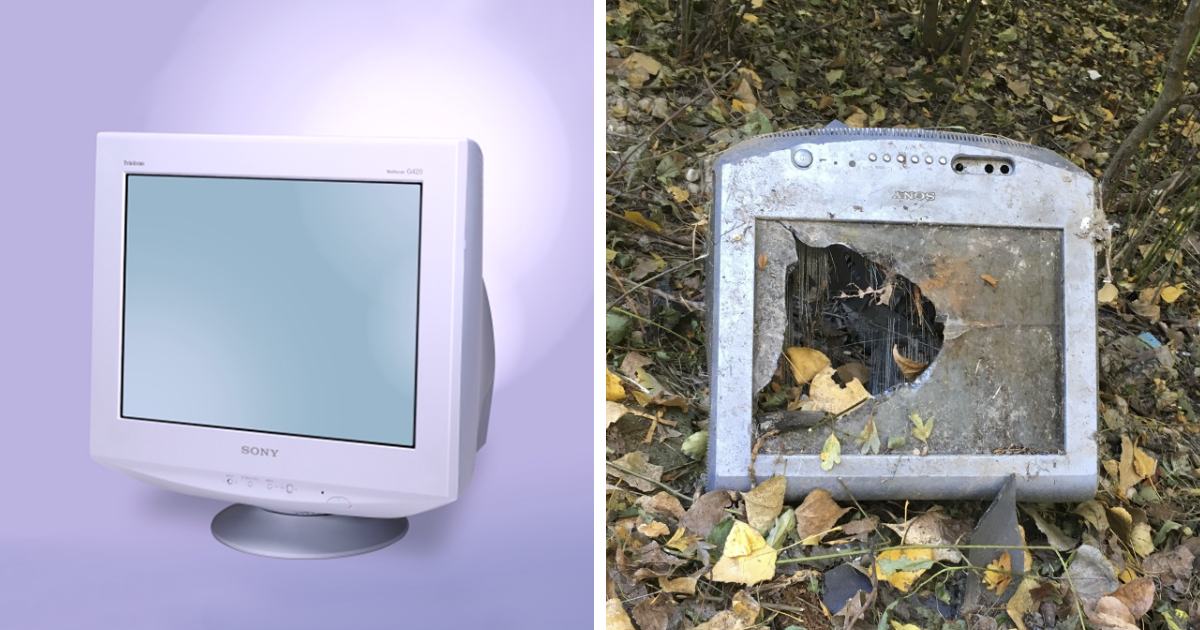
New products have a talent for looking innocent. A water bottle sparkles under store lights. A T-shirt arrives folded like a tiny cotton promise. A smartphone sits in its box with the confidence of a spaceship. Then life happens. The bottle gets crushed, the shirt pills, the phone battery sulks, the takeout container becomes a greasy archaeological artifact, and suddenly the “after” photo tells a much bigger story.
Comparing how products look before and after usage is not just a satisfying visual exercise. It is a crash course in the environmental impact of products. The before version shows design, marketing, packaging, and consumer desire. The after version shows waste systems, recycling limits, repairability, pollution, emissions, and the uncomfortable truth that “away” is not a magical place. It is usually a landfill, an incinerator, a recycling facility, a junk drawer, a secondhand shop, or, in the worst cases, a riverbank doing unpaid storage work.
This article takes a close look at common consumer products before and after use, what changes physically, and what those changes mean for the environment. The goal is not to shame anyone for buying shampoo, sneakers, or lunch. We all live in the material world, and the material world keeps mailing us cardboard. The goal is to notice patterns, make smarter choices, and understand why sustainable product choices matter long before the trash bag gets tied.
The “Before” Stage: When Products Look Perfect
Before use, a product is often at its most persuasive. It is clean, symmetrical, sealed, and styled. Packaging makes it feel fresh, safe, luxurious, convenient, or urgent. A disposable razor looks sleek in plastic. A fast-fashion jacket looks like a bargain with sleeves. A new phone looks powerful enough to organize your life, your photos, and possibly your personality.
But the environmental story begins before the customer ever touches the item. Raw materials must be extracted, grown, drilled, mined, refined, processed, dyed, molded, shipped, boxed, labeled, stored, and transported again. A product’s environmental footprint includes energy use, water use, chemical inputs, greenhouse gas emissions, packaging waste, transportation, and end-of-life management. In other words, the “before” stage is not blank. It already carries a backpack full of impacts.
Why Packaging Matters So Much
Packaging is one of the clearest examples of the before-and-after problem. Before use, packaging protects products and makes them easier to ship and sell. After use, it often becomes waste within minutes. Food wrappers, cosmetic containers, shipping fillers, drink bottles, blister packs, and delivery boxes are designed for short service lives. Some are useful for only the time it takes to walk from the store to the car, which is a dramatic career arc for a piece of plastic.
In the United States, containers and packaging make up a major portion of municipal solid waste. Much of it is discarded the same year the product is purchased. That means packaging is not a side character in the waste story. It is frequently the lead actor, wearing bubble wrap.
The “After” Stage: When Convenience Becomes Waste
After use, products reveal whether they were designed for durability, repair, recycling, composting, reuse, or quick disposal. A glass jar can become pantry storage. A cheap plastic clamshell often becomes trash. A well-made jacket can be repaired, resold, or donated. A poorly made shirt may stretch, fade, tear, and retire early with all the dignity of a wet paper towel.
The after stage is where many products lose their polished personality. Labels peel. plastic clouds. Fabric frays. Batteries weaken. Coatings chip. Grease stains. Hinges crack. What matters environmentally is not simply whether the item looks ugly. It is whether the item still has value, whether it can be recovered, and whether local systems can actually process it.
Comparison 1: Plastic Water Bottles Before And After Use
Before: Clear, Lightweight, Convenient
A plastic water bottle before use looks harmless: transparent, portable, inexpensive, and useful. It solves thirst with the confidence of a tiny emergency service. The design is efficient, and the material is light enough to ship at scale. That is why plastic bottles became so common in the first place.
After: Crushed, Tossed, Maybe Recycled
After use, the same bottle becomes part of a much larger plastic waste problem. PET bottles are among the more recyclable plastics, but recyclable does not mean automatically recycled. Bottles must be collected, sorted, cleaned, processed, and sold into a market that can use the material. If the bottle is contaminated, placed in the wrong bin, or processed in an area without strong recycling infrastructure, it may end up in a landfill or incinerator.
Plastic pollution is especially stubborn because plastic does not simply vanish after a dramatic farewell. It breaks into smaller pieces over time, and those fragments can move through waterways, soil, wildlife habitats, and food systems. A bottle used for fifteen minutes can leave an environmental afterimage for decades.
Better Choice
The best solution is usually reduction first: use a durable refillable bottle when practical. When buying bottled drinks, choose containers accepted by local recycling programs, empty them, replace caps if required by local rules, and avoid wish-cycling. Wish-cycling is when we toss something questionable into the blue bin and hope a recycling fairy with a clipboard will handle it. Sadly, she is overworked and underfunded.
Comparison 2: Fast Fashion Before And After Wear
Before: Trendy, Cheap, Camera-Ready
A new fast-fashion item can look fantastic on day one. The colors are bright, the cut is current, and the price tag whispers, “Buy two; your future self loves laundry.” But low-cost clothing often comes with trade-offs: lower durability, rapid trend cycles, and a culture of short ownership.
After: Faded, Stretched, Pilled, Discarded
After repeated wear and washing, low-quality garments may lose shape quickly. When clothing looks tired, many people donate it, but donation is not a guaranteed second life. Some garments are resold, some are downcycled, some are exported, and many still end up in landfills or incinerators. Textile recycling remains limited compared with the amount of clothing produced and discarded.
The environmental impact of clothing includes far more than disposal. Cotton requires water and agricultural inputs. Polyester is derived from fossil fuels and can shed microfibers during washing. Dyeing and finishing can involve chemicals. Shipping adds emissions. When a garment is worn only a few times, all of those impacts are spread across a very short useful life.
Better Choice
Buy fewer pieces, choose better construction, repair small damage, wash with care, and wear items longer. The greenest outfit is often the one already in your closet, even if it is currently hiding behind the jeans you swear you will wear again after “one more lifestyle reset.”
Comparison 3: Smartphones Before And After Upgrade Season
Before: Glossy, Powerful, Full Of Promise
A new smartphone looks like progress in your palm. It is thin, bright, and packed with rare materials, metals, glass, plastics, circuit boards, and a lithium-ion battery. Its environmental footprint starts with mining, manufacturing, water use, energy demand, global shipping, and packaging.
After: Slow Battery, Cracked Screen, Junk Drawer Resident
After years of use, the phone may slow down, lose battery capacity, crack, or stop receiving software support. Many old electronics do not immediately enter recycling systems. They move into drawers, closets, and “just in case” boxes, where charging cables go to start new civilizations.
Electronic waste can contain valuable recoverable materials, but it can also contain hazardous substances. Poorly managed e-waste may expose workers and communities to toxic metals and unsafe processing conditions. Responsible recycling, certified repair, take-back programs, and longer device use can reduce the environmental burden.
Better Choice
Keep devices longer when possible, replace batteries instead of replacing the whole phone, use protective cases, trade in devices through reputable programs, and recycle electronics through certified channels. A phone that lasts four or five years instead of two cuts the pressure for constant manufacturing and reduces waste.
Comparison 4: Takeout Containers Before And After Dinner
Before: Clean, Stackable, Ready For Noodles
Takeout containers are champions of convenience. They keep food warm, prevent leaks, stack neatly, and help restaurants serve customers quickly. Before use, they look practical and efficient. After use, they often become greasy, stained, and difficult to recycle.
After: Food Residue Meets Recycling Reality
Food contamination can ruin otherwise recyclable materials. A clean cardboard box may be recyclable, but a grease-soaked one may not be. A black plastic container may be technically recyclable in theory but hard for sorting systems to identify. Foam containers are lightweight and cheap but often problematic for recycling and litter control.
Reusable containers sound like the obvious hero, and they often are, but life-cycle thinking matters. A reusable item must be used enough times to offset the extra material and energy required to make and wash it. The point is not “single-use always evil” or “reusable always saintly.” The point is to use durable items repeatedly and efficiently.
Better Choice
Choose restaurants that use recyclable or compostable packaging accepted in your area, decline extra utensils and napkins, bring reusable containers where allowed, and avoid ordering more food than you can eat. The most sustainable container is less impressive if half the meal inside it becomes landfill lasagna.
Comparison 5: Cosmetics And Personal Care Products Before And After Use
Before: Tiny Luxury, Big Packaging
Beauty and personal care products are masters of packaging drama. A moisturizer jar can look like it belongs in a museum display titled “Hydration, But Make It Fancy.” Pumps, caps, mirrors, metallic finishes, mixed materials, and small sizes create a premium feel.
After: Empty Tubes, Mixed Materials, Hard-To-Recycle Pieces
After use, many cosmetic containers are difficult to recycle because they are small, made from mixed materials, or contain residue. Pumps may include metal springs and plastic parts. Tubes may be flexible multilayer materials. Mascara wands, compact mirrors, and sample packets often head straight to trash.
The environmental issue is not just the container. It is also overconsumption, short product cycles, promotional samples, and partially used products thrown away because they expired, irritated skin, or fell out of favor when a new trend arrived wearing a lab coat on TikTok.
Better Choice
Use products fully before buying replacements, choose refillable options when they truly reduce packaging, support brands with take-back programs, and avoid unnecessary minis unless travel rules demand them. Also, ignore the emotional voice that says you need seven nearly identical lip balms. That voice has never cleaned a drawer.
Comparison 6: Household Cleaners Before And After The Last Spray
Before: Bright Bottles, Strong Claims
Household cleaners promise sparkle, freshness, and victory over mysterious countertop stickiness. Before use, the bottles look organized and helpful. After use, they may become empty plastic containers, leftover chemicals, aerosol cans, or household hazardous waste depending on the ingredients.
After: Residue, Chemicals, Disposal Questions
Some household products, including certain cleaners, paints, oils, batteries, and pesticides, require special disposal care because they may be toxic, flammable, corrosive, or reactive. Pouring leftovers down the drain or tossing them casually can create risks for water systems, sanitation workers, and local environments.
Better Choice
Buy only what you will use, follow label instructions, choose concentrated refills when practical, avoid mixing chemicals, and use local household hazardous waste collection programs for products that require special handling. A half-empty mystery bottle under the sink is not a cleaning strategy. It is a suspense novel.
Comparison 7: Food Before And After It Becomes Waste
Before: Fresh, Nutritious, Beautifully Packaged
Food before use represents land, water, fertilizer, labor, refrigeration, transportation, packaging, and money. A head of lettuce, a loaf of bread, or a carton of berries may look simple, but it carries a long supply chain behind it.
After: Spoiled, Scraped, Landfilled
After food is wasted, its environmental impact becomes even more frustrating because all the resources used to produce it were spent for no nourishment. When food goes to landfills, it can generate methane as it breaks down without enough oxygen. Methane is a powerful greenhouse gas, so wasted food is not just a household budget issue. It is a climate issue with banana peels.
Better Choice
Plan meals realistically, store food properly, freeze leftovers, understand date labels, compost where available, and use “odds and ends” cooking. Soup, stir-fry, smoothies, and casseroles are basically environmental diplomacy for tired vegetables.
What Before-And-After Comparisons Teach Us
Looking at products before and after usage makes one thing obvious: the best environmental decisions happen early. Disposal matters, but design and buying habits matter too. A product that is durable, repairable, refillable, recyclable, or compostable has a better chance of staying useful or reentering a materials cycle. A product designed only for quick sale and quick disposal creates problems the moment its first job is done.
1. Durability Beats Disposable Glamour
A durable product may cost more upfront, but if it lasts longer, it can reduce waste and save money over time. This applies to clothing, kitchenware, tools, furniture, electronics, and bags. The trick is to actually use the durable item repeatedly. A reusable mug sitting in a cabinet while disposable cups pile up is not a sustainability win. It is just a ceramic witness.
2. Recycling Is Helpful But Not Magical
Recycling works best for clean, well-sorted, high-value materials with strong local markets. Aluminum cans, cardboard, paper, glass in some regions, PET bottles, and HDPE containers often have clearer pathways than flexible films, multilayer pouches, mixed-material packaging, and tiny plastic pieces. Recycling should be part of the solution, but reduction and reuse usually come first.
3. The Use Phase Can Matter
Some products create much of their impact during use. Washing, charging, heating, cooling, and maintenance all count. A reusable container washed inefficiently after every tiny snack may have a larger footprint than expected. An appliance that wastes energy for years can outweigh the impact of its packaging. Sustainable product choices should consider the full life cycle, not just the trash can finale.
4. Local Rules Matter
Recycling and composting rules vary by city, county, and service provider. A package labeled “recyclable” may not be accepted locally. Compostable packaging may require industrial composting facilities, not a backyard pile. The most accurate choice is to check local guidance rather than trusting the optimistic little symbols printed on packaging.
How Consumers Can Compare Products More Wisely
You do not need a laboratory, a spreadsheet, and a dramatic soundtrack to make better choices. A simple before-and-after checklist can help:
- Before buying: Ask whether you need it, whether it will last, whether it can be repaired, and whether it uses excessive packaging.
- During use: Maintain it, clean it properly, avoid waste, and use it enough times to justify its footprint.
- After use: Reuse, repair, donate responsibly, recycle correctly, compost when appropriate, or dispose of hazardous items safely.
For businesses, the lesson is even bigger. Design choices shape consumer waste. Companies can reduce packaging, use recycled content, make products easier to repair, provide refill systems, support take-back programs, and stop treating end-of-life as someone else’s messy garage problem.
Experiences Related To Comparing Products Before And After Usage
Once you start comparing products before and after usage, ordinary household objects become strangely interesting. A kitchen counter can turn into a tiny environmental research station. The first thing most people notice is packaging. A grocery run that looked normal at the store can look excessive at home once everything is unpacked. The cereal box, inner bag, produce stickers, plastic wrap, bottle caps, receipt, and delivery tape suddenly feel like a parade of materials that performed very brief jobs.
One practical experience is tracking a single week of disposable items. Put clean, dry packaging aside for seven days and look at the pile. Most households are surprised by how quickly it grows. Snack wrappers appear like confetti. Shipping boxes multiply. Empty personal care containers look tiny until there are twelve of them. This exercise is useful because it turns an invisible habit into a visible pattern. It also makes the trash can feel less like a black hole and more like a report card with banana peels.
Another useful experience is comparing two similar products over time. For example, buy one cheap T-shirt and one better-made shirt, then track how they look after ten washes. The cheaper shirt may twist at the seams, fade, or pill faster. The better shirt may still look wearable. That does not mean expensive always equals sustainable, but it shows why cost-per-wear matters. A $12 shirt worn twice is not cheaper than a $40 shirt worn forty times. The math has opinions.
Kitchen products also teach strong lessons. A reusable water bottle becomes more environmentally meaningful the more often it replaces disposable bottles. A reusable food container works best when it is used regularly, washed efficiently, and not forgotten in a backpack until it becomes a biology experiment. Reuse depends on behavior. Buying the reusable thing is step one; actually reusing it is the plot.
Electronics create a different kind of before-and-after experience. A new device feels modern and essential, but an old device can feel useless too quickly if the battery weakens or software support ends. Repairing a screen, replacing a battery, or passing a device to another user can extend its life. The experience teaches patience in a market built on upgrades. Sometimes the most sustainable feature is not a better camera. It is resisting the annual urge to replace a phone that still works.
Food waste may be the most personal comparison. A fresh grocery haul looks wholesome and organized. A week later, wilted greens and forgotten leftovers can reveal poor planning. The solution is rarely perfection. It is smaller shopping trips, better storage, freezer habits, and a realistic understanding of how much salad one human will actually eat before it becomes compost with regrets.
The biggest takeaway from these experiences is that sustainability becomes easier when it is visible. Before-and-after comparisons help people see the real lifespan of products. They make waste less abstract and choices more practical. You do not need to become a minimalist monk living with one spoon and a solar panel. You simply need to notice what enters your home, how long it stays useful, and where it goes next.
Conclusion
Products before and after usage tell two very different stories. Before use, they are polished, packaged, and full of promise. After use, they reveal the truth about design, durability, consumer habits, and waste systems. A crushed bottle, faded shirt, dead phone, greasy container, empty cosmetic tube, leftover cleaner, or spoiled meal is not just clutter. It is evidence of how modern consumption works.
The environmental impact of products depends on choices made by manufacturers, retailers, governments, waste systems, and consumers. Individuals cannot fix the entire system alone, but smarter buying, longer use, repair, reuse, correct recycling, composting, and safe disposal all matter. The best product is not always the newest, prettiest, cheapest, or most aggressively advertised. Often, the best product is the one that lasts, works hard, creates less waste, and does not become an environmental headache after one brief performance.
Note: This article is written for web publication and synthesized from current, publicly available U.S.-focused environmental information on waste, recycling, plastics, textiles, food waste, e-waste, household hazardous waste, and life-cycle thinking.