Pocket doors are the introverts of interior design: quiet, space-saving, and happiest when they disappear into the wall. But even the most elegant pocket door needs one very practical thinga way to pull it back out without pinching your fingers, poking at the edge like you are cracking a safe, or whispering, “Please open,” to a slab of wood. That is where the #2011PDP Spring Loaded Edge Pull earns its tiny-but-mighty reputation.
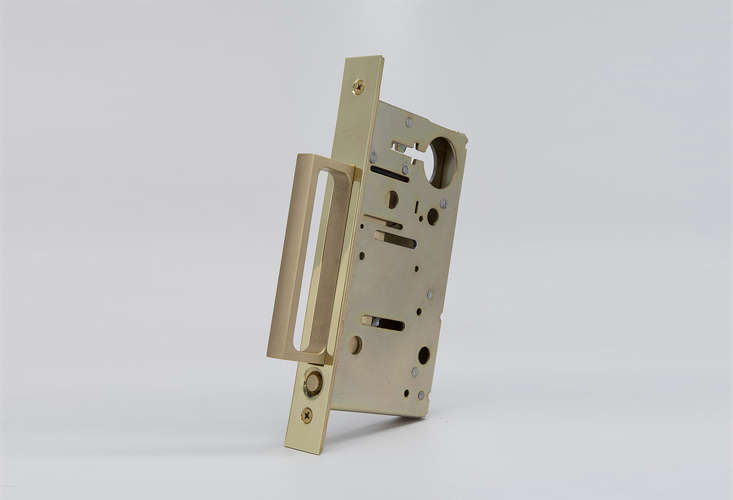
The #2011PDP is a spring loaded pocket door edge pull designed for passage, non-locking applications. In plain American English, it helps you pull a sliding or pocket door out of its wall pocket without using a traditional handle that sticks out from the door face. Press the button, the pull projects outward, and the door becomes easy to grab. It is a small piece of architectural hardware, but it solves a very common pocket door problem with the confidence of someone who brought the right screwdriver to the job.
This guide takes a close look at what the #2011PDP Spring Loaded Edge Pull is, where it works best, why its large bale design matters, how it compares with simpler edge pulls, and what homeowners, builders, designers, and hardware specifiers should consider before choosing it.
What Is the #2011PDP Spring Loaded Edge Pull?
The #2011PDP Spring Loaded Edge Pull is a pocket door edge pull commonly associated with Accurate Lock & Hardware, a U.S.-based architectural hardware manufacturer known for custom and high-end door hardware. The product is made for non-locking passage pocket doors, which means it is intended for spaces where privacy locking is not required, such as closets, pantries, home offices, laundry rooms, dressing areas, and room dividers.
Instead of mounting a bulky handle on the face of the door, the 2011PDP is installed into the edge of the door. When the door is fully recessed inside the pocket, the spring loaded mechanism gives the user a practical finger grip. Press the push button, and the pull projects outward so the door can be drawn out smoothly.
The “Large Bale” Advantage
One of the standout features of the #2011PDP is its large bale. The bale is the part you actually grab. Compared with smaller edge pulls, a larger bale gives your fingers more room, making the door easier to operate. That may sound like a small upgrade, but in daily use, small hardware details become big quality-of-life details.
Think of it like the difference between a proper coffee mug handle and one of those tiny espresso cup loops that seems designed for woodland fairies. Both technically work. One is simply more comfortable for real human hands.
Key Product Features
The #2011PDP Spring Loaded Edge Pull is valued because it combines a clean look with practical operation. It is not a decorative gimmick; it is a functional component meant to make a pocket door easier to use without interrupting the smooth face of the door.
1. Push-Button Spring Loaded Operation
The main feature is the push-button spring loaded pull. When the button is pressed, the pull projects out from the door edge. This gives the user something secure to grip when pulling the pocket door out of the wall cavity. When not needed, the pull can sit neatly back into the edge of the door.
2. Designed for Passage Pocket Doors
This hardware is intended for passage applications, not privacy or keyed locking applications. That makes it ideal for doors where the goal is movement, separation, or space-saving convenience rather than security.
3. Heavy Gauge Wrought Case
The case is described as heavy gauge and wrought, with an approximate thickness of 11/16 inch. This matters because an edge pull lives in a demanding spot. It is mortised into the door edge, handled repeatedly, and expected to stay aligned while the door moves in and out of the pocket.
4. Substantial Pull Throw
The pull is approximately 1/2 inch thick with about a 1-3/16 inch throw. In practical terms, the throw gives enough projection to create a usable grip without becoming visually or physically intrusive. The best pocket door hardware should feel obvious when you need it and nearly invisible when you do not.
5. Armor Front Material Options
The armor front is typically available in wrought brass, bronze, or stainless steel, depending on the desired finish and specification. These material options help the pull coordinate with other architectural hardware, including flush pulls, hinges, door stops, and trim.
6. Optional Quiet Version
A quiet version, commonly specified as 2011PDP-Q, is available for projects where soft, slower release is preferred. This is especially useful in upscale residential interiors, hotels, offices, libraries, and any setting where hardware should not announce itself like a dropped toolbox.
Where the #2011PDP Works Best
The #2011PDP Spring Loaded Edge Pull works best on pocket doors where the designer wants a clean, architectural look and the user still needs comfortable daily operation. It is especially useful in places where a standard projecting handle would look awkward or interfere with the door sliding fully into the pocket.
Residential Interiors
In homes, this edge pull is a strong fit for pantries, walk-in closets, laundry rooms, mudrooms, studies, media rooms, and guest spaces. Pocket doors are often used where swing clearance is limited. A spring loaded edge pull helps preserve that space-saving benefit while keeping the door easy to operate.
Luxury and Custom Homes
In high-end residential projects, hardware is rarely just hardware. It becomes part of the design language. The #2011PDP has the kind of architectural seriousness that works with custom millwork, thicker door stiles, premium veneers, painted panel doors, and modern minimalist interiors.
Hospitality and Boutique Commercial Spaces
Hotels, spas, private clubs, showrooms, and boutique offices often use pocket doors to save space while maintaining a polished look. A large bale spring loaded edge pull can make those doors easier for guests and staff to use, especially when the door is recessed deep into the wall pocket.
Why Pocket Door Hardware Matters More Than People Think
A pocket door is only as good as the hardware that makes it move. The track, rollers, guides, stops, flush pulls, and edge pulls all affect the experience. When these parts are chosen casually, the result can be a door that rattles, sticks, feels flimsy, or disappears too far into the pocket to retrieve gracefully.
The edge pull is particularly important because it is the piece users interact with when the door is fully open. Without a good edge pull, people tend to dig at the door edge with fingernails, grab the face of the door, or leave the door slightly exposed so it is easier to pull out later. None of those habits look good in a finished interior.
Design Benefits of a Spring Loaded Edge Pull
The biggest design benefit is visual restraint. The #2011PDP supports the clean lines that make pocket doors attractive in the first place. Because the pull is installed into the edge of the door, it does not dominate the door face. Pair it with blank flush pulls or coordinating trim, and the finished look can be sleek, intentional, and refined.
This is especially useful in modern interiors where designers want walls, doors, and millwork to read as a unified surface. In traditional interiors, it can also work beautifully because the finish options allow it to coordinate with brass, bronze, chrome, nickel, black, or stainless steel hardware schemes.
Finish Selection: More Than a Color Choice
Finish selection is not just about matching the prettiest metal sample on the board. It affects durability, maintenance, patina, and how the hardware relates to the rest of the room. Satin brass can bring warmth. Satin chrome and satin stainless steel can feel crisp and contemporary. Oil rubbed bronze can add depth to traditional or transitional spaces. Black finishes can create a sharp architectural accent.
For designers, the best approach is to coordinate the #2011PDP with the surrounding hardware family: hinges, flush pulls, cabinet pulls, plumbing fixtures, lighting, and even appliance handles when relevant. The goal is not necessarily to match every metal perfectly, but to make the finish palette look intentional.
Installation Considerations
The #2011PDP is not the kind of hardware most people should install with a butter knife, optimism, and a three-minute video playing in the background. It requires accurate mortising into the edge of the door. The door stile must be wide enough, the cutout must be clean, and the hardware must sit flush and square so the mechanism works properly.
Door Stile Width
The 2011PDP is generally intended for door stiles approximately 3-3/4 inches wide and up. This is important because the body of the pull needs enough wood or door material around it to remain structurally sound. Narrow stiles may require a different model or special hardware planning.
Door Thickness and Construction
Before ordering, confirm the door thickness, stile construction, core material, and finish process. Solid-core and high-quality stile-and-rail doors usually accept premium edge hardware better than hollow-core doors. If the door is custom, the hardware should be specified early so the shop can prepare the edge properly.
Pairing with Flush Pulls
A spring loaded edge pull is often paired with flush pulls on the door faces. The flush pulls help slide the door when it is partially exposed, while the edge pull helps retrieve it from the pocket. Together, they create a complete passage pocket door hardware solution.
#2011PDP vs. Basic Edge Pulls
Basic edge pulls can be affordable and perfectly useful for light-duty residential doors. However, the #2011PDP is a more substantial piece of architectural hardware. Its large bale, heavy gauge case, finish options, and optional quiet release make it better suited for custom projects, premium interiors, and spaces where the hardware needs to feel as considered as the door itself.
A simple edge pull might be fine for a closet in a starter apartment. The #2011PDP makes more sense when the pocket door is part of a larger design statement, when the door is used frequently, or when the project requires hardware that feels durable, comfortable, and refined.
Accessibility and Usability Notes
For accessible design, door hardware should be easy to operate and placed at an appropriate height according to applicable codes and standards. In many projects, hardware must be operable without tight grasping, pinching, or twisting of the wrist. Because edge pulls vary in shape, projection, and operation force, designers should confirm compliance with the project architect, accessibility consultant, or local code authority when using any pocket door hardware in accessible routes.
The large bale of the #2011PDP may improve usability compared with smaller finger pulls, but code compliance should never be guessed. That is not design; that is gambling with nicer stationery.
Best Use Cases for the #2011PDP Spring Loaded Edge Pull
- High-end passage pocket doors where a clean face and comfortable operation are both important.
- Custom residential projects with premium finishes and detailed hardware schedules.
- Hospitality interiors where quiet, intuitive operation improves the guest experience.
- Office and conference spaces that use pocket doors for flexible room separation.
- Closets, pantries, and laundry rooms where swing doors would waste valuable space.
- Design-forward interiors where visible hardware should be minimal but not flimsy.
How to Specify the #2011PDP
When specifying the #2011PDP Spring Loaded Edge Pull, include the model number, finish, door details, and any options such as the quiet version or matching button and bale finish. A typical specification may identify whether the standard 2011PDP or the 2011PDP-Q quiet version is required, followed by the desired finish code.
It is also wise to confirm whether the project requires exposed fasteners, concealed preferences, matching bolts, or coordination with specific flush pulls. Hardware mistakes are easiest to fix before the door is machined, not after the painter has finished, the client is visiting tomorrow, and everyone is suddenly pretending the wrong finish was “a creative contrast.”
Maintenance and Long-Term Care
Good architectural hardware does not require dramatic maintenance, but it does appreciate basic care. Keep the edge pull free of dust and construction debris. Avoid harsh cleaners that can damage plated, lacquered, living, or coated finishes. Use a soft cloth and manufacturer-recommended cleaning methods. If the pull begins to feel sticky or misaligned, inspect the door movement, pocket clearance, and hardware mounting before forcing the mechanism.
Pocket door problems are often blamed on the visible pull, but the true culprit may be the track, rollers, guides, warped door, or debris inside the pocket. A smooth door system helps the edge pull do its job gracefully.
Buying Advice: Is the #2011PDP Worth It?
The #2011PDP Spring Loaded Edge Pull is best understood as a premium hardware solution, not a bargain-bin accessory. It is worth considering when the door is important to the room, when the project has a higher finish level, or when daily operation needs to feel solid and comfortable.
If you are working on a simple utility closet with a lightweight hollow-core door, a basic edge pull may be enough. But if the door is custom, the space is highly visible, or the hardware schedule includes premium finishes, the #2011PDP makes much more sense. It gives the pocket door a cleaner look and a more satisfying user experience.
Common Mistakes to Avoid
Choosing the Edge Pull Too Late
Pocket door hardware should be selected before the door is fabricated or machined. Waiting until the end can limit options and create installation headaches.
Ignoring Stile Width
The #2011PDP needs adequate door stile width. Always confirm dimensions before ordering.
Forgetting the Face Pulls
An edge pull helps retrieve the door from the pocket, but flush pulls on the faces help operate the door during normal sliding. The two should be planned together.
Mixing Finishes Randomly
Mixed metals can look beautiful, but random metals look like the hardware schedule lost a bet. Coordinate finishes intentionally.
Real-World Experience: What It Feels Like to Live With a Better Edge Pull
After using pocket doors in different homes, showrooms, and renovation projects, one thing becomes clear: the door itself gets the attention, but the pull determines whether people enjoy using it. A pocket door with a weak or tiny edge pull can feel fussy. You slide the door into the wall, it disappears beautifully, and then five minutes later you are trying to fish it back out with a fingernail. That is not luxury. That is a tiny daily betrayal.
A spring loaded edge pull like the #2011PDP changes the experience because it gives the user a confident action. Press, grab, pull. Done. There is no awkward scraping at the edge of the door and no need to leave the door slightly sticking out of the pocket. In a pantry or laundry room, this feels convenient. In a primary suite, dressing room, or custom office, it feels polished. In a hospitality setting, it can reduce confusion for guests who do not want to solve a hardware puzzle before entering the bathroom.
The large bale is especially noticeable for people with larger hands or anyone who uses the door often. Smaller edge pulls can work, but they sometimes feel more like a token gesture than a comfortable grip. The larger bale gives the hardware a more substantial feel. It says, “Yes, I was designed for actual use,” which is always a comforting message from something installed permanently into a custom door.
Another real-world advantage is visual calm. Many rooms benefit from hardware that does not shout. A pocket door may be selected because the designer wants the wall plane to stay clean or because there is not enough room for a swinging door. A spring loaded edge pull supports that goal by staying tucked away until needed. When paired with well-chosen flush pulls, the whole door feels integrated rather than accessorized.
On the installation side, the experience is much better when the hardware is planned early. The best outcomes happen when the builder, door supplier, and hardware consultant all know the exact model before machining begins. The mortise is cleaner, the finish is coordinated, and the door arrives ready for the hardware instead of being modified in a rush. Premium hardware rewards preparation. It is not difficult for a skilled installer, but it is not the place for guesswork.
In day-to-day use, the #2011PDP is the kind of detail most guests may not consciously notice, but they will feel the difference. The door opens easily. The hardware feels substantial. The room looks uncluttered. That is the quiet magic of good architectural hardware: it does not beg for attention, but it prevents little annoyances from becoming part of the routine.
Conclusion
The #2011PDP Spring Loaded Edge Pull is a smart choice for passage pocket doors that need clean aesthetics, reliable operation, and a more comfortable grip than basic edge pulls can provide. Its push-button spring loaded design, large bale, heavy gauge construction, premium material options, and optional quiet-release version make it especially appropriate for custom homes, refined commercial interiors, hospitality projects, and design-forward renovations.
It may be a small piece of hardware, but it has a big job: making a disappearing door easy to bring back. And honestly, in a world full of overcomplicated design features, there is something refreshing about hardware that simply does its job beautifully.
Note: This article is prepared for web publication and avoids unnecessary source-link clutter. Product details are based on real manufacturer and architectural hardware retailer information available for the #2011PDP Spring Loaded Edge Pull and related pocket door hardware.