Few backyard moments are as satisfying as looking out the window and seeing a flash of red, yellow, blue, or brown land on your feeder like it has just discovered the neighborhood diner. But if your brand-new bird feeder has been hanging outside for days with no visitors, do not panic. Birds are cautious, practical little creatures. They do not immediately trust a mysterious seed buffet just because you bought it on sale and hung it with hope.
Learning how to attract birds to a feeder is really about creating a place that feels safe, reliable, clean, and worth the wing workout. Birds want good food, nearby shelter, fresh water, protection from predators, and a feeding station that does not feel like a trap. Once they discover that your yard checks those boxes, they may return dailyand bring friends, cousins, and that one bossy cardinal who acts like he owns the place.
This guide shares 11 easy tips that work for beginners and experienced backyard birders alike. Whether you want chickadees, finches, cardinals, woodpeckers, nuthatches, sparrows, doves, or blue jays, the right feeder setup can turn a quiet yard into a cheerful bird café.
Why Birds Are Not Coming to Your Feeder Yet
Before changing everything, remember this: birds often need time to find a new food source. A feeder is not a neon restaurant sign. Birds usually discover it while moving through familiar routes, watching other birds, or noticing food scattered nearby. If your feeder is new, empty visits for the first few daysor even a couple of weekscan be normal.
However, if your feeder stays lonely for a long time, the problem is usually one of five things: the food is not appealing, the feeder is poorly placed, birds feel exposed, the feeder is dirty, or there are not enough habitat features nearby. The good news is that all of these problems are fixable.
1. Choose the Right Bird Seed
The fastest way to attract birds to a feeder is to offer food they actually want. Not all bird seed is equal. Some bargain mixes are packed with fillers that many birds toss aside like a toddler rejecting vegetables. The result is wasted seed, messy ground, and very unimpressed wildlife.
Best starter seed for most backyard birds
Black oil sunflower seed is one of the best all-purpose choices. Its thin shell is easier for many birds to crack, and it attracts a wide range of feeder favorites, including cardinals, chickadees, finches, nuthatches, grosbeaks, and titmice. Hulled sunflower hearts are another excellent option because they create less shell mess, although they can spoil faster when wet.
If you want goldfinches, pine siskins, or house finches, try Nyjer seed in a tube or mesh-style finch feeder. For ground-feeding birds such as doves, juncos, and some sparrows, white millet can be useful. Peanuts can attract jays, woodpeckers, chickadees, and nuthatches, but they should be fresh, unsalted, and kept dry.
2. Match the Feeder to the Birds You Want
A feeder is not just a container. It is a dining room with rules. Different birds prefer different feeding styles, so choosing the right feeder can make a huge difference.
Tube feeders are great for finches, chickadees, and nuthatches. Hopper feeders hold more seed and attract cardinals, grosbeaks, jays, and many mixed flocks. Platform feeders are easy for birds to notice and welcome larger birds, but they also need more frequent cleaning. Suet cages attract woodpeckers, wrens, nuthatches, and chickadees, especially in cooler weather. Nectar feeders are designed for hummingbirds and require their own cleaning routine.
If you are just starting, use one sturdy feeder with black oil sunflower seed. Once birds begin visiting, add specialized feeders to increase variety. Think of it like opening a small coffee stand before expanding into a full breakfast buffet.
3. Put the Feeder Where Birds Feel Safe
Location matters. A feeder in the middle of an open lawn may look pretty to humans, but to a small bird, it can feel like eating lunch on a stage while hawks, cats, and every neighborhood threat watches from the balcony.
Place your feeder near natural cover such as shrubs, small trees, or evergreens so birds have a quick escape route. At the same time, avoid placing it directly inside dense bushes where cats or other predators can hide. A good rule is to provide shelter close enough for comfort but far enough to reduce ambush risk.
For many yards, a feeder placed about 10 to 12 feet from shrubs or brush offers a practical balance. Birds can retreat quickly, but predators have fewer hiding spots. If possible, choose a location protected from strong wind and heavy rain so seed stays dry and birds feel comfortable landing.
4. Make the Feeder Easy for Birds to See
Birds often find food by sight and habit. If your feeder is tucked behind a garage, hidden under a dense tree, or placed where birds rarely travel, it may take much longer for them to discover it.
Start by placing the feeder where birds already move through the yard. Watch for natural traffic patterns: fence lines, tree edges, shrub borders, and quiet corners near plants. You can also sprinkle a small amount of seed on the ground beneath or near the feeder for a few days to help birds notice the new food source. Do not overdo itjust a light “hey, the restaurant is open” signal.
Once birds begin visiting regularly, you can adjust the feeder location for better viewing, easier cleaning, or squirrel control.
5. Add Fresh Water Nearby
Food gets attention, but water can make your yard irresistible. Birds need clean water for drinking and bathing, and in dry or freezing seasons, a reliable water source can be even more attractive than seed.
A shallow birdbath is enough for many species. Keep the water about 1 to 2 inches deep in the center, with a gently sloped edge if possible. Add a few stones for secure footing. Birds prefer baths that feel safe and easy to exit, not a slippery backyard swimming pool designed by someone who has never met a sparrow.
Moving water is especially effective. A small dripper, bubbler, or solar fountain can catch birds’ attention because the sound and sparkle are easier to detect. Keep birdbaths clean, change the water often, and scrub away algae or droppings regularly.
6. Keep Feeders Clean and Seed Fresh
A dirty feeder can spread disease, spoil food, and drive birds away. Cleanliness is not the glamorous side of bird feeding, but it is one of the most important. Birds do not need a five-star restaurant, but they do deserve better than moldy seed soup.
Clean seed feeders at least every couple of weeks, and more often during wet or busy periods. Discard old seed, scrub the feeder with warm soapy water, rinse well, sanitize when needed with a diluted bleach solution, rinse again, and let everything dry completely before refilling.
Hummingbird feeders require more frequent care because sugar water can spoil quickly, especially in warm weather. Replace nectar regularly and clean the feeder thoroughly. Never use honey, artificial sweeteners, red dye, or sticky mystery mixtures. A simple sugar-water solution is enough.
Also clean the ground under feeders. Remove wet seed, hulls, and droppings to discourage rodents, reduce disease risk, and keep your feeding station looking less like a bird frat house after homecoming weekend.
7. Offer More Than One Type of Food
If you want more bird species, offer more than one food type. Different birds have different diets, and a single feeder may only appeal to part of the local bird community.
Try sunflower seed for general feeding, Nyjer seed for finches, suet for woodpeckers and nuthatches, peanuts for jays and chickadees, fruit for orioles and some woodpeckers, and nectar for hummingbirds. Mealworms can attract bluebirds, wrens, chickadees, and robins, especially during nesting season when insects are in high demand.
The trick is not to create chaos. Use separate feeders for different foods when possible. This reduces waste and helps you see what works. If birds ignore one food for several days, remove it and try again later. Backyard birding is part science, part patience, and part “apparently the finches are judging my menu.”
8. Plant Native Trees, Shrubs, and Flowers
A feeder is helpful, but the best bird-friendly yards go beyond feeders. Native plants provide insects, seeds, berries, nectar, nesting areas, and shelter. Many birds, especially during nesting season, depend heavily on insects and caterpillars to feed their young.
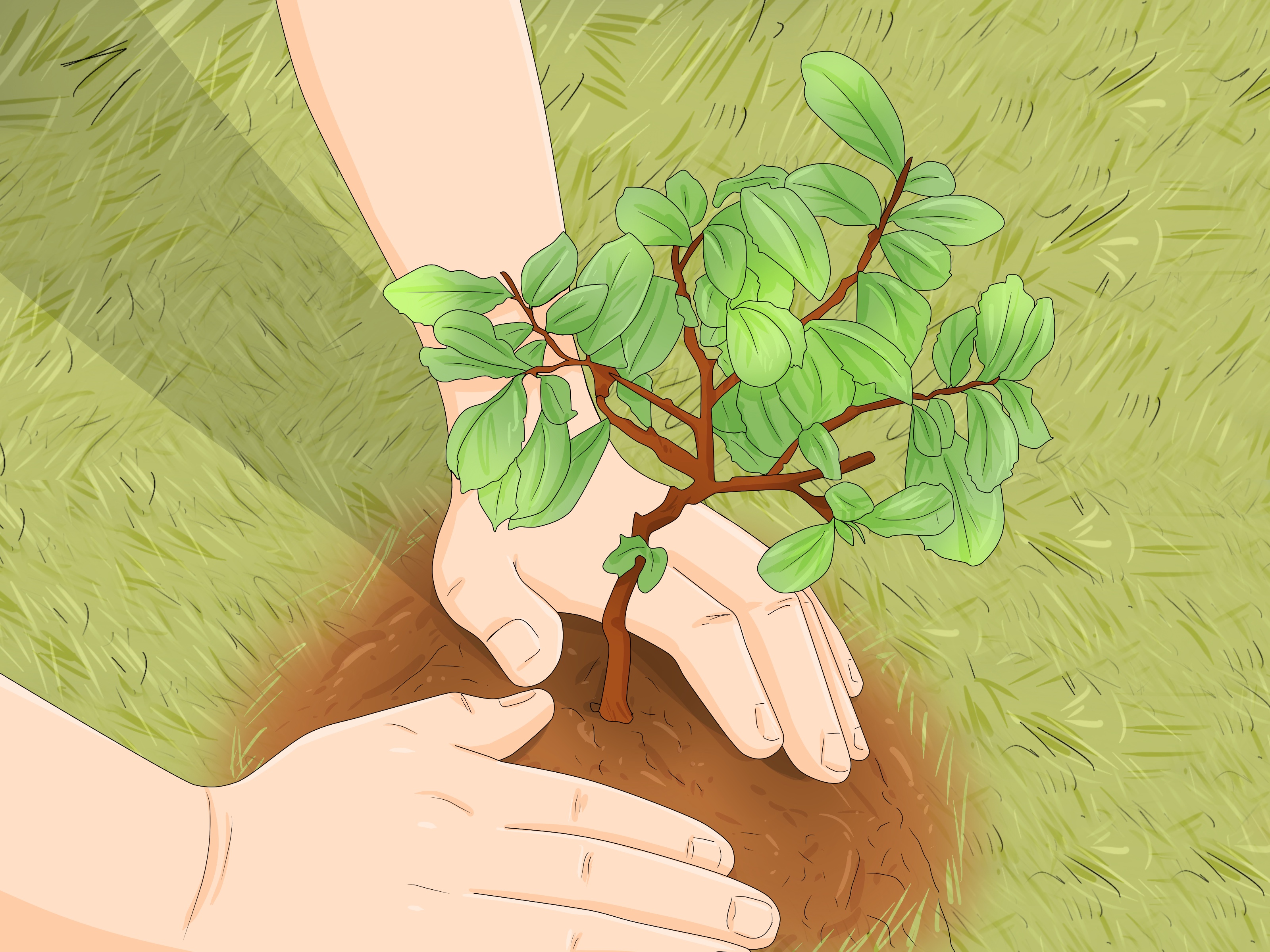
Planting native shrubs and trees can attract birds that may never visit a seed feeder. Serviceberry, elderberry, dogwood, oak, native grasses, coneflowers, sunflowers, and other regionally appropriate plants can support birds naturally. Flowering plants also attract insects, which become bird food. It is the backyard version of room service.
Layer your landscape with tall trees, medium shrubs, low plants, and leaf litter where appropriate. Birds like structure. A flat lawn with one lonely feeder is not as attractive as a yard with hiding places, perches, natural food, and seasonal interest.
9. Reduce Pesticides and Yard Chemicals
Birds are part of a food web, and many rely on insects, spiders, and other small creatures. Heavy pesticide use can reduce natural food sources and may expose wildlife to harmful substances. If your goal is to attract more birds, a perfectly sterile yard is not your friend.
Instead of spraying everything at the first sign of a bug, consider bird-friendly gardening practices. Use native plants, encourage beneficial insects, remove invasive plants, and accept a little natural mess. Leaves, seed heads, and brushy edges may not look like a magazine cover, but to birds, they can look like groceries, shelter, and a place to survive winter.
A healthy yard does not need to be wild beyond recognition. Even a small native plant bed, a pesticide-free corner, or a few seed-bearing flowers can make your feeder area more appealing.
10. Protect Birds From Cats, Windows, and Squirrels
Attracting birds also means keeping them safe. Outdoor cats are a serious danger to backyard birds, especially around feeders where birds gather predictably. Keep pet cats indoors, and place feeders away from low shrubs, fences, decks, or objects that give cats a hiding place or launch point.
Windows are another concern. Reflections can confuse birds, and feeders placed in the wrong zone may increase collision risk. A common safety approach is to place feeders either very close to windowswithin about 3 feetso birds cannot build up much speed, or farther away, beyond about 10 feet. Window decals, screens, external patterns, and other bird-safe treatments can also help.
Squirrels may not harm birds directly, but they can empty feeders, damage equipment, and turn your peaceful hobby into a daily comedy show. Use baffles, squirrel-resistant feeders, and smart placement. Keep feeders away from jumping points such as tree branches, fences, and roofs. Do not use sticky substances or unsafe chemicals to deter squirrels.
11. Be Consistent and Patient
Birds trust reliable food sources. If your feeder is full one week, empty the next, then moved to a different corner, then filled with a totally different seed, birds may not build a routine around it. Consistency helps.
Keep feeders stocked with fresh food, especially during cold mornings, migration periods, and harsh weather. Refill in reasonable amounts so seed does not sit too long. Watch which birds arrive and what they eat. Over time, you will learn your local flock’s habits.
It may take days or weeks for a feeder to become popular. Once one or two birds find it, others often follow. Birds notice activity. A chickadee visiting your feeder can become free advertising to the rest of the neighborhood. No marketing budget required.
Common Mistakes That Keep Birds Away
Even small mistakes can make a feeder less successful. One common problem is using cheap seed mixes full of filler grains that birds ignore. Another is placing feeders too far from cover, which makes birds feel exposed. Dirty feeders, wet seed, and old food can also discourage visits and increase health risks.
Some people give up too soon. A quiet feeder does not mean failure. It may simply mean birds have not found it yet. Others change too much too quickly, which makes it harder to know what worked. Improve one or two things at a time: better seed, safer placement, fresh water, or cleaner feeders.
Finally, remember that not every bird eats from feeders. Robins, waxwings, warblers, and many other species may be more interested in insects, berries, or water than seed. That is why combining feeders with native plants is the strongest long-term strategy.
Best Feeder Setup for Beginners
If you are starting from zero, keep it simple. Hang a sturdy hopper or tube feeder filled with black oil sunflower seed. Place it nearbut not insideshrubs or trees. Add a shallow birdbath within view. Clean both regularly. Watch for two weeks before making major changes.
Once birds begin visiting, add a suet feeder for woodpeckers and nuthatches or a finch feeder with Nyjer seed. If hummingbirds live in your region, add a nectar feeder during the appropriate season and clean it often. Over time, you can create feeding zones for different species without turning your yard into an airport terminal.
Seasonal Tips for Attracting Birds to Feeders
Spring
Spring birds are busy nesting, migrating, and defending territories. Offer fresh seed, suet in cool weather, mealworms for insect-eating birds, and native plants that support caterpillars and pollinators. Keep feeders extra clean because birds are moving around and mingling.
Summer
In summer, natural food is often abundant, so feeder activity may slow. Keep nectar feeders clean, offer fresh water, and avoid letting seed spoil in humidity. Shade can help protect food and make the feeding area more comfortable.
Fall
Fall migration can bring exciting visitors. Keep feeders stocked, leave seed heads on flowers, and provide water. Birds preparing for migration need reliable energy sources.
Winter
Winter feeding can be especially helpful in cold regions. High-energy foods such as sunflower seed, suet, and peanuts can attract hungry birds. Evergreens and brush piles offer shelter from wind and predators.
Real-Life Experience: What Actually Works When You Want More Birds
One of the biggest lessons in attracting birds is that the feeder itself is only part of the story. Many beginners hang a feeder, fill it once, and expect a Disney-style musical number by breakfast. In reality, birds behave more like cautious neighbors peeking through the blinds. They watch, test, retreat, and return when nothing terrible happens.
A practical experience that works well is starting with visibility. Place the feeder where birds already pass through the yard. If birds often land on a fence, perch in a nearby tree, or hop around a garden bed, that is your clue. A feeder hidden in a random corner may be technically available, but birds are not scrolling a map app to find it.
Another lesson is that seed quality changes everything. When a feeder is filled with a low-quality mix, birds often scatter the unwanted pieces on the ground. It looks busy for a day, then messy for a week. Switching to black oil sunflower seed or sunflower hearts can quickly improve results. The birds waste less, the ground stays cleaner, and you spend less time wondering why you paid for seed nobody wants.
Water is another surprisingly powerful upgrade. A small birdbath with fresh water can bring in birds even when feeder activity is slow. In warm weather, birds may visit just to drink or bathe. In dry periods, water can become the main attraction. Adding a small bubbler or dripper makes the setup even more noticeable. The sound of moving water is like a tiny backyard announcement: “Spa open, no reservations required.”
Cleaning also matters more than many people expect. A feeder that looks fine from the kitchen window may be packed with damp seed, dust, hulls, or droppings up close. Once cleaning becomes routine, birds tend to visit more consistently. Fresh food and clean surfaces are basic, but they are powerful.
Safety is equally important. Birds do not relax at a feeder if they feel trapped. The best feeding stations usually have a perch nearby, a clear view of danger, and quick access to shelter. If cats roam the area, move feeders into open spaces where cats cannot hide. If windows are close, use bird-safe window treatments or adjust feeder distance.
Finally, patience is the secret ingredient. The first visitor might be a chickadee, a sparrow, or a bold cardinal. Once that first bird returns a few times, others notice. A quiet feeder can suddenly become a busy breakfast counter. Keep the food fresh, the water clean, and the setup safe. Birds reward consistency. They may be small, but they are excellent quality-control inspectors.
Conclusion
Attracting birds to a feeder is not about luck. It is about offering the right food in the right place, keeping the area clean, adding water, building natural habitat, and making birds feel safe. Start simple with quality seed, a clean feeder, nearby cover, and fresh water. Then observe what happens. Your local birds will teach you what they prefer, usually without filling out a customer satisfaction survey.
With these 11 easy tips, your feeder can become more than a decoration. It can become a lively, healthy, bird-friendly stopover that supports local wildlife and gives you a front-row seat to one of nature’s best daily shows.