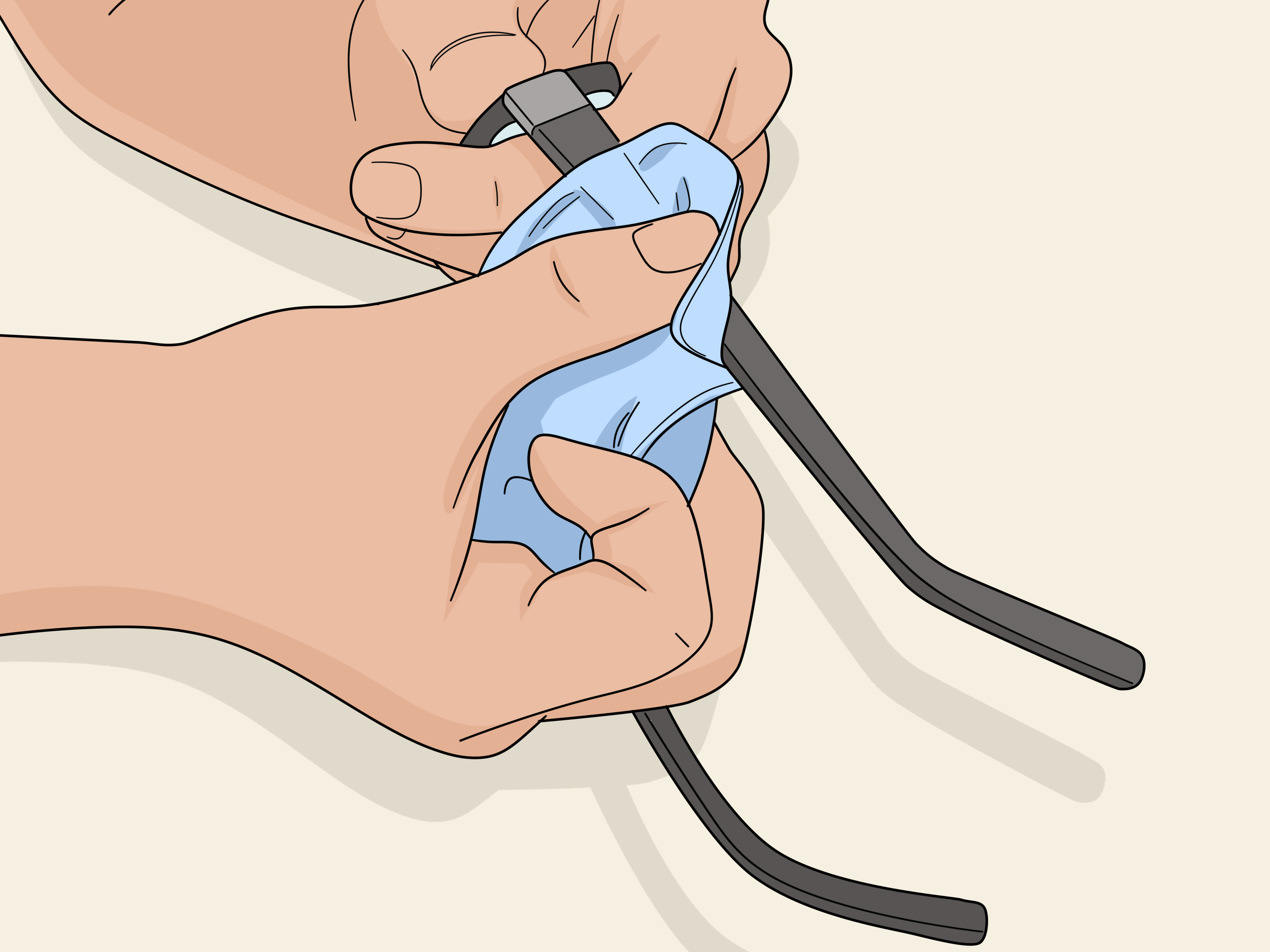
Eyeglasses frames live a surprisingly dramatic life. They sit on your face all day, collect skin oils like tiny detectives, survive coffee steam, sunscreen, makeup, gym sweat, pocket lint, and the occasional mysterious crumb. The lenses usually get all the attention because smudges are easy to spot. Frames, however, are where the real hidden grime party happens.
Learning how to clean eyeglasses frames properly helps your glasses feel fresher, look better, and last longer. It also prevents buildup around the nose pads, temples, hinges, and bridgethe areas that touch your skin the most. The good news? You do not need a laboratory, a tiny wizard, or a luxury cleaning kit. Most safe frame-cleaning routines require only lukewarm water, a small amount of lotion-free dish soap, a clean microfiber cloth, and a gentle touch.
This guide covers three practical ways to clean glasses frames: a deep soap-and-water wash, a detailed cleaning for nose pads and hinges, and a quick daily maintenance method. We will also explain what to avoid, how often to clean your frames, and how different materials respond to common cleaning habits.
Why Cleaning Eyeglasses Frames Matters
Frames are not just decorative borders around your lenses. They touch your nose, cheeks, ears, hair, and hands every day. That means they collect oil, sweat, dust, dead skin cells, skincare products, and whatever your fingers were doing five minutes ago. If your glasses slide down your nose, smell slightly odd, feel sticky near the temples, or show greenish buildup around metal nose pads, your frames are politely begging for a bath.
Clean frames can also improve comfort. Oily nose pads may make glasses slip. Dirty temples can irritate the skin behind your ears. Grime near hinges can make the arms feel stiff. And if you wear your glasses while cooking, exercising, commuting, or working at a computer all day, buildup can happen faster than you expect.
The safest cleaning approach is gentle. Eyeglasses may seem sturdy, but many frames have coatings, tiny screws, flexible hinges, decorative finishes, or delicate nose pad mounts. Harsh cleaners can cloud plastic, strip finishes, discolor metal, or damage lens coatings. Think of your glasses less like kitchen equipment and more like a tiny face appliance with feelings.
Before You Start: Gather the Right Supplies
For most eyeglasses frames, you only need a few simple items:
- Lotion-free dish soap or mild liquid soap
- Lukewarm water
- A clean microfiber cloth made for lenses or eyewear
- Cotton swabs for small areas
- A very soft toothbrush for nose pads and hinges, used gently
- Eyeglass cleaning spray or lens-safe wipes for quick touch-ups
Avoid hot water, paper towels, tissues, napkins, shirt fabric, household glass cleaner, bleach, vinegar-heavy mixtures, acetone, ammonia, and abrasive scrubbers. Your T-shirt may look soft, but to a coated lens or polished frame, it can behave like sandpaper wearing a casual outfit.
Way 1: Clean Eyeglasses Frames With Lukewarm Water and Mild Soap
This is the best all-around method for cleaning eyeglasses frames at home. It removes oils, sweat, sunscreen, dust, and everyday grime without using harsh chemicals. It is especially useful for frames that feel slippery, sticky, or dull.
Step 1: Wash Your Hands First
Before touching your glasses, wash your hands with soap and water. Dry them with a clean, lint-free towel. This step sounds obvious, but skipping it is like mopping the floor while wearing muddy shoes. Your fingers can transfer oil and dirt right back onto the frames.
Step 2: Rinse the Frames Under Lukewarm Water
Hold your glasses under a gentle stream of lukewarm water. Do not use hot water. High heat can affect lens coatings and may weaken certain frame materials over time. The first rinse removes loose dust and debris so you do not grind particles into the frame or lenses while cleaning.
Step 3: Apply a Tiny Drop of Lotion-Free Dish Soap
Place a small drop of lotion-free dish soap on your fingertips. Gently rub the soap over the entire frame: the bridge, rims, temples, hinges, and the parts that sit behind your ears. If your frames have nose pads, clean around them carefully. You do not need a bubble festival. A little soap is enough.
Pay special attention to areas that touch skin. The temples collect hair products and sweat. The bridge collects oil. Nose pads collect everything and then act innocent. Use your fingertips rather than your nails, because nails can scratch softer materials or loosen delicate parts.
Step 4: Rinse Thoroughly
Rinse the entire frame under lukewarm water until all soap is gone. Soap residue can leave streaks on lenses and a film on frames. It can also make nose pads feel slippery. Turn the glasses gently so water reaches the hinges and the underside of the bridge.
Step 5: Dry With a Clean Microfiber Cloth
Shake off excess water gently, then dry the frames with a clean microfiber cloth. Avoid paper towels and tissues because they can leave lint or fine scratches. Do not use a microfiber cloth that has been living at the bottom of a backpack collecting snack dust since last semester. A dirty cloth can put grime right back where you just removed it.
Best For
This method works well for most plastic, acetate, metal, titanium, and mixed-material frames. It is ideal for weekly cleaning or whenever your glasses feel oily. If your frames include wood, leather, fabric, rhinestones, glued decorations, or specialty finishes, use less water and check the brand’s care instructions first.
Way 2: Clean Nose Pads, Hinges, and Hard-to-Reach Frame Areas
The second method is for the tiny trouble zones: nose pads, hinges, rim grooves, screws, and the ends of the temples. These areas trap grime because they have corners, gaps, and moving parts. A normal wipe may not reach them, which is why your lenses can look spotless while the nose pads look like they have been mining minerals.
Step 1: Make a Gentle Cleaning Mixture
Mix a small amount of mild dish soap with lukewarm water in a clean bowl. Dip a cotton swab into the mixture and squeeze out extra liquid. You want it damp, not dripping like it just survived a thunderstorm.
Step 2: Clean Around the Nose Pads
Use the damp cotton swab to clean around the nose pads and pad arms. If your glasses have silicone nose pads, gently clean both the front and back of each pad. This area often gathers skin oil, makeup, sweat salts, and dust. On some metal frames, greenish buildup may appear near nose pads due to oxidation and grime. Gentle cleaning usually helps, but if the pads are stained, yellowed, cracked, or smell unpleasant, replacement may be the better option.
Step 3: Use a Soft Toothbrush Carefully
For stubborn buildup around hinges or nose pads, use a very soft toothbrush dipped in the soapy water. Brush lightly. Do not scrub like you are cleaning grill grates before a barbecue. Eyeglasses have tiny screws and finishes that deserve respect. Keep the toothbrush away from the lenses as much as possible to reduce the risk of scratches.
Step 4: Rinse and Dry Completely
After detailing the small areas, rinse the frame with lukewarm water. Dry thoroughly with a clean microfiber cloth. Pay attention to hinges, screws, and nose pad mounts because trapped moisture can encourage corrosion on some metal parts. Open and close the temples gently while drying so water does not hide in the hinge area.
When to Replace Nose Pads
Nose pads are small, inexpensive parts, and they do not last forever. Replace them if they are yellow, hardened, cracked, loose, or permanently discolored. Many optical shops can replace nose pads quickly. If your frames keep sliding even after cleaning, worn nose pads may be the sneaky little villains.
Best For
This method is excellent for metal frames with adjustable nose pads, rimmed frames with narrow grooves, and any pair that has visible grime around screws or hinges. It is also helpful if you wear makeup, sunscreen, hair products, or face moisturizer daily.
Way 3: Use Eyeglass Spray, Lens Wipes, and Daily Frame Maintenance
The third way is for busy days when you do not have time for a full sink-cleaning session. Eyeglass cleaning spray, lens-safe wipes, and a clean microfiber cloth can help maintain frames between deeper washes. This is the “I have three minutes before leaving the house” method.
Use Lens-Safe Cleaning Spray
Spray a small amount of eyeglass cleaner onto the lenses and frame, or onto the microfiber cloth if the product directions recommend it. Wipe the lenses first, then clean the bridge, temples, and nose pads. Make sure the spray is safe for coated lenses and eyewear. Avoid household glass cleaners because many contain ingredients that are too harsh for eyeglasses.
Use Pre-Moistened Lens Wipes Carefully
Disposable lens wipes can be useful when traveling, commuting, or cleaning glasses at school, work, or in the car. Choose wipes labeled safe for eyeglasses and coated lenses. Use them gently on the lenses, then swipe the frame areas that touch your skin. Do not use random disinfecting wipes on your glasses. A wipe designed for countertops is not automatically invited to your face.
Keep a Dedicated Microfiber Cloth
A microfiber cloth works best when it is clean. Keep one cloth only for your glasses. Wash it regularly with mild detergent, and avoid fabric softener or dryer sheets because they can leave residue. Store the cloth in a case or pouch so it does not collect grit. A clean cloth polishes; a dirty cloth redistributes yesterday’s face oil with confidence.
Store Glasses in a Case
When you are not wearing your glasses, put them in a hard case. This protects the frames from dust, pressure, accidental bending, and the classic “I sat on them” tragedy. If you set glasses on a table, place them folded with the lenses facing upward. Never place them lens-down.
Best For
This method is best for daily touch-ups, travel, school, office use, and quick cleaning after exercise or outdoor activities. It does not replace a deeper soap-and-water cleaning, but it keeps buildup from becoming a full-time resident.
How Often Should You Clean Eyeglasses Frames?
For most people, a quick daily wipe and a deeper cleaning once or twice a week works well. If you have oily skin, wear makeup, exercise in glasses, live in a humid climate, or use sunscreen often, clean your frames more frequently. Nose pads may need attention every few days because they sit directly on the skin and collect oils quickly.
Children’s glasses may need cleaning even more often because kids are talented at touching everything, including the one sticky object in a room that no adult can identify. Sports glasses and safety glasses should also be cleaned after heavy use.
What Not to Use on Eyeglasses Frames
The wrong cleaner can damage frames faster than daily wear. Avoid these common mistakes:
- Hot water: It can affect lens coatings and may stress some frame materials.
- Window cleaner: Household glass cleaners may contain ammonia or other chemicals that are too harsh for eyewear.
- Acetone or nail polish remover: These can damage plastic and finishes very quickly.
- Bleach: Too harsh for frames, lenses, and your skin.
- Paper towels or tissues: They can leave lint and may scratch lenses or polished surfaces.
- Your shirt: Convenient, yes. Safe, not always. Fabric can hold dust and tiny particles.
- Too much alcohol: Alcohol may be acceptable for some nose pads in limited cases, but it can dry, cloud, or damage certain frame finishes and lens coatings.
Frame Material Tips
Plastic and Acetate Frames
Plastic and acetate frames usually respond well to lukewarm water and mild soap. Avoid alcohol-heavy cleaners, high heat, and long soaking. Acetate can lose shine or become cloudy if treated harshly.
Metal Frames
Metal frames are durable, but hinges, screws, and nose pad arms can collect moisture. Dry them carefully after rinsing. If you see corrosion, loose screws, or green buildup that keeps returning, visit an optical shop for adjustment or replacement parts.
Titanium Frames
Titanium frames are lightweight and corrosion-resistant, but they still need gentle cleaning. Use the same mild soap method and avoid abrasive tools around delicate finishes.
Specialty Frames
Wood, leather, horn, fabric-covered, or decorated frames may need special care. Do not soak them unless the manufacturer says it is safe. Use a barely damp cloth and follow brand instructions.
Common Cleaning Problems and Simple Fixes
My Glasses Still Feel Greasy
You may be using too much soap, not rinsing enough, or cleaning with a dirty cloth. Wash your microfiber cloth and repeat the soap-and-water method with a smaller drop of dish soap.
My Nose Pads Look Yellow
Silicone nose pads can discolor over time. Cleaning may help, but old pads often need replacing. This is normal and usually inexpensive.
My Frames Smell Bad
Odor usually comes from oil and sweat buildup around nose pads, temples, and hinges. Deep clean those areas. If the smell remains, ask an optician to remove and replace nose pads or inspect hidden buildup.
My Glasses Slide Down My Nose
Clean the nose pads and bridge first. Oil can make frames slip. If they still slide, the fit may need adjustment. An optical shop can tighten temples, adjust nose pads, or check whether the frame size is right.
Experience Section: What Real Life Teaches You About Cleaning Eyeglasses Frames
The first lesson about cleaning eyeglasses frames is that people usually wait too long. Most glasses wearers clean the lenses when the world starts looking like a foggy movie scene, but the frames quietly collect buildup for weeks. Then one day you look closely at the nose pads and think, “Was this always a tiny archaeological site?” That moment is humbling, educational, and slightly rude.
In daily life, the best routine is the one you will actually follow. A perfect ten-step cleaning ritual sounds wonderful until Monday morning arrives and your coffee is doing more emotional support than your alarm clock. That is why keeping a small microfiber cloth and a lens-safe spray near your desk, backpack, or nightstand makes a difference. When cleaning supplies are easy to reach, you clean more often. When they are buried in a drawer under old receipts, your glasses become a mobile museum of fingerprints.
One practical experience is that the bridge and temples matter more than people think. The bridge sits where skin oil gathers quickly, especially in warm weather. The temple tips rest near hair, ears, and sometimes hair products. If you use gel, leave-in conditioner, sunscreen, moisturizer, or makeup, your frames will tell the story by the end of the day. A quick wipe of these areas every evening can make your glasses feel newer.
Another useful habit is cleaning glasses after activities that make you sweat. Walking outside in summer, playing sports, cooking over a hot stove, or sitting in a humid room can leave residue on frames. Sweat dries into salt, and salt loves to hide around nose pads and hinges. A gentle rinse and microfiber dry after heavy sweating can prevent that crusty feeling that makes glasses uncomfortable.
People who wear glasses all day also learn that not all microfiber cloths are equal. The cloth that came with your glasses is greatuntil it spends three months loose in a bag. Once it collects dirt, crumbs, or grit, it becomes risky. Washing microfiber cloths regularly is one of those tiny chores that feels unnecessary until you realize your “cleaning cloth” is basically a napkin with a college degree.
Travel teaches another lesson: disposable lens wipes are useful, but they are not magic. They work well for quick touch-ups in airports, classrooms, offices, or cars. However, if your frames are oily or dusty, a wipe may smear residue instead of fully removing it. For serious grime, soap and water still win. Think of wipes as the snack, not the full dinner.
Finally, cleaning frames helps you notice maintenance problems early. While drying your glasses, you may spot a loose screw, bent temple, cracked nose pad, or peeling coating. Catching these issues early can save you from the exciting adventure of having your glasses fall apart in public. Nobody wants to crawl under a restaurant table looking for a microscopic screw while pretending everything is fine.
The best frame-cleaning experience is simple: clean gently, clean regularly, and do not wait until your glasses feel like they have been on a camping trip without you. A little care keeps them comfortable, clear, and ready for whatever your face has planned next.
Conclusion
Cleaning eyeglasses frames does not have to be complicated. The safest routine is simple: wash your hands, rinse the glasses with lukewarm water, use a tiny amount of lotion-free dish soap, clean the frame gently, rinse thoroughly, and dry with a clean microfiber cloth. For stubborn buildup, focus on nose pads, hinges, temples, and the bridge with a cotton swab or very soft toothbrush. For daily maintenance, use lens-safe spray, eyewear wipes, and a clean cloth.
The real secret is consistency. Frames collect oil and grime every day, so small cleaning habits prevent big buildup. Treat your glasses like something that sits on your face for 12 hours a daybecause, well, they do. Keep them clean, store them safely, and they will reward you with better comfort, a fresher feel, and fewer “why are my glasses sticky?” moments.