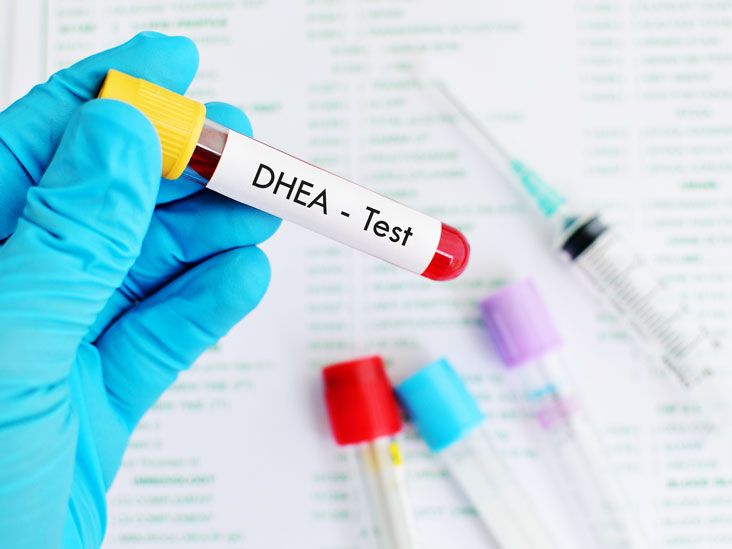
The DHEA-sulfate serum test sounds like something a scientist would whisper dramatically while holding a clipboard. In real life, it is much less theatrical: it is a simple blood test that measures the amount of dehydroepiandrosterone sulfate, commonly called DHEA-S, in your bloodstream. The test helps healthcare providers understand how well the adrenal glands are working and whether certain hormone-related symptoms may be connected to adrenal androgen production.
DHEA-S is a steroid hormone made mostly by the adrenal glands, which are two small but busy glands sitting on top of the kidneys. These glands help produce hormones involved in stress response, blood pressure, salt balance, metabolism, and sex-hormone pathways. DHEA-S itself can be converted by the body into androgens and estrogens, which is why abnormal levels may show up as changes in puberty timing, menstrual patterns, acne, hair growth, or signs of adrenal disease.
The important thing to know right away is this: a DHEA-S result is not a diagnosis by itself. It is a clue. Sometimes it is a very helpful clue, like a neon sign in a detective movie. Other times, it is just one piece of a larger hormone puzzle that also includes symptoms, medical history, age, sex, medications, physical exam findings, and other lab tests.
What Is the DHEA-Sulfate Serum Test?
The DHEA-sulfate serum test measures DHEA-S in the blood. DHEA stands for dehydroepiandrosterone, and DHEA-S is its sulfated form. The “sulfate” part matters because DHEA-S tends to be more stable in the bloodstream than DHEA. DHEA levels may fluctuate more during the day, while DHEA-S is generally steadier, making it useful for evaluating adrenal hormone activity.
Because DHEA-S is produced mainly by the adrenal glands, doctors often use it when they want to know whether excess androgen signs may be coming from the adrenal glands rather than from the ovaries, testes, or another source. This makes the test especially helpful in the workup of hirsutism, acne related to androgen excess, irregular periods, early puberty, congenital adrenal hyperplasia, and possible adrenal tumors.
Why Doctors Order a DHEA-Sulfate Test
A healthcare provider may order a DHEA-S test when symptoms suggest that androgen levels are higher or lower than expected. Androgens are often casually called “male hormones,” but that nickname is only half-right. Everyone has androgens. The issue is whether the level is appropriate for the person’s age, sex, symptoms, and overall health picture.
Common reasons for testing
- To check how well the adrenal glands are functioning
- To evaluate excess facial or body hair growth in women or girls
- To investigate irregular or absent menstrual periods
- To help evaluate acne that may be hormone-related
- To look for causes of early puberty in children
- To help distinguish adrenal androgen excess from ovarian or testicular causes
- To support evaluation for congenital adrenal hyperplasia
- To assess possible adrenal tumors when DHEA-S is very high
- To help investigate adrenal insufficiency when symptoms point in that direction
In women and girls, high DHEA-S may be considered when symptoms include excess hair growth, acne, menstrual irregularity, scalp hair thinning, or voice deepening. In men, high DHEA-S may cause few or no obvious symptoms, so the test is often ordered because of another concern, such as an adrenal evaluation or abnormal hormone panel.
DHEA vs. DHEA-S: What Is the Difference?
DHEA and DHEA-S are closely related, but they are not identical. DHEA is a hormone precursor that can be converted into other hormones. DHEA-S is the sulfated version, which acts more like a circulating storage form. Think of DHEA as a quick-spending wallet and DHEA-S as the savings account. Both matter, but DHEA-S is often easier to measure consistently because its blood level tends to be more stable.
This stability is one reason the DHEA-S blood test is commonly used in adrenal hormone evaluations. It gives healthcare providers a clearer look at adrenal androgen production without as much day-to-day or hour-to-hour noise.
How to Prepare for the Test
Preparation is usually simple. For many people, no special preparation is needed beyond showing up for a blood draw. However, instructions can vary depending on the laboratory, the reason for testing, and the other tests ordered at the same time.
Your provider may ask about supplements, hormone medications, birth control, corticosteroids, or other medicines that could affect hormone results. DHEA supplements, in particular, can change DHEA-S levels and should always be discussed with a clinician before testing. Some labs may also provide instructions about biotin, a vitamin commonly found in hair, skin, and nail supplements, because it can interfere with certain immunoassay-based lab tests.
Before the blood draw, ask your provider:
- Should I fast before the test?
- Should I pause any supplements, especially DHEA or biotin?
- Does the timing of the blood draw matter for my case?
- Are other hormone tests being ordered with DHEA-S?
- When and how will I receive my results?
Do not stop prescribed medication on your own. Hormone testing is already confusing enough without turning your medicine cabinet into a guessing game.
What Happens During the DHEA-Sulfate Serum Test?
The procedure is straightforward. A healthcare professional draws a small sample of blood, usually from a vein in your arm. The area is cleaned, a needle is inserted, blood is collected into a tube, and the sample is sent to a laboratory for analysis.
The entire process usually takes only a few minutes. You may feel a quick pinch or sting when the needle goes in. Afterward, there may be mild bruising or soreness at the site. Most people return to normal activities right away, though if you feel lightheaded after blood draws, tell the staff before the test. They have seen it before, and no, you will not be the most dramatic patient of the day.
Understanding DHEA-S Test Results
DHEA-S results are usually reported in units such as micrograms per deciliter or micromoles per liter, depending on the laboratory. Reference ranges vary by lab, age, sex, and sometimes stage of puberty. That is why comparing your number to a random chart online can cause unnecessary panic. A result that looks “high” for one person may be expected for another.
DHEA-S levels are naturally higher during young adulthood and often decline with age. Children, adolescents, adult women, adult men, and older adults all have different expected ranges. The best interpretation comes from the lab’s own reference interval and your healthcare provider’s clinical judgment.
What a normal result may mean
A DHEA-S result within the lab’s reference range suggests that adrenal androgen production is not obviously abnormal. However, normal DHEA-S does not automatically rule out every hormone condition. For example, polycystic ovary syndrome, menstrual irregularities, acne, or hair growth changes may involve other hormones even when DHEA-S is normal.
What high DHEA-S may mean
A high DHEA-S level may suggest increased adrenal androgen production. Possible causes include polycystic ovary syndrome, congenital adrenal hyperplasia, adrenal gland overactivity, or, less commonly, an adrenal tumor. Mild elevations are often interpreted differently from very high elevations. A small increase may call for repeat testing or additional hormone workup, while a very high result may require more urgent evaluation.
What low DHEA-S may mean
A low DHEA-S level can occur with aging, adrenal insufficiency, Addison disease, pituitary-related hormone problems, or certain medications. Low results are usually interpreted alongside cortisol, ACTH, electrolytes, symptoms, and medical history. Fatigue alone, for example, is not enough to diagnose an adrenal disorder. The body loves being complicated; lab interpretation has to respect that.
Possible Meaning of DHEA-S Results
| Result Pattern | Possible Interpretation | Common Next Steps |
|---|---|---|
| Within reference range | Adrenal androgen production appears typical for the lab range | Review symptoms and consider other hormone tests if needed |
| Mildly high | May be related to androgen excess, PCOS, medication effects, supplements, or normal variation | Repeat testing, review medications, check testosterone, 17-hydroxyprogesterone, LH, FSH, or other labs |
| Very high | May raise concern for adrenal source, including rare adrenal tumors | Prompt clinical evaluation, additional labs, and possible imaging if indicated |
| Low | May occur with aging, adrenal insufficiency, pituitary issues, or medication effects | Evaluate symptoms, cortisol, ACTH, electrolytes, and adrenal function when appropriate |
Conditions Linked to Abnormal DHEA-S Levels
Polycystic ovary syndrome
PCOS is one of the most common conditions considered when women have signs of androgen excess, such as irregular periods, acne, or excess facial or body hair growth. DHEA-S may be elevated in some people with PCOS, although testosterone and other markers are also important. A PCOS diagnosis is not based on DHEA-S alone.
Congenital adrenal hyperplasia
Congenital adrenal hyperplasia, often shortened to CAH, is a group of inherited adrenal enzyme disorders. Some forms can increase adrenal androgen production. DHEA-S may be part of the workup, but other tests, especially 17-hydroxyprogesterone, are often central to evaluation.
Adrenal tumors
Adrenal tumors are uncommon, but they are one reason doctors pay attention to very high DHEA-S levels. When DHEA-S is dramatically elevated, especially with rapidly developing symptoms, providers may order additional hormone tests and imaging to examine the adrenal glands.
Adrenal insufficiency
Low DHEA-S may appear in adrenal insufficiency, including Addison disease. Symptoms of adrenal insufficiency can include ongoing fatigue, weight loss, low blood pressure, salt craving, nausea, or changes in skin pigmentation. Because these symptoms can overlap with many other conditions, diagnosis requires a structured medical evaluation.
What Other Tests May Be Ordered?
A DHEA-S test often travels with a little entourage of other labs. Depending on the clinical question, a provider may order:
- Total and free testosterone
- Androstenedione
- 17-hydroxyprogesterone
- Cortisol
- ACTH
- LH and FSH
- Prolactin
- TSH and thyroid testing
- Metabolic tests such as glucose, A1C, or cholesterol when PCOS is suspected
- Imaging studies if an adrenal or ovarian source needs evaluation
These additional tests help answer the bigger question: why is the hormone pattern happening? The number itself matters, but the pattern matters more.
Common Misunderstandings About DHEA-S
“High DHEA-S means I definitely have a tumor.”
Not necessarily. Mild to moderate elevations can happen for several reasons, including PCOS or adrenal overactivity. Very high levels deserve careful follow-up, but a single result should not be turned into a worst-case scenario before your provider reviews it.
“Low DHEA-S means I should take DHEA supplements.”
Not automatically. DHEA supplements can affect hormone levels and may not be appropriate for everyone. They can also cause side effects or worsen certain hormone-sensitive conditions. Always discuss supplements with a qualified healthcare professional before using them.
“Normal DHEA-S means all my hormones are perfect.”
A normal DHEA-S result is reassuring for adrenal androgen production, but it does not evaluate every hormone system. Thyroid hormones, reproductive hormones, cortisol patterns, insulin resistance, and other factors may still need attention depending on symptoms.
When to Talk to a Healthcare Provider
You should discuss DHEA-S testing with a healthcare provider if you have persistent symptoms such as irregular periods, early puberty signs, unexplained androgen-related changes, severe acne that does not respond to usual care, or symptoms that suggest adrenal hormone imbalance. You should also ask for guidance if you are taking DHEA, testosterone, corticosteroids, or hormone-related supplements.
Seek prompt medical attention if symptoms develop rapidly, especially sudden deepening of the voice, quickly increasing facial or body hair growth, severe weakness, fainting, unexplained weight loss, or signs of significant hormonal change. Rapid changes can be more concerning than slow, mild symptoms.
Experience Section: What Getting a DHEA-Sulfate Serum Test Can Feel Like
For many people, the DHEA-Sulfate serum test begins with confusion, not the needle. The name alone can make the test sound intimidating. “Dehydroepiandrosterone sulfate” looks like it should come with a warning label and a pronunciation coach. But the actual experience is usually simple: a provider explains why the test is being ordered, you visit a lab, blood is drawn, and then you wait for results.
The waiting period is often the hardest part. People may start searching online and find everything from harmless explanations to terrifying possibilities. This is where context becomes your best friend. A DHEA-S result needs interpretation. Your age, sex, symptoms, menstrual history, medications, supplements, and other lab results all matter. A slightly high result in one person may mean something completely different from a very high result in someone else.
Someone being evaluated for irregular periods and acne may have DHEA-S checked as part of a broader PCOS workup. In that case, the provider may also look at testosterone, LH, FSH, prolactin, thyroid testing, glucose, insulin resistance markers, and cholesterol. The DHEA-S result is not the whole story; it is one chapter. It may help show whether the adrenal glands are contributing to androgen levels, but it does not single-handedly announce a diagnosis like a game-show host.
A parent may experience the test differently when it is ordered for a child with signs of early puberty. In that situation, the concern may be whether the adrenal glands are producing androgens earlier than expected. The blood draw itself may be quick, but the emotional side can feel bigger. Parents often worry about what the result means for growth, development, and long-term health. A calm explanation from the clinician can make a huge difference.
Adults being evaluated for fatigue or possible adrenal insufficiency may also encounter DHEA-S testing. In those cases, low DHEA-S may be reviewed along with cortisol, ACTH, blood pressure, sodium, potassium, and symptoms. Many people hope one lab value will explain everything. Sometimes it helps. Sometimes it simply points to the next question. That can be frustrating, but it is also how careful medicine works.
A practical tip from the patient side: bring a list of supplements and medications. This includes DHEA, biotin, hormone creams, birth control, steroids, “adrenal support” products, workout supplements, and anything purchased online because the label promised superhero energy. Your provider is not there to judge your shopping history; they need accurate information so the result can be interpreted correctly.
Another helpful step is to ask for the lab’s reference range when you receive your result. Do not compare your number to a random chart without knowing the units or the lab method. Reference ranges can differ, and DHEA-S changes naturally with age and pubertal stage. The same number may not mean the same thing for a teenager, a 30-year-old, and a 70-year-old.
Finally, remember that a DHEA-S test is a tool, not a verdict. It can help uncover adrenal hormone patterns, guide additional testing, and support better decision-making. The best experience happens when you treat the result as a conversation starter with your healthcare provider, not as a final answer delivered by a mysterious lab printer.
Conclusion
The DHEA-sulfate serum test is a useful blood test for evaluating adrenal androgen production. It may help healthcare providers investigate symptoms such as excess hair growth, acne, irregular periods, early puberty, suspected congenital adrenal hyperplasia, adrenal insufficiency, or rare adrenal tumors. The procedure is quick and usually low-risk, but the interpretation requires context.
High DHEA-S can suggest increased adrenal androgen production, while low DHEA-S may be linked to adrenal insufficiency, aging, pituitary-related issues, or medication effects. Still, no single DHEA-S result should be treated as a complete diagnosis. The smartest next step is to review the result with a healthcare provider who can connect the number to symptoms, medical history, and other test findings.
In short, DHEA-S testing is not scary. It is just a blood test with a long name and a surprisingly useful role in hormone evaluation. The name may need a seatbelt, but the test itself is usually simple.
Note: This article is for educational purposes only and should not replace diagnosis, treatment, or personalized medical advice from a licensed healthcare professional.