Some objects walk into a room quietly and still manage to steal the show. The Silvia Song Nested Indigo Bowls are exactly that kind of object: calm, sculptural, deeply blue, and just practical enough to avoid being accused of showing off. They are bowls, yes. But they are also a small conversation about wood, dye, patience, California craft, Japanese-inspired indigo traditions, and the fine art of making dinner feel less like a Tuesday survival mission.
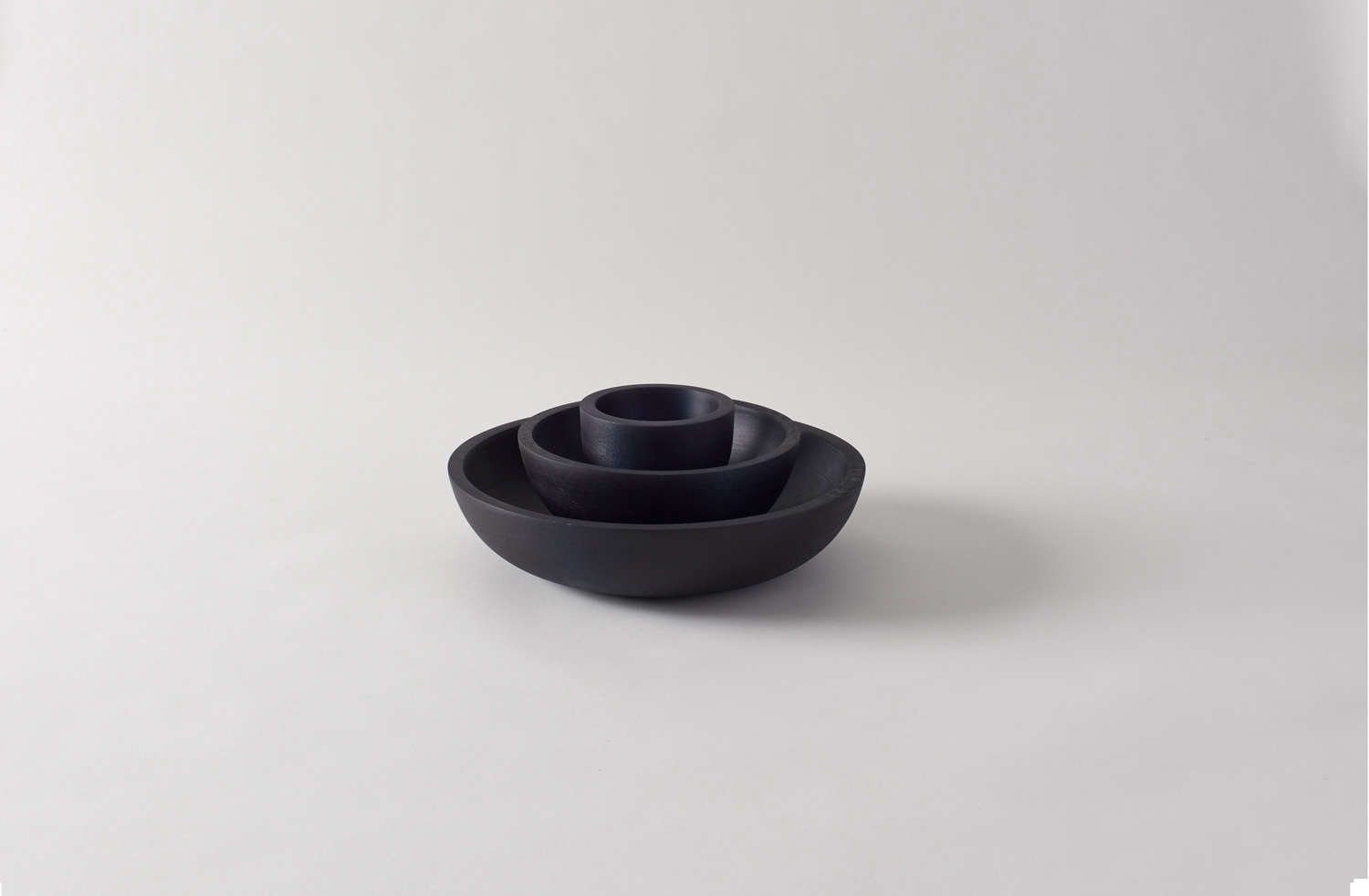
Created by Bay Area artist and designer Silvia Song in collaboration with natural dyer Kristine Vejar, these nested bowls combine hand-turned sugar maple with plant-based indigo dye. The result is a set that feels ancient and modern at the same time. One moment, they look like quiet minimalist tableware. The next, they resemble little moons pulled from a blue-black tide pool. That is the charm: they are useful, but they refuse to be ordinary.
This article explores what makes the Silvia Song Nested Indigo Bowls special, how they were made, why indigo matters, how they fit into modern American craft culture, and what it feels like to live with objects that ask you to slow down for half a second before tossing salad into them.
Who Is Silvia Song?
Silvia Song is a Brazilian-born, Los Angeles-raised, Bay Area-based artist and designer known for minimalist wooden bowls, vessels, butcher blocks, platters, and other functional objects. Before focusing on woodturning, she worked in architecture and design for more than a decade. That background matters because her bowls do not feel like random decorative pieces. They feel designed from the inside out.
Song has often been described as someone who approaches wood with the eye of an architect and the hands of a craftsperson. Her forms are simple, but not simplistic. A rim may curve just enough to soften the silhouette. A bowl may be light enough to lift easily, yet grounded enough to feel substantial on the table. This is the sort of restraint that looks effortless until you try to imitate it and end up with something shaped like a nervous pancake.
Her studio practice is rooted in close attention to material. She typically works with woods such as sugar maple and walnut, inspecting each block for grain, cracks, knots, density, and character before shaping it on a lathe. The process is physical and precise: the exterior is turned, sanded, remounted, hollowed, refined, and finished. The finished object may look serene, but it has been through a small woodworking obstacle course to get there.
What Are the Silvia Song Nested Indigo Bowls?
The Silvia Song Nested Indigo Bowls are hand-turned maple bowls dyed with natural indigo. They were listed as a MARCH exclusive and made in the United States. The bowls were offered in three sizes: small, medium, and large. Their dimensions were approximately 4.5 inches wide by 2.75 inches high for the small bowl, 8 inches wide by 3 inches high for the medium bowl, and 10.5 inches wide by 3 inches high for the large bowl.
The word “nested” is important. These bowls are designed to sit inside one another, creating a compact stack when stored and a layered visual rhythm when displayed. Nesting bowls have always been practical, but in Song’s hands they become sculptural. The three sizes create a quiet progression: small for salt, nuts, olives, or herbs; medium for fruit, grains, or side dishes; large for salad, bread, or a generous pile of citrus that makes the kitchen look like it has its life together.
The material is indigo-dyed sugar maple. Sugar maple is dense, pale, and fine-grained, which makes it an excellent canvas for both turning and dyeing. Its smooth grain allows the indigo to read clearly across the surface, while the natural wood underneath keeps the blue from feeling flat or artificial.
The Beauty of Indigo on Wood
Indigo is not just “blue.” Calling indigo blue is like calling coffee “brown water.” Technically true, emotionally unacceptable. Natural indigo has depth, variation, and a kind of visual weather. It can appear navy, smoky, stormy, violet-leaning, or almost black depending on the material, the light, and the number of dips in the vat.
In the Silvia Song Nested Indigo Bowls, indigo gives wood a new personality without hiding the fact that it is wood. The surface still carries warmth. The grain still matters. The dye does not behave like a plastic coating or a painted disguise. Instead, it settles into the material, creating a layered finish that feels alive.
That is why these bowls appeal to people who love handmade objects. They are not perfect in the sterile, factory-polished sense. They are perfect in the better sense: balanced, intentional, and full of tiny variations that prove a human being was involved. You are not buying a bowl that looks like every other bowl in a warehouse. You are buying a piece with a specific relationship between tree, tool, dye, hand, and time.
The Collaboration With Kristine Vejar
A major reason these bowls stand out is the collaboration between Silvia Song and Kristine Vejar, a natural dyer, teacher, author, and co-owner of A Verb for Keeping Warm in Oakland, California. Vejar’s work centers on plant-based color, textile traditions, dye gardens, and sustainable making. Bringing her expertise into Song’s wooden forms gave the bowls their distinctive indigo identity.
The dye process associated with the bowls used indigo grown and composted in California. Composted indigo, known as sukumo in Japanese dye traditions, is part of a slow, living process. It involves fermentation, alkalinity, patience, and care. In the product description, the dye vat was described as a traditional-style Japanese indigo vat using composted indigo and handmade lye water fermented for 30 days. That detail matters because it places the bowls in a lineage of craft that is much older than the modern design market.
Indigo dyeing is often described as almost magical because the color transformation is dramatic. A dipped object or fiber may emerge greenish, then turn blue as oxygen interacts with the dye. The science is real, but the moment still feels like a tiny performance staged by chemistry. On a wooden bowl, that transformation becomes even more unusual because most people associate indigo with cloth, denim, shibori, or yarn rather than maple tableware.
Why These Bowls Feel Modern
The Silvia Song Nested Indigo Bowls fit beautifully into contemporary interiors because they combine minimal form with rich material character. Modern design often leans toward clean lines, reduced ornament, and functional beauty. These bowls check those boxes, but they avoid the coldness that sometimes sneaks into minimalism wearing very expensive shoes.
The shapes are simple enough to work in many settings: a white kitchen, a walnut dining table, open shelving, a ceramic-heavy collection, or a home with mid-century, Scandinavian, Japanese, or California modern influences. The indigo color adds visual weight without shouting. It is bold, but not loud. Dramatic, but not theatrical. It says, “I have taste,” not “I have installed a fog machine in the dining room.”
They also reflect a broader interest in slow design. Many consumers now want objects that carry a story: who made them, what materials were used, how they were produced, and whether they will last. The Silvia Song Nested Indigo Bowls answer those questions with unusual clarity. They are made from wood, shaped by hand, dyed through a natural process, and intended for real use.
Function: Are They Just Decorative?
No. While the bowls are beautiful enough to display, their proportions make them useful. The smaller size can hold finishing salt, toasted sesame seeds, berries, almonds, tea, spices, or a few perfect cherries when you want your snack to feel curated. The medium bowl works well for rice, roasted vegetables, citrus, bread rolls, or a composed side dish. The large bowl can serve salad, fruit, popcorn, or anything else that benefits from a generous, handsome container.
That said, these are handmade wooden bowls, not dishwasher-proof cafeteria equipment. They should be treated with care. Wood prefers gentle washing, quick drying, and occasional oiling. It does not enjoy being left soaking in the sink under a spoon, two plates, and the emotional weight of last night’s dinner. If cared for properly, a wooden bowl becomes more beautiful with age. If neglected, it can dry, crack, stain, or lose its finish.
How to Care for Indigo-Dyed Wooden Bowls
Care is part of ownership. Wash wooden bowls by hand with warm water, mild soap, and a soft cloth or sponge. Avoid hot soaking, harsh scrubbers, bleach, and dishwashers. Dry the bowl right away with a towel, then let it air-dry fully before stacking or storing. This routine is not difficult; it just asks you to treat the object like something made from a tree rather than something printed from plastic.
Many wooden kitchen objects benefit from food-safe mineral oil, beeswax blends, or maker-recommended wood conditioners. A light oiling can help reduce dryness and preserve the surface. For a dyed piece, it is best to follow the maker’s specific care instructions when available, because finishes and dye treatments vary. When in doubt, avoid aggressive cleaners and keep the routine simple.
Indigo may also develop character over time. Natural color can shift subtly with handling, light, moisture, and use. That should not be seen as failure. It is part of the living quality of the material. The same is true of good denim, old cutting boards, seasoned spoons, and cast iron pans that have survived three apartments and one questionable camping trip.
Design Analysis: Why the Bowls Work
The best thing about these bowls is balance. They balance utility and beauty, old processes and modern form, craft tradition and contemporary lifestyle. The indigo surface makes them visually memorable, but the shape keeps them grounded. The nesting format makes them practical, while the hand-turned construction makes them personal.
They also carry a strong sense of scale. The three sizes are not random. Together, they create a family of forms. When stacked, they read as one object. When separated across a table, they create continuity. This is one reason nested bowls are so satisfying: they solve storage and composition at the same time. It is the tableware equivalent of a good jazz trioeach piece can solo, but they sound better together.
Where They Fit in American Craft Culture
The Silvia Song Nested Indigo Bowls belong to a wave of American craft that values local production, natural materials, and small-batch design. They are not mass-market tableware built to disappear into a cabinet. They are part of a maker movement that celebrates touch, process, and the visible intelligence of the hand.
California is especially important to this story. Song’s Bay Area design practice, Vejar’s Oakland dye work, the use of California-grown and composted indigo, and the connection to MARCH in San Francisco all place the bowls in a specific creative ecosystem. This is not generic “artisan style.” It is a product of a real regional network: designers, dyers, retailers, gardeners, wood suppliers, and design-conscious cooks who care what objects feel like in daily life.
Who Should Consider Bowls Like These?
These bowls make sense for people who love handmade tableware, natural dyes, American craft, slow design, and functional art. They are especially appealing for collectors who already appreciate ceramics, wooden serving pieces, Japanese-inspired design, or indigo textiles. They also make sense for cooks who see serving as part of the meal rather than an afterthought.
They may not be ideal for someone who wants ultra-low-maintenance kitchenware. If your philosophy is “everything must survive the dishwasher or perish,” wooden bowls may test your patience. But for anyone willing to hand-wash and occasionally condition them, these pieces offer something factory tableware rarely does: a sense of companionship. They look better when used thoughtfully. They reward attention.
Styling Ideas for Silvia Song Nested Indigo Bowls
On Open Shelving
Stack the bowls on an open shelf with white stoneware, clear glass, or natural wood boards. The indigo creates a strong focal point without cluttering the space.
On a Dining Table
Use the large bowl for salad, the medium bowl for roasted vegetables, and the small bowl for flaky salt or toasted nuts. This creates a coordinated but relaxed table setting.
As a Kitchen Counter Still Life
Fill the large bowl with lemons, pears, persimmons, or onions. Deep indigo against bright produce is an easy visual win. It is also cheaper than renovating the kitchen.
With Natural Textiles
Pair the bowls with linen napkins, handwoven runners, or indigo-dyed cloth. The combination reinforces the natural dye story and creates a soft, layered table.
Experience: Living With Silvia Song Nested Indigo Bowls
Experience with a handmade object begins before it is used. With bowls like these, the first moment is visual. You notice the depth of the blue, the way the rim catches light, and the fact that the set seems both quiet and confident. Unlike glossy ceramic bowls that announce themselves immediately, these invite a slower look. You turn one slightly. You notice the curve. You look closer at the wood under the indigo. Suddenly, the bowl has taken up three minutes of your life, and you are not mad about it.
The second experience is tactile. A hand-turned wooden bowl has warmth even when the room is cool. It does not feel hard in the same way porcelain or glass does. It has a softer presence, a kind of low-key friendliness. The rim is where the maker’s skill becomes especially noticeable. If the lip is too thick, the bowl feels clumsy. If it is too thin, it feels fragile. A well-turned bowl lands in the sweet spot: light, useful, and comfortable to hold.
In daily use, the nested format becomes more practical than expected. The small bowl tends to become the “little helper” of the kitchen. It holds lemon wedges, sesame seeds, chopped herbs, olives, garlic cloves, or a single egg waiting its turn. The medium bowl is the weekday workhorse, ideal for berries, rice, roasted carrots, or snacks. The large bowl becomes the table anchor. Put a salad in it and even a simple meal feels more intentional.
The bowls also change the mood of serving. Food placed in indigo-dyed wood looks considered. A few oranges become a composition. Bread becomes rustic in the best way. Greens look brighter against the deep blue. Even popcorn looks like it has been promoted from couch snack to design object. That is the secret power of good tableware: it does not make the food better chemically, but it can make the moment better emotionally.
Care becomes part of the ritual. Hand-washing a wooden bowl is not a chore in the same category as scrubbing a burnt pan. It is quick, gentle, and oddly satisfying. You wash, dry, and return it to the shelf. Over time, the bowl gathers memory: dinners, quiet breakfasts, guests, seasonal fruit, small celebrations, and probably at least one evening when it held chips because nobody had the energy to pretend otherwise. That is not misuse. That is life.
The best experience these bowls offer is a reminder that useful objects can still have soul. They do not need screens, batteries, updates, alerts, or a subscription plan. They simply sit on the table, hold what you give them, and make the room feel a little more human. In a world full of disposable things, that feels almost radical.
Conclusion
The Silvia Song Nested Indigo Bowls are more than attractive wooden serving pieces. They represent a thoughtful meeting of architecture-informed design, hand-turned sugar maple, natural indigo dyeing, and Bay Area craft culture. Their beauty comes not from decoration alone, but from process: the shaping of wood, the patience of the dye vat, the restraint of the form, and the usefulness of the final object.
For collectors, cooks, and design lovers, these bowls offer a rare blend of function and feeling. They can hold salad, fruit, salt, bread, or snacks, but they also hold a story about how objects are made and why that still matters. The Silvia Song Nested Indigo Bowls remind us that everyday tools do not have to be boring. Sometimes the bowl on the table is not just a bowl. Sometimes it is the quietest, bluest, most beautifully behaved guest at dinner.