Stuffed animals are not just soft toys. They are bedtime bodyguards, couch companions, travel buddies, emotional support professionals, and, in many homes, tiny fabric celebrities with names, backstories, and questionable fashion choices. Whether you have a childhood teddy bear, a child’s favorite plush bunny, a collectible plush, or a squishy animal that has survived juice spills, road trips, and dramatic blanket forts, knowing how to care for it properly can help it stay clean, safe, soft, and lovable for years.
The good news? Taking care of a stuffed animal is not complicated. The slightly less glamorous news? You cannot simply toss every plush toy into the washing machine and hope for a miracle. Some stuffed animals can handle a gentle cycle. Others need a careful hand wash. A few delicate, antique, electronic, or pellet-filled plush toys need the spa-treatment version of cleaning: calm, slow, and absolutely no chaotic spinning.
This guide covers four practical ways to take care of your stuffed animal: cleaning it correctly, drying it safely, repairing small damage, and storing it the right way. These tips are based on real cleaning guidance, toy-safety practices, and common manufacturer recommendations, rewritten into one friendly, easy-to-follow article. Your stuffed animal may not say thank you, but its fluff will.
Why Stuffed Animal Care Matters
Stuffed animals collect more than hugs. They can pick up dust, crumbs, sweat, pet hair, pollen, odors, and the mysterious sticky substance that appears whenever children and snacks occupy the same room. Regular stuffed animal care helps keep plush toys fresh, reduces allergens, protects fabric, and makes the toy safer for children who cuddle, chew, drag, drop, and occasionally use their plush as a pancake.
Good care also extends the life of the toy. Plush fur can mat, seams can loosen, stuffing can clump, and colors can fade if a stuffed animal is washed too harshly or dried with high heat. A little patience prevents a lot of heartbreak, especially when the stuffed animal in question is “the one,” meaning the irreplaceable bedtime favorite that cannot be substituted by a newer model with suspiciously perky ears.
Way 1: Clean Your Stuffed Animal the Right Way
The first rule of cleaning stuffed animals is simple: check the care label. The label may tell you whether the toy is machine washable, surface washable, or not washable at all. If the tag is missing because someone cut it off in 2014 for “comfort reasons,” inspect the toy carefully before choosing a cleaning method.
When Machine Washing Is Safe
Many modern stuffed animals can be washed in a machine if they are sturdy, colorfast, and free of delicate parts. Machine washing may be a good choice if the plush toy has secure seams, no batteries, no glued-on decorations, no leather or faux-leather parts, no fragile accessories, and no old or brittle fabric.
Before washing, remove any detachable clothing or accessories. Place the stuffed animal in a mesh laundry bag or a pillowcase tied closed. This helps protect eyes, ears, tails, bows, and tiny plush dignity during the wash. Use cold water, mild detergent, and the delicate or gentle cycle. Avoid bleach, harsh stain removers, and heavily scented additives, especially for toys used by babies, toddlers, or anyone with sensitive skin.
If the stuffed animal has a visible stain, spot clean that area first. Dab the stain with a clean cloth and a small amount of mild soapy water. Do not scrub like you are sanding furniture. Plush fabric responds better to gentle blotting than aggressive friction. If color transfers to your cloth, stop and use only water or a very mild surface-cleaning method.
When Hand Washing Is Better
Hand washing is often the safer choice for older stuffed animals, delicate plush toys, sentimental keepsakes, toys with plastic pellets, or plush animals with long fur that could mat in a washer. Fill a basin or sink with cool water and a small amount of mild detergent. Submerge the toy only if it is safe to do so. Gently squeeze the soapy water through the plush, paying attention to dirty areas without twisting or wringing.
After washing, rinse with clean cool water until the soap is gone. Soap residue can make fur feel stiff or attract more dirt later. Press the toy gently between towels to remove extra water. Again, no wringing. A stuffed animal is not a dish towel, even if it has witnessed many kitchen disasters.
When Surface Cleaning Is the Only Safe Option
Some stuffed animals should not be soaked. This includes plush toys with electronic sound boxes, battery packs, lights, music features, glued decorations, cardboard stiffeners, delicate antique materials, or internal parts that may not dry fully. For these, surface cleaning is your best friend.
To surface clean a stuffed animal, dip a clean white cloth into warm water mixed with a tiny amount of mild soap. Wring the cloth until damp, not dripping. Wipe the plush gently, focusing on dirty areas. Use a second damp cloth with plain water to remove soap. Then blot with a towel and allow the toy to air dry completely.
For quick odor control between washes, sprinkle a small amount of baking soda over the plush, let it sit for a short while, then vacuum it off using a low-suction setting or brush it away thoroughly. This can freshen a stuffed animal without giving it a full bath. Just make sure no powder remains trapped in the fur, especially if the toy belongs to a young child.
Way 2: Dry and Fluff It Without Ruining the Fur
Drying is where many stuffed animals meet their greatest enemy: heat. High heat can shrink fabric, melt synthetic fibers, damage glue, distort plastic details, or turn once-soft fur into something that resembles a nervous carpet. The safest drying method for most plush toys is air drying.
How to Air Dry a Stuffed Animal
After washing, press out moisture with clean towels. Lay the stuffed animal flat on a dry towel in a well-ventilated area. Turn it occasionally so all sides dry evenly. If the toy is thick, large, or densely stuffed, drying may take longer than expected. Be patient. A damp interior can lead to mildew odors, and nobody wants a teddy bear that smells like a forgotten gym bag.
Place the toy near a fan if you want to speed things up, but avoid direct high heat from radiators, hair dryers, or intense sunlight. Sunlight can fade colors, and direct heat can damage fibers. If the care label allows machine drying, use the lowest or no-heat setting and keep the toy inside a pillowcase or laundry bag. Still, air drying is usually gentler.
How to Restore Softness After Washing
Once the stuffed animal is fully dry, fluff the fur with your fingers or a soft brush. A baby brush, clean pet slicker brush used gently, or soft-bristled clothing brush can help revive flattened plush. Brush in the direction of the fur and avoid pulling. Long-pile plush needs extra patience because the fibers can tangle during washing.
If the stuffing clumps slightly after washing, massage the toy gently with your hands. Work the stuffing back into place by kneading small sections at a time. This is basically a plush massage, and honestly, after surviving the washing machine, the toy has earned it.
Way 3: Repair Small Problems Before They Become Big Ones
A loose seam may look harmless today, but after one enthusiastic cuddle, it can become a stuffing avalanche. Regularly inspect your stuffed animal for small tears, loose threads, missing stitches, weak seams, wobbly eyes, detached buttons, and damaged accessories. This is especially important for plush toys used by babies or young children.
Check for Safety First
For children’s stuffed animals, safety matters as much as softness. Look for loose parts that could become choking hazards, such as buttons, beads, plastic eyes, ribbons, bows, bells, or decorative charms. If a toy has stuffing or tiny pellets leaking out, remove it from play until repaired. Toys with accessible batteries should be checked carefully, because button batteries and small battery components can be dangerous if swallowed.
If a stuffed animal belongs to a baby or toddler, avoid long ribbons, loose strings, or small decorative pieces. A plain, well-sewn, machine-washable plush toy is usually more practical than a fancy one covered in accessories. In the world of toddler toys, “adorably simple” beats “tiny choking buffet” every time.
Simple Sewing Fixes
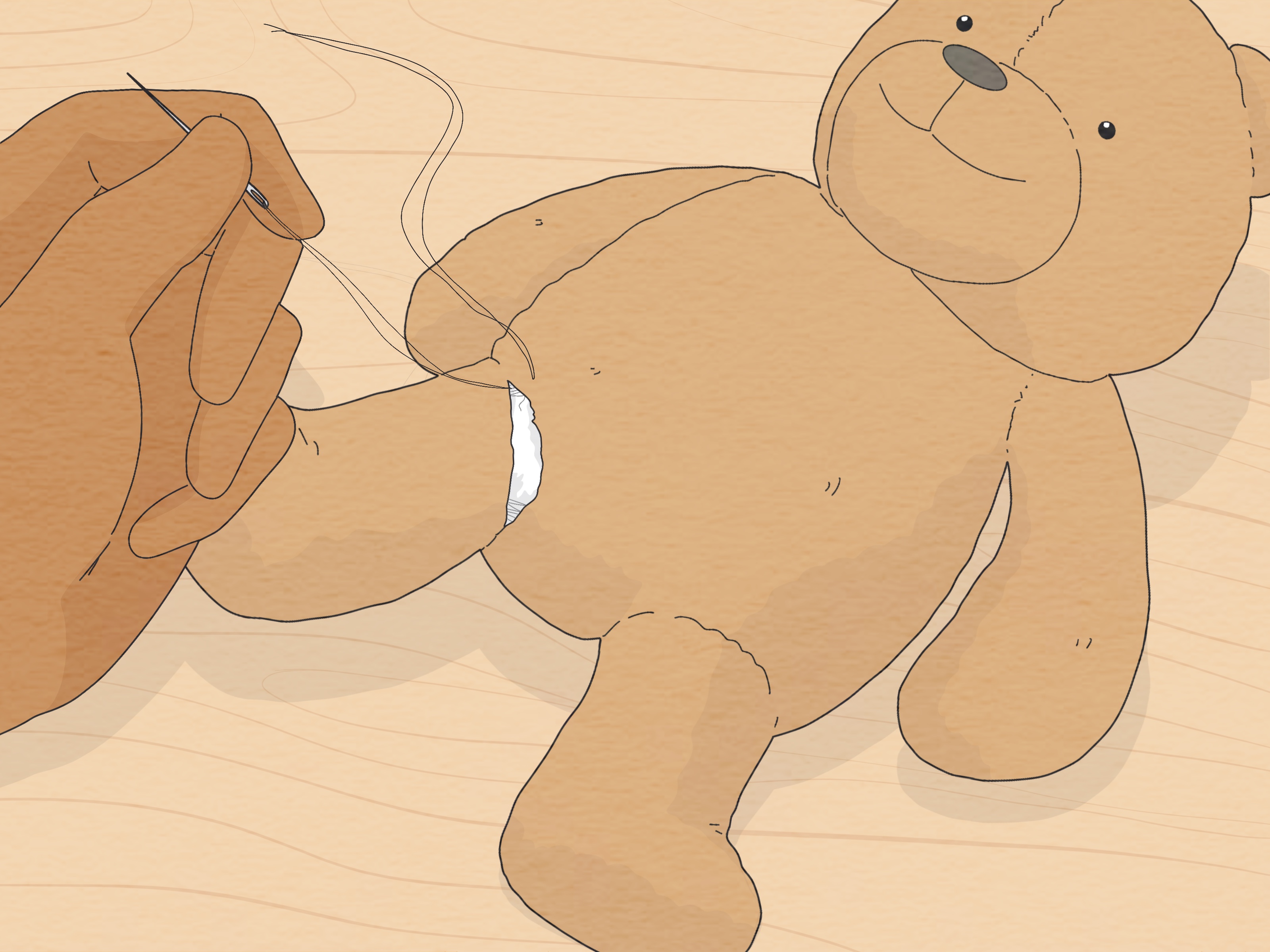
For a small seam opening, use a needle and strong thread that matches the fabric. A ladder stitch works well because it closes the seam neatly with minimal visible thread. Pull the thread snug, but not so tight that the fabric puckers. Tie a secure knot and trim excess thread.
If the toy has lost stuffing, replace it with clean polyester fiberfill. Add small amounts at a time so the plush keeps its natural shape. Overstuffing can make a cuddly bear feel like a decorative throw pillow with trust issues. Understuffing, on the other hand, may leave it floppy in all the wrong places.
When to Get Professional Help
Some stuffed animals are worth professional repair, especially antique teddy bears, collectible plush toys, handmade animals, or deeply sentimental childhood companions. A professional restorer can repair fragile fabric, replace joints, clean delicate materials, and preserve the toy’s original character. If the stuffed animal has financial or emotional value, do not experiment with aggressive cleaning, glue, or mystery sewing techniques learned five minutes ago.
Way 4: Store and Display Stuffed Animals Properly
Stuffed animals that are not used every day still need care. Storage protects plush toys from dust, moisture, insects, fading, and accidental crushing. Whether you are preserving a childhood teddy bear or organizing a child’s growing plush kingdom, the goal is to keep the toys clean, dry, and breathable.
Best Everyday Storage Ideas
For toys in regular rotation, use open baskets, fabric bins, shelves, toy hammocks, or cubbies. These options keep stuffed animals visible and easy to grab while allowing air circulation. Avoid stuffing too many plush toys into one container. Overcrowding can flatten fur, bend ears, and create a plush traffic jam.
If allergies are a concern, limit how many stuffed animals live on the bed. Wash favorite soft toys regularly when the care label allows, and keep the rest on shelves or in bins. Dust can settle into plush fibers, so vacuum shelves and storage areas often.
Long-Term Storage Tips
For long-term storage, make sure each stuffed animal is completely clean and dry first. Store plush toys in breathable cotton bags, acid-free boxes, or clean plastic bins with a little airflow. Avoid damp basements, hot attics, garages, or storage areas with big temperature swings. Moisture can encourage mildew, while heat can weaken fabric and adhesives.
Do not store stuffed animals in vacuum-sealed bags for long periods. Compression may flatten stuffing and permanently change the toy’s shape. If you must save space temporarily, use gentle compression and unpack the toys as soon as possible. Your stuffed animals should not emerge looking like plush pancakes unless they were designed that way.
How to Display Collectible Stuffed Animals
Collectible plush toys should be displayed away from direct sunlight, smoke, kitchen grease, and heavy dust. Use glass-front cabinets, shadow boxes, or shelves in a clean room. Rotate display positions occasionally so one side does not fade faster than the other. If the toy came with tags, certificates, or original packaging, store those items safely because they can matter to collectors.
How Often Should You Clean a Stuffed Animal?
Cleaning frequency depends on how the stuffed animal is used. A display-only plush may need occasional dusting and a light surface refresh. A child’s bedtime favorite may need cleaning every few weeks or whenever it gets visibly dirty. A stuffed animal that has been through sickness, outdoor play, travel, daycare, pet cuddles, or snack-related crimes should be cleaned sooner.
For households dealing with allergies or asthma, washable stuffed animals may need more frequent washing to reduce dust and allergens. Always balance cleaning needs with the toy’s material. Washing too often can wear out delicate plush, so use spot cleaning and brushing between deeper washes when possible.
Common Mistakes to Avoid
One of the biggest mistakes is using hot water without checking the label. Hot water may help in some allergy-related situations when the toy is washable and durable, but it can also fade colors, shrink fabric, or damage delicate plush. Another mistake is using too much detergent. More soap does not mean more clean; it often means more rinsing and a stiff, residue-coated toy.
Avoid soaking electronic plush toys. Even if the outside looks dry later, moisture inside can damage components or create odor problems. Also avoid harsh disinfectants unless the product is fabric-safe and appropriate for the toy. Cleaning and disinfecting are not always the same thing, and not every plush toy can be disinfected like a hard plastic toy.
Finally, never rush drying. A stuffed animal that feels dry on the outside may still be damp deep inside. Give it enough time, airflow, and towel support. The fluffier and thicker the toy, the more patience it needs.
Extra Experience: Real-Life Lessons From Caring for Stuffed Animals
Anyone who has cared for a beloved stuffed animal knows there is theory, and then there is real life. Real life is when a child drops a plush puppy into a puddle, insists it is “not dirty,” then sleeps with it pressed directly against their face. Real life is when a teddy bear smells faintly like crackers, sunscreen, and adventure. Real life is when the washing machine becomes less of an appliance and more of an emotional support decision.
One helpful habit is creating a “stuffed animal bath day.” Instead of waiting until a plush toy reaches emergency-level grime, choose a regular time to inspect and clean favorites. For children, this can become a fun routine. Tell them their stuffed animal is going to the spa. Let them help brush the fur afterward. A child who feels included may be less likely to panic when their beloved bunny is temporarily unavailable for cuddling.
Another practical experience is keeping a backup bedtime toy routine, even if you do not have an identical replacement. Some children bond intensely with one stuffed animal, and washing it right before bedtime can lead to a household crisis worthy of dramatic violin music. Clean favorite plush toys earlier in the day so they have time to dry. If the toy is very important, wash it on a sunny, breezy morning or choose a surface-cleaning method that dries faster.
For travel, pack stuffed animals in a washable tote or pillowcase. Hotel floors, airplane seats, car footwells, and restaurant booths are not exactly plush-friendly ecosystems. A simple travel bag helps keep the toy cleaner and makes it harder to leave behind. Add a name label if the stuffed animal goes to school, daycare, camp, or sleepovers. Use a tag or write on a removable fabric label rather than marking a collectible toy directly.
If a stuffed animal has long fur, brushing matters more than people think. After washing, fur can dry in clumps. A gentle brushing session can make the difference between “fresh and fluffy” and “recently survived a wind tunnel.” Always wait until the toy is fully dry before brushing deeply, because wet fibers are more vulnerable to pulling and stretching.
Experience also teaches that not every stain needs a heroic rescue mission. Small marks can become part of a stuffed animal’s story, especially on older sentimental toys. The goal is not always to make the plush look brand new. Sometimes the goal is to keep it clean, safe, and comfortably itself. A slightly faded teddy bear with one repaired ear may carry more charm than a perfect toy that has never been loved hard.
For collectors, the lesson is different: handle less, display wisely, and document everything. Keep tags, receipts, and original boxes if they matter. Avoid spraying fragrance on plush toys, because scents can linger, stain, or irritate future owners. If dust builds up, use a soft brush or low-suction vacuum attachment covered with a clean mesh cloth. Collectible plush care is less “bath day” and more “museum curator with better snacks.”
For parents, the best experience-based tip is to inspect stuffed animals during cleanup. While putting toys away, quickly check for ripped seams, loose eyes, and strange smells. This takes only a few seconds but can prevent bigger problems later. A loose seam caught early is a two-minute repair. A loose seam ignored for a week can become a living room snowstorm of stuffing.
Stuffed animal care is really about preserving comfort. These toys are often part of routines, memories, and emotional security. They sit through sick days, thunderstorms, first sleepovers, long car rides, and nights when the world feels too big. Taking care of them is a small act, but it keeps something soft and familiar ready for the next hug.
Conclusion
Taking care of your stuffed animal comes down to four smart habits: clean it gently, dry it completely, repair small problems quickly, and store it properly. Start with the care label, use mild cleaning methods, avoid high heat, and pay attention to safety details like loose parts, torn seams, and battery compartments. Whether your plush toy is a child’s nightly companion or a collectible treasure, thoughtful care keeps it fresh, soft, and ready for many more cuddles.
A stuffed animal may be made of fabric and filling, but anyone who has loved one knows it can hold much more than that. Keep it clean, keep it safe, and keep it fluffy. That is the whole plush-care philosophy, with fewer tears and less laundry drama.
Note: This article synthesizes practical stuffed animal care guidance from reputable cleaning, toy safety, pediatric, and manufacturer-based resources, rewritten into original web-ready content without source-link clutter.