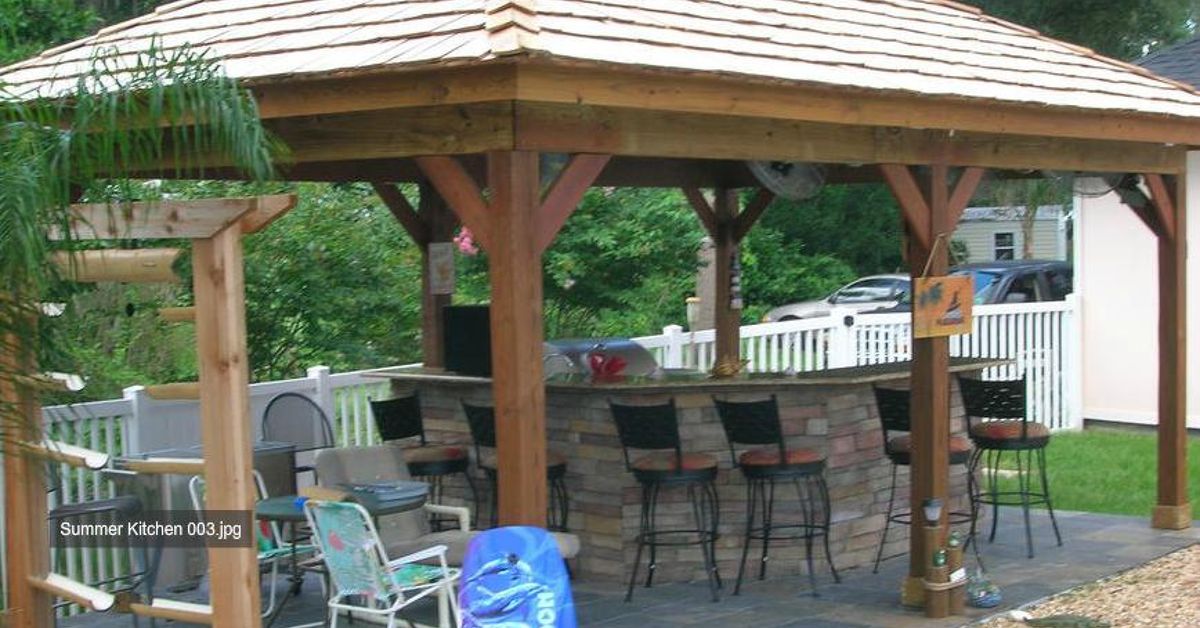
An outdoor kitchen sounds like one of those dreamy home upgrades that begins with a grill and somehow ends with you pricing imported stone at 11:47 p.m. But when done right, it is not just a backyard flex. It is a functional, stylish extension of your home that makes cooking easier, entertaining smoother, and those random Tuesday dinners feel suspiciously close to a vacation.
The trick is not building the biggest outdoor kitchen. The trick is building the right one. The ideal outdoor kitchen matches your space, your climate, your cooking habits, and your budget. It should feel natural to use, easy to maintain, and pleasant enough that guests linger without hovering directly over the grill like hungry seagulls at a beach picnic.
If you are planning one from scratch or upgrading a basic patio setup, this guide will walk you through the smart way to design an outdoor kitchen that actually works in real life, not just in glossy photos where nobody appears to spill sauce.
Start With How You Actually Live
Before you compare grill models or debate whether your backsplash should be “coastal chic” or “modern farmhouse with confidence issues,” ask a simpler question: how will you use the space?
Define the kitchen’s main job
Some outdoor kitchens are built for serious cooking. Others are really entertainment stations with a grill, cold drinks, and enough counter space for a heroic tray of burgers. Your ideal setup depends on your priorities:
- If you host big gatherings, you may need wider prep space, bar seating, refrigeration, and strong lighting.
- If you mostly grill family dinners, a compact layout with a quality grill, sink, and practical storage may be all you need.
- If you love specialty cooking, you might want a pizza oven, smoker, side burner, or griddle.
- If your backyard is small, a straight-line or modular design can still feel polished and efficient.
In other words, do not build for the lifestyle of an imaginary celebrity chef version of yourself unless that person is actually paying the utility bill.
Choose the Right Location First
Location is where good outdoor kitchens are won or lost. Many homeowners jump to finishes and fixtures, but placement affects everything: cost, comfort, safety, plumbing, electricity, gas, and even whether smoke blows directly into your guests’ faces during dinner.
Stay close to the house, but not too close
A kitchen tucked reasonably near your home is usually the sweet spot. It keeps utility runs shorter, reduces installation costs, and makes the space easier to use. You are less likely to feel like you are trekking across a national park every time you forget the tongs.
At the same time, your grill and cooking equipment should not be crammed against combustible surfaces or placed where heat and smoke become a problem. Always check local code requirements, appliance manuals, and clearance guidance before finalizing the location.
Think about wind, sun, and traffic flow
A gorgeous outdoor kitchen can become annoying fast if it sits in relentless afternoon sun or channels smoke toward your dining area. Watch how the space behaves at different times of day. Notice where people naturally walk, where shade falls, and whether the grill area will interrupt the route between the patio door and the yard.
The ideal location feels connected to the house, convenient for serving, and comfortable enough that people actually want to hang out there. That last part matters. A beautiful kitchen nobody wants to stand in is basically an expensive sculpture with knobs.
Build a Layout That Works Like a Kitchen
The best outdoor kitchens borrow the logic of indoor kitchens. You want an easy relationship between the cooking area, prep area, cold storage, and serving zone. Less zigzagging means less frustration, fewer spills, and dramatically fewer moments of muttering, “Why is the trash pullout all the way over there?”
Popular layout options
Straight-line layout: Best for small patios, narrow decks, or budget-conscious builds. It keeps everything on one run and can look sleek and simple.
L-shaped layout: Great for separating cooking from serving or seating. This is one of the most practical choices because it adds workspace without overwhelming the yard.
U-shaped layout: Best for larger spaces and frequent entertainers. It creates an immersive, social feel and offers plenty of room for appliances, prep zones, and bar seating.
Modular layout: Ideal if you want flexibility, phased upgrades, or a more budget-friendly build. It can still look custom when planned well.
Create zones, not clutter
The ideal outdoor kitchen is usually organized into zones:
- Hot zone: grill, side burner, pizza oven, smoker, or griddle
- Prep zone: landing space, cutting area, utensils, trash access
- Cold zone: outdoor-rated refrigerator, beverage center, ice storage
- Serving zone: plates, platters, condiments, pass-through counter
- Social zone: stools, dining table, lounge seating, shade
Good zoning makes a backyard kitchen feel intuitive. Guests can gather without blocking the cook. Food can move from prep to grill to plate without a weird obstacle course. And you get the deeply satisfying feeling that your kitchen understands you.
Choose Materials That Can Handle Real Weather
Outdoor kitchens live in a rough neighborhood. Sun, rain, humidity, grease, temperature swings, pollen, and the occasional airborne mystery leaf all take their turn. That means your materials need to be durable first and pretty second, though luckily they can absolutely be both.
Best material choices
Stainless steel: A classic for appliances and cabinetry because it is durable, easy to clean, and works with almost any design style. For coastal environments, higher corrosion resistance matters even more, which is why many premium builders recommend marine-grade options.
Stone and masonry: Natural stone, manufactured stone, brick, and concrete create a sturdy, built-in look that feels substantial. These materials also age well visually, which is nice because the outdoors has a habit of being outdoors all the time.
Granite and concrete countertops: These are popular because they hold up well in exterior conditions when properly selected and maintained. Granite is especially practical in many climates, while concrete offers a custom, modern look.
Outdoor-rated cabinetry: Use cabinets designed for exterior exposure. Indoor cabinets outside are basically a slow-motion regret.
Match the material to the climate
The ideal outdoor kitchen in Arizona may not be the same as the ideal one in Florida or coastal California. Humidity, salt air, freeze-thaw cycles, and intense sun all affect longevity. Pick finishes that suit your weather, not just your Pinterest board. That decision will save you money, maintenance, and future grumbling.
Pick Appliances With Discipline
This is where outdoor kitchen projects can go from “smart investment” to “I bought a rotisserie setup I will use once a year and now I live with it forever.” Start with the essentials, then add luxuries only if they fit your habits.
The core appliances worth considering
Built-in grill: This is the anchor for most outdoor kitchens. Choose fuel type, cooking area, and features based on how you cook, not just how dramatic you want the lid to look when you open it.
Outdoor-rated refrigerator: If you want cold drinks, marinated food, or fewer trips back inside, this is one of the most useful upgrades. Make sure it is rated for outdoor use. Indoor units are not designed for exterior temperature swings and exposure.
Sink: A sink adds major convenience for prep and cleanup, especially if you entertain often. It can turn an outdoor grill station into a true outdoor kitchen.
Trash and storage: Not glamorous, but wildly important. Trash access, drawers, paper towel storage, and dry storage make the space more functional every single time you use it.
Optional upgrades that can be worth it
- Side burner for sauces, sides, and seafood boils
- Pizza oven for entertaining and faster weeknight fun
- Smoker for low-and-slow cooking fans
- Beverage center or ice maker for heavy hosts
- Warming drawer if you serve in stages
- Kegerator if your backyard aims to be the neighborhood legend
Only add specialty appliances if you truly plan to use them. The ideal outdoor kitchen feels complete, not crowded.
Do Not Forget Utilities, Lighting, and Ventilation
This is the unsexy part of planning, which is exactly why it deserves attention. The outdoor kitchens that feel effortless are usually the ones that were planned carefully behind the scenes.
Utilities matter more than style boards
Map out water, gas, drainage, and electrical needs early. It is far easier to design around utility requirements than to discover later that your dream sink location now requires an expensive reroute and three new headaches.
Lighting should be layered
The ideal outdoor kitchen needs more than decorative string lights. It needs task lighting at the grill and prep areas, ambient lighting for atmosphere, and path lighting for safety. You want the space to feel warm and inviting, not like a romantic movie set where nobody can see the chicken.
Ventilation is not optional
If your outdoor kitchen sits under a roof, pergola, or covered structure, you must think seriously about smoke and heat management. Follow local code and manufacturer requirements for ventilation and clearances. Open-air cooking is fun. Hot boxed smoke is a personality test no one asked for.
Make It Comfortable Enough to Use Often
A technically perfect outdoor kitchen can still fail if it is not comfortable. The ideal setup invites people to stay. That means you need to plan beyond the grill island itself.
Add shade and shelter
Pergolas, covered patios, retractable awnings, umbrellas, or thoughtfully placed structures can make your kitchen far more usable. Shade helps protect people, finishes, and even countertop comfort during hot months.
Include seating with purpose
Bar stools along an island make the cook part of the conversation. A nearby dining table supports full meals. Lounge seating turns the area into a destination rather than just a place to flip burgers. A smart mix of these zones helps the whole yard feel intentional.
Think about softness
Outdoor spaces need balance. Stone, steel, and masonry bring structure, but textiles, cushions, planters, and weather-friendly furnishings add warmth. Otherwise the kitchen can look stunning and still feel emotionally similar to an upscale parking garage.
Prioritize Safety and Local Rules
Outdoor kitchens are part design project, part construction project, and part “please do not accidentally create a fire hazard” project. Safety is not a footnote.
Basic safety rules that matter
- Use grills and outdoor cooking equipment only outside in well-ventilated areas.
- Keep grills away from the home, deck railings, eaves, branches, doors, windows, and other openings.
- Never leave hot cooking equipment unattended.
- Keep the area clean and free of grease buildup.
- Store and place fuel sources according to code and manufacturer guidance.
- Keep a fire extinguisher nearby and know how to use it.
Permits are not a buzzkill; they are part of the job
Local building rules may affect setbacks, gas connections, electrical work, plumbing, and covered structures. Before construction begins, check permit requirements in your area. It is much easier to deal with paperwork before the build than after a surprise visit from an inspector who is not there to admire your countertop selection.
Budget Smart and Build in Phases if Needed
Not every ideal outdoor kitchen has to arrive fully formed in one dramatic reveal. In fact, phased building is often the smartest move.
Start with the essentials
Phase one might include:
- Grill
- Counter space
- Base cabinetry
- Basic lighting
- Storage and trash access
Phase two can add refrigeration, a sink, upgraded seating, a pergola, or specialty appliances. This approach lets you spend wisely, learn how you use the space, and avoid buying extras just because they looked irresistible in a showroom.
Spend where performance matters most
If you need to prioritize, invest in layout, infrastructure, durable finishes, and the main cooking appliance. Those choices affect everyday use more than trendy add-ons. Nobody has ever said, “I wish I had less counter space and more novelty.”
Mistakes to Avoid When Designing an Outdoor Kitchen
- Building too far from the house and making utilities expensive
- Choosing indoor materials for outdoor exposure
- Ignoring storage, trash, or landing space near the grill
- Overloading a small space with too many appliances
- Forgetting shade, lighting, or seating
- Neglecting ventilation under covered structures
- Skipping permit and clearance research
- Designing for looks alone instead of real cooking habits
The Ideal Outdoor Kitchen Is Personal, Not Perfect
There is no single blueprint for the ideal outdoor kitchen. The best one is the one that suits your home, your climate, and your daily rhythm. Maybe that means a compact grill island with a refrigerator and clean-lined stone counters. Maybe it means a full entertaining hub with seating, lighting, a sink, and enough workspace to feed a crowd without breaking a sweat.
What matters most is that the space feels easy to use. It should support conversation, simplify cooking, and make outdoor meals feel special without turning every dinner into a production. If your kitchen helps you cook better, host more comfortably, and spend more time outside, then congratulations: you built the ideal version for you.
Real-Life Experience: What It Feels Like to Use an Ideal Outdoor Kitchen
The true test of an outdoor kitchen is not how it looks at noon in a staged photo. It is how it feels at 6:30 on a Friday when people are arriving, the grill is warming up, someone asks where the drinks are, and the sun is starting to drop behind the fence. In a well-designed outdoor kitchen, that moment feels easy. You are not sprinting back inside for plates, searching three drawers for a spatula, or balancing raw chicken on a tiny side shelf like a contestant in a cooking challenge nobody volunteered for.
Instead, the experience feels smooth. The refrigerator is within reach, the prep surface is wide enough to actually prep on, and the trash pullout is close enough that cleanup does not become a second workout. Guests naturally drift to the seating area, where they can talk without standing in the cook’s lane. Kids can snack at the counter. Someone pours lemonade, someone else slices watermelon, and suddenly the backyard starts doing what every homeowner wants it to do: it becomes the place people want to be.
One of the best parts of an ideal outdoor kitchen is how it changes ordinary meals. Weeknight burgers feel more relaxed. Saturday brunch gets a little more festive. Even takeout can feel upgraded when you plate it outside under warm lights with a fan running overhead and a pitcher of something cold on the counter. You do not have to host a huge party every weekend to justify the space. Sometimes the payoff is simply cooking dinner without feeling boxed into the house.
There is also a rhythm to outdoor cooking that people love once they have the setup right. You prep, grill, serve, and clean up in one zone instead of bouncing in and out through the back door. That efficiency makes entertaining less stressful. It also keeps the cook connected to everyone else. Nobody wants to be the person trapped indoors washing lettuce while the laughter is happening outside.
And then there is the emotional side of it. A great outdoor kitchen does not just support meals; it supports memories. It becomes the setting for birthday dinners, neighborhood hangouts, summer holidays, and spontaneous Tuesday nights that somehow turn into “remember when” stories. The smell of grilled corn, the clink of ice in glasses, the sound of friends lingering longer than plannedthose things become part of the value.
That is why the ideal outdoor kitchen is never just about appliances or finishes. It is about comfort, flow, and experience. It is about creating a space where cooking feels social, cleanup feels manageable, and the backyard feels like an extension of home instead of a separate zone you only use twice a year. When all those details come together, your outdoor kitchen stops being a project and starts becoming part of how you live. That is the real goal, and honestly, it tastes a lot better than eating standing over a lonely grill cart in the dark.