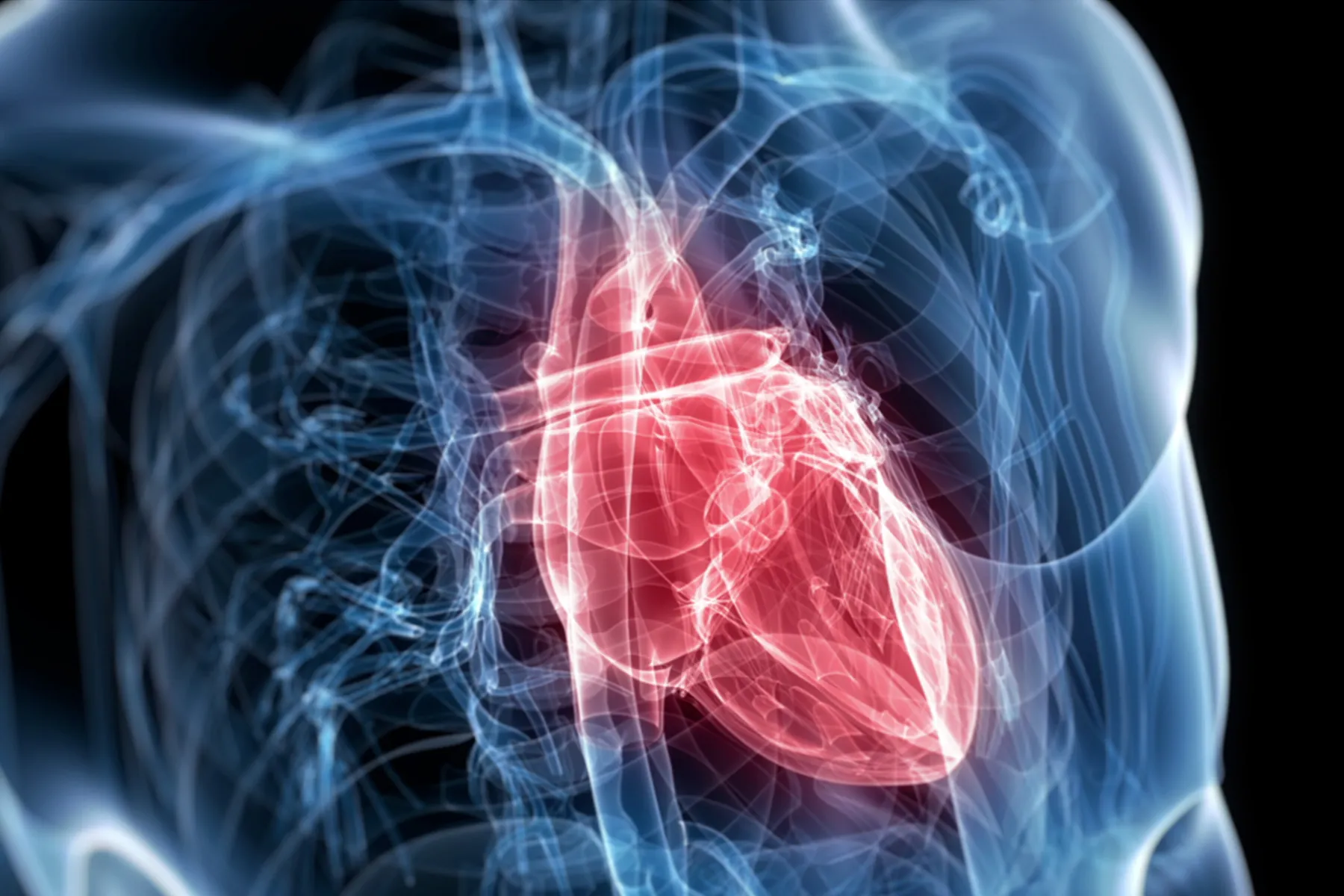
Heart failure sounds dramatic, and to be fair, it is serious. But the name can also be misleading. It does not mean the heart has suddenly thrown in the towel, packed a tiny suitcase, and left town. It means the heart is not pumping blood as well as the body needs. Sometimes the heart becomes too weak to squeeze effectively. Other times it gets too stiff to fill properly. Either way, the result is the same: less efficient circulation, more fluid backup, and a body that starts sending increasingly loud complaint letters.
Heart failure affects millions of Americans and becomes more common with age. It often develops after years of strain from conditions like high blood pressure, coronary artery disease, diabetes, obesity, or prior heart attack. The good news is that modern heart failure treatment has improved significantly. Many people live longer and better with the right combination of medication, lifestyle changes, close follow-up, and, in some cases, devices or advanced procedures.
This guide breaks down what heart failure is, the symptoms people should not ignore, the biggest risk factors, and the treatments doctors use to help patients breathe easier, move more comfortably, and stay out of the hospital.
What Is Heart Failure, Exactly?
Heart failure is a chronic condition in which the heart cannot pump enough blood to meet the body’s needs, or it can only do so by working under abnormal pressure. That leads to fatigue, shortness of breath, and fluid buildup in places where fluid definitely did not RSVP, such as the lungs, legs, feet, belly, and sometimes even the neck veins.
Doctors often describe heart failure in a few different ways:
Left-Sided Heart Failure
This is the most common type. It often causes breathing symptoms because blood backs up toward the lungs when the left side of the heart cannot pump efficiently.
Right-Sided Heart Failure
This tends to cause swelling in the legs, ankles, feet, abdomen, and sometimes the lower back or groin because fluid backs up in the body’s veins.
Heart Failure With Reduced Ejection Fraction (HFrEF)
In this type, the heart muscle does not squeeze strongly enough. It is often linked to damage from a heart attack or cardiomyopathy.
Heart Failure With Preserved Ejection Fraction (HFpEF)
Here, the heart may squeeze normally, but it is too stiff to fill well. HFpEF is especially common in older adults and in people with long-term high blood pressure, obesity, or diabetes.
Heart failure can be chronic and slowly progressive, or it can suddenly worsen, causing an emergency. That is why knowing the warning signs matters so much.
Common Heart Failure Symptoms
The symptoms of heart failure can creep in quietly or arrive with the subtlety of a marching band. Some people notice only mild shortness of breath when walking upstairs. Others feel as though everyday activities have become weirdly exhausting for no obvious reason.
Shortness of Breath
This is one of the most common symptoms. A person may notice breathlessness during exercise, while lying flat, or even at rest in more advanced cases. Waking up suddenly at night feeling short of breath is another classic red flag.
Fatigue and Weakness
When the heart cannot deliver enough oxygen-rich blood, muscles and organs get less support. The result can feel like having a low battery all day long. Routine chores suddenly seem to require a motivational speech and a snack break.
Swelling in the Legs, Ankles, Feet, or Abdomen
Fluid retention is a hallmark of heart failure. Shoes may feel tighter, socks leave deeper marks, and the belly may feel bloated or heavy. Some people also notice rapid weight gain over a few days because the body is holding onto extra fluid.
Persistent Cough or Wheezing
Fluid in or around the lungs can lead to coughing, wheezing, or a feeling of chest congestion. This is one reason heart failure can sometimes masquerade as a lung problem.
Rapid or Irregular Heartbeat
The heart may race or feel as if it is skipping beats. Palpitations can happen because the heart is trying to compensate or because related rhythm problems develop.
Nausea, Poor Appetite, or Feeling Full Quickly
Reduced blood flow and fluid buildup around the digestive system can cause loss of appetite, nausea, or a vague sense that eating a normal meal now feels like a major event.
Brain Fog, Confusion, or Trouble Concentrating
Especially in older adults, reduced circulation and low oxygen delivery can contribute to confusion, poor concentration, or a general feeling that the brain is moving through molasses.
Some warning signs need urgent care right away, including chest pain, fainting, severe shortness of breath, blue lips, or sudden worsening swelling and breathing trouble. Those symptoms can signal a heart attack, acute heart failure, or another emergency.
Risk Factors for Heart Failure
Heart failure rarely appears out of nowhere. It is usually the final chapter of a long-running story involving damage, strain, or stiffness in the heart and blood vessels. Understanding risk factors is important because many are treatable or preventable.
High Blood Pressure
Long-term hypertension forces the heart to pump against extra resistance. Over time, the heart muscle may thicken, stiffen, or weaken.
Coronary Artery Disease and Prior Heart Attack
If the arteries supplying the heart become narrowed or blocked, the heart muscle may not get enough oxygen. A heart attack can leave behind damaged muscle that cannot contract effectively.
Diabetes
Diabetes increases the risk of heart failure through several pathways, including blood vessel damage, inflammation, kidney strain, and its close relationship with high blood pressure and obesity.
Obesity
Excess body weight increases the heart’s workload and is strongly linked with hypertension, sleep apnea, and metabolic disease, all of which raise heart failure risk.
Older Age
Risk rises with age because the heart and blood vessels change over time. Older adults are also more likely to have other conditions that contribute to heart failure.
Heart Valve Disease or Abnormal Heart Rhythms
Leaky or narrowed heart valves can force the heart to work harder. Atrial fibrillation and other rhythm disorders can also worsen heart function.
Kidney Disease, Thyroid Disease, and Sleep Apnea
These conditions can increase strain on the heart, worsen fluid balance, and complicate blood pressure control.
Smoking, Excess Alcohol, and Some Drugs
Tobacco damages blood vessels and raises blood pressure. Heavy alcohol use can weaken the heart muscle. Some chemotherapy agents and certain illicit drugs can also contribute to heart failure.
Family History and Cardiomyopathy
Some forms of heart failure are linked to inherited cardiomyopathies or genetic tendencies that affect the structure and function of heart muscle.
In plain English: the heart does not love years of pressure, blocked arteries, uncontrolled blood sugar, or toxic habits. It is resilient, but it does keep receipts.
How Heart Failure Is Diagnosed
Doctors do not diagnose heart failure based on one symptom alone because shortness of breath and fatigue can have many causes. Instead, they combine a medical history, physical exam, and several tests to identify what is happening and how severe it is.
Physical Exam and Symptom Review
Doctors look for swelling, abnormal heart sounds, lung crackles, neck vein distention, and signs of poor circulation. They also ask about exercise tolerance, weight changes, nighttime breathing trouble, and medication history.
Echocardiogram
This ultrasound of the heart is one of the most important tests. It shows how well the heart squeezes and relaxes, evaluates valve function, and helps determine the ejection fraction.
Blood Tests
Tests such as BNP or NT-proBNP can help support the diagnosis of heart failure. Other labs may check kidney function, liver function, thyroid disease, anemia, and electrolyte balance.
Electrocardiogram, Chest X-Ray, and Other Imaging
An ECG can reveal rhythm problems or evidence of prior heart damage. A chest X-ray may show fluid in the lungs or an enlarged heart. In some cases, stress testing, cardiac MRI, or catheterization may be needed.
The goal is not just to confirm heart failure, but to identify the why. Treating the underlying cause can make a major difference.
Heart Failure Treatments
There is no one-size-fits-all heart failure treatment plan, because heart failure is more of a category than a single disease. Treatment depends on the type of heart failure, how advanced it is, what caused it, and what other conditions are in the mix.
Lifestyle Changes
These are not “bonus suggestions.” They are part of treatment. Doctors commonly recommend reducing sodium, monitoring fluid intake when needed, staying physically active within safe limits, quitting smoking, limiting alcohol, managing stress, and checking daily weight to catch fluid buildup early.
Cardiac rehabilitation or supervised exercise may help some people build endurance safely. Good sleep, medication adherence, and keeping blood pressure and blood sugar under control also matter more than many people realize.
Medications
Medication is the backbone of modern heart failure care. Depending on the patient, doctors may prescribe:
- ACE inhibitors, ARBs, or ARNIs to lower strain on the heart and improve outcomes.
- Beta blockers to slow the heart, lower blood pressure, and help the heart work more efficiently.
- Mineralocorticoid receptor antagonists to reduce fluid retention and improve survival in certain patients.
- SGLT2 inhibitors, which were first known for diabetes care but now play a major role in many forms of heart failure treatment.
- Diuretics, often called water pills, to reduce excess fluid and relieve swelling and shortness of breath.
- Other medicines as needed for rhythm control, blood pressure, cholesterol, blood thinning, or related conditions.
The exact combination depends on the patient. Two people can both have heart failure and still leave the office with very different treatment plans.
Treating the Cause
If blocked arteries are driving the problem, procedures to improve blood flow may help. If a diseased heart valve is the culprit, repairing or replacing the valve can make a meaningful difference. When thyroid disease, severe hypertension, uncontrolled diabetes, or sleep apnea is involved, those issues also need direct treatment.
Devices and Advanced Therapies
Some patients benefit from implanted devices such as pacemakers, implantable cardioverter-defibrillators, or cardiac resynchronization therapy. In advanced cases, an LVAD may help the heart pump blood, and heart transplant may be considered for select patients when other treatments are no longer enough.
Monitoring and Follow-Up
Heart failure requires ongoing care. Symptoms can change, medications may need adjustment, and early intervention can prevent hospitalizations. That is why regular follow-up with a primary care clinician, cardiologist, or heart failure specialist is so important.
Can Heart Failure Be Prevented?
In many cases, yes, at least partly. Prevention starts with protecting the heart before it gets overwhelmed. That means controlling blood pressure, managing diabetes, treating high cholesterol, maintaining a healthy weight, exercising regularly, avoiding tobacco, limiting alcohol, and getting medical attention for symptoms such as chest pain, palpitations, or unexplained shortness of breath.
For people who already have risk factors, preventive care is not glamorous, but it is powerful. Taking medication as prescribed, following up on abnormal test results, and not pretending the swelling is “probably just salty fries” can genuinely lower the risk of future heart damage.
What the Experience of Heart Failure Often Feels Like in Real Life
Heart failure is not just a diagnosis on a chart. It is a day-to-day experience that affects breathing, movement, confidence, sleep, appetite, relationships, and even how a person plans a trip to the grocery store. One of the most common experiences people describe is frustration. They know what they want to do, but their body suddenly negotiates like a very stubborn union representative.
Many people first notice subtle changes. Climbing stairs becomes oddly dramatic. Carrying laundry feels like a cardio challenge nobody signed up for. A walk that used to be relaxing now requires pauses. At first, it is easy to blame age, stress, lack of sleep, or being “out of shape.” That delay is common. Heart failure does not always announce itself with movie-scene intensity. Sometimes it arrives wearing the disguise of ordinary tiredness.
As symptoms progress, fluid buildup can become one of the most uncomfortable parts of the experience. Shoes feel tight. Rings may not fit. Pants suddenly seem less forgiving, though not because the dryer is plotting against anyone. Some people gain several pounds in just a few days because their body is retaining fluid. That number on the scale is not just a number. It can be an early warning sign that the heart is struggling more.
Nighttime can also become difficult. A person may need extra pillows to breathe comfortably or may wake up gasping for air. Sleep becomes broken, and broken sleep makes everything else feel harder the next day. Fatigue then spills into mood, concentration, and motivation. It is not unusual for people with heart failure to feel anxious, discouraged, or depressed, especially after a hospitalization or major change in symptoms.
There is also the invisible work of living with heart failure. Patients often need to track daily weight, notice swelling, remember several medications, attend follow-up visits, watch sodium intake, and figure out how much activity is safe. That is a lot. It can feel like having a part-time job assigned by your circulatory system.
At the same time, many people find that treatment really does help. Once medications are adjusted, excess fluid is reduced, and contributing conditions are treated, patients often report that breathing improves, energy returns somewhat, and daily life becomes more manageable. They learn their body’s patterns. They notice warning signs earlier. They get better at distinguishing a normal tired day from a heart-failure tired day. Families often become essential teammates, helping with meals, appointments, symptom tracking, and emotional support.
Perhaps the biggest shared experience is learning that heart failure management is a marathon, not a single heroic sprint. It takes consistency, patience, and a willingness to speak up when something changes. People who do well over time are often the ones who stay engaged in care, take symptoms seriously, and understand that small daily habits can have big long-term effects. In that sense, living with heart failure is not only about limitation. It is also about adaptation, teamwork, and finding ways to protect quality of life one decision at a time.
Final Thoughts
Heart failure is serious, but it is not hopeless. Symptoms such as shortness of breath, swelling, fatigue, cough, and rapid weight gain should not be brushed off, especially in people with high blood pressure, diabetes, obesity, coronary artery disease, or a history of heart attack. Early diagnosis matters, because treatment can improve symptoms, reduce hospitalizations, and help many people live longer and better.
If there is one takeaway worth highlighting, it is this: listen when the body starts whispering before it has to start yelling. The heart is hardworking, but it is not magical. When it needs help, timely care makes all the difference.
Informational note: This article is for general education only and is not a substitute for medical advice, diagnosis, or treatment. Anyone with possible heart failure symptoms should speak with a qualified healthcare professional, and anyone with severe chest pain, fainting, or sudden breathing trouble should seek emergency care right away.