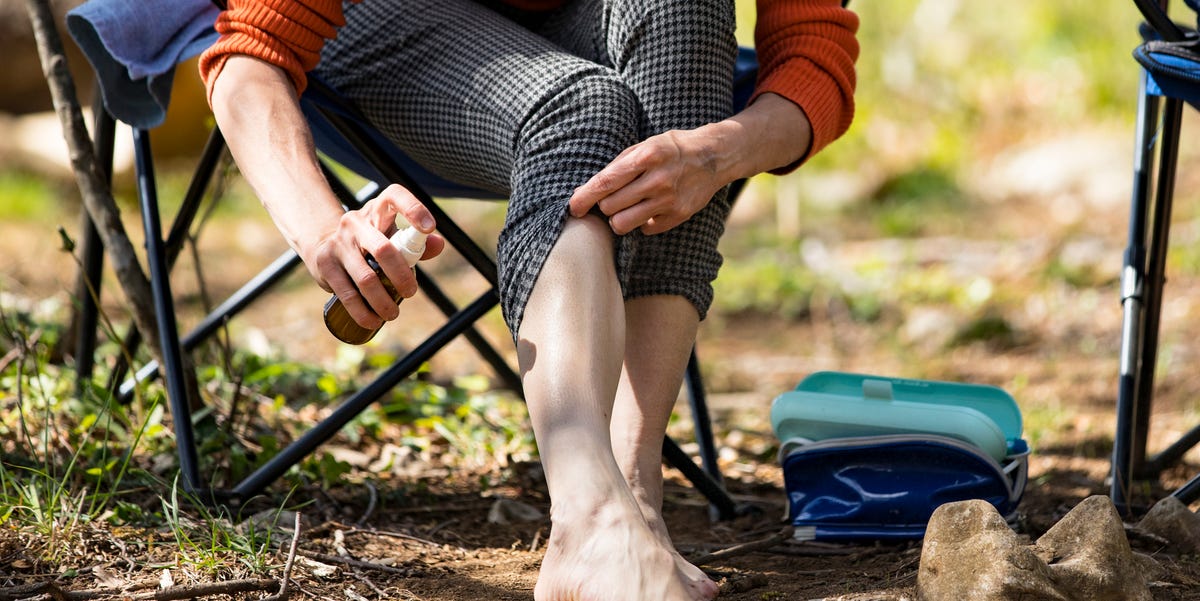
Ticks are tiny, patient, and deeply committed to ruining a perfectly good hike. They do not buzz dramatically like mosquitoes. They do not announce themselves. They just wait in the grass like creepy little interns of chaos. That is exactly why choosing the best tick repellent matters. If you spend time in the woods, mow a backyard near brush, walk the dog on weedy trails, or take kids camping, a smart bug repellent strategy can make the difference between a great day outside and a week of googling suspicious bites at midnight.
Here is the short truth: the best tick repellents are usually not the fanciest, the most “all-natural,” or the ones with the loudest packaging. The best bug repellent for ticks is the one with a proven active ingredient, the right application method, and enough staying power to match your actual time outdoors. In most cases, that means choosing an EPA-registered repellent with DEET, picaridin, IR3535, oil of lemon eucalyptus, or 2-undecanone for skin, and using permethrin on clothing and gear.
This guide breaks down what works, what does not deserve your trust, and how to choose the best tick repellent for your body, your clothes, your kids, and your weekend plans.
Why Tick Repellent Matters More Than You Think
Ticks are more than a nuisance. They can carry illnesses such as Lyme disease, Rocky Mountain spotted fever, ehrlichiosis, anaplasmosis, Powassan virus, and even trigger alpha-gal syndrome in some people. That sounds dramatic because it is dramatic. A tick bite can be nothing, sure, but it can also become an expensive, stressful detour nobody invited to the picnic.
The good news is that prevention works best when you stack your defenses. A solid bug repellent for ticks is one layer. Protective clothing is another. Tick checks, showering after time outdoors, and drying clothes on high heat add more layers. Think of it as building a little anti-tick fortress around yourself. Stylish? Maybe not. Effective? Very much yes.
What Makes the Best Tick Repellent?
When people search for the best tick repellent, they often focus on brand names. But the real star is the active ingredient. The ingredient tells you far more than the front label ever will. If the label reads like a perfume ad and does not clearly tell you what repels ticks, back away slowly.
Look for These Proven Active Ingredients
- DEET: Still one of the most trusted choices for repelling ticks and other biting insects.
- Picaridin: A popular DEET-free alternative that is effective, low-odor, and easier on gear.
- IR3535: A solid option for people who want effective skin-applied protection without using DEET.
- Oil of lemon eucalyptus (OLE) / PMD: The plant-based option with the best evidence behind it, though it is not ideal for everyone.
- 2-undecanone: A less famous but legitimate EPA-recognized active ingredient for repelling ticks.
- Permethrin: The MVP for clothing and gear, but not for skin.
That last point matters. Permethrin is for clothing, shoes, socks, tents, and gearnot your skin. It repels and kills ticks on contact, which is exactly the kind of energy we want from our pants.
The Best Tick Repellents by Type
1. Best Overall for Skin: DEET Repellent
If you want the classic, tried-and-true answer, DEET is still a top contender. A well-formulated DEET bug repellent can offer strong protection against ticks, and it remains one of the most recommended options from public-health and medical sources.
Why it works: DEET has a long track record, broad effectiveness, and reliable staying power. Many experts consider it the benchmark for comparing other repellents.
Best for: Long hikes, heavy tick areas, mixed bug exposure, and people who want a dependable option with lots of research behind it.
Watch for: DEET can sometimes feel greasy, smell strong, and may damage certain plastics or synthetic materials. Translation: excellent for ticks, less excellent for your fancy sunglasses.
2. Best DEET-Free Option: Picaridin
Picaridin has become the favorite “I want something effective but less annoying” choice. It is often recommended for people who dislike the smell or feel of DEET. It tends to be more pleasant on skin and gentler on gear, which is a nice bonus if your backpack costs more than your first laptop.
Why it works: Picaridin offers strong repellency against ticks and mosquitoes, often with a cleaner feel than DEET.
Best for: Families, travel, everyday outdoor use, and people who want effective bug repellent without the classic chemical smell.
Watch for: You still need to choose the right concentration and reapply based on label directions and time outdoors.
3. Best for Clothing and Gear: Permethrin
If skin repellents are your first line of defense, permethrin-treated clothing is your secret weapon. Socks, pants, boots, and outdoor gear treated with permethrin can repel and kill ticks before they get comfortable enough to start trouble.
Why it works: Ticks often start low, climbing from shoes and cuffs upward. Treating clothing targets them where the invasion begins.
Best for: Campers, hunters, gardeners, trail runners, dog walkers, and anyone who spends time in grassy, brushy, or wooded places.
Watch for: Apply it to clothing only and let treated items dry fully before use. You can also buy pretreated clothing for convenience.
4. Best Plant-Based Pick with Real Evidence: OLE/PMD
If you want a plant-derived tick repellent, oil of lemon eucalyptus is the one worth talking about. Not because it is magical, but because it has more real evidence behind it than many trendy “natural” sprays. That said, not every eucalyptus-scented bottle deserves a trophy. Look for EPA registration, not just leafy graphics and vibes.
Why it works: OLE/PMD can provide meaningful protection, though it may not last as long as top DEET or picaridin formulas.
Best for: Adults wanting a plant-based option with better support than most essential-oil blends.
Watch for: It is not the same thing as plain essential oil. Also, follow age-specific label guidance carefully for children.
5. Best for Sensitive Users Who Still Want Performance: IR3535
IR3535 does not always get headline attention, but it deserves a spot in the conversation. It is found in some reputable insect repellent products and can work well for people who want a skin-applied option outside the DEET-versus-picaridin debate.
Why it works: It offers solid repellency with a gentler feel in some formulations.
Best for: Casual outdoor use, family trips, and people who want another proven active ingredient on the table.
What About “Natural” Tick Repellents?
Here comes the awkward part. Many products marketed as natural bug repellent for ticks sound charming and smell like a yoga studio that sells candles. Unfortunately, smell alone does not protect you from tick-borne disease.
Some essential-oil-based products may repel ticks for a short time, but performance can be inconsistent and shorter-lived than EPA-registered repellents with well-studied active ingredients. That does not mean every plant-based product is useless. It means you should be cautious about overtrusting a spray whose main credential is “contains botanical happiness.”
If your goal is serious tick prevention, proven active ingredients beat marketing poetry every time.
How to Choose the Best Bug Repellent for Ticks
Match It to Your Activity
A one-hour dog walk through a neighborhood park is different from a six-hour hike through leaf litter in peak tick season. Choose a product with protection duration that fits your outing, not your optimism.
Think in Layers
The best strategy is often permethrin on clothing + skin repellent on exposed areas + tick checks later. That combo is more effective than relying on one spray and a hopeful attitude.
Check the Label for Tick Protection
Some products are excellent for mosquitoes but less impressive for ticks. Read the label and make sure ticks are specifically listed. If the bottle only promises to make you smell “outdoorsy fresh,” keep shopping.
Choose a Format You Will Actually Use
Sprays are convenient. Lotions offer controlled application. Wipes are easy for travel. Sticks can be handy for faces and kids. The best tick repellent is often the one you apply thoroughly instead of the one you forget in the car cupholder.
How to Apply Tick Repellent the Right Way
- Apply skin repellent only to exposed skin or as directed on the label.
- Do not spray skin repellent under clothing.
- Avoid eyes, mouth, and irritated skin.
- For children, adults should apply repellent for them.
- Use sunscreen first, then insect repellent if both are needed.
- Wash treated skin when you come indoors.
- Treat shoes, socks, pants, and outdoor gear with permethrin if appropriate.
And yes, you still need to do a tick check even if you used bug spray. Repellents lower risk. They are not force fields from a sci-fi movie.
Best Tick Repellent for Kids and Families
Families need simplicity, safety, and products that do not turn getting ready into a wrestling match. Picaridin is often a family favorite because it tends to feel lighter and smell milder. DEET remains a strong option when used according to label directions. Stick and lotion formats can also make application easier with wiggly kids.
For clothing, permethrin-treated socks, shoes, and pant cuffs are especially helpful for children who run through grass as if ticks personally invited them. Whatever you choose, read the label carefully and follow age guidance.
Common Mistakes That Make Tick Repellent Less Effective
Using Too Little
A light mist in the general direction of your ankle is not a strategy. Coverage matters.
Skipping Shoes and Socks
Ticks often begin their climb from the bottom up. If your repellent plan stops at the knees, the ticks would like to thank you.
Trusting Gadgets Over Chemistry
Bracelets, ultrasonic devices, and vague “repelling patches” may sound clever, but they should not replace proven repellents for meaningful tick protection.
Ignoring Reapplication
Heat, sweat, time, and friction all matter. If the label says reapply, reapply.
Forgetting Post-Outdoor Cleanup
Shower after being outdoors, check your scalp, waistline, underarms, behind knees, and around socks. Ticks love the spots nobody remembers until too late.
So, What Is the Best Tick Repellent?
If you want the clearest answer possible, here it is:
- Best overall skin repellent: a proven EPA-registered DEET or picaridin product labeled for ticks
- Best DEET-free choice: picaridin
- Best clothing treatment: 0.5% permethrin for clothing and gear
- Best plant-based option with real backing: oil of lemon eucalyptus/PMD
- Best overall strategy: combine clothing treatment, skin repellent, tick checks, and showering after time outdoors
If you only remember one thing, make it this: the best bug repellent for ticks is usually not one miracle product. It is a smart system. Ticks are stubborn. Your prevention plan should be more stubborn.
Real-World Experiences With Tick Repellents
Anyone who spends time outside eventually develops opinions about tick repellents, usually after one of two events: a great day with no bites, or a horrible moment in the shower when they discover a tick and immediately begin bargaining with the universe. Real-world experience often teaches the same lesson the science does: consistent, boring prevention wins.
Take the casual weekend hiker. At first, this person usually buys whatever bug spray is easiest to grab at the store. Maybe it smells nice. Maybe the bottle is bright orange and looks athletic. Then one spring afternoon they brush past tall grass, come home, and find two ticks on their socks. Suddenly, they become the sort of person who reads active ingredients under kitchen lighting like they are decoding an ancient prophecy. The next trip, they use a picaridin spray on exposed skin, treat their socks and pant legs with permethrin, and stick to the center of the trail. Result: no bites, no panic, much happier sandwich break.
Parents often describe a different challenge. Kids do not stand still, they hate strong smells, and they somehow touch their faces exactly when you are applying repellent. For families, experience usually favors simple routines. A mild-feeling lotion or picaridin spray works better than a dramatic cloud of aerosol. Pretreated shoes or socks help because they keep working even when children forget every instruction within seven seconds. Parents also learn that tick checks after bath time are not glamorous, but they are effective.
Dog owners have their own stories. Many say the biggest surprise is not finding ticks on themselves, but on the dog, the leash, the dog bed, or mysteriously marching across the laundry room like they pay rent. People who walk pets near brush often become passionate evangelists for treated clothing, especially socks and shoes. They notice quickly that repellents work best when the whole routine changes: bug spray before the walk, staying out of overgrown edges, checking the dog after the walk, and drying outdoor clothes on high heat.
Gardeners and backyard workers often report the same pattern. They did not think of their yard as “tick country” until they spent an hour trimming shrubs or clearing leaves. Then came the wake-up call. For them, the best tick repellent is often less about special outdoor adventures and more about everyday chores. A pair of treated work pants, a dependable skin repellent, and a habit of showering after yardwork can turn a risky routine into a manageable one.
Experienced campers tend to become the least romantic and most practical people in the conversation. They are not impressed by trendy labels. They want a product that works when sweat, dirt, sunscreen, and ten miles of trail are involved. Their advice is usually gloriously unglamorous: use proven ingredients, cover your ankles, reapply when needed, and never assume one spray makes you invincible. The wilderness is beautiful, but it is not emotionally invested in your comfort.
That is the common thread across all these experiences. The people who have the best outcomes are not necessarily the ones with the fanciest gear. They are the ones who build a routine and repeat it. Tick repellent works best when it becomes automatic, not occasional. In other words, success is less about heroic outdoor confidence and more about remembering to spray your socks like a sensible person.
Conclusion
The best tick repellents are the ones backed by evidence, matched to your activity, and used correctly every single time. For most people, that means choosing an EPA-registered bug repellent with DEET or picaridin for skin, using permethrin on clothing and gear, and backing it all up with common-sense habits like showering, checking for ticks, and avoiding brushy edges when possible.
You do not need to fear the outdoors. You just need a better plan than “I hope the bugs respect my boundaries.” With the right tick repellent strategy, you can hike, camp, garden, and roam with much more confidence and a lot less scratching.