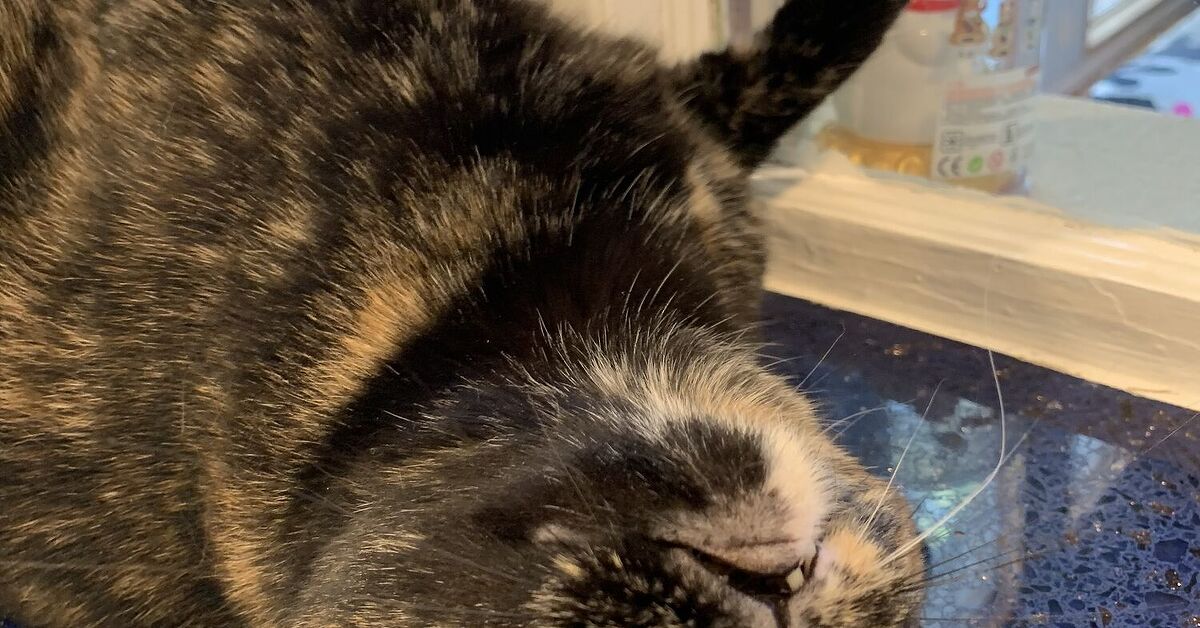
If you have ever decorated a Christmas tree with a cat in the house, you already know the tree is not just a tree. To your cat, it is a glittering indoor jungle gym, a mysterious forest, a snack bar, a toy rack, and possibly a personal challenge issued by Santa himself. One minute you are admiring your ornaments. The next minute, Whiskers is halfway up the branches like a tiny holiday raccoon with excellent balance and no respect for heirloom décor.
That is where oranges come in. Many cats dislike strong citrus smells, which is why orange peels, dried orange slices, and mild citrus-based placement tricks are often used as natural cat deterrents around Christmas trees. The idea is simple: make the tree smell less like a playground and more like something your cat would rather file a formal complaint about.
But before you start turning your living room into a Florida citrus grove, there is an important safety note. Oranges can help discourage some cats, but citrus essential oils and concentrated citrus sprays can be unsafe for cats. The goal is not to perfume your tree like a candle shop. The goal is to use fresh orange scent carefully, strategically, and safely while also making the tree less tempting overall.
This guide explains how to keep cats out of your Christmas tree with oranges, why the trick works for some cats, what to avoid, and how to combine citrus with smart tree placement, safer ornaments, and feline-approved distractions.
Why Cats Attack Christmas Trees Like Tiny Festive Vikings
Before blaming your cat for being dramatic, remember that a Christmas tree is basically a cat’s dream object. It is tall. It has branches. It smells new. It sparkles. It moves when touched. It may contain dangling objects that look suspiciously like prey. In cat language, this is not “holiday décor.” This is a full-body enrichment experience with lights.
Cats Are Natural Climbers
Cats love vertical spaces because height helps them feel secure and gives them a better view of their surroundings. A Christmas tree offers exactly that, except with breakable ornaments and your emotional stability hanging from every branch. If your cat does not already have a tall cat tree, shelves, or climbing space, the Christmas tree may look like the best available option.
Ornaments Look Like Toys
Shiny baubles, ribbons, bells, and lightweight ornaments are irresistible to many cats. They swing, reflect light, and make tiny sounds. To a cat, that is not decoration; that is an invitation. Low-hanging ornaments are especially tempting because they are at paw level, which is the feline equivalent of “please touch this.”
New Smells Create Curiosity
Real trees bring outdoor scents into the home, while artificial trees carry storage smells, dust, and mystery. Cats investigate the world through scent, so the sudden arrival of a tree can trigger serious inspection mode. Add wrapped gifts, ribbons, and crinkly paper, and your living room becomes a holiday crime scene waiting to happen.
Do Oranges Really Keep Cats Away From Christmas Trees?
For many cats, yes, oranges can help. Cats often dislike citrus smells, including orange, lemon, lime, and grapefruit. A fresh orange peel placed near the base of the Christmas tree may make the area less appealing. However, this is not a magic spell. Some cats will sniff once and walk away. Others will sniff once, look you directly in the eye, and climb anyway because chaos is their seasonal brand.
The orange method works best when it is part of a larger cat-proofing plan. Think of oranges as the polite “please keep off the grass” sign. If your cat is determined, athletic, and named something like Loki, you will also need physical barriers, safer decorations, and better distractions.
The Safe Way to Use Oranges Around Your Christmas Tree
The safest orange-based method is to use real orange peels or dried orange slices placed where your cat is likely to approach the tree. Avoid concentrated citrus essential oils, strong oil-based sprays, and anything that leaves residue on your cat’s paws or fur. Cats groom themselves, so substances that get on their coat can end up in their mouth.
1. Place Fresh Orange Peels Under the Tree Skirt
Start with the easiest trick: peel an orange and tuck several pieces of peel under the tree skirt, around the stand, or near the tree base. The scent is strongest during the first day or two, so replace the peels regularly before they dry out completely or become unpleasant. Your goal is fresh citrus, not compost-core Christmas.
Place the peels where your cat can smell them but not easily chew them. While many cats avoid citrus, some curious cats may still paw at or nibble peels. If your cat tries to eat them, remove the peels and switch to a different strategy.
2. Use Dried Orange Slices as Cat-Discouraging Décor
Dried orange slices can serve two purposes: they look charming and they add a gentle citrus scent. Hang them higher on the tree or use them in garlands around the upper branches. They create a natural holiday style while making the tree smell less inviting to many cats.
To make them, slice oranges thinly, pat them dry, and bake them at a low temperature until dehydrated. Keep them out of easy reach, especially if your cat likes to chew decorations. Dried citrus is still not meant to be a cat snack.
3. Create an Orange Peel Barrier Around the Tree Stand
If your cat starts every tree invasion from the base, create a scent zone around the stand. Add orange peels in a shallow decorative bowl, under a breathable tree collar, or behind wrapped boxes. This can discourage casual sniff-and-climb attempts.
Do not place peels directly in tree water. Tree water can already be unsafe for pets, especially if it contains preservatives, fertilizer, bacteria, or sap. Cover the water reservoir so your cat cannot drink from it.
4. Pair Orange Peels With Pinecones
Pinecones can make the tree base less comfortable for cats to walk through. Add a few orange peels among clean pinecones in a basket or tray near the tree. The texture and citrus smell together may convince your cat that the tree area is not worth the trouble.
Make sure the pinecones are clean, dry, and free of glitter, artificial snow, strong fragrance, or sharp pieces. Cats do not need craft-store chemicals in their paws.
What Not to Do With Citrus Around Cats
Oranges may sound harmless because humans eat them, but cats are not tiny people in fur coats. Their bodies process many substances differently, and concentrated citrus products can be risky. Use the gentlest method possible.
Avoid Citrus Essential Oils
Do not use orange essential oil, lemon essential oil, citrus oil diffusers, or concentrated oil sprays on or near the tree. Essential oils can be dangerous for cats through skin contact, inhalation, or ingestion. A few drops may smell festive to you, but to your cat it can be overwhelming and potentially harmful.
Do Not Spray the Tree With Strong Citrus Cleaner
Household citrus cleaners are not the same as orange peels. Many contain chemicals, solvents, or concentrated oils that are not pet-safe. Spraying branches, cords, ornaments, or the tree skirt with cleaner can create residue your cat may touch or lick later.
Do Not Force Your Cat to Smell Oranges
The purpose is gentle deterrence, not citrus warfare. Never hold an orange peel to your cat’s face or punish your cat with strong smells. Cats learn better through environmental management and positive redirection than through fear or discomfort.
How to Cat-Proof the Christmas Tree Beyond Oranges
Orange peels are helpful, but the strongest strategy is layered defense. Imagine you are guarding a castle, except the castle is covered in ornaments and the invader weighs nine pounds.
Choose the Right Tree Location
Place the tree away from furniture, shelves, mantels, and windowsills your cat can use as launchpads. If the couch is two feet away, your cat may treat it as a runway. Give the tree as little “jump access” as possible.
A corner location is often better than the middle of the room because it limits approach angles. For extra safety, secure the tree to the wall or ceiling with fishing line or discreet cord. This is especially important if you have a climber.
Anchor the Tree Like You Mean It
A sturdy tree stand is non-negotiable. Cats can tip unstable trees, and falling trees can injure pets, break ornaments, damage lights, and create the kind of holiday memory no one wants to put in a scrapbook.
For artificial trees, choose a stable base. For real trees, make sure the stand is properly sized and tightened. If your cat has a history of climbing, consider wall anchors. They may not look glamorous, but neither does sweeping up glass at midnight while your cat watches from the sofa.
Decorate the Bottom Third Like a Minimalist
The lower branches should be boring. Painfully boring. Save fragile, shiny, sentimental, or noisy ornaments for higher branches. Use soft, unbreakable ornaments near the bottom, or leave the lowest branches mostly bare.
A good rule: if an ornament would upset you if it became a hockey puck, do not place it within paw range.
Skip Tinsel and Loose Ribbon
Tinsel may look festive, but it can be dangerous if swallowed. Long, string-like decorations can cause serious digestive problems in cats. Loose ribbons, yarn, and thin garland can create similar risks. Choose safer alternatives such as wide fabric garland placed high and secured well.
Protect Electrical Cords
Lights are beautiful, but cords can be hazardous if chewed. Run cords behind furniture when possible, cover them with cord protectors, and unplug lights when you are not home. Avoid leaving tempting loops of wire near the floor.
If your cat is a known cord chewer, talk to your veterinarian or a feline behavior professional about safer deterrents and behavior management. Chewing electrical cords is not just annoying; it can be dangerous.
Make the Tree Less Interesting by Making Your Cat’s Life More Interesting
One reason cats invade Christmas trees is simple: the tree is fun. If nothing else in the house competes with it, the tree wins. Your job is to offer a better deal.
Give Your Cat a Better Climbing Option
Place a stable cat tree, tower, or perch near a window but away from the Christmas tree. Reward your cat for using it. Add a cozy blanket, treats, or catnip if your cat enjoys it. The message should be clear: “This tower is yours. That sparkly tree is management property.”
Schedule Playtime Before Tree Time
A tired cat is not always a well-behaved cat, but it is usually less committed to acrobatics. Use wand toys, feather teasers, or chase games to burn off energy. A few short play sessions each day can reduce boredom-driven tree attacks.
Use Puzzle Feeders and Treat Hunts
Food puzzles, treat balls, and hidden kibble games can redirect curiosity. Instead of searching the tree for entertainment, your cat gets a job. Cats appreciate employment when payment is crunchy.
Step-by-Step Orange Method for Christmas Tree Cat Control
Here is a practical setup you can try the same day you decorate.
Step 1: Set Up the Tree Without Decorations First
Give your cat a day or two to investigate the undecorated tree. This reduces the shock factor. If your cat sniffs it and loses interest, wonderful. If your cat climbs immediately, you have useful information before adding fragile ornaments.
Step 2: Add Orange Peels Around the Base
Place fresh orange peels under the tree skirt or near the stand. Keep them tucked away enough that they are not an easy chew toy. Replace them every couple of days.
Step 3: Cover the Water Reservoir
If you use a real tree, cover the stand so your cat cannot drink the water. Do not add anything to the water that could harm pets. Plain water is safest, and even then, it should be inaccessible.
Step 4: Decorate From the Top Down
Put delicate ornaments higher up. Use soft, lightweight, non-breakable ornaments on lower branches, or skip the lower branches entirely. Secure ornaments with twist ties or ribbon loops rather than flimsy hooks.
Step 5: Add Dried Orange Décor Higher Up
Hang dried orange slices where they look pretty but are not easy to grab. This boosts the citrus theme without turning the tree into a buffet.
Step 6: Reward Good Choices
When your cat ignores the tree or uses their own cat tree instead, reward them with praise, treats, or play. Reinforce what you want. Cats may pretend not to care, but they are excellent at training humans, so return the favor gently.
What If Your Cat Ignores the Oranges?
Some cats are citrus critics. Others are citrus skeptics. A few are citrus-neutral chaos goblins. If orange peels do not work, do not panic. It simply means your cat needs a different approach.
Try a Physical Barrier
A decorative pet gate, playpen panels, or a tree collar can create distance. This is especially helpful for kittens, high-energy cats, and cats who treat “no” as a brainstorming prompt.
Use Motion-Activated Deterrents
Some pet owners use motion-activated air deterrents near the tree. These devices release a harmless burst of air when a cat approaches. They can be effective because they do not rely on you being in the room.
Downsize the Tree
If your cat is a professional climber, a smaller tabletop tree may be safer than a full-size tree. Place it somewhere secure and inaccessible. Christmas spirit does not require a twelve-foot evergreen if your cat believes gravity is optional.
Common Mistakes When Using Oranges to Keep Cats Away
The orange trick is simple, but a few mistakes can make it less effective or less safe.
Using Old, Moldy Peels
Fresh orange peels smell strong. Old peels smell like regret. Replace them frequently and discard any that look moldy, soggy, or unpleasant.
Depending on Oranges Alone
If your tree is unstable, covered in dangling ornaments, and placed next to a bookshelf, orange peels will not save it. Citrus works best as one layer in a full cat-proofing system.
Using Too Much Scent
More is not always better. Cats have sensitive noses. A few peels near the base are usually enough to test the method. Avoid overpowering scents that may stress your pet.
Extra Experience-Based Tips: What Actually Helps in Real Homes
After years of hearing cat owners swap holiday survival stories, one pattern becomes obvious: the best Christmas tree strategy is not one grand trick. It is a collection of small, boring, practical choices that make the tree less exciting and the cat less motivated. Oranges can be part of that, but they work best when the whole room supports the message.
One helpful experience is to decorate gradually. Many people bring out the tree, lights, ornaments, ribbons, gifts, and holiday music all in one afternoon. Humans call this tradition. Cats call it a suspicious environmental event requiring immediate investigation. Setting up the bare tree first gives the cat time to adjust. After a day or two, add lights. Later, add ornaments. This slower approach can reduce the “new shiny object” effect.
Another practical lesson: the tree skirt matters. A fluffy, crinkly, highly textured tree skirt can attract cats almost as much as the tree itself. If your cat loves to burrow, wrestle fabric, or nap under the tree, choose a flatter, less exciting tree skirt. Then tuck orange peels under the outer edge or place them in a small covered decorative container with ventilation holes. You want scent, not a pile of chewable fruit armor.
Gift placement also changes cat behavior. Wrapped boxes around the base can act as a mild barrier, but only if your cat is not obsessed with ribbon. Avoid curly ribbon, long bows, and stringy gift decorations. Use simple paper, fabric ribbon tied tightly, or no ribbon at all. If your cat likes to chew paper, keep gifts elsewhere until Christmas morning. Yes, this is less cinematic. It is also less likely to end with someone explaining to the veterinarian that the cat ate Aunt Linda’s present.
Real-life cat owners also learn that scent fades quickly. Orange peels may work beautifully on day one and do absolutely nothing by day four. Put “refresh orange peels” on your holiday routine, right next to “water tree” and “retrieve ornament from under couch.” If you use dried orange slices, remember they are more decorative than powerful. Fresh peel has the stronger smell.
Finally, watch your individual cat. Some cats avoid citrus immediately. Some dislike foil. Some hate walking on pinecones. Some are offended by all of it and continue their mission. The best solution is the one your cat responds to safely. If oranges help, wonderful. If not, combine tree anchoring, boring lower branches, barriers, playtime, and a better climbing option. The goal is not to win a battle against your cat. The goal is to create a peaceful holiday where the tree stays upright, the cat stays safe, and you do not have to redecorate the bottom half every morning like a festive unpaid intern.
Conclusion
Learning how to keep cats out of your Christmas tree with oranges is really about understanding two things at once: cats are curious climbers, and citrus can be a useful but gentle deterrent. Fresh orange peels, dried orange decorations, and citrus-scented placement around the tree base may help make your Christmas tree less appealing to your feline roommate.
However, oranges are not a complete safety plan. Avoid citrus essential oils and concentrated sprays, keep tree water covered, anchor the tree securely, skip tinsel, protect cords, and decorate the lower branches with caution. Most importantly, give your cat better options: a sturdy cat tree, daily play sessions, puzzle feeders, and plenty of attention.
With the right setup, your Christmas tree can remain a joyful centerpiece instead of becoming your cat’s seasonal headquarters. And if your cat still sits nearby looking personally betrayed by the orange peels, take it as a compliment. You have successfully created boundaries, and your cat is simply leaving a one-star review.