Parquet floors are the charming overachievers of the wood-floor world. Instead of long, straight planks, parquet uses small pieces of wood arranged in patterns such as herringbone, basket weave, chevron, or classic geometric blocks. The result is elegant, warm, and full of personality. The trade-off? Those beautiful seams, angles, and tiny wood pieces can collect dust faster than a forgotten shelf behind the TV.
The good news is that learning how to clean parquet floors is not complicated. The secret is not scrubbing harder, pouring more water, or attacking the floor like it insulted your family. Parquet is still wood, and wood prefers gentle care: remove grit often, mop lightly, dry quickly, and avoid anything that floods, steams, scratches, dulls, or leaves sticky residue.
This guide breaks the job into three practical methods: routine dry cleaning, damp mopping for deeper cleaning, and targeted spot cleaning for spills, stains, scuffs, and dull areas. Use these methods together and your parquet floor can stay polished, clean, and guest-ready without needing a dramatic weekend rescue mission.
Why Parquet Floors Need Special Care
Parquet flooring is usually made from hardwood or engineered wood pieces installed in decorative patterns. Because each block or strip has edges, joints, and grain direction, the floor can be more sensitive to moisture than many people realize. Water that sits on the surface can seep into seams. Over time, that moisture may cause swelling, warping, discoloration, finish damage, or gaps.
Another issue is abrasion. Tiny grains of sand, dirt, and grit behave like microscopic sandpaper under shoes, chair legs, and pet paws. On a patterned floor, scratches can become especially noticeable because light reflects differently across the blocks. That is why the first and most important rule of parquet floor cleaning is simple: remove dry debris before using any liquid.
Also, not all parquet floors have the same finish. Some are sealed with polyurethane, some are oiled, some are waxed, and some older floors may have worn or patchy protection. Before trying a new cleaner, test it in a hidden area, such as behind a door or under furniture. If the floor looks cloudy, tacky, darker, or dull after drying, stop and switch to a safer product recommended for your floor finish.
Before You Start: Tools and Supplies
You do not need a cleaning closet worthy of a reality show. For most parquet floors, a simple kit works best:
- Soft-bristled broom or microfiber dust mop
- Vacuum with a hard-floor setting or soft brush attachment
- Microfiber mop
- pH-neutral wood floor cleaner
- Clean microfiber cloths
- Small bucket or spray bottle
- Felt pads for furniture legs
- Area rugs or mats near entrances
Avoid abrasive scrub pads, stiff brushes, ammonia, bleach, harsh degreasers, oil soaps, furniture polish, wax products unless your floor specifically requires wax, and steam mops. Steam sounds fancy, but on wood floors it is often just hot moisture wearing a superhero cape.
Way 1: Clean Parquet Floors with Dry Dusting and Vacuuming
Dry cleaning is the foundation of parquet floor care. It is the easiest method, the safest method, and the one that prevents most long-term damage. If your floor looks dull even after mopping, the problem is often not that it needs more liquid. It may simply have dust, grit, pet hair, and fine debris sitting in the pattern lines.
Step 1: Remove loose dirt daily or every few days
Use a microfiber dust mop or soft broom to sweep the floor. Work with the direction of the pattern when possible, but do not obsess over it. The goal is to lift debris, not chase each dust bunny into a legal settlement. Microfiber works well because it traps fine particles instead of just pushing them from one side of the room to the other.
Focus on high-traffic areas such as entryways, hallways, kitchen paths, and the space around dining tables. These zones collect the most grit and need the most attention. In lower-traffic rooms, dry dusting a few times a week may be enough.
Step 2: Vacuum weekly with the right setting
Vacuuming is excellent for parquet because it pulls dust from seams and corners where a broom may miss. Use a vacuum with a hard-floor setting, bare-floor mode, or soft brush attachment. Turn off the rotating beater bar if your vacuum has one. Beater bars are designed for carpet and can scratch or dull wood finishes.
Use slow passes rather than racing through the room. Corners, baseboards, doorways, and under furniture deserve extra attention. If your parquet has a deep herringbone or basket-weave pattern, vacuuming helps remove dirt from the tiny channels between wood pieces.
Step 3: Add floor protection to reduce cleaning work
The best cleaning routine is the one that prevents mess before it happens. Place doormats outside and inside entry doors to trap sand, mud, and small stones. Add felt pads under chairs, tables, sofas, and anything else that moves. If a chair scrapes every time someone sits down, your floor is basically being exfoliated against its will.
Use rugs in high-traffic areas, but choose breathable rug pads that are safe for wood floors. Avoid rubber-backed mats that can trap moisture or discolor the finish. Shake or vacuum rugs regularly so trapped grit does not migrate back onto the parquet.
Way 2: Clean Parquet Floors with a Damp Microfiber Mop
Damp mopping is the method to use when dry dusting is not enough. Maybe the floor has footprints, light grime, cooking residue, or that mysterious sticky spot nobody in the house wants to confess to. The key word is damp. Not wet. Not dripping. Not “I accidentally created a small indoor lake.”
Step 1: Dust or vacuum first
Never mop a dirty parquet floor without removing loose debris first. Wetting dust and grit can turn it into muddy streaks or abrasive paste. Sweep or vacuum thoroughly, especially around furniture legs and along baseboards.
Step 2: Choose a pH-neutral wood floor cleaner
Use a cleaner made for sealed hardwood or parquet floors. A pH-neutral formula is usually the safest choice for modern sealed wood floors because it cleans without aggressively stripping the finish. Follow the label instructions carefully. More cleaner does not mean more clean; it often means more residue.
Be cautious with vinegar. While vinegar is popular in DIY cleaning, its acidity can dull or damage certain wood finishes with repeated use. Also avoid oil soaps unless your flooring professional specifically recommends them. Oil-based products can leave a film that attracts dirt and makes the floor slippery or cloudy.
Step 3: Mop in small sections
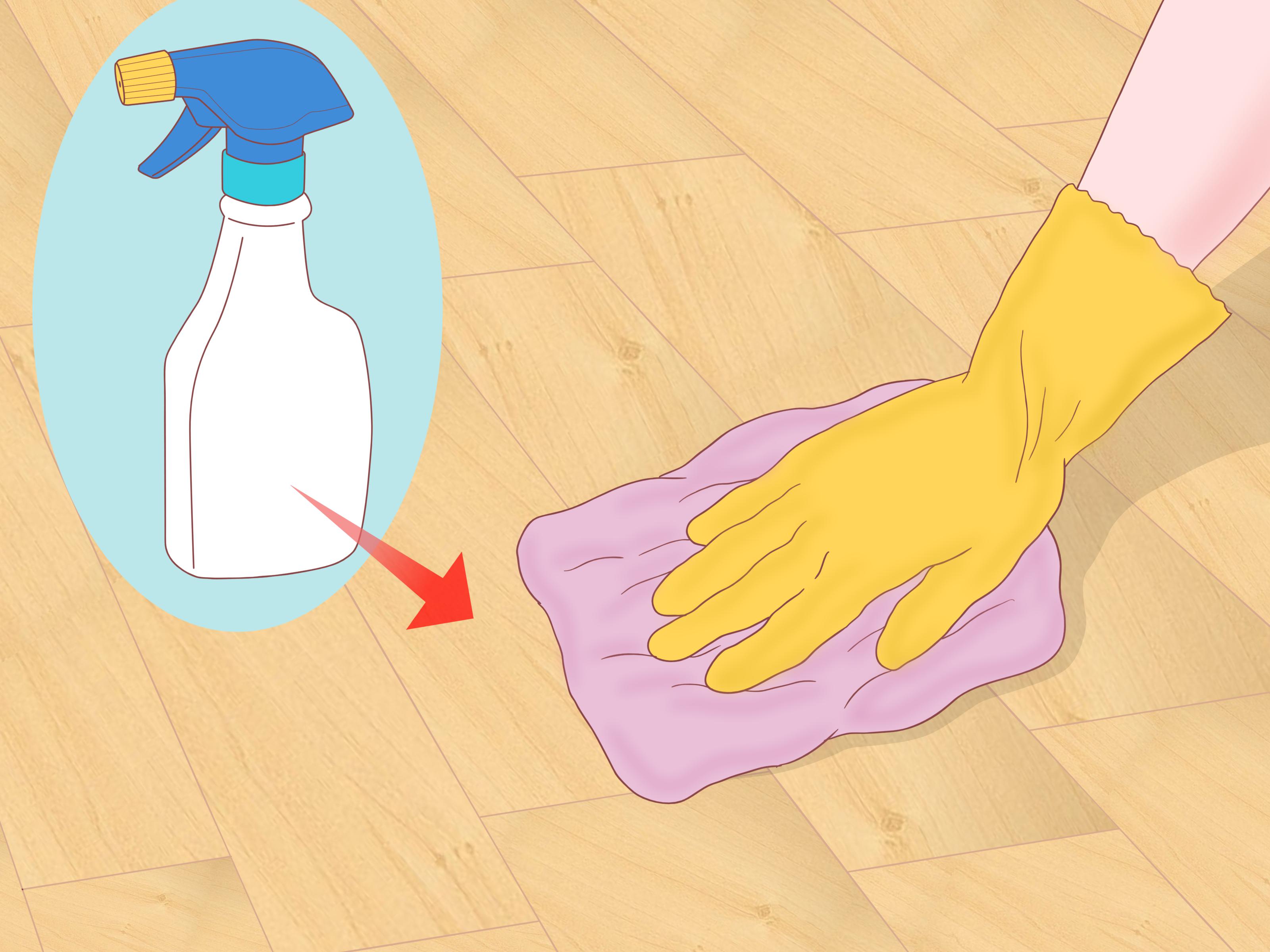
Lightly mist the cleaner onto the floor or apply it to the mop pad, depending on the product directions. Mop a small section at a time, about three to four feet wide. This helps prevent cleaner from sitting too long on the surface.
Move the microfiber mop gently across the parquet. For patterned floors, vary your direction slightly so the pad reaches into seams and grain lines. Do not press so hard that the mop leaves wet streaks. If you see visible puddles, the mop is too wet.
Step 4: Dry the floor immediately if needed
After damp mopping, the floor should dry quickly. If it remains wet for more than a minute or two, go over it with a clean, dry microfiber cloth or mop pad. Pay special attention to seams and corners. Water left in joints is one of parquet’s biggest enemies.
For regular maintenance, damp mop high-traffic areas when they look dirty, often every couple of weeks in busy homes. Rooms with lighter use may only need damp mopping monthly or less. Over-mopping can wear down the finish faster, so let the floor tell you what it needs.
Way 3: Spot Clean Spills, Stains, Scuffs, and Dull Areas
Spot cleaning is where parquet floor care becomes a little more personal. Life happens. Coffee drips. Pets have opinions. Kids transform snacks into floor confetti. Someone walks in wearing shoes that appear to have toured a construction site. The trick is acting quickly and using the gentlest solution that works.
For fresh spills
Blot spills immediately with a dry microfiber cloth. Do not spread the liquid around. Press, lift, and repeat until the area is dry. If the spill is sticky, use a slightly damp cloth with a small amount of wood-floor cleaner, then dry the spot right away.
For water, juice, wine, coffee, or pet accidents, speed matters. The longer liquid sits, the more likely it is to seep into seams or affect the finish. If a stain remains after gentle cleaning, avoid aggressive scrubbing and consider asking a wood-floor professional for advice.
For scuff marks
Many scuffs can be removed with a clean microfiber cloth and gentle pressure. For stubborn marks, lightly dampen the cloth with wood floor cleaner and rub the area carefully. A tennis ball can also help lift some rubbery scuffs without scratching the surface. Just make sure it is clean first; a dirty tennis ball is not a cleaning tool, it is a plot twist.
For sticky spots
Spray a small amount of wood floor cleaner onto a cloth, not directly into the seam. Hold the damp cloth over the sticky area for a few seconds to soften the residue, then wipe gently. Dry immediately. Avoid using a knife, metal scraper, or rough pad, because these can gouge the finish.
For dull or cloudy areas
Dullness can come from residue, wear, wrong cleaners, wax buildup, or finish damage. First, clean the area with a pH-neutral wood floor cleaner and a microfiber pad. If the haze disappears, residue was likely the problem. If the dull patch remains, the finish may be worn.
Do not automatically apply polish or wax. Some products are not compatible with polyurethane finishes and can create a bigger problem later. If your parquet floor is older, waxed, or oiled, check the manufacturer’s guidance or speak with a flooring professional before adding any treatment.
What Not to Use on Parquet Floors
Parquet floors are durable, but they do not appreciate cleaning experiments. Avoid these common mistakes:
- Steam mops: Heat and moisture can damage wood and finish over time.
- Wet mops: Standing water can seep into seams and cause swelling or warping.
- Bleach or ammonia: These can discolor wood and strip protective finishes.
- Abrasive scrubbers: Rough pads can scratch the surface.
- Too much soap: Excess cleaner leaves residue that attracts dirt.
- Furniture polish: It can make floors slippery and cloudy.
- Vinegar as a daily cleaner: Repeated use may dull some finishes.
How Often Should You Clean Parquet Floors?
A simple schedule keeps parquet looking clean without overworking the finish:
- Daily or every few days: Dust mop high-traffic areas.
- Weekly: Vacuum with a hard-floor setting or soft brush attachment.
- Every two to four weeks: Damp mop as needed with a wood-safe cleaner.
- Immediately: Blot spills, pet accidents, mud, and sticky messes.
- Seasonally: Check furniture pads, rugs, entry mats, and dull areas.
Homes with pets, children, frequent guests, or outdoor shoes may need more dry cleaning. Homes where shoes come off at the door may need less. There is no prize for mopping too often. In fact, with wood floors, restraint is part of the skill.
Best Cleaner for Parquet Floors: What to Look For
The best cleaner for parquet floors depends on the finish, but most sealed wood floors do well with a ready-to-use, pH-neutral hardwood floor cleaner. Look for products labeled safe for sealed hardwood, polyurethane-finished wood, or wood floors. Choose residue-free formulas when possible.
A spray mop can be convenient because it controls how much liquid reaches the floor. Traditional bucket mopping can also work, but only if the mop is wrung out extremely well. If the mop head drips when lifted, it is too wet for parquet.
If your floor is waxed, oiled, unfinished, antique, or newly refinished, do not assume every hardwood cleaner is safe. Check the care instructions from the installer, manufacturer, or finish product. When in doubt, test in a hidden spot and wait until the area fully dries before cleaning the entire room.
Extra Experience-Based Tips for Cleaning Parquet Floors
After cleaning many wood floors, one lesson becomes obvious: parquet rewards patience. The floors that look best over time are usually not the ones that get the strongest cleaner. They are the ones that get consistent, gentle attention. A five-minute dust mop session three times a week can do more for the floor than one dramatic deep clean every three months.
One practical habit is to keep a microfiber dust mop near the room where the parquet is installed. If the mop is buried in a closet behind holiday decorations, paint cans, and a suspiciously tangled extension cord, nobody will use it. When the tool is visible and easy to grab, cleaning becomes part of the rhythm of the house.
Another helpful trick is to clean in zones. Start at the farthest corner of the room and work toward the exit. This sounds basic, but it prevents footprints on freshly cleaned sections. For parquet patterns, use overlapping passes so the mop pad reaches the edges of the blocks. Herringbone and basket-weave floors can hide fine dust in the angled seams, so a single straight pass may not pick up everything.
In kitchens or dining rooms with parquet floors, keep a small cloth nearby for quick spill response. A full mop is unnecessary for one splash of water or a few drops of sauce. Blotting quickly prevents stains and saves time. Think of it as floor first aid: fast, calm, and not overly dramatic.
Pet owners should pay extra attention to entry points and water bowls. Place a mat under food and water dishes, but choose one that is safe for wood floors and does not trap moisture underneath. Trim pet nails regularly to reduce surface scratches. If your dog skids across the parquet like a furry bowling ball, rugs in running zones can protect the finish and reduce comedy-related floor damage.
For homes with children, the biggest issue is often mystery residue. Crayons, juice, stickers, craft glue, snack crumbs, and unidentified sticky dots can appear overnight. Use a damp microfiber cloth and wood-safe cleaner first. Avoid the temptation to scrape with a metal tool. A plastic scraper or old credit card may help with dried material, but use it gently and keep it flat against the floor.
Humidity also matters. Wood expands and contracts as indoor conditions change. If your home becomes very humid, parquet can swell slightly. If the air becomes too dry, small gaps may appear. A stable indoor environment helps the floor stay cleaner and healthier because seams are less likely to open, trap debris, or collect moisture.
One common mistake is using too much product because the floor still looks dull. But dullness is not always dirt. It may be old finish, micro-scratches, wax buildup, sun fading, or residue from previous cleaners. If a properly cleaned area remains dull, adding more cleaner will not solve it. At that point, the floor may need buffing, recoating, or professional evaluation.
Finally, trust the dry mop more than the wet mop. With parquet, the safest shine comes from removing grit, protecting the finish, and using liquids sparingly. Your floor does not need to smell like a lemon grove to be clean. It needs to be free of dust, dry to the touch, and protected from scratches. That is the quiet, unglamorous secret to parquet that stays beautiful year after year.
Conclusion
Cleaning parquet floors is all about balance. You want to remove dirt without flooding the seams, lift grime without stripping the finish, and maintain shine without creating slippery residue. The three best ways to clean parquet floors are dry dusting and vacuuming, damp mopping with a wood-safe cleaner, and careful spot cleaning for spills and scuffs.
Start with dry cleaning. Use liquid only when needed. Keep the mop damp, not wet. Dry the floor quickly. Avoid steam, harsh chemicals, abrasive pads, and cleaning shortcuts that sound too magical to be true. Parquet floors may look fancy, but their care routine is refreshingly simple: gentle tools, smart timing, and a little consistency.