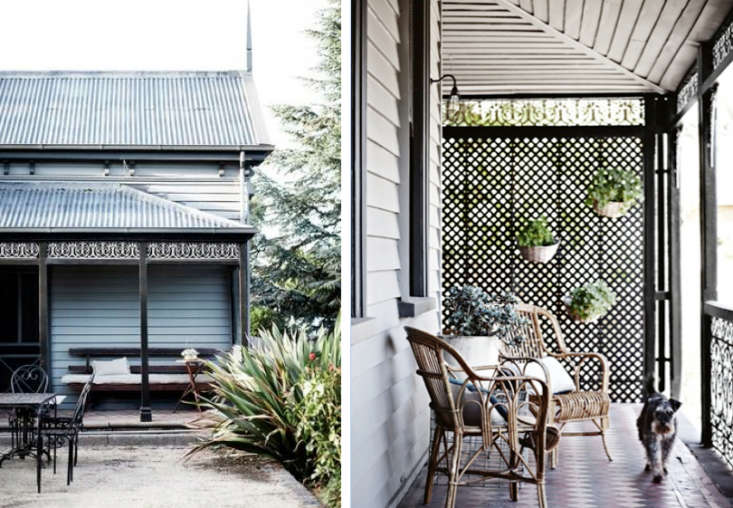
There is a particular kind of outdoor space that makes you immediately slow down. Not because someone told you to practice mindfulness, but because the porch itself seems to say, “Sit down, stop checking your phone, and admire this weathered bench like a civilized person.” That is the charm behind a rustic porch and summerhouse in Australia: relaxed, sun-faded, practical, romantic, and just polished enough to look intentional rather than “we forgot to bring the cushions inside for three years.”
This look is inspired by the classic Australian verandah lifestyle: shaded outdoor rooms, wraparound porches, rattan seating, blue-gray exterior paint, galvanized planters, climbing greenery, handmade cushions, and the kind of old garden summerhouse that feels like it might contain either a poetry notebook or a very dramatic spider. The best part? You do not need a heritage guesthouse in Victoria to borrow the mood. With the right materials, colors, furniture, lighting, and planting, you can recreate the feeling in a suburban backyard, a country porch, a small deck, or even a compact covered patio.
Why the Rustic Australian Porch Look Works
The rustic porch and summerhouse style works because it blends architecture, comfort, and landscape. It is not trying to look new. In fact, its magic comes from looking gently worn, collected, and lived in. Think painted timber, old rattan chairs, rough-hewn benches, soft throws, weathered metal, trailing vines, and a color palette that feels pulled from eucalyptus leaves, storm clouds, dry grass, and aged stone.
Australian verandahs have long been associated with shade, airflow, and indoor-outdoor living. In warm climates, a covered porch is not just decoration; it is a survival strategy with better styling. It softens the transition between house and garden, gives guests somewhere to linger, and turns the outdoors into a usable room. A summerhouse does the same thing in miniature: it creates a destination in the garden, a quiet retreat for reading, tea, naps, or pretending you are too busy to fold laundry.
The Core Look: Weathered, Useful, and Soft Around the Edges
To steal this look successfully, begin with restraint. Rustic does not mean filling every corner with wagon wheels, fake roosters, and distressed signs that say “Gather.” The Australian version is quieter. It favors honest materials, muted colors, woven textures, and simple furniture. The porch should feel like it belongs to the house and the landscape, not like a home decor store sneezed on it.
1. Start with a Blue-Gray Exterior Palette
A cool blue-gray exterior is one of the easiest ways to capture the mood. This color family works beautifully on timber siding, porch posts, doors, shutters, and garden structures because it sits between rustic and refined. It also pairs well with greenery, aged brick, stone, galvanized steel, and natural wood.
Choose a shade that has depth without turning too dark. Charcoal-blue, slate gray, eucalyptus gray, and smoky blue are all strong options. For trim, consider warm white, soft cream, or deeper charcoal. The goal is not a loud color statement; it is a calm backdrop that lets texture do the talking. Basically, your paint should whisper, not perform a Broadway number.
2. Use Rattan and Wicker Seating
Rattan seating gives this rustic porch style its relaxed, airy character. A woven chair instantly makes a porch feel breezy and informal. It is comfortable without looking bulky, textured without being visually heavy, and nostalgic without becoming fussy.
For a covered porch, natural rattan can work if it is protected from direct rain and harsh exposure. For open patios or humid regions, synthetic wicker or resin rattan is often more practical. Look for chairs with generous proportions, curved arms, and a slightly old-fashioned profile. Pair them with loose cushions in oatmeal, indigo, faded navy, sage, or striped cotton. The result should say, “I read novels outside,” even if you mostly scroll recipes and forget why you opened your phone.
3. Add a Simple Timber Bench
No rustic porch or summerhouse is complete without a bench. A slatted wood bench is especially useful because it looks architectural, ages gracefully, and can be softened with cushions or throws. Place one against the wall of a porch, inside the summerhouse, or beneath a climbing plant.
Choose teak, acacia, cedar, reclaimed pine, or another weather-tolerant wood suited to your climate. If the bench is exposed, seal it properly or allow it to weather naturally into a silvery patina. A bench does not need to match the chairs. In fact, the look improves when pieces feel collected over time. Matching sets are fine, but a rustic porch likes a little harmless rebellion.
4. Bring in Galvanized Planters
Galvanized steel planters are a small detail with a big effect. Their matte, silvery finish adds a utilitarian edge that keeps the porch from feeling too pretty. They also pair perfectly with blue-gray paint, terracotta pots, timber floors, and woven furniture.
Use galvanized pots for herbs, geraniums, lavender, succulents, trailing vines, or hardy flowering annuals. Mix them with fiberclay pots, old stone containers, and terracotta for a layered garden look. Avoid lining up identical planters like soldiers unless you want your porch to feel like it is about to conduct a very organized inspection.
How to Recreate the Porch Step by Step
Step 1: Define the Outdoor Room
Before buying furniture, decide how the porch will function. Is it for morning coffee, evening drinks, reading, dining, potting plants, or all of the above? A rustic porch can be casual, but it still needs a plan. Create one main seating zone and, if space allows, a smaller secondary moment such as a plant shelf, bench, or side table.
For a small porch, two woven chairs and a compact table may be enough. For a wraparound porch, create zones: a conversation area near the entry, a bench along the garden side, and a quiet corner with a rocker or lounge chair. Leave walking paths clear. Charm disappears quickly when guests have to sidestep planters like they are navigating an obstacle course.
Step 2: Layer Texture, Not Clutter
The rustic Australian look is rich in texture: rattan, linen, timber, metal, clay, cotton, and greenery. But texture should not become clutter. Use a limited number of materials and repeat them throughout the space.
For example, combine rattan chairs, a wood bench, galvanized planters, linen cushions, and a jute-style outdoor rug. Repeat blue-gray, indigo, cream, and natural brown across accessories. This makes the porch feel collected but cohesive. The trick is to look effortless, which of course takes a suspicious amount of effort.
Step 3: Choose Outdoor Textiles That Can Work Hard
Throws and cushions are essential to the look, but they should be chosen wisely. Outdoor spaces deal with sun, moisture, pollen, dust, and the occasional guest who treats red wine like a performance medium. Use outdoor-rated cushion covers where possible, especially on exposed porches.
For color, look to indigo, navy, faded denim, moss, oatmeal, charcoal, and warm white. Knitted pillows, linen-look cushions, ticking stripes, and block-printed patterns all suit the style. A single navy throw over a bench can make the whole porch feel more finished. It is the design equivalent of adding mascara before a video call: small effort, noticeable improvement.
Step 4: Add Trellis and Climbing Plants
A rustic porch becomes much more romantic when plants climb, trail, and soften the edges. Install a simple willow, wood, or metal trellis near the porch wall or summerhouse entrance. Train jasmine, clematis, climbing roses, passionflower, or another climate-appropriate vine. In hotter, drier zones, consider drought-tolerant climbers and native plants that can handle the conditions.
The best planting feels loose but maintained. You want “country garden,” not “the house lost a fight with a shrub.” Keep vines pruned around gutters, windows, and rooflines. Add hanging pots for flowers or trailing greenery, but do not overload the porch ceiling unless you enjoy watering plants while standing in suspicious puddles.
Step 5: Use Barn-Style Outdoor Lighting
Lighting is one of the easiest ways to make a porch or summerhouse feel magical after sunset. Barn-style sconces, wire-guard lights, enamel shades, and simple lanterns work especially well with rustic architecture. Galvanized, black, bronze, or aged brass finishes all fit the mood.
Place sconces near doors, seating areas, or the summerhouse entrance. Add lanterns on tables or steps for a softer glow. Warm white bulbs are usually best; cool white lighting can make a rustic porch feel like a dentist’s waiting room, and nobody wants to sip lemonade under interrogation lighting.
Designing the Summerhouse: The Garden’s Best Little Secret
A summerhouse is more than a shed with better manners. It is a focal point, a retreat, and a reason to walk into the garden. The Australian inspiration includes an original 19th-century summerhouse, which gives the look a sense of history and permanence. If you are adding one today, you can still capture that spirit with thoughtful materials and styling.
Keep the Structure Simple
The best rustic summerhouses are modest. A pitched roof, timber walls, open sides, lattice panels, or simple windows can be enough. Paint the structure in the same blue-gray palette as the porch, or let natural timber weather gracefully. Add a bench inside, a small table, and a few cushions. That is all you need.
A summerhouse should feel like a retreat, not a second living room with commitment issues. Avoid overfilling it with furniture. Let air move through. Frame views of the garden. Use it as a quiet place to read, sketch, have coffee, or hide from people who ask, “Can I just pick your brain?”
Make the Path Part of the Experience
The journey to the summerhouse matters. A gravel path, stepping stones, brick walkway, or compacted decomposed granite path can make the structure feel intentional. Edge the path with lavender, ornamental grasses, rosemary, salvias, or low native plants. The path should invite you forward without feeling too formal.
If the summerhouse sits at the end of the garden, use it as a visual anchor. Paint the door or trim a slightly deeper shade. Place symmetrical pots at the entrance, or let climbing plants frame the doorway. The goal is to create a destination that feels discovered, even if it is only twenty feet from the kitchen.
Budget-Friendly Ways to Steal the Look
Shop Secondhand First
This style rewards patience and thrift. Vintage rattan chairs, old benches, metal buckets, weathered stools, and enamel light fixtures often look better than brand-new pieces. Check estate sales, flea markets, online marketplaces, salvage shops, and local antique stores. A slightly imperfect chair can be charming. A chair that collapses when Uncle Bob sits down is less charming, so inspect carefully.
Paint What You Already Own
If your porch has mismatched furniture, paint can unify it. Use exterior-grade paint on wood and metal pieces, and choose colors from the same muted palette: slate, charcoal, soft white, olive, or deep blue. Even inexpensive planters can look elevated when grouped in a controlled color scheme.
Upgrade the Small Details
You do not need to rebuild the porch to transform it. Replace a harsh porch light with a barn-style sconce. Add a trellis beside the doorway. Swap plastic pots for galvanized or terracotta containers. Add two outdoor cushions in faded indigo. Place a woven mat at the entrance. Small changes build atmosphere quickly.
Materials That Make the Look Last
Rustic style should still be practical. Outdoor materials need to survive sun, moisture, insects, and seasonal changes. For furniture, teak, acacia, powder-coated aluminum, synthetic wicker, and sealed hardwoods are reliable choices. For flooring, timber decking is classic, but composite decking can be lower maintenance. For planters, galvanized steel, terracotta, concrete, and fiberclay all work well when chosen for the local climate.
Use outdoor-rated fabrics where possible. Store cushions during heavy storms or long wet periods. Clean rugs, furniture, and planters regularly. Rustic does not mean neglected; it means maintained in a relaxed way. Think “beautifully weathered,” not “archaeological discovery.”
Plants That Suit the Rustic Porch Mood
The planting should feel soft, fragrant, and slightly informal. Lavender, rosemary, thyme, salvia, geraniums, jasmine, climbing roses, olive trees, bay laurel, grasses, and trailing ivy can all support the look depending on your region. In Australian-inspired gardens, drought tolerance and strong foliage are especially useful. In American climates, adapt the palette to your zone rather than forcing plants that will faint dramatically by July.
For containers, combine upright plants with trailing edges. For example, use rosemary with creeping thyme, or geraniums with ivy. Add one or two large pots instead of many tiny ones. Larger containers hold moisture better and create stronger visual impact. Tiny pots scattered everywhere tend to look like plant confetti.
Common Mistakes to Avoid
Going Too Themed
The rustic Australian porch look is not a costume. Avoid overdoing “country” props. You do not need fake vintage signs, decorative milk cans, or anything shaped like a chicken unless you truly love it. Focus on materials and mood instead of novelty items.
Choosing Furniture That Is Too Bulky
Heavy outdoor sectionals can overwhelm a porch, especially a narrow one. Choose furniture with open frames, visible legs, and breathable materials. Rattan, wicker, and slim timber pieces help preserve airflow and make the space feel larger.
Ignoring Shade and Weather
A beautiful porch that is too hot, too wet, or too bright will not get used. Add curtains, bamboo blinds, awnings, shade cloth, or climbing plants if needed. Make sure rain can drain properly and that furniture is protected or easy to move.
of Real-Life Experience: Living With a Rustic Porch and Summerhouse Look
The first thing you learn from styling a rustic porch is that outdoor rooms have personalities. Indoor rooms usually behave. A sofa stays where you put it. A lamp does not collect leaves. A dining table rarely gets ambushed by a beetle. A porch, on the other hand, is alive with weather, dust, wind, birds, insects, changing light, and plants that grow exactly where they please. That is part of the pleasure. A rustic porch should not feel sealed off from nature; it should feel like it has made a friendly agreement with it.
One of the most useful experiences is discovering how much the space changes throughout the day. Morning light may make blue-gray paint look soft and silvery. Late afternoon sun may warm the timber floor and turn rattan chairs golden. At night, a barn-style sconce can make the entire porch feel like a small country inn. This is why testing colors and lighting matters. A paint swatch that looks perfect indoors may turn strangely purple outside. Outdoor bulbs that seem “bright and practical” in the store may make your summerhouse look like a parking garage. Always test before committing.
Another lesson: comfort wins. A rustic porch can be magazine-worthy, but if the chair scratches your legs, the cushion slides off, or the bench is too deep for normal human knees, nobody will sit there. Choose furniture you actually enjoy using. Add side tables at the right height. Keep a throw nearby for cool evenings. Use cushions with removable covers. The best rustic spaces feel generous, not precious.
Plants also teach patience. A newly installed trellis with a tiny jasmine vine may look unimpressive at first, like a green shoelace with ambitions. Give it time. In a season or two, it can soften the wall, add scent, and make the porch feel established. The same applies to patina. Wood grays. Metal dulls. Terracotta stains. Linen fades. These changes are not failures; they are the exact reason the look becomes beautiful.
Maintenance is the quiet secret. Sweep often. Shake out cushions. Check for mildew. Move pots before they stain decking. Oil or seal wood when needed. Replace tired plants without guilt. Rustic style is forgiving, but it still appreciates attention. A good porch should feel casual, not abandoned.
Most importantly, a rustic porch and summerhouse change how people use a home. Guests drift outside. Morning coffee lasts longer. Kids treat the summerhouse like a fort. Adults treat it like therapy with better ventilation. Even a small covered porch can become the favorite room in the house because it offers something interiors often cannot: shade, breeze, birdsong, and permission to do absolutely nothing for a few minutes. In a world obsessed with upgrades, that may be the most luxurious feature of all.
Conclusion: Rustic Style, Australian Ease
To steal the look of a rustic porch and summerhouse in Australia, focus on atmosphere before objects. Use a calm blue-gray palette, woven seating, timber benches, galvanized planters, climbing plants, warm outdoor lighting, and textiles that look soft but can handle real life. Keep the mood relaxed, useful, and connected to the garden.
The beauty of this style is that it does not demand perfection. A little fading helps. A little patina helps. A slightly mismatched chair might help most of all. When done well, the porch becomes more than an entryway and the summerhouse becomes more than a garden structure. Together, they create a place to pause, gather, read, rest, and enjoy the outdoors with rustic charm and just enough polish to make the neighbors suspiciously impressed.
Note: This article is an original, publication-ready piece synthesized from real design ideas, outdoor living principles, and rustic porch styling references. Product availability, pricing, plant suitability, and material performance should be checked locally before publishing or purchasing.