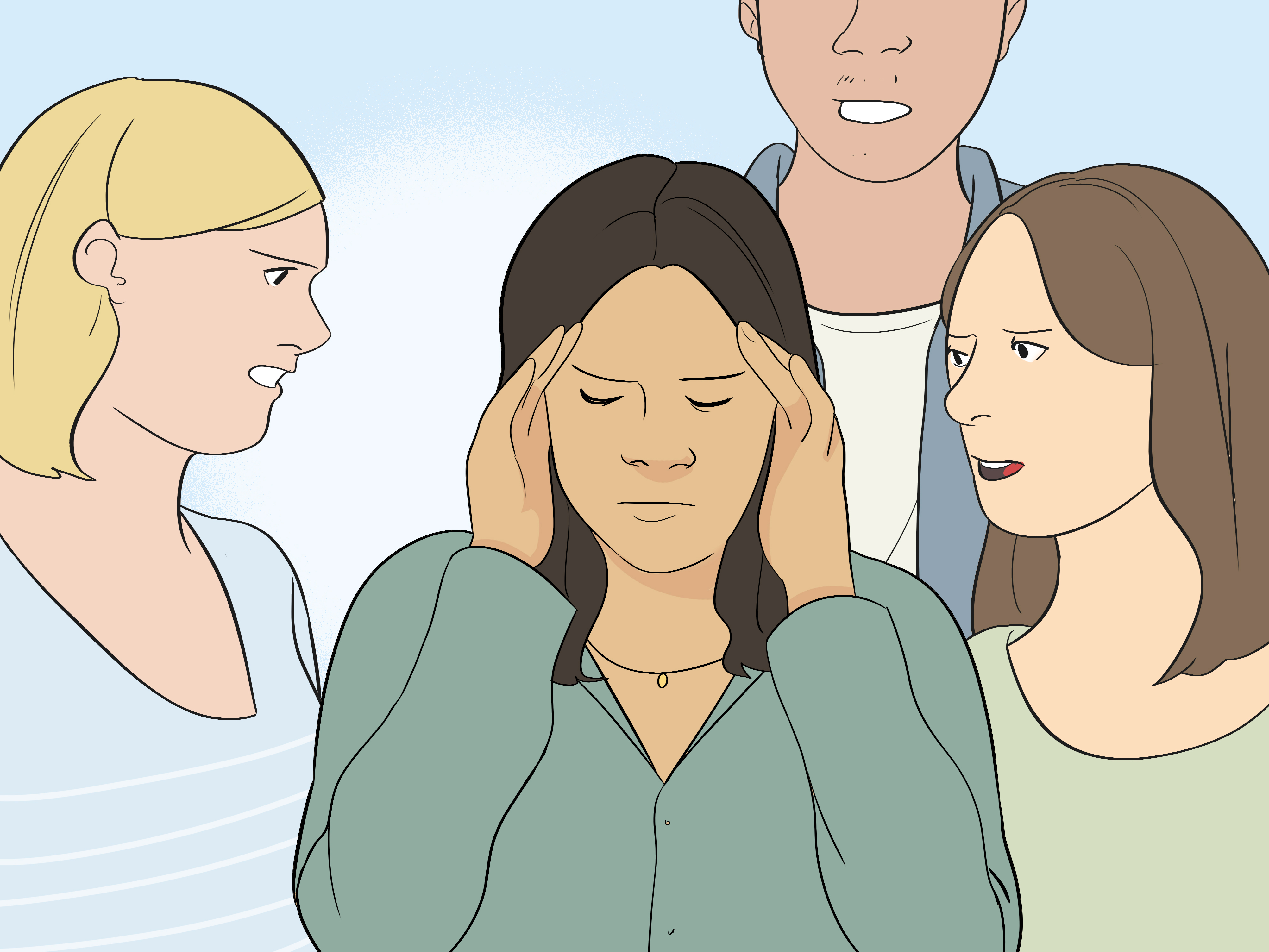
Some people walk into a room and instantly know the emotional weather. One coworker is tense, your friend sounds crushed, your partner is quietly irritated, and suddenly your own mood has packed a suitcase and moved into their drama. If this sounds familiar, you may be highly empathetic, emotionally sensitive, or simply very tuned in to other people’s signals. That can be a beautiful trait. It can also feel like being a human sponge in a rainstorm.
Absorbing other people’s emotions does not mean you are “too sensitive” in a bad way. It often means your brain is doing what social brains do: noticing facial expressions, tone of voice, body language, and emotional cues. The problem begins when empathy turns into emotional over-identification. Instead of understanding someone’s feelings, you start carrying them. Instead of saying, “That person is anxious,” your nervous system announces, “Congratulations, we are anxious now.”
The good news: you can stay compassionate without becoming everyone’s emotional storage unit. The goal is not to become cold, detached, or as emotionally available as a brick wall. The goal is to develop healthy emotional boundaries, regulate your nervous system, and respond with care instead of absorbing every mood in the room.
Why Do We Absorb Other People’s Emotions?
People pick up emotions through a process often called emotional contagion. This can happen through obvious cues, like someone yelling, crying, or venting, but also through subtle cues such as posture, facial tension, silence, or the general “vibe” of a group. In small doses, this helps people connect. It allows parents to notice when a child is scared, friends to comfort each other, and teams to sense when morale is slipping.
But emotional contagion becomes exhausting when your system cannot tell the difference between “I am witnessing this feeling” and “I am responsible for fixing this feeling.” That confusion can lead to stress, resentment, burnout, overthinking, people-pleasing, and the classic late-night hobby of replaying someone else’s bad day like it is a limited series on your brain’s streaming platform.
Here are nine practical ways to stop absorbing other people’s emotions while still being kind, present, and emotionally intelligent.
1. Name What Belongs to You and What Does Not
The first step is emotional sorting. When you suddenly feel heavy, anxious, irritated, or sad after interacting with someone, pause and ask: “Was I feeling this before the conversation?” This simple question creates a little space between your emotions and someone else’s.
Try using a quick mental label: “This is my friend’s stress,” “This is my coworker’s urgency,” or “This is my parent’s frustration.” Naming the emotion does not make you uncaring. It makes you accurate. You can care about someone’s pain without adopting it as your new personality for the afternoon.
Try this quick check-in
Take one slow breath and ask yourself three questions: What am I feeling? When did it start? Is there something I need to do, or am I simply reacting to someone else’s state? This turns emotional fog into useful information.
2. Build a Boundary Before You Need One
Boundaries are not punishments. They are instructions for how you protect your energy, time, attention, and emotional health. Many people wait until they are already overwhelmed before setting a boundary, which is like installing a smoke alarm after the kitchen is on fire. Helpful? Sure. Ideal? Not exactly.
A good emotional boundary can be simple: “I can listen for 15 minutes, but I cannot talk about this all night,” or “I care about you, but I am not in the right headspace for a heavy conversation right now.” Notice that these statements are not rude. They are honest, clear, and kind.
If you are used to being the person everyone vents to, boundaries may feel uncomfortable at first. That does not mean they are wrong. It means your emotional muscles are learning a new workout.
3. Stop Confusing Empathy With Responsibility
Empathy says, “I understand that you are hurting.” Responsibility says, “I must solve your pain immediately or I am a terrible person.” These are very different sentences, but emotionally sensitive people often blend them together.
You can validate someone without taking over. For example, instead of offering ten solutions, canceling your plans, and mentally adopting their problem, you might say, “That sounds really hard. Do you want advice, or do you just need me to listen?” This question is small but powerful. It prevents you from becoming an unpaid emergency department for every emotional splinter.
Compassion works best when it includes you too. If helping someone destroys your peace every time, the helping method needs an upgrade.
4. Use Your Body to Come Back to Yourself
Absorbing emotions is not just a mental experience. It often shows up physically: tight shoulders, shallow breathing, a racing heart, stomach tension, fatigue, or a sudden urge to hide under a blanket and become unavailable until next Tuesday.
Grounding techniques help bring your nervous system back to the present. Try pressing your feet into the floor, relaxing your jaw, or taking a slow breath with a longer exhale. You can also look around and name five things you see, four things you feel, three things you hear, two things you smell, and one thing you taste.
This does not magically erase stress, but it reminds your brain that you are here, in your body, in this moment. You are not inside the other person’s emotional storm. You are standing near it with an umbrella.
5. Limit Co-Rumination
Talking through problems can be healthy. Repeating the same distressing details for hours without movement, insight, or relief is different. That pattern is often called co-rumination, and it can make both people feel more stuck. It may feel intimate in the moment, but afterward you may feel drained, tense, and strangely responsible for a problem that is not yours.
One way to shift the conversation is to gently move from replaying to reflecting. You might say, “What do you think would help you feel one percent better tonight?” or “Do you want to brainstorm one next step?” If the person only wants to circle the same emotional drain, it is okay to step back.
A helpful rule: connection should not require emotional drowning. You can be supportive without turning every conversation into a crisis documentary.
6. Create a Transition Ritual After Heavy Conversations
After an intense talk, your brain may keep carrying the other person’s feelings long after the conversation ends. A transition ritual tells your mind and body, “That moment is over. I am returning to my own life now.”
This ritual can be very simple. Wash your hands slowly. Take a short walk. Stretch for two minutes. Play one upbeat song. Write down what is yours to do and what is not yours to carry. Even changing rooms or stepping outside can help your brain mark the end of an emotional exchange.
Think of it like closing tabs on a browser. If you leave every emotional tab open, no wonder your internal laptop sounds like it is preparing for takeoff.
7. Protect Your Attention From Emotional Overload
Other people’s emotions do not only arrive in face-to-face conversations. They also come through social media, group chats, news alerts, comment sections, and the digital swamp known as “just checking one thing.” If you are already emotionally full, scrolling through everyone’s outrage, grief, panic, and hot takes can push your nervous system into overload.
Protecting your attention may mean muting certain chats, setting screen limits, unfollowing accounts that constantly spike your stress, or choosing not to read intense content before bed. This is not ignorance. It is emotional hygiene.
You do not have to consume every crisis to be a caring person. You are allowed to be informed without being constantly flooded.
8. Practice Compassion Without Absorption
Compassion and absorption are not the same. Absorption says, “I feel your pain as if it is mine.” Compassion says, “I recognize your pain, and I want to respond wisely.” The second version is more sustainable.
One practical technique is to silently repeat: “This is their feeling. I can care without carrying.” You might also imagine placing the person’s emotion in front of you rather than inside you. That image sounds almost too simple, but it can help create psychological distance.
Compassion also includes realistic support. Sometimes support means listening. Sometimes it means helping someone find professional resources. Sometimes it means saying, “I love you, but I cannot be your only support system.” That sentence may feel scary, but it can be healthier for both people.
9. Strengthen Your Own Emotional Baseline
When you are exhausted, hungry, isolated, sleep-deprived, or stressed, you are more likely to absorb other people’s emotions. Your emotional boundary system gets thinner when your basic needs are ignored. Nobody becomes their wisest self on four hours of sleep and a breakfast made of iced coffee and unresolved tension.
Strengthening your baseline means caring for your physical and mental health before you hit the red zone. Sleep, movement, nourishing meals, time outside, supportive friendships, hobbies, and quiet time all matter. So does professional help when anxiety, depression, trauma, or chronic stress makes emotional absorption difficult to manage.
Therapy can be especially useful if you grew up feeling responsible for other people’s moods, learned to keep the peace at any cost, or feel guilty whenever someone is disappointed. Those patterns can change, but they often need patience, practice, and support.
Signs You Are Absorbing Too Much
You may be absorbing other people’s emotions if you often feel drained after social interactions, replay conversations for hours, feel guilty when you cannot fix someone’s problem, avoid people because their moods overwhelm you, or struggle to identify what you actually feel. You may also notice physical signs such as headaches, tight muscles, stomach discomfort, fatigue, or poor sleep after emotionally intense situations.
These signs do not mean you should stop caring. They mean your care needs better structure. A bridge is useful because it has boundaries. Without railings, it is just a dramatic accident waiting to happen.
What to Say When Someone Dumps Emotions on You
Sometimes you need practical words in the moment. Try these:
- “I care about you, but I only have a few minutes to talk right now.”
- “That sounds really painful. Do you want advice or support?”
- “I am not able to hold this conversation tonight, but I hope you reach out to someone who can support you.”
- “I can listen, but I cannot be the only person you talk to about this.”
- “Let’s pause. What is one next step that would actually help?”
The best boundary statements are clear and calm. You do not need a courtroom-level argument. You do not need a 900-word apology. A boundary can be short, kind, and complete.
Experiences Related to Stopping Emotional Absorption
One common experience among emotionally sensitive people is the “mood hangover.” You meet a friend for coffee, they spend an hour talking about a stressful breakup, and you leave feeling like you personally went through the breakup too. You may even feel guilty for wanting space afterward. But with practice, you can learn to separate love from emotional merging. You can say, “I care about my friend, and I am sad they are hurting,” without letting the sadness take over your whole day.
Another familiar situation happens at work. Maybe a manager rushes into the room with panic energy, and suddenly everyone is typing faster, breathing shallower, and acting like the printer has declared war. If you absorb that urgency automatically, you may end the day exhausted even if nothing truly terrible happened. A useful response is to pause, identify the facts, and ask, “What is actually required right now?” This helps you respond to the task instead of catching the panic.
Family situations can be even trickier because old roles tend to wake up. If you were always the peacekeeper, you may feel responsible whenever someone is upset. A parent sighs, a sibling complains, or a relative gets quiet, and your brain starts running emotional customer service. In those moments, it helps to remind yourself: “Their mood is information, not an assignment.” You can be respectful without managing everyone’s feelings.
Some people also absorb emotions through text messages. A short reply, a period at the end of a sentence, or a message that says “we need to talk” can send the imagination into Olympic-level gymnastics. The experience feels real, but it may be built on uncertainty rather than facts. Before reacting, try asking for clarification or waiting until you have more context. Not every short message is a disaster. Sometimes people are just busy, tired, or tragically bad at texting.
A powerful turning point often happens when you realize that emotional boundaries actually improve relationships. Without boundaries, resentment builds quietly. You say yes when you mean no. You listen when you are depleted. You help while secretly hoping someone notices how much it costs you. Eventually, kindness starts wearing a tiny grumpy hat. Boundaries prevent that. They allow your support to come from generosity instead of obligation.
Many people find that a simple post-conversation ritual changes everything. After a heavy talk, they walk around the block, journal for five minutes, stretch, or say out loud, “I release what is not mine.” It may feel awkward at first, but repetition trains the brain. The ritual becomes a doorway back to yourself.
The deepest experience is this: you can remain soft without being absorbent. You can be kind without being available every second. You can listen without becoming responsible. You can love people and still protect your peace. Emotional maturity is not about feeling less. It is about knowing what to do with what you feel.
Conclusion
Stopping yourself from absorbing other people’s emotions is not about becoming distant or uncaring. It is about learning to be present without disappearing into someone else’s experience. When you name what belongs to you, set healthy boundaries, ground your body, limit emotional spirals, and strengthen your own baseline, empathy becomes a gift again instead of a full-time unpaid job.
The next time someone’s mood starts taking over your nervous system, pause. Breathe. Label what is happening. Offer care if you can, but do not hand over the keys to your inner world. You are allowed to be compassionate and protected at the same time. In fact, that is usually the only way compassion lasts.