Note: This publish-ready article is written in standard American English and intentionally excludes source links from the HTML body.
Introduction: The Garden That Refuses to Behave
A punk garden does not ask for permission to be interesting. It does not stand in a straight line, salute the sprinkler system, or apologize because a bee is currently using the sidewalk-adjacent coneflower as a breakfast counter. It is part habitat, part protest, part compost pile with better public relations. While traditional landscaping often tries to control every leaf, stem, and blade of grass, the punk garden asks a more useful question: what if the yard could be alive instead of merely tidy?
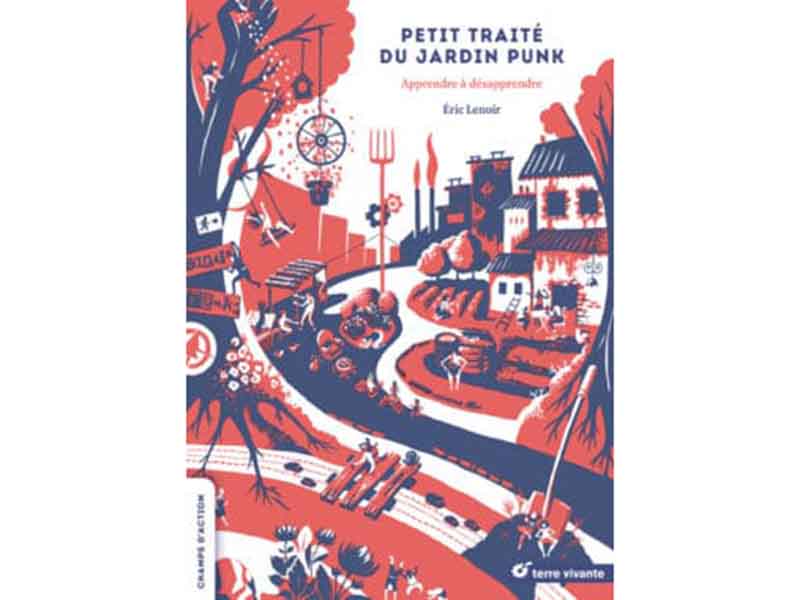
At its heart, A Little Treatise On The Punk Garden is not about chaos for chaos’s sake. It is about gardening with attitude, intelligence, ecological purpose, and a healthy distrust of anything that requires weekly chemical intervention to look “normal.” A punk garden can be beautiful, but it refuses to be sterile. It can be designed, but it leaves room for surprise. It can be small enough for a balcony pot or large enough to turn a lawn into a living patchwork of flowers, grasses, herbs, shrubs, edible plants, and wildlife shelter.
The punk garden borrows from native plant gardening, pollinator conservation, permaculture, cottage gardens, prairie plantings, compost culture, and urban greening. It says: plant what feeds something. Keep what improves the soil. Let some stems stand. Let some leaves stay. Use less water. Stop treating every insect like an enemy soldier. And for heaven’s sake, stop making the lawn the main character.
What Is a Punk Garden?
A punk garden is a low-conformity, high-function garden built around ecological usefulness rather than decorative obedience. It favors native plants, tough perennials, self-seeding flowers, reused materials, compost, mulch, odd containers, wildlife habitat, and design choices that look slightly rebellious but work beautifully.
The style is not the same as neglect. Neglect is a yard abandoned to random weeds, compacted soil, invasive plants, and one suspicious plastic chair. Punk gardening is intentional. It may look loose, layered, and wild around the edges, but it is guided by principles: biodiversity, resilience, soil health, water wisdom, community value, and beauty with bite.
The Punk Garden Manifesto
If the punk garden had a manifesto taped to a rusty gate, it might read like this:
Grow life, not status. Choose plants that feed pollinators, birds, soil organisms, and people.
Use what you have. Broken bricks, old buckets, reclaimed wood, and chipped pots can become paths, borders, planters, and personality.
Respect the local ecosystem. Native plants often provide better food and shelter for native insects and wildlife than purely ornamental imports.
Refuse the tyranny of perfect neatness. Seed heads, leaf litter, hollow stems, and brush piles can serve real ecological purposes.
Make it legible. Wild does not have to mean confusing. Paths, borders, signs, repeated plant groups, and mown edges tell neighbors, “This is a garden, not a municipal accident.”
Why the Punk Garden Matters
Modern yards can be surprisingly quiet. A wide green lawn may look clean, but ecologically it can function like a blank page with very little written on it. Many lawns require mowing, watering, fertilizing, and pest control while offering limited food and shelter for wildlife. A punk garden turns that blank page into a loud little poem.
Native flowering plants can support bees, butterflies, moths, beetles, hummingbirds, and other pollinators. Shrubs and trees provide nesting sites and cover. Fallen leaves protect overwintering insects. Compost improves soil structure and helps soil retain moisture. Diverse plantings reduce the risk that one disease, drought, or pest will ruin the whole show. In other words, punk gardening is not just an aesthetic; it is a practical strategy for making outdoor spaces stronger.
There is also a cultural reason this style feels timely. Many people are tired of gardens that demand perfection but give little back. A punk garden gives permission to care deeply without becoming precious. It invites renters, homeowners, students, apartment dwellers, community gardeners, and backyard experimenters to begin with one pot, one corner, one strip of lawn, or one stubborn patch of dirt that has been waiting for its dramatic comeback.
The Core Elements of a Punk Garden
1. Native Plants With Local Attitude
Native plants are the backbone of many punk gardens because they evolved with local climate, soils, insects, and wildlife. Depending on region, that might mean milkweed, goldenrod, aster, black-eyed Susan, bee balm, mountain mint, little bluestem, purple coneflower, serviceberry, oak, elderberry, or native sedges. The exact plant list should change by location. A punk garden in Arizona should not cosplay as a Vermont meadow, and a shady yard in Oregon should not be bullied into acting like a sunny prairie.
The key is to match plants to the actual conditions: sun, shade, soil moisture, drainage, winter cold, summer heat, and available space. “Right plant, right place” may sound like something printed on a sensible tote bag, but it is secretly radical. Plants that fit the site need less fuss, less water, fewer chemicals, and fewer emotional support conversations from the gardener.
2. Pollinator Habitat Beyond Flowers
A punk garden loves flowers, but it does not stop there. Pollinators need food, water, nesting places, shelter, and protection from pesticides. A garden with blooms from early spring through fall is far more useful than one that has a single glorious two-week flower explosion and then spends the rest of the season looking embarrassed.
Include early bloomers, midseason flowers, and late-season nectar sources. Leave some bare soil for ground-nesting bees. Keep a few stems standing for insects that nest or overwinter in hollow plant stalks. Allow a layer of leaves under shrubs and perennials where appropriate. This is not laziness; it is hospitality with mulch on its shoes.
3. Soil That Gets Fed, Not Beaten
The punk garden starts underground. Healthy soil is alive with fungi, bacteria, insects, worms, roots, and organic matter. Compost can improve soil structure, help retain moisture, and recycle nutrients back into the garden. Mulch can protect soil from erosion, reduce weeds, moderate temperature, and slowly add organic matter as it breaks down.
A punk gardener does not see fallen leaves as trash. Leaves are future soil, winter shelter, and free mulch delivered by trees with excellent customer service. Shred them if needed, tuck them into beds, or compost them. The goal is to reduce waste while building a richer, spongier, more resilient growing space.
4. Reclaimed Materials and Anti-Gloss Design
The punk garden does not require a luxury garden center budget. In fact, too much polish can ruin the mood. Reused bricks can edge a path. Salvaged boards can frame a raised bed. A cracked ceramic pot can become drainage crock, mosaic, or a tiny succulent stage. Old metal tubs, wooden crates, and mismatched containers can create a scrappy, lived-in look.
The trick is to make reuse feel intentional. Repeat materials. Keep paths clear. Avoid anything unsafe, sharp, chemically treated, or likely to leach harmful substances into edible beds. The best punk garden looks resourceful, not hazardous. Think “creative rebellion,” not “the shed exploded.”
How to Design a Punk Garden That Still Looks Good
Create a Clear Edge
One of the easiest ways to make a wild garden socially acceptable is to give it a clean boundary. A mown strip, brick edge, low fence, gravel path, or repeated row of sturdy plants tells viewers that the planting is intentional. This matters especially in front yards, shared spaces, and neighborhoods where someone owns binoculars and strong opinions.
Plant in Drifts, Not Confetti
Randomness is fun until every seed packet becomes a tiny botanical shouting match. Grouping plants in clusters or drifts creates visual rhythm and helps pollinators find food more efficiently. Three to seven of the same plant together often looks stronger than one lonely specimen surrounded by strangers.
Mix Heights Like a Tiny Music Festival
Put taller plants toward the back or center, medium plants around them, and lower plants near paths and edges. Add grasses or sedges for movement. Add shrubs for structure. Add spring bulbs, summer perennials, and fall bloomers for seasonal drama. The result should feel layered, like a good playlist: not all chorus, not all drums.
Use Signs When Needed
A small sign that says “Pollinator Habitat,” “Native Plant Garden,” or “Please Pardon the LeavesThe Fireflies Live Here” can prevent misunderstandings. It also turns the garden into a conversation starter. Suddenly your slightly shaggy corner is not a mess; it is education with bees.
Plants That Fit the Punk Garden Spirit
The best punk garden plants are useful, tough, expressive, and ecologically generous. In many U.S. regions, gardeners might consider native milkweeds for monarch butterflies, goldenrods for late-season pollinators, asters for fall nectar, mountain mint for bees, coneflowers for seeds and flowers, little bluestem for structure, violets for early blooms and butterfly larvae, and serviceberry for spring flowers and fruit for birds.
Edible plants can join the rebellion too. Herbs such as thyme, oregano, sage, chives, and mint-family plants can feed pollinators when allowed to bloom. Vegetables can be tucked among flowers. Strawberries can edge beds. Nasturtiums can scramble around containers like they paid rent in color. The punk garden does not separate beauty, food, and habitat into different committees. It lets them collaborate.
What About Weeds?
The punk garden has a complicated relationship with weeds. Some spontaneous plants can feed pollinators, protect soil, or reveal useful information about site conditions. Clover, violets, and dandelions, for example, may offer early or accessible food for insects in certain contexts. But not every weed is a misunderstood poet. Invasive plants can displace native species, reduce habitat quality, and spread aggressively beyond the garden.
The practical approach is selective tolerance. Learn what is growing. Keep beneficial volunteers when they fit your goals. Remove invasive or harmful plants before they set seed. Do not let one aggressive species turn your garden into a one-band festival where every song is the same.
The Punk Garden and Water Wisdom
Water is not just an input; it is a design issue. A punk garden aims to slow, sink, and share water. Mulch helps reduce evaporation. Compost improves soil’s ability to hold moisture. Native plants adapted to local conditions often need less irrigation once established. Rain gardens, swales, barrels, and permeable paths can help manage runoff where appropriate.
Watering deeply but less often encourages deeper roots. Grouping plants by water needs prevents thirsty plants and drought-tolerant plants from arguing through the hose. The garden becomes more resilient, and the gardener spends less time dragging a sprinkler around like a tired stagehand.
Punk Gardening in Small Spaces
You do not need a suburban yard to build a punk garden. A balcony can hold pots of native flowers, herbs, dwarf shrubs, and trailing plants. A stoop can host a container pollinator patch. A windowsill can grow basil, chives, or compact flowers. A community garden bed can mix vegetables with pollinator plants and compost-rich soil.
Small spaces benefit from vertical thinking: trellises, railing planters, stacked containers, hanging baskets, and narrow troughs. Choose compact plants that bloom over a long period. Add a shallow water dish with stones for insects to land on. Avoid pesticides. Even a few pots can become a tiny refueling station for urban pollinators.
The Ethics of the Punk Garden
Because the phrase “punk garden” can suggest rebellion, it is worth being clear: ecological rebellion does not need to mean trespassing, damaging property, or planting invasive species in public spaces. Community greening works best when it is responsible. Ask permission when gardening outside your own property. Work with neighbors, schools, libraries, parks, faith groups, or local organizations. Choose plants carefully. Respect accessibility, sight lines, utilities, and safety.
A truly punk garden punches up at waste, sterility, and ecological boredom. It does not create problems for people with allergies, mobility needs, limited sight, or different relationships to outdoor space. The best version is generous, not selfish. It makes room for more life and more people.
Common Mistakes in Punk Gardening
Mistake 1: Confusing Wild With Unmanaged
A punk garden still needs editing. Remove invasive plants. Cut back where paths disappear. Divide perennials when they crowd each other. Refresh mulch. Keep sight lines safe. The garden can be rebellious without becoming a leafy obstacle course.
Mistake 2: Planting Before Observing
Spend time watching the site. Where is the sun strongest? Where does water collect? Which areas dry out first? What plants already grow well? Observation saves money and embarrassment, which is important because plants cannot return your texts after they die.
Mistake 3: Buying One of Everything
Plant collecting is fun, but a garden made of single specimens can look scattered. Repeat strong performers. Build plant communities. Let the garden have rhythm instead of botanical karaoke.
Mistake 4: Forgetting the Neighbors
If your garden is visible from the street, add cues of care: borders, paths, labels, seasonal cleanup around edges, and intentional groupings. A little structure helps people understand the wildness as design rather than neglect.
How to Start Your Own Punk Garden
Begin with one manageable area: a strip along a fence, a corner of lawn, three containers, or the sad bed by the mailbox where hope goes to wilt. Remove invasive plants and turf carefully. Improve the soil with compost if needed. Add mulch. Choose a small palette of regionally appropriate native plants and a few edible or aromatic companions. Include flowers for different seasons. Leave some habitat elements in place. Add a path or border.
Then watch. Gardening is not a one-time installation; it is a conversation conducted in roots, weather, insects, and occasional dramatic failure. Some plants will thrive. Some will sulk. Some will vanish and return next year like they were on tour. Adjust as you learn.
Experience Notes: Living With a Punk Garden
The first thing you learn from a punk garden is that control is overrated. You may begin with a tidy plan: three milkweeds here, five asters there, a nice little mulch path curving politely through the middle. Then June arrives wearing boots, and suddenly the bee balm is elbowing the coneflowers, the volunteer sunflower has declared itself mayor, and a bumblebee is sleeping inside a squash blossom like it booked a luxury hotel room.
At first, this can feel alarming. Gardeners are trained to panic when plants behave like plants. But the punk garden teaches a different kind of attention. You stop asking, “Is this perfect?” and start asking, “What is happening here?” You notice which flowers attract tiny metallic bees. You notice that birds visit seed heads you almost cut down. You notice that leaves under shrubs are not trash but a winter blanket for small lives you rarely see.
One of the best experiences is the moment a neighbor changes their mind. At first, they may look at the garden with the cautious expression people reserve for experimental casseroles. Then the black-eyed Susans bloom. The butterflies arrive. The goldfinches land on seed heads. Someone asks what the purple flowers are. Someone else says their child likes watching the bees. The garden becomes a small public argument in favor of paying attention.
Another lesson is humility. Not every rebellious idea works. A plant that sounded charming in a catalog may flop like a wet sock in your actual soil. A “drought tolerant” plant may need more help during its first year than expected. A self-seeder may become a little too enthusiastic, like a band that refuses to leave the stage. The punk gardener learns to edit without losing the spirit of abundance.
Compost also changes the way you see waste. Banana peels, coffee grounds, dry leaves, and garden trimmings stop looking like garbage and start looking like future fertility. There is something quietly satisfying about feeding the soil with yesterday’s scraps. It feels like a tiny rebellion against the throwaway world. The compost pile is not glamorous, but neither was the first garage band, and look what happened there.
The most personal reward is the sense that the garden is never finished and does not need to be. It keeps becoming. In spring, it is promise. In summer, noise. In fall, seed and gold. In winter, structure, stems, and patience. A punk garden gives the gardener permission to be imperfect, observant, practical, and bold. It says you can make beauty without polishing away the wild. You can grow food, flowers, shelter, soil, and community in the same square of earth. You can let the garden have a little snarl, a little humor, and a whole lot of life.
Conclusion: Long Live the Useful Mess
The punk garden is not a rejection of beauty. It is a rejection of empty beauty. It asks the garden to do more than pose. It should feed bees, shelter insects, build soil, slow water, invite birds, produce herbs or fruit, reuse materials, and make humans grin when a flower appears exactly where no one planned it.
Whether you have a yard, a balcony, a community plot, or a single pot on a sunny step, you can borrow the punk garden spirit. Start small. Plant locally useful species. Compost what you can. Leave some habitat. Make the design legible. Choose resilience over fuss. The result may not look like a glossy magazine spread, and that is the point. It will look alive.