Cork flooring may sound like something invented by a wine lover with a remodeling budget, but it is actually one of the most practical, comfortable, and surprisingly stylish flooring options available today. It is soft underfoot, naturally warm, quieter than many hard surfaces, and made from the bark of cork oak trees without cutting the trees down. In other words, cork is the rare flooring material that can make your home feel cozy while also giving your environmental conscience a little high-five.
Still, cork flooring is not perfect for every room or every household. It can dent under heavy furniture, fade in strong sunlight, and needs proper sealing to resist moisture. But when you choose the right type, prepare the subfloor correctly, and install it with care, cork can be a beautiful and durable floor for kitchens, bedrooms, home offices, playrooms, and living spaces.
This guide breaks down cork flooring cost, types, installation methods, pros and cons, maintenance tips, and real-world experience so you can decide whether cork deserves a spot under your feet.
What Is Cork Flooring?
Cork flooring is made from the outer bark of the cork oak tree. The bark is harvested by hand, then the tree continues growing and regenerating its protective layer. The harvested cork is processed into granules, bonded together, pressed into sheets or planks, and finished for use as flooring.
The result is a floor with a springy cellular structure. Cork contains tiny air-filled pockets, which help explain why it feels softer and warmer than tile, laminate, or many hardwood floors. That same structure also gives cork its sound-dampening qualities, making it a smart choice for upstairs rooms, apartments, nurseries, offices, and any home where footsteps tend to announce themselves like a marching band.
How Much Does Cork Flooring Cost?
On average, cork flooring costs about $5 to $19 per square foot installed, depending on the material, thickness, room size, labor rates, subfloor condition, and finish. Material-only pricing often ranges from about $3 to $10 per square foot, though specialty cork products can cost more.
For a typical 200-square-foot room, a homeowner might spend anywhere from $1,000 to $3,800 for materials and professional installation. A simple floating cork plank installation in a square room will usually cost less than a glue-down cork tile project that requires extensive subfloor leveling, adhesive, sealing, or custom layout work.
Typical Cork Flooring Cost Breakdown
- Budget cork tiles or planks: $3 to $5 per square foot for materials
- Mid-range cork flooring: $5 to $8 per square foot for materials
- Premium or printed cork: $8 to $12+ per square foot for materials
- Floating floor labor: often $2 to $4 per square foot
- Glue-down installation labor: often $4 to $9 per square foot
- Subfloor preparation: may add extra cost if leveling, repair, or moisture control is needed
- Sealant or finish: may be required after installation, especially for unfinished glue-down cork
One important budgeting tip: buy at least 10% extra material. This covers cutting waste, mistakes, pattern matching, and future repairs. Cork is not something you want to run short on when the final row is staring at you from across the room like, “Well, now what?”
Main Types of Cork Flooring
Cork flooring comes in several forms, and the right choice depends on your room, budget, DIY confidence, and moisture exposure.
1. Floating Cork Planks
Floating cork planks are among the most popular options for homeowners. These planks usually have a cork wear layer on top, a high-density fiberboard core, and a cork backing. The pieces click together using a tongue-and-groove or locking system, similar to laminate or luxury vinyl plank flooring.
The major advantage is ease of installation. Floating cork floors do not need to be glued to the subfloor, making them a strong DIY option. They can often be installed over wood, concrete, or existing smooth flooring, as long as the surface is clean, dry, level, and stable.
However, floating cork floors are not ideal for bathrooms, laundry rooms, or other areas with frequent standing water. The seams can allow moisture to reach the core if the floor is not properly sealed or maintained.
2. Glue-Down Cork Tiles
Glue-down cork tiles are installed directly onto the subfloor with adhesive. They are usually made from solid cork and are available in square or rectangular tiles. This method creates a secure, long-lasting surface and can perform well in kitchens and high-traffic spaces when properly sealed.
The trade-off is that glue-down cork requires more skill. The subfloor must be extremely smooth, clean, dry, and level because imperfections can telegraph through the cork. Adhesive application also takes patience. If floating cork is “weekend DIY with coffee,” glue-down cork is “measure twice, breathe deeply, and keep the adhesive off your socks.”
3. Peel-and-Stick Cork Tiles
Peel-and-stick cork tiles are designed for easier installation, with adhesive already applied to the back. They can be useful for small projects, craft rooms, closets, or low-traffic spaces. However, they are generally less durable than professional glue-down cork and still need a clean, flat surface for good adhesion.
4. Printed Cork Flooring
Printed cork flooring uses digital printing or surface treatments to mimic wood, stone, concrete, or patterned designs. This is a great option if you like cork’s comfort but do not want the classic “bulletin board” appearance. Modern printed cork can look surprisingly sophisticated and works well in contemporary, transitional, or Scandinavian-inspired interiors.
5. Waterproof Cork Flooring
Some manufacturers now offer waterproof or water-resistant cork flooring with protective cores and advanced surface coatings. These products are designed to handle moisture better than traditional cork. They can be a good fit for kitchens, entryways, and busy households, but you should still read the manufacturer’s warranty carefully. “Waterproof” does not always mean “go ahead and recreate a hotel pool in your hallway.”
Pros of Cork Flooring
Comfort Underfoot
Cork has a soft, cushioned feel that makes it comfortable for standing. This is especially helpful in kitchens, home offices, playrooms, and laundry-adjacent spaces where people spend long periods on their feet. If tile feels like standing on a sidewalk, cork feels more like standing on a forgiving yoga mat that went to design school.
Warmth and Insulation
Cork naturally helps insulate against temperature changes. It often feels warmer than ceramic tile, stone, or concrete. That makes it appealing for bedrooms, basements with proper moisture control, and homes in colder climates.
Sound Reduction
Because of its cellular structure, cork helps absorb sound. It can reduce footstep noise, soften echoes, and make a room feel calmer. This is one reason cork is popular in apartments, upstairs bedrooms, music rooms, offices, and children’s spaces.
Eco-Friendly Appeal
Cork is renewable because it comes from bark rather than felled timber. Cork oak trees can continue producing bark for many years after harvest. Many cork products also use recycled cork material, making cork flooring attractive to homeowners looking for sustainable flooring options.
Unique Style
Cork has a natural texture that can add warmth and visual interest to a room. It works especially well with mid-century modern, organic modern, coastal, rustic, and minimalist design styles. Printed cork expands the design possibilities even further.
Cons of Cork Flooring
It Can Dent or Scratch
Cork is resilient, but it is still softer than hardwood, tile, or stone. Heavy furniture can leave dents, especially if it sits in one place for years. Pet nails, sharp heels, dragging chairs, and dropped objects can also damage the surface.
Use felt pads under furniture, place mats under rolling chairs, and lift heavy pieces instead of dragging them. Your floor will thank you by not looking like it fought a dining table and lost.
Moisture Can Be a Problem
Cork is water-resistant when sealed, but it is not naturally waterproof in the same way as porcelain tile or some luxury vinyl products. Standing water, high humidity, and leaks can cause swelling, staining, curling, or seam damage. For bathrooms, laundry rooms, and wet basements, choose products specifically approved for those spaces or select a different flooring material.
Sunlight May Cause Fading
Direct sunlight can discolor cork over time. Rugs, blinds, curtains, and UV-blocking window films can help reduce fading. If one area gets heavy sun and another stays shaded, the floor may develop uneven color over the years.
It Requires Periodic Sealing
Some cork floors come prefinished, while others need polyurethane or another protective finish after installation. Even prefinished cork may need resealing over time, especially in kitchens or high-traffic areas. Maintenance is not difficult, but it should not be ignored.
Best Rooms for Cork Flooring
Cork flooring works best in spaces where comfort, quiet, and warmth matter. It is especially well suited for:
- Bedrooms
- Home offices
- Living rooms
- Dining rooms
- Playrooms
- Nurseries
- Kitchens, when properly sealed
- Basements, only with excellent moisture control and approved products
Cork is less ideal for full bathrooms, laundry rooms, mudrooms, and other spaces where puddles, wet shoes, or plumbing surprises are common. A powder room may be possible with the right product and careful sealing, but always check manufacturer guidelines first.
How to Install Cork Flooring
The installation process depends on whether you choose floating planks or glue-down tiles. Either way, preparation matters. Cork is forgiving underfoot, but it is not forgiving of a lumpy, damp, dirty subfloor.
Step 1: Acclimate the Cork
Bring the cork flooring into the room where it will be installed and let it acclimate for at least 48 to 72 hours. Some products recommend three days. Keep the room at normal living temperature and humidity. This helps prevent expansion or contraction after installation.
Step 2: Prepare the Subfloor
The subfloor should be clean, dry, flat, and structurally sound. Remove old carpet, protruding nails, loose debris, adhesive residue, and anything that might interfere with the installation. Fill cracks and low spots with an appropriate leveling compound.
For concrete subfloors, moisture testing is essential. If moisture levels are too high, cork can swell or fail. Depending on the product, you may need a vapor barrier or moisture sealer.
Step 3: Plan the Layout
Measure the room and plan your rows before cutting. Avoid ending with tiny slivers along the walls. For planks, stagger joints for a more natural look and better stability. For tiles, snap chalk lines to keep the layout square.
Step 4: Install Floating Cork Planks
For floating floors, begin along the longest wall and leave an expansion gap around the room perimeter, usually about 3/8 inch or as directed by the manufacturer. Click the planks together carefully, using a tapping block if needed. Do not hammer directly on the cork surface.
Trim the final row to fit, reinstall baseboards or quarter round, and make sure moldings are attached to the wall, not the floating floor. The floor needs room to expand and contract naturally.
Step 5: Install Glue-Down Cork Tiles
For glue-down cork, spread the recommended adhesive according to the manufacturer’s directions. Work in manageable sections and place tiles carefully along your layout lines. Roll the floor with a floor roller if required to improve bonding.
After the adhesive cures, apply the recommended finish or sealant if the tiles are unfinished. Sealing helps protect seams and surface pores from spills, dirt, and daily wear.
Cork Flooring Maintenance Tips
Cork is fairly easy to maintain if you treat it with common sense. Sweep or vacuum regularly to remove grit that can scratch the surface. Use a damp mop, not a soaking wet mop. Clean spills quickly, especially around seams. Avoid harsh cleaners, steam mops, abrasive pads, and ammonia-based products unless the flooring manufacturer specifically approves them.
Place mats near entrances to catch grit and moisture. Use breathable rugs rather than rubber-backed mats that can trap moisture or discolor the finish. Add felt pads under furniture legs, and keep pet nails trimmed. For rolling office chairs, use a protective chair mat.
Depending on traffic and finish type, cork floors may need resealing every few years. Kitchens and busy family rooms usually need attention sooner than guest bedrooms. Solid cork tiles may be refinishable, while many engineered cork planks cannot be sanded deeply because the wear layer is too thin.
Is Cork Flooring Worth It?
Cork flooring is worth it if you want a floor that feels warm, quiet, comfortable, and environmentally thoughtful. It is especially appealing for homeowners who dislike cold tile, want something softer than hardwood, or need a sound-friendly surface for busy living spaces.
However, cork is not the best choice if you want a maintenance-free, waterproof, scratch-proof floor. No floor is truly invincible, but cork is more sensitive than tile or high-quality vinyl plank. It performs best for homeowners who are willing to use furniture pads, wipe spills promptly, control moisture, and reseal when needed.
Think of cork as the friendly, comfortable, slightly sensitive guest at the flooring party. Treat it well, and it will make the whole room feel better.
Extra Real-Life Experience: What It Is Like to Live With Cork Flooring
Living with cork flooring is different from admiring a sample board in a showroom. The first thing most people notice is the comfort. In a kitchen, cork can make a surprising difference during long cooking sessions. Standing at the counter to chop vegetables, wash dishes, or pretend you are definitely going to meal prep for the whole week feels easier on your feet and lower back. Compared with tile, cork is much kinder. Drop a spoon, and it does not sound like a cymbal crash. Drop a mug, and you may even have a fighting chance of it surviving.
Another everyday benefit is quietness. Cork softens the sound of footsteps, pet paws, chair movement, and children racing from room to room as if they are training for the indoor Olympics. In a home office, the quieter surface can make the room feel more focused and less echo-prone. It is also pleasant in bedrooms because it feels warm when you step out of bed in the morning. No dramatic cold-floor gasp required.
That said, cork teaches you to be a little more mindful. Heavy furniture should never sit directly on tiny pointed legs without protection. A sofa, bookcase, or dining table can leave impressions over time. The solution is simple: use wide furniture pads or coasters to distribute weight. If you move furniture often, lift instead of dragging. Dragging a chair across cork is basically sending your floor an angry handwritten letter.
Sunlight is another real-world detail. In rooms with big windows, cork may fade where the sun hits every afternoon. Area rugs can protect the floor, but they can also create contrast if they stay in one place for years. Rotating rugs and using window treatments helps keep the color more even. This is especially important with natural cork tones, where fading may be more noticeable.
Moisture habits matter, too. In kitchens, cork can perform well when properly sealed, but it still needs quick cleanup. A few splashes near the sink are not usually a disaster, but standing water should not be ignored. If your dishwasher leaks while you are away for the weekend, cork will not enjoy the spa treatment. For this reason, many homeowners place mats near sinks and appliances and check caulk lines, plumbing connections, and appliance hoses regularly.
Cleaning is refreshingly simple. A soft broom, vacuum without a harsh beater bar, and occasional damp mop are usually enough. The biggest mistake is over-wetting the floor. Cork does not need a flood to feel clean. It needs gentle care, mild cleaner, and a mop that is damp rather than dripping.
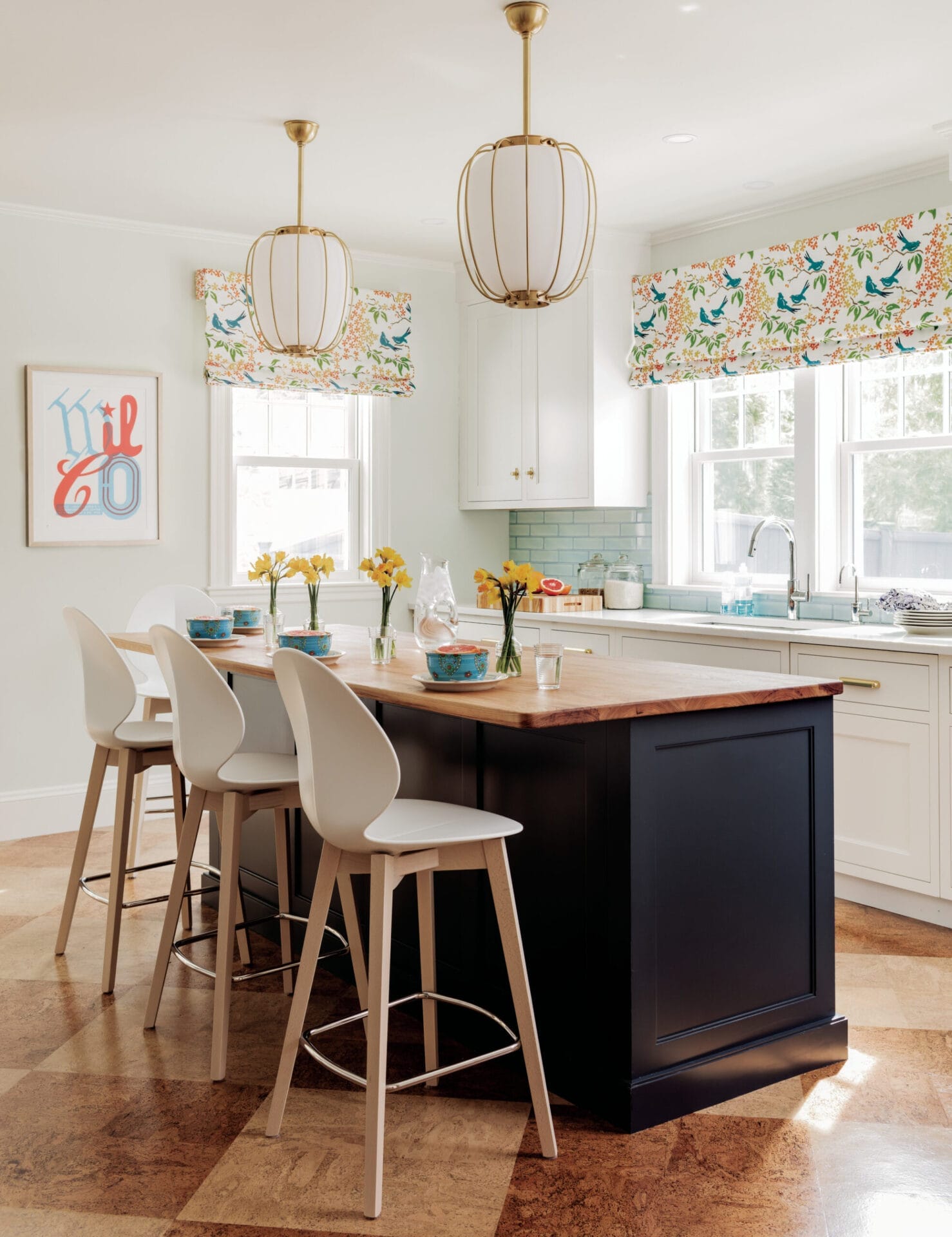
From a design perspective, cork can be more versatile than people expect. Traditional cork has a warm, speckled appearance that pairs well with white cabinets, wood furniture, matte black fixtures, plants, and natural textiles. Printed cork can mimic wood or stone while keeping the soft feel. In small rooms, lighter cork can make the space feel airy. In offices or dens, darker cork adds coziness and depth.
The biggest lesson from living with cork flooring is this: it rewards realistic expectations. It will not behave like porcelain tile. It will not laugh off every scratch like commercial vinyl. But it will give you comfort, warmth, quiet, and character. For many homeowners, that trade-off is absolutely worth it. Cork is not the loudest flooring trend in the room, but it may be one of the most livable.
Conclusion
Cork flooring is a smart option for homeowners who want comfort, sustainability, and a distinctive look without jumping straight to hardwood, tile, or vinyl. It offers warmth, sound absorption, and a soft feel underfoot, making it especially useful in bedrooms, offices, playrooms, living rooms, and carefully sealed kitchens.
The key is choosing the right cork flooring type for your space. Floating cork planks are easier for DIY projects, while glue-down cork tiles offer a more permanent installation when the subfloor is properly prepared. Costs vary, but most homeowners can expect cork flooring to fall into a mid-range budget compared with other common flooring materials.
Before buying, consider moisture exposure, sunlight, pets, furniture, and maintenance expectations. Cork is durable when cared for correctly, but it is not indestructible. With proper installation, sealing, and routine cleaning, cork flooring can bring a warm, quiet, and stylish foundation to your home for many years.