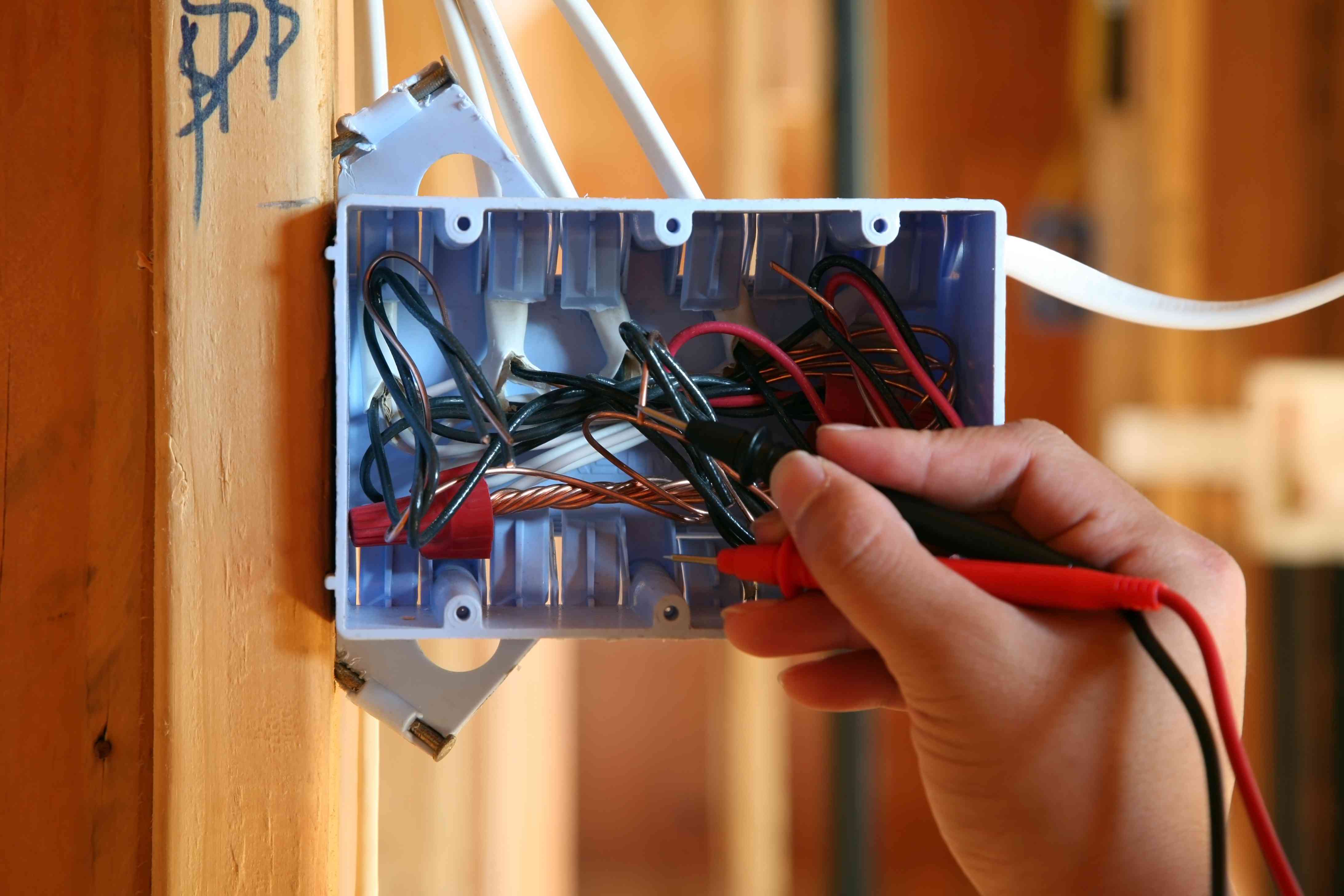
If electrical work had a motto, it would probably be this: the wires are not the only thing carrying the load. Receptacle boxes carry devices, splices, grounding paths, and a shocking amount of responsibility for keeping people and property safe. Cable installation codes do the rest of the heavy lifting by telling installers how to support, protect, size, and terminate wiring so that the whole system works without turning a wall cavity into an expensive surprise.
This article is a practical, code-aware overview of receptacle boxes and cable installation rules commonly enforced across the United States. It is educational, not a permit shortcut, and it is definitely not permission to freestyle electrical work because a cousin “did it this way once and the lights still turn on.” Real projects must follow the edition of the electrical code adopted by the local authority having jurisdiction, along with any local amendments and manufacturer instructions.
Why Receptacle Boxes and Cable Rules Matter
People often think of an outlet as the little faceplate they see on the wall. Code sees a bigger picture. Behind that cover plate is a box that must be the right size, mounted correctly, kept accessible, and filled only within its allowed volume. The cable feeding that box must also be routed, protected, secured, and stripped correctly. When any of those details go wrong, the risk is not just a failed inspection. It can mean overheated conductors, loose devices, arcing, damaged insulation, nuisance trips, or a dangerous fault path.
That is why electrical box rules are not fussy trivia. They are the difference between a durable installation and a hidden future headache. In plain English, code is trying to prevent three things: heat buildup, physical damage, and inaccessibility. If you remember those three goals, a lot of the rules start to make sense.
The NEC Is National, but Enforcement Is Local
Do not assume every town is on the same code edition
One of the most important facts for homeowners, remodelers, and content readers is that the National Electrical Code is updated in cycles, but adoption happens state by state and city by city. That means the latest national edition may not be the one your inspector is enforcing. A great article, video, or forum post can still steer you wrong if it reflects a different code cycle or ignores local amendments.
For that reason, the smartest sentence in any electrical conversation is this one: check the edition adopted by your local jurisdiction before buying boxes, cable, or devices. It is not glamorous advice, but neither is redoing finished drywall because the installation matched the internet instead of the permit office.
Receptacle Box Rules That Matter Most
Every splice and device belongs in a box
A receptacle does not float in the wall by optimism alone. Where conductors are spliced, terminated, or connected to a device, a proper box is usually required. That box is there to contain heat, protect splices, support the device, and provide a legal enclosure. In other words, if wires meet there, a box is usually invited to the party.
This is why hidden splices in wall cavities are such a code problem. They are not just messy. They eliminate containment, frustrate troubleshooting, and make future repair unsafe. Drywall mud is not an approved wiring method, and neither is “I’ll remember where it is.”
Boxes must stay accessible
Accessibility is one of the most commonly ignored rules in remodeling. Junction and receptacle boxes must remain accessible without removing parts of the building. Burying a box behind drywall, tile, paneling, or built-in finish materials is a classic inspection fail. It is also a terrible gift to the next person who has to troubleshoot the circuit.
Accessible does not mean “I have a rough idea where it used to be.” It means the box can actually be reached for inspection, maintenance, or repair. That requirement exists because electrical systems age, devices fail, splices loosen, and future modifications happen. Code assumes reality, not perfection.
Flush mounting is not optional
The front edge of a box matters more than many people realize. If a box is recessed too far behind the finished surface, the device can wind up poorly supported, combustible finishes can be exposed to heat or arcing, and faceplates stop hiding sins they were never designed to forgive. For combustible finishes, boxes generally need to be flush with the surface. For many noncombustible finishes, limited setback may be allowed, but the details depend on the adopted code language and the wall finish involved.
This issue comes up constantly after backsplash tile, wood paneling, beadboard, or decorative wall treatments are added. Suddenly the receptacle that used to sit neatly at the wall surface is now hiding in a tunnel like it is avoiding responsibilities. The usual cure is not denial. It is using a listed box extension or otherwise bringing the enclosure back into compliance.
Box fill: the box is not a clown car
Box fill rules are the heart of safe receptacle box sizing. Every box has a volume rating, and the conductors, devices, clamps, fittings, and grounding conductors inside it count against that available space. Overcrowding a box can damage insulation, increase heat, make splices unreliable, and turn the simple act of folding conductors into a wrestling match.
In practice, this means you cannot choose a box just because it physically fits in the wall. You choose it because it fits the wiring method and the conductor count. The box itself is typically marked with its cubic-inch capacity, and the code uses conductor-based volume allowances to determine whether the installation is legal.
Common box-fill concepts include:
- Each conductor that enters the box and is spliced or terminated generally counts.
- Equipment grounding conductors are counted together as a single allowance, not one by one forever into the sunset.
- Internal clamps count toward box fill.
- Each device yoke, such as a duplex receptacle, adds volume allowances based on the largest conductor connected to it.
- Larger conductors require more box volume than smaller ones.
A practical example makes this easier. Imagine a single-gang box with multiple cables, a duplex receptacle, an internal clamp, and a handful of grounds. That cute little shallow box may look innocent, but if the conductor count and device allowances exceed its rated volume, the installation is wrong even if the cover plate still screws on. Code is not impressed by “it barely fit.”
The box must be securely supported
Receptacle boxes need proper support, whether they are new-work boxes fastened to framing, masonry boxes in solid construction, or listed old-work boxes installed in finished walls. A loose box is more than annoying. Movement can stress device terminals, loosen connections, crack finishes, and make receptacle use feel like a carnival game.
Old-work boxes deserve special respect in remodels. They are useful and perfectly legitimate when listed for the application and installed correctly. The mistake is assuming any plastic box with ears equals automatic compliance. The listing, mounting method, wall material, and device load all matter.
Use the right box for the location
Location changes everything. A standard indoor wall box is not a universal passport. Floor installations require boxes listed for floor use. Damp and wet locations require weather-appropriate boxes and covers. Outdoor receptacles often require weather-resistant devices and extra-duty, while-in-use covers. Garage, basement, exterior, patio, and work-area conditions are not the place for wishful thinking and indoor leftovers.
That is one reason electrical product labeling matters so much. A listed floor box is designed for the mechanical and environmental realities of being in a floor. A proper weatherproof cover is designed to keep the enclosure protected even when cords are plugged in, where required. The box is not just holding a receptacle. It is part of the safety system.
Cable Installation Codes: Where the Trouble Usually Starts
Cable must be supported and secured
One of the most cited wiring mistakes in residential work is sloppy cable support. Nonmetallic-sheathed cable, commonly called NM cable, must be supported at required intervals and secured near boxes. That requirement exists because cable should not hang loose, rub itself to death on framing, or rely on hope as a fastening method.
In real-world language, cables should be routed neatly and supported consistently, with the last securement point close enough to the box to prevent movement and strain. Some allowances vary depending on the type of box and whether the box has built-in cable clamps. The result is a rule that sounds picky until you see a device box where every plug insertion tugs on the cable like it is trying to leave the building.
The cable jacket has to enter the box properly
Another rule people underestimate is sheath entry. With NM cable, the outer jacket is generally expected to extend into the box by a minimum amount rather than stopping outside it. That detail protects the insulated conductors where they enter the enclosure and helps keep the installation from looking like it was stripped with unnecessary enthusiasm.
If too much sheath is removed before the box entry, the individual conductors may be left exposed at the most vulnerable point in the installation. If the box uses clamps or connectors, they must be appropriate for the box and wiring method. Metal boxes add another layer of responsibility, because grounding and bonding requirements come along for the ride.
Leave enough free conductor length
Short conductors make electricians grumpy for a reason. Code requires a minimum free conductor length at boxes so that splices, terminations, testing, and replacement can be done safely. Conductors that are too short force strained terminations, awkward extensions, and the sort of language that never appears in an official inspection report but definitely exists on real jobsites.
Enough free conductor means the person servicing the box later can work without turning the enclosure into a fingertip puzzle. It is a small rule with big practical value. In remodels, this issue appears constantly when a new finish layer makes devices sit farther forward than they used to.
Protect cable from nails, screws, and other bad decisions
Code also cares very much about cable protection where wiring passes through framing or runs near the edge of studs and joists. If the cable is too close to the face of the framing, it can be damaged by drywall screws, trim nails, cabinet fasteners, or future “quick projects” that become surprisingly permanent.
This is why boring location, edge clearance, and protective steel plates matter. They are not decoration. They are the electrical equivalent of saying, “Someone with a drill is going to come through here eventually, and we would prefer that they do not discover the branch circuit the exciting way.”
Boxes and cables in wet or outdoor locations need special treatment
Exterior receptacles are a famous trouble zone because people often focus on the receptacle and forget the whole assembly. Outdoor installations may require a weather-resistant receptacle, GFCI protection, an appropriate box, and a weatherproof extra-duty cover suitable for the conditions. The cover is not an accessory. In many situations, it is part of what makes the installation code-compliant in the first place.
That is especially true where the receptacle may be used while exposed to weather. The modern solution is the familiar while-in-use cover, which protects the enclosure with a cord plugged in. It is not elegant in the same way a hidden designer outlet is elegant, but it does something much better: it keeps rain out of energized equipment.
Common Receptacle Box Scenarios
Kitchen backsplash remodel
A kitchen gets new tile, the wall becomes thicker, and suddenly the old receptacle boxes are recessed too far. The receptacles still “work,” but the enclosure no longer sits where it should relative to the finish. This is where listed box extensions often enter the story and save the project from fake compliance.
Bathroom receptacle replacement
A bathroom outlet swap seems simple until the installer finds a cramped box, short conductors, and a larger GFCI device that barely fits. Now box fill matters, conductor length matters, and mounting depth matters. A quick cosmetic replacement can turn into a box upgrade conversation very fast.
Outdoor patio outlet
The classic mistake is using a regular indoor cover on an exterior receptacle and calling it a day. Proper outdoor work may require a listed weatherproof box or cover system, a weather-resistant receptacle, GFCI protection, and an extra-duty while-in-use cover if conditions require it. Outdoor electricity is not the place for “close enough.”
Finished basement receptacle addition
Finished spaces tempt people into hiding junction boxes where no one will see them. Unfortunately, inspectors are not fooled by invisibility, and future troubleshooting is not improved by treasure hunting. If a box exists, it must remain accessible. If cable is added, it still needs support, protection, and proper entry into the enclosure even though the wall is already finished.
Mistakes Inspectors See Again and Again
- Boxes buried behind drywall, paneling, tile, or cabinets.
- Overfilled boxes stuffed with conductors and oversized devices.
- NM cable not secured close enough to the box or not supported neatly.
- Cable sheath cut back too far before entering the box.
- Conductors left too short for safe terminations.
- Outdoor receptacles missing proper weatherproof or extra-duty covers.
- Standard boxes used in floors or special locations without proper listing.
- Receptacle boxes set too far back from the finished wall surface.
Notice a theme? Most failures are not advanced engineering problems. They are detail problems. Electrical code is often less about obscure theory and more about respecting boring little things before they turn into expensive big things.
Best Practices That Make Code Compliance Easier
Even when the minimum code language is satisfied, good installers usually go a little farther. They size boxes generously when device size or conductor count suggests future crowding. They route cable cleanly so that support and protection are obvious. They avoid burying anything that a future person might need to inspect. They select location-appropriate boxes instead of trying to adapt the wrong product into the right answer.
Good work also means reading the box markings and the product instructions. A listed product is part of a listed system, and the installation method matters. That sounds dull until you realize how many field problems begin with a sentence like, “I assumed this box worked the same as the other one.”
Conclusion
Receptacle boxes and cable installation codes are not random rules cooked up to make remodeling less fun. They exist because boxes contain electrical connections, cable routes power through vulnerable spaces, and both need to survive years of use without overheating, loosening, corroding, or disappearing behind finished surfaces. The most important habits are simple: use the right box, keep it accessible, respect box fill, secure and protect cable, leave enough conductor length, and match the location with the right cover and device.
If there is one final takeaway, it is this: electrical code rewards planning. The person who checks the local code edition, chooses the proper box, and leaves room for conductors usually has a much easier project than the person trying to make an undersized box, a loose cable, and a faceplate hide a collection of bad decisions. Electricity is useful, but it is not sentimental. It does not care whether the shortcut seemed faster.
Experience and Lessons From Real-World Projects
Anyone who has spent time around remodels, service upgrades, or punch-list inspections knows that receptacle box problems rarely announce themselves with dramatic music. They show up quietly. A device rocks when you unplug the vacuum. A bathroom GFCI keeps tripping after a remodel. A backsplash installer calls because the receptacles are suddenly sunk too deep in the wall. An outdoor outlet looks fine in July and suspiciously swamp-like in November. That is the real personality of box and cable issues: they begin as little compromises and grow into recurring annoyances.
One of the most common field experiences is discovering that an old box was “good enough” only until the project changed. A standard duplex receptacle gets replaced with a bulkier GFCI. A second cable is added to extend the circuit. Tile, shiplap, or a decorative wall panel goes over the existing finish. Suddenly the once-acceptable box becomes too small, too recessed, or too awkward for the new conditions. This is where experienced electricians tend to be more conservative than enthusiastic DIYers. They know the box that barely works today often becomes tomorrow’s callback.
Another recurring lesson comes from old-work additions in finished spaces. On paper, adding one receptacle to a basement office or media wall can sound simple. In practice, the success of that project depends on details hidden behind the drywall: whether the cable can be supported properly, whether the route needs protection plates, whether the box will remain accessible, and whether the chosen box can actually handle the conductor count and device volume. Experienced installers do not just ask, “Can I get a box in that wall?” They ask, “Can I make the entire assembly legal, serviceable, and durable?” That question saves a lot of patching later.
Outdoor work teaches its own lessons, usually through weather. Plenty of installations look acceptable on a sunny afternoon and much less impressive after a season of rain, dust, sprinklers, humidity, or winter freeze-thaw cycles. The right weather-resistant receptacle and extra-duty cover can feel like overkill until you open an improperly protected exterior box and find corrosion, moisture, dirt, and the general mood of a tiny electrical swamp. Professionals remember those service calls. That is why they stop treating covers as decorative plastic and start treating them as essential equipment.
Inspectors also see patterns that experienced contractors eventually learn to anticipate. Boxes hidden by finish work, cables drooping without proper support, sheath stripped back too far, and conductors cut too short are not rare mistakes. They are classics. The funny part is that many of them happen when someone is trying to save time. The not-funny part is that each shortcut usually costs more time later. Reopening a wall, swapping a box, adding an extension ring, or redoing an exterior receptacle assembly is almost never faster than doing it right the first time.
The biggest practical lesson from all of this is simple: electrical code rewards people who think one step ahead. Leave room in the box. Leave length on the conductors. Choose a box listed for the location. Assume the next person may need to service it. Respect the wall finish that will be installed later, not just the studs you see today. The best electrical work often looks ordinary when finished, and that is exactly the point. Safe, compliant, boring-looking work is usually the sign that somebody made smart decisions before the cover plate ever went on.