If SI joint pain has ever turned your bed into a medieval puzzle box, you are not being dramatic. The sacroiliac joints sit where the lower spine meets the pelvis, and when one of them gets irritated, inflamed, unstable, or overloaded, sleep can become a nightly negotiation. You try your side. Nope. You try your back. Maybe. You roll over like a cautious burrito. Still nope. Suddenly, your pillow collection looks less like bedroom decor and more like an engineering project.
The good news: many people with sacroiliac joint pain can sleep better by changing position, supporting the pelvis, reducing twisting, and building a calmer bedtime routine. The goal is not to “perfect” your posture like a sleep statue. The goal is to keep your hips, pelvis, and lower back as neutral and relaxed as possible long enough for your body to rest.
This guide explains how to sleep with SI joint pain using 12 practical, evidence-informed strategies. It also covers what to avoid, when to call a healthcare provider, and real-life experience tips that make the difference between “I survived the night” and “I actually slept.”
What Is SI Joint Pain, and Why Does It Get Worse at Night?
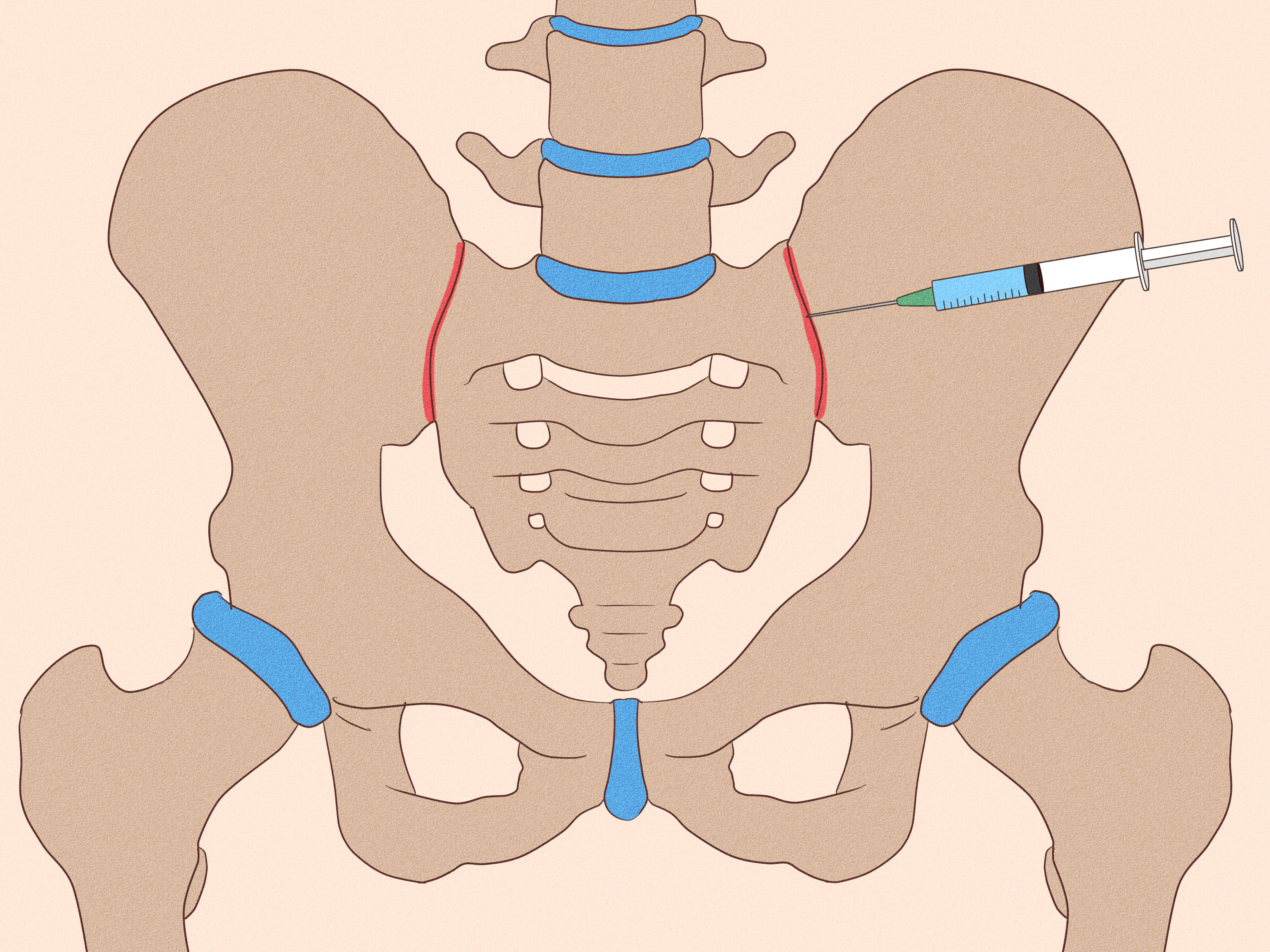
The sacroiliac joints connect the sacrum, the triangular bone at the base of the spine, to the ilium bones of the pelvis. These joints help transfer force between your upper body and legs. They are small compared with major joints like the hip, but do not be fooled by their size. When irritated, they can cause pain in the low back, buttock, hip, groin, thigh, or even down the leg.
SI joint pain may come from inflammation, pregnancy-related pelvic changes, arthritis, falls, repetitive stress, poor movement mechanics, spinal conditions, or muscle imbalances. It can also be tricky because it may feel similar to sciatica, lumbar disc pain, hip problems, or general lower back pain. That is why persistent symptoms deserve a professional evaluation rather than a late-night internet diagnosis performed while squinting at your phone at 2:13 a.m.
Nighttime can make SI joint pain feel worse because staying in one position for hours can stiffen the area. A mattress that lets the pelvis sink unevenly, side sleeping on the painful hip, twisting one knee across the body, or sleeping flat on the stomach may increase strain. The fix is usually not one magic position. It is a setup: position, pillows, mattress support, gentle movement, and a routine that calms the nervous system before bed.
How to Sleep with SI Joint Pain: 12 Best Ways
1. Sleep on Your Back with a Pillow Under Your Knees
For many people, back sleeping is the most reliable position for SI joint pain because it spreads body weight more evenly and helps the pelvis stay level. Place one or two pillows under your knees so your hips and knees are slightly bent. This can reduce tension through the lower back and pelvis.
Think of it as giving your SI joints a tiny vacation. They are still working, but they are not being asked to hold a plank while you sleep. Keep your head pillow low to moderate so your neck stays aligned with your chest and back. If there is a gap under your lower back, a small rolled towel may help, but avoid overstuffing the area. Too much support can arch the back and make pain worse.
2. Try Side Sleeping with the Painful Side Up
If one SI joint is more painful, try sleeping on the opposite side so the painful side faces upward. This reduces direct pressure on the irritated joint and hip. For example, if your right SI joint hurts, try sleeping on your left side.
The key is to avoid collapsing forward or backward. Your shoulders, ribs, hips, and knees should face the same direction. Imagine your body as a book standing upright, not a pretzel trying to solve its own mystery.
3. Put a Pillow Between Your Knees
A knee pillow is one of the simplest tools for sleeping with SI joint pain. When you sleep on your side without support, the top leg may drop forward or downward, pulling the pelvis into rotation. That rotation can tug on the SI joint and irritate the lower back.
Place a firm pillow between your knees and thighs. The pillow should be thick enough to keep your top leg level with your hip. If the pillow is too thin, your pelvis may still tilt. If it is too thick, your hip may be pushed upward. You are looking for the “just right” Goldilocks zone, except with fewer bears and more spinal alignment.
4. Use a Body Pillow to Stop Rolling and Twisting
A full-length body pillow can support the top arm and leg at the same time. Hugging a body pillow may prevent the upper body from rotating forward, while the lower part supports the knees and ankles. This is especially helpful if you wake up twisted like you lost a wrestling match with your blanket.
For SI joint pain, the pelvis likes consistency. A body pillow helps keep the hips stacked and prevents the top leg from dragging the pelvis across the mattress. It is not fancy, but it works. Sometimes comfort is just architecture with fluff.
5. Avoid Sleeping Flat on Your Stomach
Stomach sleeping can be rough on SI joint pain because it may force the lower back into extension and rotate the neck for hours. It can also place uneven stress on the pelvis, especially if one leg is bent out to the side.
If stomach sleeping is the only way you can fall asleep, modify it. Place a thin pillow under your pelvis and lower abdomen to reduce the arch in your lower back. Use no head pillow or a very thin one if your neck feels strained. Still, if you can gradually train yourself toward side or back sleeping, your SI joint may send you a polite thank-you note.
6. Keep Your Hips Level with the Right Mattress Support
Your mattress matters. A mattress that is too soft can let the pelvis sink, creating a side-bend or twist through the SI joint. A mattress that is too firm can increase pressure on the hip and buttock, especially for side sleepers. The best mattress for SI joint pain is usually supportive enough to keep the spine neutral but cushioned enough to reduce pressure points.
If replacing your mattress is not realistic, try a medium-firm topper or adjust your pillow setup first. You can also test your mattress by lying in your usual sleep position and asking whether your waist, hip, and knees feel supported. If your pelvis feels like it is falling into a hammock, your SI joint may not be amused.
7. Use a Small Waist Pillow for Side Sleeping
Side sleepers sometimes need more than a knee pillow. If there is a gap between your waist and the mattress, your spine may sag sideways. That side-bending can pull on the SI joint and surrounding muscles.
Place a small folded towel or slim pillow under your waist, not directly under the hip. This can keep your spine more level. Start small. A giant pillow under the waist can push the body out of alignment. The goal is support, not launching your rib cage into orbit.
8. Roll Like a Log When Turning Over
Many people with SI joint pain say the worst part of the night is not lying still. It is turning over. A sudden twist can create a sharp catch near the back of the pelvis.
To roll over, move your shoulders, hips, and knees together as one unit. Tighten your core gently, bend your knees slightly, and turn your whole body at the same time. This “log roll” technique reduces pelvic twisting. It may feel slow at first, but it is much better than doing the midnight flail-and-regret routine.
9. Warm Up Before Bed with Gentle Movement
Going straight from hours of sitting to bed can make the SI area feel stiff. A few minutes of gentle movement before sleep may help. Try slow walking around the room, pelvic tilts, gentle knee-to-chest stretches, or relaxed breathing while lying on your back with knees bent.
Avoid aggressive stretching right before bed, especially deep twisting, forceful lunges, or anything that increases pain. The goal is to tell the muscles, “We are safe now,” not “Welcome to the Olympic trials.”
10. Use Heat or Ice Strategically
Heat and ice can both help, but they work differently. Ice may be useful during a fresh flare or when the area feels inflamed. Heat may help relax tight muscles and improve comfort before bed. Some people prefer alternating between the two.
Use a wrapped cold pack or heating pad for short periods, and never sleep directly on a heating pad. Falling asleep on heat may irritate the skin or create burns. Your goal is pain relief, not turning your bedtime routine into a barbecue situation.
11. Support Your Daytime Posture So Nighttime Hurts Less
How you sit, stand, walk, and lift during the day affects how your SI joint behaves at night. Long periods of sitting, standing on one leg, climbing stairs repeatedly, or sitting with one leg tucked underneath you can aggravate symptoms for some people.
Try taking movement breaks, sitting with both feet on the floor, avoiding crossed-leg marathons, and using your legs rather than your lower back when lifting. If your pain improves when you change daytime habits, your sleep may improve too. Night pain often has a daytime backstory.
12. Get Professional Help if Pain Keeps Waking You Up
If SI joint pain keeps interrupting sleep, returns often, or spreads with numbness, tingling, or weakness, talk with a healthcare provider. A clinician may evaluate your spine, hips, pelvis, gait, strength, and flexibility. Physical therapy is often a first-line approach because strengthening the core, glutes, hips, and pelvic stabilizers can reduce stress on the SI joint.
Depending on the cause, treatment may include activity modification, anti-inflammatory medicine, manual therapy, targeted exercises, injections, or evaluation for inflammatory arthritis. Surgery is uncommon and usually reserved for select cases that do not improve with conservative care.
Best Sleeping Positions for SI Joint Pain
Best Overall: Back Sleeping with Knee Support
This position keeps the pelvis level and minimizes direct pressure on the painful joint. Use a pillow under the knees and keep the feet relaxed. If your lower back still feels strained, try a small towel under the waist.
Best for One-Sided SI Pain: Side Sleeping with Painful Side Up
Sleep on the non-painful side with a pillow between your knees. Add a body pillow if your top shoulder or leg rolls forward. This is often helpful for people whose pain is clearly worse on one side.
Best Backup Option: Reclined Sleeping
Some people feel better sleeping slightly reclined in an adjustable bed or recliner. A gentle incline can reduce tension in the lower back and hips. Keep the knees supported so the pelvis does not slide downward.
What Not to Do When Sleeping with SI Joint Pain
Do not sleep with one knee sharply crossed over your body. Do not let the top leg drop forward while side sleeping. Do not use a pillow setup that forces your hips into an uneven tilt. Do not stay in bed all day unless instructed by a clinician; gentle movement usually helps recovery more than total bed rest. And do not assume every pain near the low back is automatically the SI joint. The body is clever, but it is also a terrible texter. Symptoms can be vague.
Also, avoid testing ten new fixes in one night. If you change your mattress topper, pillow height, sleep position, stretching routine, and bedtime snack all at once, you will not know what helped. Make one or two changes, give them a few nights, and track what happens.
When to See a Doctor
Make an appointment if your pain lasts more than a few weeks, keeps waking you up, worsens despite rest and self-care, or limits walking, sitting, standing, or daily activities. Seek urgent medical care if you have back or pelvic pain after major trauma, fever, unexplained weight loss, a history of cancer, loss of bowel or bladder control, progressive weakness, numbness in the groin area, or severe pain that feels unusual for you.
A proper diagnosis matters because SI joint pain can overlap with disc problems, hip arthritis, nerve irritation, inflammatory conditions, and pelvic issues. The right treatment depends on the right cause.
Experience Notes: What Sleeping with SI Joint Pain Often Feels Like in Real Life
People who deal with SI joint pain often describe sleep as a nightly experiment. One night, a pillow between the knees feels like a miracle. The next night, the same pillow somehow becomes the enemy. This does not mean you are doing everything wrong. SI joint pain can change depending on inflammation, activity level, sitting time, stress, hormones, mattress support, and how much the surrounding muscles are guarding.
A common experience is the “good position, bad transition” problem. You may feel comfortable once you are settled, but turning over sends a sharp signal through the low back or buttock. In that case, the issue may not be the final sleep position; it may be the movement between positions. Practicing the log roll can help. Keep the knees together, engage the abdomen lightly, and turn the shoulders and hips as one piece. It feels awkward for a few nights, but so does brushing your teeth with the wrong hand. Your body learns.
Another real-world lesson: pillow height matters more than people expect. A knee pillow that is too flat may let the top hip drop. A huge pillow may push the top hip too high. A body pillow may work better because it supports both the upper and lower body. Some people even place a small pillow behind the back to prevent rolling backward. Others use a pillow in front of the chest to stop the top shoulder from rotating forward. The perfect setup often looks slightly ridiculous, but sleep does not give awards for minimalist bedroom aesthetics.
Many people also notice that their worst nights follow their stiffest days. Long car rides, sitting through work or school, standing with weight shifted to one leg, carrying a heavy bag on one side, or climbing lots of stairs can irritate the pelvis before bedtime even begins. The solution is not to become afraid of movement. It is to use smarter movement: change positions often, walk gently, avoid asymmetrical loading, and build strength with guidance from a physical therapist if pain is persistent.
Finally, patience matters. SI joint pain rarely improves because of one heroic bedtime hack. It usually improves through a pattern: better sleep alignment, calmer muscles, stronger hips and core, less daytime irritation, and professional guidance when needed. Start with the easiest changes first: back sleeping with knees supported, side sleeping with painful side up, a proper knee pillow, gentle pre-bed movement, and careful rolling. Small changes can add up. Your SI joint may not throw a parade, but waking up with less pain is close enough.
Conclusion
Learning how to sleep with SI joint pain is mostly about reducing pelvic stress. Keep your hips level, avoid twisting, support your knees, choose positions that reduce pressure on the painful side, and make your bedtime routine boring in the best possible way. Boring is underrated. Boring means your nervous system is not hosting a fireworks show in your lower back.
Start with back sleeping and a pillow under your knees, or side sleeping with the painful side up and a pillow between your legs. Add a body pillow if you roll forward. Use heat or ice when appropriate, move gently before bed, and pay attention to daytime triggers. If pain continues, gets worse, or comes with neurological symptoms, see a healthcare professional. Good sleep is not a luxury when you are healing. It is part of the plan.