High cholesterol has a sneaky personality. It does not usually knock on the door, wave a tiny red flag, or announce itself with dramatic violin music. Most people find out about it from a routine blood test, often while feeling perfectly fine. That is part of what makes it so important to understand. Cholesterol can be useful, even essential, but when certain types climb too high, especially LDL cholesterol, it can raise the risk of plaque buildup in the arteries, heart disease, and stroke.
So, what causes high cholesterol? The honest answer is: usually more than one thing. Diet matters. Genetics matter. Movement, weight, smoking, diabetes, thyroid problems, kidney disease, liver disease, age, and certain medicines can all play a role. In other words, cholesterol is not a one-villain mystery. It is more like a dinner party where several guests brought bad dip.
This guide breaks down the major causes of high cholesterol in plain American English, with practical examples, zero scare tactics, and just enough humor to keep your arteries from yawning.
What Is Cholesterol, Really?
Cholesterol is a waxy, fat-like substance your body needs to build cells, make hormones, produce vitamin D, and create bile acids that help digest fat. Your liver makes the cholesterol your body needs, which means cholesterol is not automatically “bad.” The trouble starts when too much cholesterol, especially low-density lipoprotein cholesterol, circulates in the blood. The CDC describes blood cholesterol as a waxy substance made by the liver, while Harvard Health notes that the body needs cholesterol for normal functions but only in the right amount.
LDL, HDL, and Triglycerides: The Main Characters
LDL cholesterol is often called “bad” cholesterol because high levels can contribute to fatty deposits inside artery walls. HDL cholesterol is often called “good” cholesterol because it helps carry cholesterol away from the arteries and back to the liver. Triglycerides are another type of blood fat; when triglycerides are high along with high LDL or low HDL, the risk of heart and blood vessel problems can increase.
Think of LDL as a delivery truck that sometimes dumps cargo where it should not. HDL is more like the cleanup crew. Triglycerides are extra fuel floating around in the bloodstream. When the traffic system gets overloaded, things can get messy.
What Causes High Cholesterol?
High cholesterol can come from lifestyle habits, inherited genes, medical conditions, medications, and normal body changes over time. Some factors are within your control; others are not. The good news is that even when genetics are involved, lifestyle choices and medical care can still make a meaningful difference.
1. Eating Too Much Saturated Fat
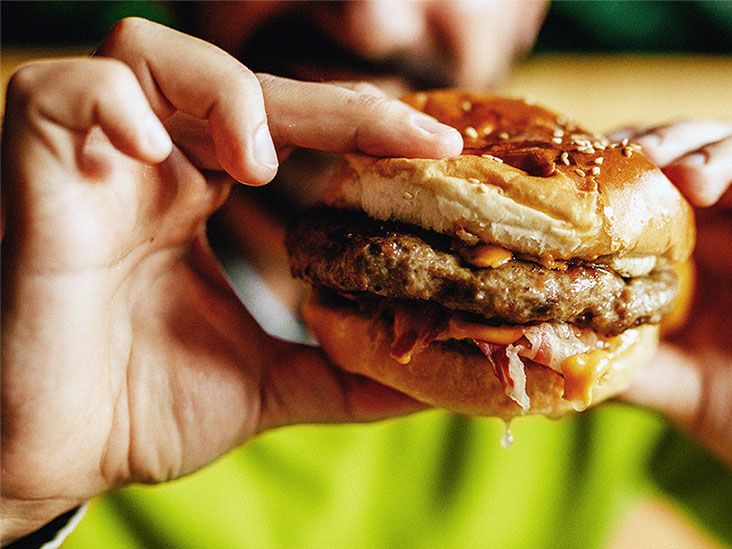
One of the most common causes of high LDL cholesterol is regularly eating foods high in saturated fat. Saturated fat is found in foods such as fatty cuts of beef, processed meats, butter, cream, cheese, full-fat dairy products, coconut oil, palm oil, pastries, and many fried or fast foods.
The American Heart Association states that eating too much saturated fat can raise LDL cholesterol, and it recommends a dietary pattern that keeps saturated fat below 6% of total daily calories. The Dietary Guidelines for Americans have commonly recommended keeping saturated fat below 10% of daily calories.
Here is a simple example: if breakfast is a bacon, egg, and cheese sandwich, lunch is a cheeseburger, dinner is creamy pasta, and dessert is ice cream, saturated fat has quietly won the day. Not with a trophy, unfortunately, but with a cholesterol bill.
2. Trans Fats and Highly Processed Foods
Trans fats are especially rough on cholesterol because they can raise LDL cholesterol. In the past, many trans fats came from partially hydrogenated oils used in processed baked goods, fried foods, shortening, and some margarines. The FDA has taken action against partially hydrogenated oils because artificial trans fats increase LDL cholesterol and are linked with heart disease risk.
Even though artificial trans fats have been largely removed from the U.S. food supply, it is still smart to limit ultra-processed foods. Many packaged snacks and fast foods are not cholesterol-friendly because they often combine refined carbs, added sugars, sodium, and unhealthy fats in one convenient little chaos rectangle.
3. Not Getting Enough Physical Activity
A sedentary lifestyle can contribute to unhealthy cholesterol levels. Regular physical activity can help improve HDL cholesterol, support weight management, lower triglycerides, and improve insulin sensitivity. The CDC recommends that adults get at least 150 minutes of moderate-intensity aerobic activity each week, such as brisk walking or bicycling.
You do not have to train like a superhero with a movie contract. Walking after meals, biking to nearby errands, taking the stairs, dancing in the kitchen, or doing short home workouts can all help. The goal is to make movement a normal part of life, not a punishment for eating pizza.
4. Excess Body Fat and Insulin Resistance
Excess body fat, especially around the abdomen, can affect how the body processes cholesterol and clears LDL from the bloodstream. It is also linked with insulin resistance, type 2 diabetes, high blood pressure, and higher triglycerides. The CDC notes that excess body fat can slow the body’s ability to remove LDL cholesterol from the blood.
This does not mean only people with higher body weight can have high cholesterol. Plenty of lean people have high LDL because of genetics, diet, thyroid issues, or other factors. Still, for many people, improving body composition through balanced eating, exercise, sleep, and medical support can improve cholesterol numbers.
5. Genetics and Familial Hypercholesterolemia
Some people inherit genes that make it harder for the body to remove LDL cholesterol. Familial hypercholesterolemia, often shortened to FH, is an inherited condition that can cause very high LDL cholesterol beginning early in life. MedlinePlus explains that FH is characterized by very high cholesterol levels in the blood, and the CDC notes that this condition can cause very high LDL levels at a young age.
This is why someone can eat oatmeal, jog, meditate, and still have LDL numbers that look like they are trying to climb Mount Everest. When family history includes early heart attacks, strokes, or very high cholesterol, cholesterol screening becomes especially important.
6. Diabetes and Blood Sugar Problems
Diabetes can change cholesterol patterns. The American Heart Association explains that diabetes tends to lower HDL cholesterol and raise triglycerides and LDL cholesterol, increasing the risk of heart disease and stroke.
High blood sugar and insulin resistance can create a cholesterol pattern that is more dangerous even when total cholesterol does not look shocking. That is why doctors often look at several numbers together: LDL, HDL, triglycerides, blood pressure, A1C, age, family history, and other risk factors.
7. Thyroid, Kidney, Liver, and Hormonal Conditions
Medical conditions can also cause high cholesterol. Hypothyroidism, which means an underactive thyroid, can raise LDL cholesterol. Chronic kidney disease and chronic liver disease may also affect cholesterol levels. The Endocrine Society lists endocrine disorders such as diabetes, hypothyroidism, Cushing syndrome, and PCOS among conditions that can be linked with lipid problems.
This is one reason a doctor may order additional blood tests when cholesterol is unexpectedly high. Sometimes the cholesterol number is not the whole story; it is the clue that points to another issue hiding backstage.
8. Smoking
Smoking can lower HDL cholesterol, damage blood vessels, and worsen overall cardiovascular risk. The CDC lists smoking as a risk factor for high cholesterol and notes that it may lower HDL cholesterol.
Even if LDL cholesterol is only moderately high, smoking can make the risk picture more serious because it affects the arteries directly. In heart-health terms, smoking is not just adding fuel to the fire; it is showing up with a leaf blower.
9. Age and Hormonal Changes
Cholesterol levels often rise with age. As metabolism changes and hormone levels shift, the body may process fats differently. After menopause, LDL cholesterol may rise in many women. Age is not a lifestyle mistake; it is biology doing biology. But knowing that cholesterol can change over time is a good reason to keep up with screening.
10. Certain Medications
Some medicines can affect cholesterol or triglyceride levels. These may include certain steroids, diuretics, beta blockers, HIV medicines, immunosuppressants, and some acne or hormone-related medications. That does not mean you should stop a prescribed medicine on your own. It means cholesterol changes should be discussed with a healthcare professional who can weigh benefits, risks, and alternatives.
Common Myths About High Cholesterol
Myth 1: “I Feel Fine, So My Cholesterol Must Be Fine”
High cholesterol usually does not cause symptoms. Many people feel completely normal until cholesterol has contributed to artery narrowing for years. Mayo Clinic explains that high cholesterol has no symptoms and that a blood test is needed to detect it.
That is why cholesterol screening matters. Waiting for symptoms is like waiting for your phone to explode before charging it. Technically possible, wildly unnecessary.
Myth 2: “Only Older People Need to Care”
Cholesterol problems can begin early, especially when genetics are involved. Young adults and even children can have high cholesterol, particularly if familial hypercholesterolemia runs in the family. Early awareness allows earlier prevention.
Myth 3: “All Cholesterol in Food Is the Enemy”
Dietary cholesterol, found in animal foods such as eggs, shrimp, meat, and dairy, can affect some people. However, for many people, saturated fat and trans fat have a bigger effect on LDL cholesterol than dietary cholesterol alone. That is why current guidance usually focuses more on overall eating patterns than on one single food.
Myth 4: “If I Exercise, I Can Eat Anything”
Exercise is powerful, but it does not erase everything. A person can run regularly and still have high LDL if they eat a lot of saturated fat or have a strong genetic tendency. Fitness helps the heart in many ways, but cholesterol still responds to diet, genes, and medical factors.
Foods and Habits That Can Push Cholesterol Higher
Some patterns are more likely to raise LDL cholesterol or triglycerides over time. These include eating frequent fast food, choosing processed meats often, using butter and cream heavily, relying on fried snacks, drinking sugary beverages, eating few high-fiber foods, and skipping regular movement.
For example, a weekly cheeseburger is not the same as a daily cheeseburger plus fries plus a milkshake plus a couch-based lifestyle. Cholesterol is usually shaped by repeated habits, not one dramatic nacho incident.
Foods and Habits That Support Healthier Cholesterol
A cholesterol-friendly eating pattern usually includes vegetables, fruits, beans, lentils, oats, barley, whole grains, nuts, seeds, fish, and unsaturated fats such as olive oil. Soluble fiber is especially helpful because it can reduce cholesterol absorption in the digestive system.
Replacing butter with olive oil, choosing beans instead of processed meat, adding oats at breakfast, snacking on fruit and nuts, and eating more vegetables are small changes that can add up. The point is not to eat “perfectly.” The point is to make the usual pattern better.
When High Cholesterol Is Not Your Fault
One of the most frustrating parts of high cholesterol is that people often feel blamed for it. But high cholesterol is not always a simple result of “bad choices.” A person may have inherited high LDL, thyroid disease, diabetes, kidney problems, or medication-related changes. A person may also live in a busy household, work long hours, have limited access to fresh food, or face stress that makes healthy routines harder.
Responsibility and shame are not the same thing. Responsibility says, “Let’s understand what is happening and take smart steps.” Shame says, “You failed.” Shame is useless. Responsibility is where progress lives.
Real-Life Experiences: What People Often Learn After a High Cholesterol Test
Many people first discover high cholesterol during a routine checkup. They may walk into the appointment expecting a quick “everything looks good” and leave with a printout full of numbers that look like secret codes. Total cholesterol, LDL, HDL, triglycerides, non-HDL cholesterolsuddenly breakfast feels like a legal matter.
One common experience is surprise. A person may say, “But I do not eat that badly.” Then they start looking more closely and realize that the daily coffee creamer, weekend pizza, frequent takeout, creamy sauces, and late-night snacks are doing more work than expected. Cholesterol often rises because of patterns that feel normal, not because someone is eating a cartoon-sized stick of butter under a spotlight.
Another common experience is the “healthy but still high” situation. Someone may be active, lean, and careful with food, yet their LDL remains high. This is where family history becomes important. If a parent, sibling, or grandparent had very high cholesterol or early heart disease, genetics may be a major driver. For these people, lifestyle still matters, but medication may also be part of the plan. That is not failure. That is biology getting backup.
A third experience is confusion about food. Many people think the answer is simply “avoid cholesterol.” Then they learn that saturated fat, trans fat, fiber intake, weight changes, blood sugar, and genetics all matter. Someone may cut out eggs but keep eating processed meats and butter-heavy foods, then wonder why LDL barely moves. A more effective approach is usually bigger-picture: more fiber, fewer saturated-fat-heavy foods, more unsaturated fats, and consistent movement.
People also learn that small changes are easier to keep than heroic overhauls. Swapping a sausage breakfast sandwich for oatmeal with fruit, changing full-fat dairy to lower-fat options, replacing some red meat meals with beans or fish, and taking a 20-minute walk after dinner may feel ordinary. But ordinary is powerful when repeated. Cholesterol improvement is not usually a movie montage; it is a calendar.
Another real-world lesson is that numbers need context. LDL matters, but so do triglycerides, HDL, blood pressure, blood sugar, smoking status, age, and family history. Two people with the same LDL number may have different overall risk levels. That is why a healthcare professional can help interpret the results instead of letting a single lab value cause panic.
Finally, many people discover that cholesterol management is not about becoming a different person overnight. It is about building a lifestyle that is realistic enough to survive birthdays, holidays, travel, stress, and the occasional cookie that looks directly into your soul. The best plan is the one a person can repeat consistently, with medical guidance when needed.
Conclusion
High cholesterol is caused by a mix of factors, including saturated fat, trans fat, inactivity, excess body fat, genetics, diabetes, thyroid problems, kidney or liver disease, smoking, age, and certain medications. The most important takeaway is that high cholesterol is both common and manageable. It is not always visible, and it is not always caused by one obvious habit, which is why testing and professional guidance matter.
For many people, the first steps are practical: eat more fiber-rich foods, reduce saturated fat, avoid trans fats, move more often, manage blood sugar, stop smoking if applicable, and talk with a healthcare professional about whether medication is needed. Cholesterol may be quiet, but your response does not have to be. A few steady changes can turn the story in a healthier directionno dramatic soundtrack required.
Note: This article is for general educational purposes only and should not replace medical advice, diagnosis, or treatment from a qualified healthcare professional. It synthesizes information from reputable U.S. health sources including the CDC, American Heart Association, NHLBI/NIH, MedlinePlus, Mayo Clinic, Cleveland Clinic, Harvard Health, FDA, and the Endocrine Society.