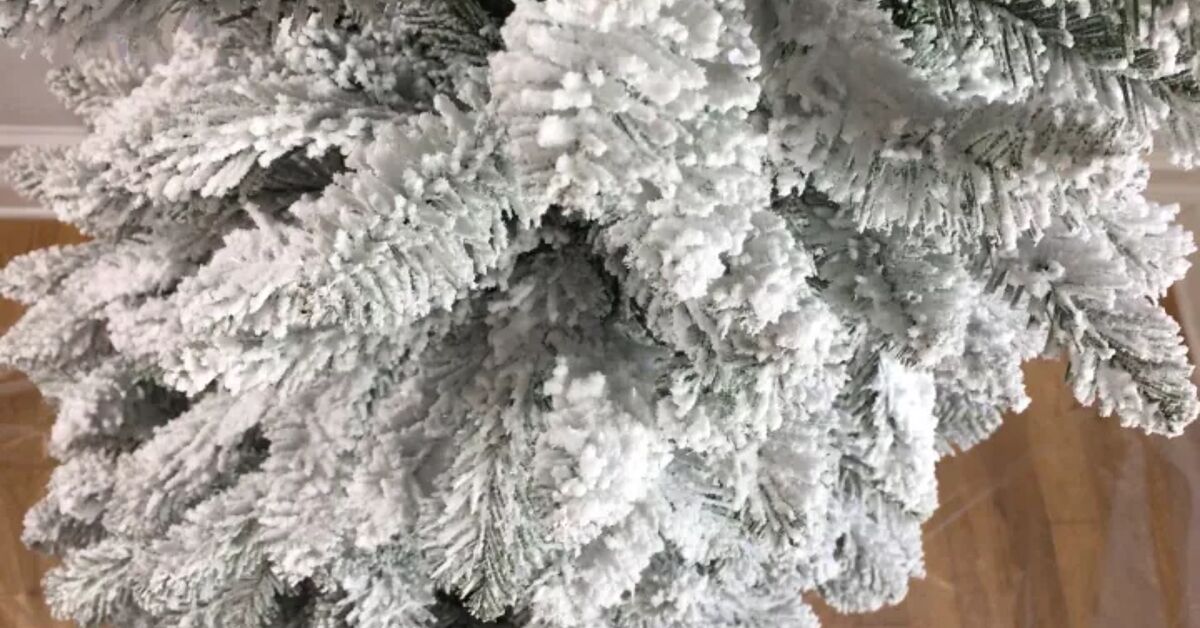
A flocked Christmas tree is the holiday décor version of wearing white pants to a spaghetti dinner: gorgeous, dramatic, and just risky enough to make you nervous. Those snowy branches can turn an ordinary living room into a cozy winter postcard, but the moment white fluff starts drifting across your floor like indoor dandruff, the magic gets a tiny bit less magical.
The good news? A flocked tree does not have to be a seasonal mess machine. Some shedding is normal, especially during setup, decorating, and storage. But with the right handling, location, cleaning routine, and storage strategy, you can keep most of that pretty faux snow on the branches where it belongs instead of on your rug, socks, pets, and possibly your holiday cookies.
This guide explains how to keep a flocked tree from shedding, how to clean around it without creating a blizzard, and how to store it so next year’s decorating session does not begin with a vacuum cleaner, a sigh, and a mild identity crisis.
What Is a Flocked Tree?
A flocked Christmas tree is a real or artificial tree coated with a white, snow-like material to create the look of freshly fallen snow. The flocking may be lightly dusted on branch tips or heavily layered for a full winter wonderland effect. Artificial flocked trees are especially popular because they can be reused year after year and require less maintenance than fresh-cut trees.
Flocking is usually made from a combination of fibers, adhesive, and sometimes flame-retardant ingredients. On professionally flocked artificial trees, the coating is applied more evenly and tends to hold better than most DIY flocking jobs. Homemade flocking can still look charming, but it often sheds more because the adhesive bond may not be as strong or consistent.
In plain English: the fluffier and snowier the tree, the more carefully you need to treat it. Think of it as a fancy cake with powdered sugar. Beautiful? Yes. Something you should shake aggressively? Absolutely not.
Why Do Flocked Trees Shed?
Flocked trees shed because the snowy coating is delicate. Even high-quality flocked trees can lose some material when branches rub together, when the tree is moved, or when ornaments are pushed deep into the tips. Shedding becomes worse when the tree is exposed to heat, humidity, rough handling, heavy decorations, or poor storage.
Common causes of flocked tree shedding include:
- Rough assembly or aggressive branch fluffing
- Dragging tree sections across floors or furniture
- Placing the tree near heat vents, fireplaces, radiators, or direct sunlight
- Using heavy ornaments that pull on flocked branches
- Letting pets or children brush against the tree repeatedly
- Cleaning with water, harsh sprays, or strong suction
- Storing the tree in a hot attic, damp garage, or crushed cardboard box
The goal is not to eliminate every speck of flocking. That would be like trying to keep glitter contained at a preschool craft table. The realistic goal is to reduce unnecessary shedding and control the mess before it spreads.
Start With a Quality Flocked Tree
If you have not bought your tree yet, the easiest way to avoid a mess is to choose a well-made flocked artificial Christmas tree from the beginning. Look for a tree with firm branch construction, evenly applied flocking, and reviews that mention low shedding. Pre-flocked trees from reputable retailers are usually less messy than trees flocked at home with spray cans or loose powder kits.
Before purchasing, check the product description for phrases like “professionally flocked,” “flame-retardant materials,” “indoor use,” and “durable hinged branches.” Also read the care instructions. If the manufacturer clearly explains setup, cleaning, and storage, that is usually a good sign. If the tree listing only says “snowy magic fabulous deluxe sparkle forest,” proceed with caution and maybe keep the vacuum nearby.
Set Up the Tree in the Right Spot
Placement matters more than most people realize. A flocked tree should be placed in a cool, dry, low-traffic area. Heat dries out flocking and can make it brittle. Moisture can weaken adhesive, encourage musty smells, and damage pre-lit electrical components. Constant bumping from people, pets, backpacks, or rogue wrapping paper rolls can loosen the snowy coating.
Best places for a flocked tree
Choose a corner or wall area where the tree can stand proudly without being brushed every time someone walks by. A living room corner, formal dining room, entry nook, or window-adjacent area can work well as long as the tree is not in direct hot sunlight or pressed against a heater.
Places to avoid
Avoid placing a flocked tree near fireplaces, heat vents, radiators, space heaters, candles, sunny windows, humid bathrooms, steamy kitchens, or narrow hallways. Also avoid placing it where a dog can happily wag its tail into the branches 47 times per hour. The dog is innocent. The floor will not be.
For both safety and shedding control, keep the tree at least three feet away from heat sources. If you use a real flocked tree, watering and heat control become even more important because dry trees shed needles faster and become a bigger fire risk.
Prepare the Floor Before Assembly
Before you open the box, protect the floor. This one step can save your sanity. Lay down an old sheet, canvas drop cloth, plastic tarp, or large washable blanket under the assembly area. If you are setting up the tree on carpet, a drop cloth is especially helpful because flocking can cling to fibers like it has signed a lease.
Assemble the tree directly where it will stand. The more you move it after setup, the more flocking you lose. If you build it in the garage and then carry it across the house, congratulations: you have created a festive snow trail. Pretty? Maybe. Practical? Not really.
Once the tree is assembled and decorated, cover the drop cloth with a tree skirt, tree collar, or decorative basket. A tree skirt does more than look cute. It catches loose flocking, fallen needles, ornament hooks, and the occasional mystery crumb from holiday cookies.
Handle Branches Gently During Fluffing
Branch shaping is where many flocked trees lose the most snow. Regular artificial trees can handle a bit of bending and fluffing. Flocked trees require a softer touch. Instead of pulling branches forcefully, separate them slowly and support the branch near the center while adjusting the tips.
Start from the bottom section and work upward. Open the branches little by little, then gently angle the tips outward. If some flocked branches are stuck together, do not rip them apart. Carefully wiggle them loose. A little shedding during this step is normal because excess flocking often falls away during first assembly.
Use light pressure and avoid rubbing the flocked surfaces against each other. If you see loose clumps, let them fall onto the drop cloth instead of trying to press them back into place. Pressing can create smears, bald spots, or sad-looking snow blobs.
Decorate With Lightweight Ornaments
Heavy ornaments are beautiful, but they can pull flocked branches downward and scrape off the coating. Use lightweight ornaments on the outer tips and save heavier pieces for stronger inner branches. Shatterproof ornaments, ribbon, soft fabric ornaments, wooden pieces, and lightweight glass balls usually work better than oversized metal decorations.
When hanging ornaments, do not dig hooks deep into the flocking. Slide the hook gently onto the branch and let the ornament rest naturally. If you need extra security, use soft ornament ties or ribbon loops instead of sharp metal hooks. Ribbon is especially useful because it adds style without scraping the branch surface.
Garlands can be tricky. Heavy bead garlands or thick wired garlands may drag across the flocking and cause shedding. If you love garland, choose lightweight ribbon, thin tinsel, or soft fabric strands. Better yet, tuck ribbon loosely rather than wrapping it tightly around the tree like it owes you money.
Use the Right Lights
If your flocked tree is not pre-lit, use low-heat LED lights. LEDs are safer, more energy efficient, and less likely to warm the branches than older incandescent lights. Heat can dry and weaken flocking over time, especially on heavily coated branch tips.
Before adding lights, inspect every strand for frayed wires, cracked sockets, or loose bulbs. Never use candles on or near a flocked tree. Also avoid overloading outlets or extension cords. The holidays should smell like cinnamon, pine, and cookiesnot electrical regret.
Always turn the lights off before leaving home or going to bed. This is good fire safety for any Christmas tree, flocked or not.
Keep Pets and Kids From Turning the Tree Into a Snow Globe
Pets and flocked trees can be a dramatic combination. Cats may swat branches, dogs may wag into them, and toddlers may interpret the faux snow as a personal sensory bin. None of these activities are ideal for keeping flocking intact.
Place delicate ornaments higher on the tree and keep the lower branches simpler. A tree collar, decorative fence, or strategically placed basket of wrapped boxes can create a gentle barrier. For pets, avoid edible-looking decorations, dangling ribbons, and anything that swings temptingly at nose level.
Flocking materials are not intended to be eaten. If you have a pet that chews décor, supervise closely or choose an unflocked tree. A clean floor is nice, but a safe pet is the real holiday win.
Clean Around a Flocked Tree the Smart Way
Cleaning around a flocked tree requires patience. Do not attack it with a vacuum hose like you are chasing a dust bunny into battle. Strong suction can pull flocking right off the branches. Instead, clean the surrounding floor regularly and treat the tree itself as gently as possible.
For the floor
Use a handheld vacuum, stick vacuum, or broom to collect fallen flocking around the base. On hard floors, a microfiber dust mop works well. On carpets and rugs, use a vacuum with moderate suction and avoid dragging the machine into the branches.
For the tree
If the tree is dusty, use a soft microfiber cloth, feather duster, or clean paintbrush. Work from the top down and follow the direction of the branches. For unlit trees, a vacuum brush attachment on the lowest setting may be used carefully, but test it first on a hidden lower branch. For pre-lit or heavily flocked trees, dry dusting is usually safer.
What not to use
Do not wash a flocked tree with water. Do not hose it down, put it in the shower, spray it with cleaning solution, or wipe it with a wet rag. Moisture can loosen the flocking and damage lights. Also skip bleach, furniture polish, oil-based sprays, and scented cleaners. Your tree does not need a spa day. It needs a gentle dusting and personal space.
Should You Spray a Flocked Tree to Stop Shedding?
Many people wonder whether hairspray, adhesive spray, or clear sealant can stop a flocked tree from shedding. The answer is: maybe, but be careful. Sprays can discolor the flocking, create a sticky surface that attracts dust, damage pre-lit wiring, or increase flammability if the wrong product is used.
If your tree manufacturer recommends a specific flocking sealant, follow those instructions exactly. If not, avoid random sprays unless you are willing to test a small hidden area first and accept the risk. Never spray a tree while it is plugged in, decorated, or near open flame. Let any tested area dry completely before deciding whether to continue.
In most homes, the safer solution is not spraying. It is gentle handling, smart placement, lighter ornaments, and better storage.
How to Store a Flocked Tree Without Ruining It
Storage is where next year’s shedding problem beginsor gets prevented. The original cardboard box may seem convenient, but it often compresses branches too tightly. Crushed branches rub together, which scrapes off flocking. Cardboard also does not protect well against humidity, dust, pests, or temperature swings.
Use a dedicated Christmas tree storage bag if possible. Choose one large enough that you do not have to force the sections inside. Before storing, remove every ornament, hook, ribbon, and loose decoration. Then gently compress the branches toward the center pole without crushing the snowy tips.
Store the tree in a cool, dry place such as a closet, climate-controlled storage room, or interior basement area that stays dry. Avoid hot attics and damp garages if possible. Heat can dry the flocking, and humidity can weaken it. If you must use a garage or attic, place the tree in a sealed storage bag and keep it off the floor on a shelf or platform.
For heavily flocked trees, upright storage is ideal when space allows. A vertical tree storage bag reduces branch compression and friction. If upright storage is not possible, place the sections loosely in a bag and avoid stacking heavy bins on top. Your tree should not spend eleven months being flattened by a box labeled “miscellaneous extension cords.”
Real Flocked Tree vs. Artificial Flocked Tree
Both real and artificial flocked trees can shed, but they shed differently. A real flocked tree may lose needles as it dries, although the flocking can help hold some needles in place. To keep a real flocked tree fresh, choose a healthy tree, keep it watered, and place it away from heat. Once it becomes dry or begins dropping needles heavily, remove it from the home promptly.
An artificial flocked tree does not need water, but it does need careful handling. Its flocking sheds from friction, pressure, and poor storage. With good care, a quality artificial flocked tree can stay attractive for many seasons.
If your priority is low mess, choose a professionally flocked artificial tree with moderate flocking rather than an extremely heavy snow effect. The “fresh blizzard in Aspen” look is stunning, but it usually requires more patience than a lightly frosted style.
Quick Troubleshooting Guide
Problem: Flocking falls off during setup
Some shedding during setup is normal. Use a drop cloth, assemble the tree in its final location, and separate branches slowly. If large patches come off, the tree may have poor-quality flocking or may have been stored in heat or humidity.
Problem: The tree sheds every time someone walks by
Move the tree to a lower-traffic location. Add a tree skirt or collar to catch debris. Keep furniture, curtains, and gift bags from rubbing the branches.
Problem: The tree looks dusty
Dust gently with a microfiber cloth, feather duster, or soft paintbrush. Avoid wet cleaning. If the tree is pre-lit, unplug it before cleaning.
Problem: Pets keep touching the branches
Decorate the lower third of the tree minimally. Use a tree collar, pet gate, or gift box barrier. Avoid dangling ornaments and ribbons near the bottom.
Problem: The flocking looks yellow or dull
Yellowing is often caused by sunlight, heat, age, or improper storage. Prevent it by storing the tree in a cool, dry, dark place. Avoid bleach or harsh cleaners, which can make discoloration worse.
My Practical Experience: What Actually Works in a Busy Home
After dealing with flocked trees in real homesnot showroom-perfect spaces where no one has pets, snacks, or relatives who “just need to squeeze past the tree for a second”one lesson becomes clear: the mess is usually caused by movement. The less the tree moves, the better it behaves.
The best setup routine is boring, and that is exactly why it works. First, clear the space completely. Move the side table, roll back the rug if needed, and lay down a sheet. Bring the tree box or storage bag as close to the final location as possible. Do not assemble the tree in one room and carry it to another like a snowy Olympic torch. Every doorway becomes a flocking donation station.
Second, open the branches slowly. Many people fluff artificial trees like they are trying to win a speed contest. With a flocked tree, slow is smooth and smooth is clean. I like to shape one section at a time, then step back and check the fullness before touching it again. Most trees do not need endless bending. They need thoughtful shaping. There is a difference between “fluffed” and “interrogated.”
Third, decorate with restraint. A flocked tree already has drama. It does not need every ornament you have owned since 1997. Lightweight ornaments, soft ribbon, and a few statement pieces look elegant without punishing the branches. If you have heavy sentimental ornaments, place them deeper inside near the stronger branch stems. That way, Grandma’s glass angel is safe, visible, and not dragging a snowy branch toward the floor.
Fourth, clean daily in tiny amounts instead of waiting for a full mess. A quick pass with a microfiber mop or handheld vacuum around the tree base takes less than a minute. If you wait until flocking spreads under the sofa, into the hallway, and somehow into your laundry basket, the job becomes annoying. Small maintenance beats dramatic cleanup every time.
Fifth, never underestimate the power of a good tree skirt. A thick fabric skirt hides fallen flocking, protects the floor, and makes cleanup easier. Shake it outside after the holiday season and wash it if the care label allows. A tree collar also works well, especially in homes with curious pets, because it creates a neat boundary around the base.
Finally, storage decides whether next year starts peacefully or chaotically. The biggest mistake is forcing the tree back into a too-small box. It feels efficient in January, but it causes trouble in December. A roomy storage bag is worth it. Label the bag, store it somewhere dry, and avoid stacking heavy bins on top. Future you will appreciate this act of kindness, probably while drinking coffee and feeling unusually responsible.
A flocked tree will always shed a little. That is part of the package. But when you control the setup, reduce friction, avoid heat, decorate lightly, clean gently, and store carefully, the tree stays beautiful without turning your home into a powdered sugar crime scene.
Conclusion
Keeping a flocked tree from shedding and making a mess is not about finding one miracle trick. It is about a series of small, smart habits. Choose a quality tree, place it away from heat and humidity, assemble it gently, decorate with lightweight pieces, clean with dry tools, and store it without crushing the branches.
A flocked tree brings instant winter charm to your home. With the right care, you can enjoy the snowy look without sweeping up faux snow every time someone breathes near the living room. Treat the flocking gently, give the tree a calm corner, and let it do what it does best: look magical while pretending your home is a cozy mountain lodge, even if the weather outside is more “parking lot drizzle” than “Christmas movie snowfall.”
Note: This article is written in original American English and synthesized from real U.S.-based home décor, retailer, cleaning, Christmas tree care, and fire-safety guidance. It is designed for web publishing without source-code clutter or unnecessary citation placeholders.