If you want a pet that looks like it was designed by a committee of mud, patience, and mild judgment, the American toad is a fantastic choice. These chunky little amphibians are hardy compared with many frogs, charming in a grumpy-grandpa sort of way, and surprisingly fun to watch once they settle in. But here is the catch: an American toad terrarium should not look like a tropical jungle spa or a fish tank with identity issues. It should feel like a cool, earthy patch of forest floor with room to burrow, hide, soak, and quietly stare at bugs like a tiny landlord.
The American toad’s accepted scientific name is Anaxyrus americanus, formerly Bufo americanus. In other words, your title uses a common spelling mix-up, but your toad will forgive us. What matters most is building the right enclosure. American toads are terrestrial, mostly nocturnal, and fond of moist but not soggy conditions. They spend a lot of time tucked under leaves, dug into substrate, or waiting for dinner to walk by. Your terrarium should reflect that natural lifestyle.
This guide walks you through how to create an American toad habitat step by step, from tank size and substrate to humidity, décor, cleaning, and everyday maintenance. If your goal is a terrarium that keeps your toad healthy and also does not look like a plastic shoebox full of regret, you are in the right place.
Why the Right American Toad Terrarium Matters
American toads are often described as beginner-friendly amphibians, but “beginner-friendly” does not mean “can live in a random glass box with a bottle cap full of water.” Their skin is permeable, which means the enclosure environment matters a lot. Water quality, humidity, substrate, cleaning routines, and even what touches their skin can affect their health.
These toads are also burrowers. In the wild, they hide under logs, leaves, and loose soil during the day and become more active in warm, humid weather. A good terrarium needs to give them the same basic options: a safe place to hide, loose substrate to dig into, a shallow dish for soaking, fresh air, and stable conditions that stay cool to moderate rather than hot and tropical.
Think of the setup this way: if a bearded dragon enclosure is a sunbathing patio, an American toad enclosure is a shady woodland studio apartment with excellent moisture retention and very low rent.
Choose the Right Tank First
Best tank size for one American toad
A 10-gallon tank can work as a bare minimum for one smaller adult American toad, but a 20-gallon long terrarium is a much better choice. More floor space is more important than extra height because these toads live on the ground, not in the trees. A low, wide tank gives them room to roam, soak, and choose different microclimates across the enclosure.
If you plan to keep more than one toad, increase floor space generously and be prepared to provide extra hides. Crowding turns a peaceful terrarium into a tiny real-estate dispute.
Tank style
Choose a glass terrarium or similar enclosure with a secure screen lid. Good ventilation matters. So does escape prevention. American toads are not master locksmiths, but they are stubborn enough to test your faith in poorly fitted lids.
What You Need Before You Build the Terrarium
- A 10- to 20-gallon terrarium, preferably wider than tall
- A secure screen top
- 2 to 3 inches of amphibian-safe substrate
- A shallow water dish large enough for soaking
- At least two hides
- Leaf litter, cork bark, driftwood, or smooth natural décor
- Live or artificial plants for cover
- A thermometer and hygrometer
- Dechlorinated water
- A low, gentle heat source only if your room runs too cool
- Optional low-output UVB lighting and a simple day-night schedule
Step-by-Step: How to Create an American Toad Terrarium
Step 1: Start with a clean, safe enclosure
Before adding anything, clean the empty terrarium thoroughly and rinse it well. Skip harsh residues, perfumed cleaners, or anything that would make an amphibian file a formal complaint. If you sanitize with an amphibian-safe cleaner or a diluted bleach method, rinse completely and let the tank dry before setup.
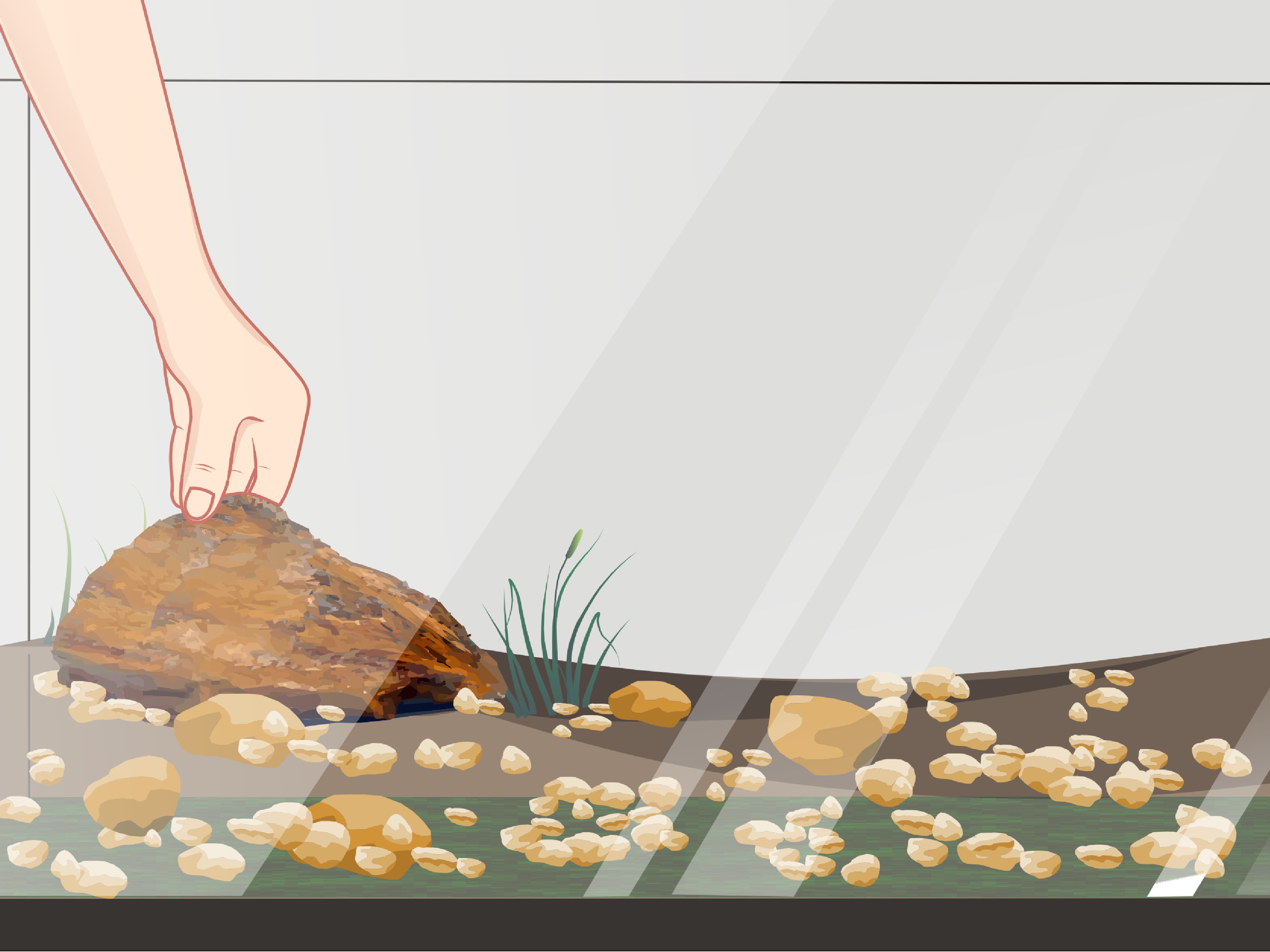
Step 2: Add deep, burrow-friendly substrate
This is the heart of the enclosure. American toads love to dig, so the substrate should be loose, moisture-friendly, and deep enough for burrowing. Aim for at least 2 inches, with 3 inches being even better for a larger adult.
Good substrate options include coconut fiber, organic topsoil free of fertilizers and pesticides, damp sphagnum moss mixed into a soil base, leaf litter, and cypress mulch in moderation. A blend often works best because it holds moisture without turning into swamp pudding.
Avoid gravel, small bark chips, sharp décor gravel, reptile carpet, cedar, pine, or anything dusty and aromatic. If a material can scratch, dry out, poison, or accidentally get swallowed, it does not belong in a toad tank.
A useful trick is to create a moisture gradient. Keep one side slightly more damp and the other side more dry. That way, your toad can choose where it wants to hang out instead of being forced to live in one uniform condition all day long.
Step 3: Create hiding spots
Provide at least two hides: one on the slightly warmer side and one on the cooler side. Half logs, cork bark, curved slabs of wood, plant cover, and low caves all work well. The goal is simple: your toad should be able to disappear whenever it wants. A toad that feels secure is more likely to eat, explore, and behave naturally.
Leaf litter also helps. It makes the enclosure look more natural, gives the toad cover, and supports that woodland-floor feel American toads seem to appreciate. Plus, it makes the terrarium look less like a minimalist bachelor pad and more like an actual habitat.
Step 4: Add a shallow soaking dish
American toads are not aquatic, but they do need access to fresh water at all times. Use a shallow dish with easy entry and exit. A gradual edge or ramp-style bowl is ideal. The dish should be large enough for your toad to sit in comfortably, but not deep enough to turn bath time into a survival challenge.
Always use dechlorinated water. Amphibians absorb water through their skin, so tap water straight from the faucet is a gamble you do not want to take. Change the water daily, and clean the dish daily too.
Step 5: Add plants and natural-looking décor
Live or artificial plants help create cover and visual security. Pothos, sturdy ferns, and other moisture-tolerant terrarium plants can work if they are pesticide-free and safely planted. Branches, cork bark, and smooth wood pieces can add structure, but keep the layout low and grounded. American toads are walkers and burrowers, not aspiring acrobats.
Use décor to break up open space. A giant empty enclosure can leave a toad feeling exposed. The best terrariums offer little “zones” to choose from: one shady corner, one slightly damp hide, one open feeding area, one soaking station, and one comfortable patch of substrate for digging in.
Step 6: Set the temperature and humidity
American toads do best in a relatively cool enclosure compared with tropical amphibians. In most homes, room temperature works well. A range in the mid-60s to low-70s Fahrenheit is usually comfortable, with a modest warm area available if your house runs chilly.
If you need supplemental heat, use a gentle under-tank heater on one side only, paired with a thermostat. Never turn the whole enclosure into a sauna. Avoid overheating, hot rocks, and blasting the tank with dry heat. American toads want “shady forest floor,” not “airport tarmac in August.”
For humidity, aim for moderate moisture rather than tropical fog. A general target around 50 to 60 percent works well. Mist as needed to keep the substrate slightly damp, especially on one side, but do not keep everything wet all the time. Stagnant, soggy conditions invite problems.
Step 7: Add lighting on a normal day-night cycle
American toads do not need blazing desert lights. A consistent day-night rhythm matters more than dramatic lighting. Ambient room light may be enough in some setups, but many keepers prefer a simple low-output light on a timer to maintain a stable photoperiod.
Low-level UVB is often recommended in general amphibian care, though keepers differ on how essential it is for American toads specifically. A cautious middle-ground approach is to provide gentle, low-output UVB along with plenty of shaded areas so the toad can choose exposure. What you should not do is flood the tank with intense heat and brightness as though you are raising a lizard that shops for sunglasses.
How to Make the Terrarium Feel Natural
The best American toad terrariums copy nature in broad strokes. You are not trying to recreate a swamp, a rainforest, or a beach resort. You are building a quiet, earthy, temperate habitat. Here is what that means in practice:
- Use brown, green, and leaf-litter textures instead of bright plastic décor
- Keep the enclosure mostly land-based with only a soaking dish, not a pond
- Provide loose substrate for digging
- Include shaded cover in several areas
- Let one part stay slightly drier and another slightly more humid
- Keep traffic, vibration, and unnecessary handling to a minimum
If the tank looks like a tiny forest floor and your toad spends part of the day buried like a potato with opinions, you are probably doing something right.
Feeding and Daily Care Basics
Even though this article focuses on terrarium setup, feeding is part of the habitat routine. American toads thrive on a varied diet of live insects and worms. Common feeder options include crickets, roaches, earthworms, mealworms in moderation, and other appropriately sized prey. Variety matters. So does gut-loading insects and using proper calcium and vitamin supplementation.
Adults usually eat every other day or a few times per week, while younger toads need more frequent feeding. Prey should be no wider than the toad’s mouth. In other words, if the bug looks like it could win the fight, pick a smaller bug.
Daily care should include:
- Checking temperature and humidity
- Changing and cleaning the water dish
- Removing waste and uneaten prey
- Making sure the substrate is still clean and lightly moist
- Watching your toad’s appetite and behavior
Handling, Hygiene, and Health
Handle an American toad only when necessary. Amphibian skin is sensitive, and human skin oils, soap residue, and bacteria are not a gift. If you must move your toad, use moistened, powder-free gloves and be gentle.
Spot-clean daily. Replace dirty substrate as needed. A deeper clean on a regular schedule keeps waste from building up and helps prevent health problems. Fresh, safe water and a clean enclosure do more for amphibian health than fancy accessories ever will.
Also, resist the temptation to collect a wild toad from your yard unless you have checked the law where you live and understand the risks. Native amphibian rules vary by state, and moving wild amphibians can contribute to stress, disease spread, and ecological harm. Captive-bred animals are the more responsible option when available. And never release a captive toad into the wild later. That is not a touching reunion with nature. It is a disease-management nightmare wearing a sentimental costume.
Common Mistakes to Avoid
Using the wrong substrate
Dry sand, gravel, cedar, pine, and sharp decorative materials are a fast way to build the wrong kind of terrarium. Stick with soft, natural, moisture-friendly substrates.
Making the tank too wet
American toads need moisture, but they do not need to live in a bog. Constantly soaked conditions can cause trouble. Think damp earth, not soup.
Using untreated tap water
If your water is not dechlorinated, it is not ready for the tank. Full stop.
Too much heat
These are not tropical frogs and definitely not reptiles that want a baking zone. Overheating dries them out and creates stress fast.
Not enough cover
A wide-open tank may look neat to you, but it can feel unsafe to a toad. Add hides, plants, bark, and leaf litter.
Handling too often
American toads are better observed than cuddled. They are pets for watching, not for carrying around like a furry mammal with a gym membership.
What a Great American Toad Terrarium Looks Like
Picture a 20-gallon long terrarium with dark, soft substrate about 3 inches deep. One side is a little more damp and tucked under cork bark with leaf litter scattered around. The other side is a touch drier, with a second hide and low plant cover. A shallow soaking bowl sits near the center-front for easy access and easy cleaning. The screen lid allows ventilation. Temperatures stay in a comfortable, cool room-temperature range. Humidity stays moderate. The lighting follows a simple day-night cycle. The toad can dig, soak, hide, hunt, and choose where to spend its time.
That is the goal: not just a container, but a functioning habitat.
Real-World Experiences and Lessons from Building an American Toad Terrarium
One of the funniest things new keepers discover is that American toads do not always appreciate your decorating effort on day one. You can arrange cork bark just so, tuck in the moss like a boutique hotel stylist, angle the plants for perfect naturalism, and your toad will still march straight to the least glamorous corner and bury itself like a grumpy dumpling. That does not mean the setup failed. It usually means the setup is working. A toad that feels safe enough to disappear is often a comfortable toad.
Another common experience is realizing how much these animals love routine. Once the terrarium is stable, American toads often develop patterns. They may spend daylight hours under the same hide, emerge after misting, sit half-submerged in the water bowl after feeding, or patrol the front glass at dinner time like a small, spotted debt collector. Keepers often describe them as low-drama pets with surprisingly distinct personalities. Some are bold and visible. Others act like secretive woodland landlords who only appear when rent is due in crickets.
People also tend to learn that “pretty terrarium” and “practical terrarium” are not always identical on the first try. A setup with too much open space may look clean in photos but leave the toad anxious. A very lush setup may look impressive but make spot-cleaning a pain. Most keepers end up refining the enclosure over time: adding more leaf litter, switching to a shallower water dish, adjusting how often they mist, or replacing one hide with another that holds moisture better. The best terrariums are rarely perfect on day one. They improve because the keeper watches the animal and responds.
Humidity is another lesson people learn by experience. Many beginners assume amphibian care means “make everything wet forever.” Then the substrate gets soggy, the glass fogs up, and the whole tank starts looking like a failed science fair project. American toads generally do better when there is balance: one damp section, one less damp section, fresh water, and good ventilation. Once that clicks, the terrarium becomes easier to maintain and the toad’s behavior usually becomes more natural too.
Feeding time also changes how people feel about the habitat. A well-designed American toad terrarium makes hunting behavior easier to observe. The toad learns where insects tend to appear, waits with comic seriousness, then snaps into action with surprising speed. It is one of the reasons people get attached to these animals. They are still, still, still, and then suddenly they are a sticky-tongued missile in a body shaped like a potato.
Many keepers end up saying the same thing: an American toad terrarium is relaxing to maintain once the basics are right. It is not loud. It is not flashy. It does not demand constant intervention. Instead, it rewards careful setup, clean water, stable conditions, and patience. Over time, what starts as “a tank with a toad in it” becomes a living little corner of woodland. And honestly, that is part of the charm. You are not just keeping an amphibian alive. You are building a calm, earthy micro-habitat where a very opinionated creature can live like a proper toad should.
Conclusion
If you want to create the best terrarium for an American toad, keep one big idea in mind: simple, natural, and functional beats flashy every time. Give your toad floor space, burrowing substrate, shaded hides, a shallow water dish, moderate humidity, cool-to-mild temperatures, and a clean routine. That is the winning formula.
American toads are not complicated when their needs are understood, but they are absolutely unforgiving of sloppy basics. Build the enclosure around how the animal actually lives, not around what looks trendy on social media, and you will end up with a healthier toad and a far better terrarium. In short: think woodland floor, not luxury penthouse. Your toad has no interest in marble countertops.