The dining room has quietly become one of the hardest-working spaces in the house. It hosts holiday meals, rushed Tuesday takeout, birthday candles, school projects, coffee-fueled catchups, and the occasional dramatic family debate about whose turn it is to do the dishes. In other words, this room deserves more than a lonely table and a light fixture that looks like it came free with a shrug.
If you want a dining room that feels stylish, comfortable, and actually useful, the secret is not stuffing it with “fancy” furniture. The best dining room decorating and design ideas are rooted in balance: scale, lighting, texture, flow, and personality. A beautiful dining room should look polished when guests arrive, but it should also work when real life barges in wearing socks and carrying pizza boxes.
This guide breaks down practical, high-impact ways to decorate a dining room that feels collected rather than staged. Whether your space is formal, open-concept, tiny, modern, traditional, or somewhere between “Pinterest dream” and “we’re doing our best,” these ideas can help you create a room you genuinely want to use.
Start With the Bones of the Room
Choose a table shape that fits the space, not your fantasy dinner party
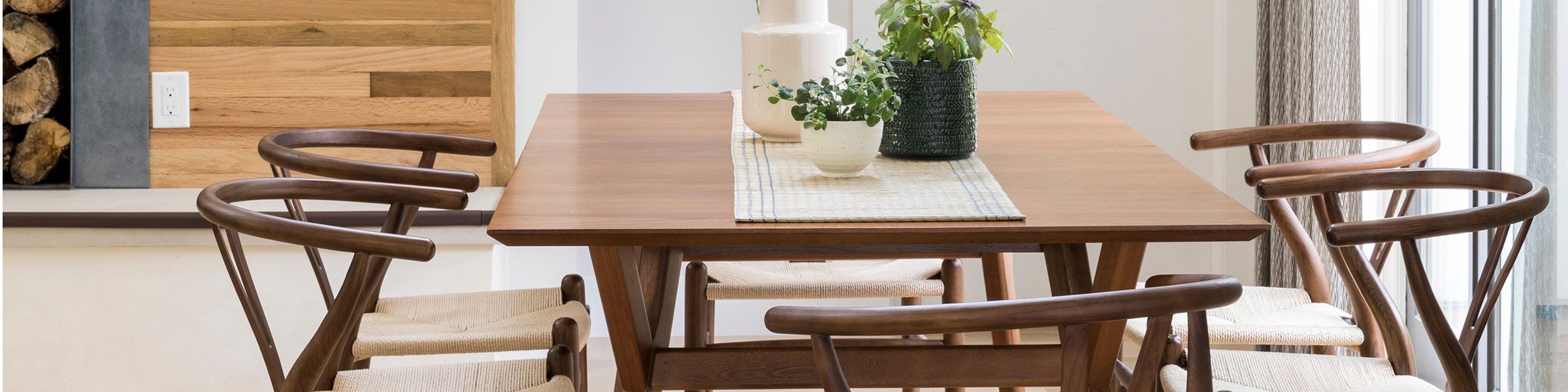
Every great dining room starts with the table, because everything else has to orbit around it without bumping into walls or knees. Rectangular tables are classic and practical for longer rooms, while round tables are excellent for small dining rooms because they soften the layout and improve flow. If your room is narrow, a pedestal base can make seating easier by reducing the visual and physical clutter of extra legs.
The best move is to think about circulation first. You want enough breathing room to pull chairs out and walk around comfortably. A dining room that looks magazine-perfect but requires guests to do side shuffles around the table is not elegant. It is cardio.
Respect negative space
One of the most common decorating mistakes is trying to fill every inch. A dining room often looks better when there is a little restraint. Leave open space around the table so the room feels intentional, not crammed. In smaller dining areas, fewer pieces with stronger presence usually work better than many tiny pieces trying very hard to be helpful.
If you need storage, pick one hardworking item like a sideboard, credenza, or narrow console rather than several smaller pieces. That single anchor can hold serving ware, candles, linens, and all the things that mysteriously multiply before guests arrive.
Lighting Is the Real Main Character
Use a statement fixture, but size it wisely
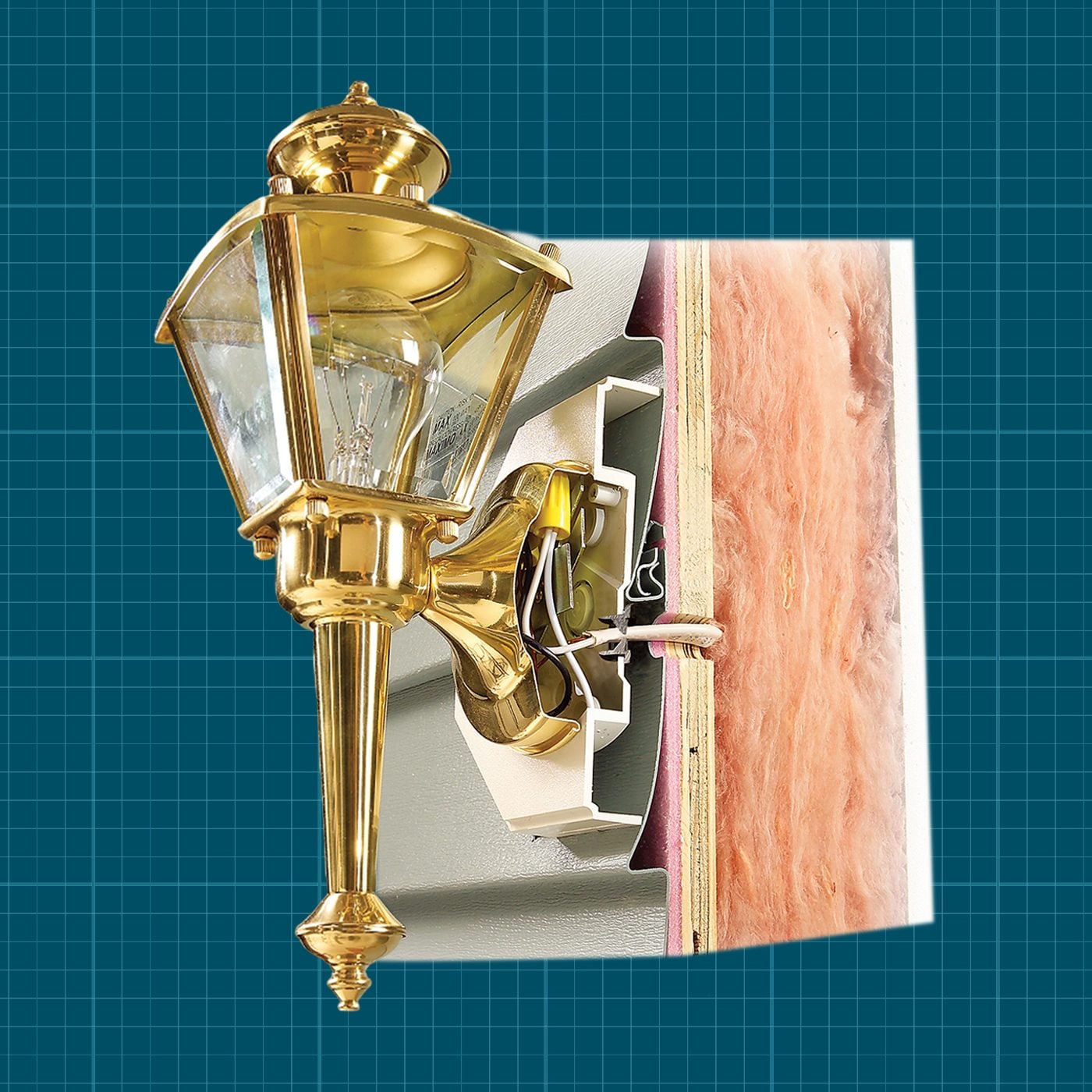
If the dining table is the heart of the room, the light fixture is the jewelry. A chandelier or pendant over the table creates focus instantly and can set the tone for the entire design. Want the room to feel glamorous? Choose something sculptural. Want it to feel organic and relaxed? Try woven, linen, wood, or matte finishes. Want it to feel traditional? Brass, iron, or candelabra-inspired shapes still work beautifully.
The key is proportion. A fixture that is too tiny looks apologetic. One that is too massive feels like it is preparing for takeoff. Aim for visual confidence, not intimidation. The fixture should clearly relate to the table beneath it so the room feels grounded and deliberate.
Layer the lighting like an adult who has learned from bad overhead lighting
A single ceiling fixture rarely creates the kind of atmosphere most people want in a dining room. Layered lighting makes the room more flexible and flattering. Add sconces, buffet lamps, picture lights, or even nearby accent lighting if the room allows it. This helps the room feel warm during dinner, functional during daytime tasks, and cozy in the evening.
Dimmers are especially valuable here. They let you shift the mood from “helping kids with homework” to “accidentally made spaghetti seem chic.” Good lighting does more than illuminate the table. It softens the room, highlights artwork, and makes the entire space feel finished.
Walls Matter More Than People Think
Paint is powerful, but texture makes the room memorable
Dining rooms are ideal places to be a little bolder than usual. Because people do not spend every waking hour in them, the room can handle richer color, more contrast, and stronger decorative gestures. Warm neutrals feel timeless, deep greens and blues create intimacy, and earthy reds, plums, or moody charcoals can make meals feel more atmospheric.
That said, color is only one tool. Wallpaper can completely transform a dining room by adding movement, pattern, and personality without taking up any floor space. A botanical print creates softness, a geometric print adds energy, and a mural-style paper can make even a modest dining room feel dramatic. If full-room wallpaper sounds like a lot, use it on one accent wall or above a chair rail.
Architectural detail instantly upgrades the room
If your dining room feels a little plain, architectural details can fix that faster than buying another decorative bowl ever will. Wainscoting, picture-frame molding, beadboard, ceiling medallions, and crown molding all add character and make the room feel more custom. Even simple trim painted in the same color as the walls can create depth and polish.
These details work especially well in dining rooms because they frame the space beautifully without interfering with furniture placement. They also give the room a layered, built-over-time quality that makes even newer homes feel more established.
Furniture Choices That Improve Style and Comfort
Dining chairs should be attractive, but also friendly to human backsides
Yes, chairs should look good. But if nobody wants to sit in them past the salad course, they are failing at chairhood. Upholstered seats, curved backs, mixed materials, and well-scaled silhouettes can all make a dining room feel more inviting. Matching chairs create symmetry and calm, while a mix of head chairs, benches, or different side chairs can add personality and prevent the room from looking too stiff.
Benches and banquettes are especially useful in small dining rooms or breakfast-area hybrids. They save space, soften corners, and make casual meals feel relaxed. A built-in banquette can also make a dining nook look custom and cozy, especially when layered with cushions and textured fabrics.
Add one supporting piece of furniture
A sideboard, hutch, or narrow cabinet gives the room weight and function. It is the place for serving dishes, table linens, candles, barware, and the emergency stash of cloth napkins you suddenly care about when company is coming. Visually, it also helps the room feel complete rather than table-only.
Style the top with restraint: a lamp, a mirror or artwork, and a small grouping of objects usually works better than a crowded lineup of decorative items auditioning for attention. This is where the room can feel personal instead of generic.
Soft Furnishings That Make a Big Difference
A rug can anchor the entire room
A dining room rug brings warmth, texture, and acoustic softness. It also helps define the area in open-concept homes. The important part is scale. A rug should be large enough that chairs remain on it even when pulled out. If the rug is too small, the room looks awkward and the chair legs will complain loudly every time someone moves.
For everyday life, choose materials and patterns that can handle crumbs, spills, and the occasional enthusiastic guest. Flat weaves, low piles, and patterned rugs are often easier to live with than precious options that seem offended by food.
Window treatments help with mood and proportion
Dining rooms benefit from softness, and curtains are an easy way to add it. Full-length drapery can make the room feel taller and more polished. In a small dining room, hanging curtains higher than the window frame draws the eye upward and helps the space feel larger. If privacy is not a major concern, airy panels can keep the room bright while still adding texture.
Roman shades also work well when you want a cleaner look. The goal is not to over-dress the windows, but to avoid the flat, unfinished feeling that bare glass can sometimes create.
Decorating the Walls and Table Without Overdoing It
Art and mirrors should earn their place
Wall decor in a dining room should do more than fill emptiness. Art can set the tone, introduce color, and make the room feel curated. Oversized art works beautifully in minimalist spaces, while gallery arrangements can make traditional or eclectic rooms feel layered and personal.
Mirrors are especially useful in small dining rooms because they reflect light and visually expand the space. Positioned well, they can also bounce around the glow of a chandelier, which is a nice trick when you want the room to feel brighter and more dynamic.
Centerpieces should not block eye contact
The best dining table centerpiece is low enough that people can talk over it without feeling like they are dining around a hedge. A bowl, tray, cluster of candlesticks, small floral arrangement, or seasonal branch display usually works better than one towering arrangement with theatrical ambitions.
Try the rule of contrast here: if your room has lots of straight lines, add something organic on the table. If your room is already full of pattern and texture, keep the centerpiece simpler. The dining table should feel dressed, not burdened.
Easy Dining Room Design Ideas by Style
Modern dining room ideas
For a modern dining room, focus on clean silhouettes, strong lighting, and a restrained palette with just enough contrast. A wood table with sculptural chairs, a large pendant, a textured rug, and one bold artwork can be enough. Modern rooms often benefit from fewer, better pieces rather than lots of accessories.
Traditional dining room ideas
Traditional dining rooms thrive on detail: paneled walls, elegant drapery, classic chandeliers, antiques, dark wood, and layered textiles. To keep the room from feeling stuffy, mix in one unexpected note such as contemporary art, a modern rug, or a fresh paint color.
Small dining room decorating ideas
In a small dining room, think visually light but emotionally rich. Round tables, banquettes, mirrors, slim-profile chairs, glass or reflective finishes, and vertical storage can all help. A bold light fixture or wallpaper can actually make the room feel more intentional rather than smaller. Tiny spaces often look best when they commit to a point of view instead of trying to disappear.
Common Dining Room Mistakes to Avoid
- Choosing a rug that is too small for the table and chairs.
- Relying on one harsh overhead light.
- Using centerpieces that block conversation.
- Buying dining chairs that look great but feel like punishment.
- Ignoring wall space and architectural detail.
- Overcrowding the room with too many small decorative pieces.
- Forgetting that a dining room should function beautifully, not just photograph well.
What Real-Life Experience Teaches You About Dining Room Decorating
Once people actually start living in a thoughtfully designed dining room, they usually notice the same thing: the room changes behavior. A well-decorated dining room gets used more often, even when nobody is hosting a fancy dinner. People linger longer when the chairs are comfortable, the lighting is soft, and the room feels welcoming rather than formal in a scary way. The space begins to pull daily life toward it.
Many homeowners also discover that lighting matters far more than they expected. During the day, natural light makes the room feel open and cheerful. At night, layered lighting creates intimacy. That shift can completely change how the room is experienced. The same table can feel like a homework station at 4 p.m. and a cozy dinner setting at 7 p.m. with nothing more than a dimmed chandelier, a lamp on a sideboard, and a few candles. It is one of those design upgrades that seems subtle until you live with it, and then you wonder why every room is not treated this way.
Another common real-world lesson is that comfort always wins. People may initially shop for dramatic chairs, delicate fabrics, or high-maintenance surfaces because they look impressive in photos. Then actual life arrives with denim, spaghetti sauce, pets, children, guests who lean back too far, and someone who always sets down a drink without a coaster. Rooms that age well are usually the ones designed with realistic materials, forgiving finishes, and layouts that allow movement. A dining room can absolutely be beautiful and practical at the same time. In fact, that combination is usually what makes it feel luxurious.
People also learn quickly that scale is not a boring design rule. It is the rule that saves the room. A table that is too large makes every meal feel cramped. A rug that is too small makes the entire room look off, even when no one can explain exactly why. A tiny chandelier over a long table can make the room feel unfinished, while an oversized one can turn dinner into a trust exercise. When scale is right, the room feels calm. When it is wrong, the room always feels slightly irritated.
Storage becomes more important over time, too. At first, a sideboard may seem like a bonus item. Later, it becomes the hero that stores candles, serving pieces, placemats, seasonal decor, party supplies, and the random tape and scissors someone needed for a birthday gift five minutes before guests arrived. The most loved dining rooms often include this kind of quiet support piece. It does not demand attention, but it makes the room easier to live in.
And then there is the emotional part, which design articles do not always talk about enough. A dining room is often where memory collects. It is where kids do crafts, friends stay too late, relatives retell the same stories, and ordinary weeknights somehow become the moments people remember later. Decorating this room well is not only about style. It is about creating a setting that encourages people to gather, stay, and enjoy one another. That is why the best dining room decorating and design ideas are not just pretty. They are generous. They make room for everyday life while still giving it a little ceremony.
Conclusion
The best dining room decorating and design ideas balance beauty with livability. Start with the right layout, anchor the room with a properly scaled table and rug, invest in layered lighting, and use walls, textiles, and storage to add character. Then finish with personal touches that make the space feel like yours. Whether your dining room is grand or tiny, formal or casual, the goal is the same: create a room that looks inviting before the meal starts and still feels good when everyone is lingering long after dessert.