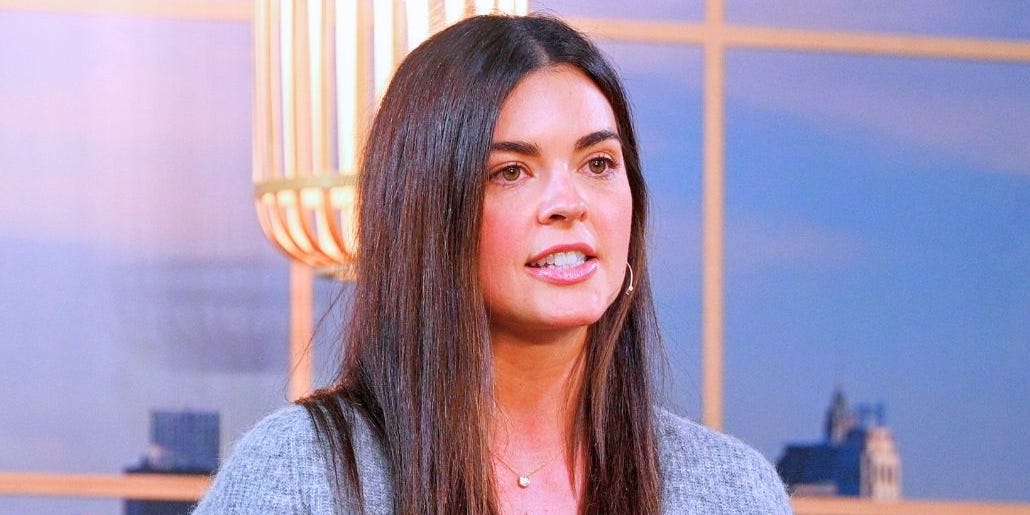
For more than a decade, The Kitchen made Saturday mornings feel like brunch with unusually talented friendsfriends who could rescue a broken sauce, improve a supermarket shortcut, and keep chatting while somebody searched for the missing whisk. Then Food Network announced that the long-running series would end after 40 seasons, closing a chapter that had produced more than 500 episodes and thousands of recipes.
Katie Lee Biegel, one of the show’s original co-hosts, responded with gratitude, emotion, and eventually some candor. She called the program a defining professional honor, thanked viewers for welcoming the cast into their homes, and later acknowledged that the cancellation came from business circumstances outside the hosts’ control. Her comments explain why the ending mattered: The Kitchen was not only a recipe show but also a weekly ritual built around chemistry, practical cooking, and the comforting discovery that celebrity chefs also debate leftovers.
What Happened to Food Network’s The Kitchen?
Food Network announced on October 20, 2025, that The Kitchen would conclude with one final holiday season. The finale aired on December 13, 2025. The series had premiered in January 2014 and became one of the network’s most recognizable daytime programs.
The core lineup included Katie Lee Biegel, Sunny Anderson, Jeff Mauro, and Geoffrey Zakarian. Alex Guarnaschelli appeared as a recurring co-host, while original co-host Marcela Valladolid left in 2017. Together, the group mixed demonstrations, food news, entertaining advice, seasonal menus, and conversational detours that made viewers feel they had wandered into a lively family gathering.
Food Network framed the ending as a grateful farewell rather than a controversy. Trade reporting pointed to resource reviews and changing programming priorities. There was no public scandal, no disastrous recipe, and no evidence that one overcooked roast brought down the operation. The decision appeared connected to the broader financial and strategic pressures reshaping traditional cable television.
Katie Lee’s First Response: Gratitude Before Grievance
After the cancellation became public, Katie described the news as the end of an era. She thanked fans and said The Kitchen had been the greatest professional honor of her life. Instead of centering executives, contracts, or corporate strategy, she focused on what the show had given her.
Following the final episode, she celebrated 12 years and more than 500 installments, thanked the crew, and expressed appreciation for the audience that allowed the team to keep doing work they loved. Her reaction sounded less like a standard press statement and more like someone looking around an empty studio after a very long, very good dinner party.
Gratitude did not mean she felt neutral about the decision. In later conversations with Jeff Mauro and Geoffrey Zakarian, Katie became more direct. She characterized the ending as a “perfect storm” of factors beyond the cast’s control and stressed that it was not simply a verdict on audience enthusiasm.
“`
Why Her Tone Connected With Fans
Katie held two ideas at once: the show’s run was an extraordinary gift, and losing it still hurt. That balance felt honest. Television personalities are often expected to treat every cancellation as an exciting opportunity wearing a fake mustache. Katie left room for sadness without turning the situation into a feud.
She also kept returning to the people behind the program. A weekly series depends on producers, camera operators, culinary teams, stylists, editors, researchers, and many others whose names never dominate promotional posters. By thanking the crew, Katie recognized that a cancellation ends a workplace community as well as a broadcast.
“`
What Katie Lee Says She Misses Most
By May 2026, Katie had identified the hardest part of moving on: she missed her co-hosts. Speaking at an event benefiting Food Bank for New York City, she described the series as an incredible experience and said the people were what she missed most.
Her memories extended beyond the polished moments viewers saw. She spoke about texting Geoffrey Zakarian and missing the casual visits to one another’s dressing rooms, the unplanned conversations, and the everyday joking between segments. Those details reveal the difference between an on-screen partnership and a genuine long-term friendship.
For 12 years, the cast cooked together while their families, businesses, and careers changed. Their chemistry became one of the show’s main ingredients. Plenty of programs can demonstrate a casserole. Fewer can make several strong personalities look comfortable sharing the same counter without declaring a territorial dispute over the cutting board.
“`
A Group With Distinct Flavors
Each host brought a recognizable point of view. Katie leaned toward accessible comfort food and uncomplicated entertaining. Sunny Anderson supplied bold flavors and high energy. Jeff Mauro turned sandwiches into both a specialty and a philosophy. Geoffrey Zakarian brought restaurant technique and polished presentation, while Alex Guarnaschelli contributed sharp culinary insight and dry humor.
The show benefited from friendly disagreement. One host might favor a shortcut; another might recommend a classic technique. One might reach for a gadget; another might suggest using the pan already on the stove. Viewers received options rather than commandments, which is much closer to how home cooking works.
“`
Why the Cancellation Felt Bigger Than One TV Show
Food Network’s modern schedule relies heavily on competitions, tournaments, judging panels, and high-stakes challenges. Those programs can be fast and addictive, but The Kitchen represented a different kind of food television: collaborative rather than competitive.
No one had to defeat a rival with a mystery basket. No timer screamed while a chef tried to turn gummy candy into an appetizer. The hosts simply cooked, talked, tasted, and explained. For viewers seeking useful recipes and friendly company, the low-pressure rhythm was the attraction.
The cancellation therefore became symbolic for fans who worry that traditional cooking instruction has less space on cable. The irony is that instructional food content remains enormously popular online. YouTube channels, newsletters, creator-led recipe sites, and short-form videos attract audiences every day. The appetite has not disappeared; it has moved to different tables.
“`
A Cable Decision in a Streaming Era
Networks now weigh production costs, advertising revenue, streaming strategy, audience demographics, and corporate restructuring. A beloved show can become vulnerable even when it still has loyal viewers. Katie and her colleagues noted that people continued approaching them to ask what happened, while reruns remained visible after new production ended. Cultural value and spreadsheet value are related, but they are not identical twins.
“`
Did The Kitchen Get a Proper Goodbye?
One reason the ending felt abrupt was that the final regular episode was not designed as a grand farewell. Katie later said she had wanted the closure of gathering everyone, having a cake, and symbolically turning off the lights. That image captures what many fans felt was missing.
In March 2026, Katie, Jeff, and Geoffrey discussed a special episode connected to The Kitchen, including material filmed in Qatar. Their playful exchange included jokes about being canceled twice and about the network eventually recognizing a mistake. The humor was affectionate but pointed: they understood how strongly viewers still associated them with the series.
A one-time special is not the same as a full revival. It may provide reunion energy and some closure, but it does not restore the weekly ritual. The original run remains finished, even if reruns and occasional reunions keep the kitchen lights from going completely dark.
Katie Lee’s Next Chapter: It’s Not Complicated
Katie did not wait for another network to hand her an apron. In February 2026, she launched a YouTube cooking series called It’s Not Complicated. The title fits the style viewers associate with her: familiar food, manageable ingredient lists, realistic steps, and limited dishwashing. The final feature may be the most persuasive. Civilization has suffered enough colanders.
The series is a personal production. Her husband, producer Ryan Biegel, helps film and produce it with a small team. The format gives Katie more control over recipes, pacing, and presentation. Her first episode drew on family traditions with pinto beans, collard greens, and cornbread.
The move reflects a larger change in food media. A television cancellation once meant waiting for another television opportunity. Established hosts can now build channels, podcasts, newsletters, and direct communities without relying entirely on a cable schedule. Katie has expanded in that direction through video, her All on the Table podcast, and her own publishing platforms.
“`
What the New Series Preserves
It’s Not Complicated cannot reproduce the ensemble chemistry of The Kitchen, but it preserves Katie’s belief that cooking should feel achievable. She is not asking viewers to find a rare herb from a mountain that appears only during a solar eclipse. She is showing how ordinary ingredients can become a satisfying meal.
“`
What The Kitchen Leaves Behind
The show’s practical legacy includes thousands of recipes covering holidays, weeknight dinners, parties, leftovers, grilling, baking, and brunch. Its emotional legacy may be even stronger. People watched while folding laundry, drinking coffee, making grocery lists, feeding children, or recovering from a long week. The program did not demand constant suspense. It offered pleasant momentum and the sense that something delicious was always about to come out of the oven.
Katie’s comments suggest that the warmth was not entirely manufactured. The friendships continued after production, and the hosts kept talking, joking, and seeking ways to collaborate. That does not make the cancellation less disappointing, but it gives the story a better final flavor than resentment.
Related Experiences: Why the End of The Kitchen Felt Personal
The strongest viewer reactions were rooted in routine. A weekly lifestyle show can quietly attach itself to a household schedule. The theme music starts, coffee is poured, somebody begins chopping vegetables, and an hour of the weekend gains a familiar shape. Over time, the program becomes background architecture. People may not notice how much it matters until it is removed.
That experience is especially common with ensemble shows. A solo host can become a trusted guide, but a group creates the feeling of belonging to a table. Viewers learn who will tease whom, who will insist on another pinch of salt, and who will defend a shortcut that makes the classically trained chef raise an eyebrow. The recipes change; the relationships remain recognizable.
Many home cooks also experienced The Kitchen as permission to be imperfect. The hosts were accomplished professionals, yet the format made room for substitutions, store-bought ingredients, leftovers, and practical compromises. That matters to viewers who want dinner, not a dissertation. A useful meal can still be joyful when the herbs come from a plastic container and the serving platter is technically a sheet pan.
The cancellation can resemble the closing of a favorite neighborhood café. Customers know a program is a business, just as they know a café must pay rent. Still, knowledge does not erase attachment. People remember what they cooked after an episode, which holiday tip became a tradition, or which host made a difficult week feel lighter. The emotional response is not really about a programming slot. It is about accumulated ordinary moments.
Katie’s experience mirrors that loss. What she says she misses is not merely airtime. She misses dressing-room conversations, crew members, and colleagues who became friends. That distinction is relatable to anyone who has left a school, workplace, team, or long-running project. The official ending happens on one date, but the real adjustment arrives later, when there is no familiar room to enter and no familiar group waiting inside.
Her next move offers a lesson about transitions. She did not try to rebuild The Kitchen person for person on another platform. She carried forward the part that belonged uniquely to her: approachable recipes, warm storytelling, and uncomplicated food. Successful reinvention often works that way. A person cannot preserve every feature of an old experience, but they can identify its most meaningful ingredient and build something new around it.
For viewers, the same principle applies. The Saturday ritual may change, yet the recipes, reruns, and new projects remain. Fans can follow Katie’s independent series, revisit favorite segments, or continue cooking dishes inspired by the show. A canceled program stops producing weekly episodes; it does not automatically stop shaping the people who watched it.
That is why the ending produced more than ordinary television disappointment. It marked the loss of a dependable, low-stress gathering place in a media environment increasingly designed around urgency. The show’s secret ingredient was never just food. It was familiarityand familiarity is surprisingly hard to replace.
Conclusion
Katie Lee Biegel’s response to Food Network canceling The Kitchen has evolved from a gracious farewell into a fuller reflection on friendship, business realities, and unexpected change. She remains proud of the show, grateful to its audience, and honest about missing the people who made it special.
The program ended after an exceptional run, but its influence continues through reruns, recipe archives, reunions, and Katie’s digital work. Food Network may have closed The Kitchen, yet its community has spread into home kitchens, online videos, podcasts, and Saturday mornings still in need of a good brunch idea.
Editorial note: This article is based on publicly available statements and reporting available through June 16, 2026.