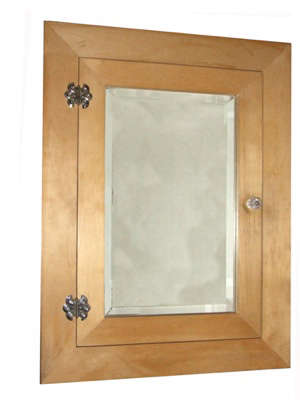
A bathroom has a remarkable talent for collecting tiny things. Toothpaste, razors, skin-care bottles, cotton swabs, floss, bandages, contact-lens supplies, and that mysterious hotel-sized shampoo nobody remembers bringing home all compete for counter space. A recessed medicine cabinet solves much of that clutter without asking your bathroom to surrender additional floor or wall space.
Unlike a surface-mounted cabinet that projects several inches from the wall, a recessed model fits largely inside the wall cavity. From the front, you mainly see the mirror, frame, and door. The result is cleaner, flatter, and more architecturala particularly useful trick in small bathrooms where every inch seems to have already signed a lease.
Recessed medicine cabinets are available in basic mirrored versions, decorative framed designs, multi-door cabinets, and sophisticated models with LED lighting, electrical outlets, USB charging, defogging technology, interior mirrors, adjustable shelves, and soft-close hinges. Choosing the right one, however, requires more than finding a pretty mirror and hoping the wall cooperates.
What Is a Recessed Medicine Cabinet?
A recessed medicine cabinet is a bathroom storage cabinet installed partly or almost entirely inside an opening in the wall. The cabinet body occupies space between or around wall framing, while the face of the cabinet sits close to the finished wall surface.
This installation method creates a built-in appearance and keeps bulky storage from projecting toward the sink. Many recessed cabinets are roughly four to five inches deep, although exact cabinet and rough-opening dimensions vary significantly by model. Manufacturers therefore specify the required wall opening rather than relying on one universal “standard” size.
Many modern products are designed for either recessed or surface installation. That flexibility is useful during remodeling because you can select a cabinet before opening the wall and still have a backup plan if hidden pipes, wiring, vents, or framing make recessing impractical.
Recessed vs. Surface-Mount Medicine Cabinets
The biggest difference is not the mirrorit is what happens behind the mirror.
Recessed Medicine Cabinets
A recessed cabinet requires an opening in the drywall and solid framing or blocking around the cabinet. Because most of the box disappears inside the wall, it delivers a streamlined appearance and generally feels less intrusive over a shallow vanity or narrow sink.
Installation is more complicated because the installer must determine what is inside the wall before cutting. Plumbing supply lines, drains, vent pipes, electrical wiring, structural framing, or an exterior-wall assembly can turn an apparently easy project into something considerably more entertaining than intended.
Surface-Mount Medicine Cabinets
A surface-mounted cabinet attaches directly to the finished wall, ideally secured to studs or appropriate structural backing. Installation is usually faster because a large wall opening is unnecessary.
The compromise is projection. The entire cabinet box remains visible and may extend several inches into the room. That is not necessarily unattractivemany modern cabinets have finished side panelsbut recessed installation generally produces the cleaner built-in effect homeowners associate with custom bathrooms.
Why Choose a Recessed Medicine Cabinet?
It Saves Visual and Physical Space
Small bathrooms benefit enormously from storage that occupies unused wall depth rather than valuable room space. A cabinet sitting nearly flush with the wall can make the sink area feel less crowded, especially where the vanity is shallow.
The improvement is partly psychological. A large box projecting from the wall creates another visible object in an already busy room. Recessing that same storage leaves a cleaner plane and makes the mirror feel integrated into the architecture.
It Hides Everyday Clutter
Open shelving looks wonderful in carefully staged photographs. Real bathrooms contain half-used toothpaste tubes.
A medicine cabinet keeps everyday grooming products close to the sink without displaying the entire inventory. Adjustable shelves are particularly useful because they can accommodate both short containers and taller bottles instead of wasting vertical space.
It Combines Storage and a Mirror
Instead of dedicating valuable wall area to a decorative mirror and then searching for separate storage, a mirrored medicine cabinet performs both jobs. Some contemporary cabinets take the idea further with mirrored interiors and mirrored door backs, making products easier to see even while the door is open.
It Can Add Useful Technology
Modern recessed medicine cabinets can include integrated LED lighting, dimming, adjustable color temperature, electrical outlets, USB charging, defogging systems, night lights, magnifying mirrors, motion sensors, and soft-close doors.
Not everyone needs a bathroom cabinet that appears qualified to pilot an aircraft, of course. A simple cabinet with durable shelves and good hinges may provide better value if storage is your main concern.
How to Choose the Right Recessed Medicine Cabinet
Measure the Vanity First
A practical starting point is the width of the vanity or sink area. In many bathroom layouts, the medicine cabinet looks most balanced when it is no wider than the vanity below it.
Do not measure width alone. Check the available height between the faucet or backsplash and the vanity light. Also consider side sconces, towel hardware, nearby walls, and anything else that might interfere when the cabinet door swings open.
Check the Rough-Opening Dimensions
This is one of the most important details in the entire purchase.
The advertised overall cabinet dimensions are not necessarily the dimensions of the hole you must create. Manufacturers typically provide separate recessed opening or rough opening specifications for width, height, and depth.
Two cabinets with similar-looking mirrors can require noticeably different wall openings. Always obtain the installation sheet for the exact model before modifying the wall.
Consider Wall Depth
Typical interior stud walls may provide enough cavity depth for many common recessed cabinets, but never assume that every wall does. Tile, backer board, unusually shallow framing, masonry, pipes, ducts, and other construction conditions can reduce the usable space.
The cabinet body must fit comfortably without pressing against hidden utilities or forcing the wall assembly into an improvised engineering experiment.
Choose Bathroom-Friendly Materials
Bathrooms experience frequent humidity, condensation, splashes, and temperature changes. Aluminum, stainless steel, properly finished steel, glass, and moisture-resistant engineered materials are common choices.
If you prefer wood or a wood-look cabinet, verify that the product is designed for bathroom use. Decorative furniture that happens to fit above a sink is not automatically prepared for years of steam.
Look for Adjustable Shelves
Fixed shelves can work, but adjustable shelving makes the cabinet much easier to organize. You can create narrow sections for small grooming products and taller sections for bottles, electric toothbrush equipment, or shaving supplies.
Glass shelves are popular because they are easy to wipe clean and do not visually darken the interior.
Check the Door Swing
Many medicine cabinets allow the door to be configured with hinges on either side. That feature becomes surprisingly important when the cabinet sits near a side wall, doorway, sconce, or another cabinet.
Open the imaginary door before buying. Yes, literally stand in the bathroom and pretend. Looking slightly ridiculous for ten seconds is considerably cheaper than discovering after installation that your beautiful new door collides with a light fixture.
Popular Styles of Recessed Medicine Cabinets
Frameless Mirrored Cabinets
Frameless cabinets create one of the most minimal looks. The mirror appears to float against the wall with little visible hardware, making this style popular in contemporary bathrooms.
Framed Medicine Cabinets
Black, brass, chrome, nickel, bronze, and painted frames can help coordinate the cabinet with faucets, shower hardware, lighting, and towel accessories. An arched or rounded frame can soften a bathroom dominated by rectangular tile and cabinetry.
Lighted Medicine Cabinets
An integrated LED medicine cabinet combines storage, mirror, and task lighting. These products can be particularly appealing where wall space around the vanity is limited.
Before purchasing one, determine whether it requires hardwiring, a receptacle, or another electrical connection. Electrical planning should happen before the wall is closed, not after somebody proudly installs twelve square feet of expensive tile.
Double- and Triple-Door Cabinets
Wide vanities can accommodate multi-door medicine cabinets or multiple cabinets installed side by side. This arrangement gives two people separate storage zones while creating a broad mirrored surface.
Check hinge clearances carefully so adjacent doors can open without interfering with each other.
Installing a Recessed Medicine Cabinet
Recessed medicine cabinet installation ranges from a manageable DIY project to a job best handled by a carpenter, electrician, plumber, or remodeling contractor. The difference usually depends on what the wall is hiding.
1. Locate Studs and Utilities
Use a stud finder and other appropriate methods to identify framing around the planned location. More importantly, investigate possible plumbing and electrical lines before making a large cut.
The wall directly above a bathroom sink is an obvious location for plumbing vents and electrical wiring serving vanity lights or receptacles. Never assume an empty-looking wall is actually empty.
2. Confirm the Wall Is Appropriate
Cutting studs can affect structural performance, particularly in a load-bearing wall. Exterior walls also introduce insulation, air-sealing, vapor-management, and thermal considerations.
If the desired installation requires structural modifications or you cannot confidently identify the wall conditions, professional evaluation is the sensible approach.
3. Mark the Rough Opening
Use the manufacturer’s exact rough-opening specifications and a level to outline the opening. Check the cabinet’s final position relative to the sink, faucet, lights, and your natural eye level before cutting.
A cardboard template of the cabinet face can be useful. Tape it to the wall and live with it for a few minutes. It is easier to move cardboard two inches than drywall, framing, and tile.
4. Cut the Wall Carefully
After confirming the cavity is safe, remove the necessary drywall or wall material. Make controlled cuts and avoid plunging a long saw blade deep into the cavity where it could contact something you failed to detect.
5. Add Framing or Blocking
The cabinet normally requires a solid rectangular structure to support it. Depending on the existing stud layout, additional blocking may need to be installed at the top, bottom, or sides of the opening.
The goal is a square, rigid opening that gives the cabinet’s mounting screws solid material to engage.
6. Test-Fit and Level the Cabinet
Place the cabinet body into the opening before final fastening. Confirm that it sits square and flush. Shims may be used where permitted by the manufacturer’s instructions.
A cabinet that is slightly twisted can create annoying door alignment problems. A few extra minutes with the level now can prevent years of watching the door slowly swing open by itself like your bathroom has acquired a ghost.
7. Secure and Finish the Installation
Fasten the cabinet according to the supplied instructions without overtightening screws and distorting the cabinet box. Install shelves and doors, adjust hinges, repair surrounding drywall if necessary, and complete any manufacturer-recommended trim or finish work.
For powered cabinets, electrical connections should comply with applicable electrical requirements and manufacturer instructions. Hire a qualified electrician when the work exceeds your experience.
Important Safety and Storage Considerations
Despite the name, a bathroom medicine cabinet is not automatically the best place for every medication. Bathrooms commonly experience heat and humidity changes from showers, and many medications should be stored according to their label instructions in a cool, dry location.
Use your recessed cabinet primarily for items appropriate to the environment unless a medication’s storage instructions specifically allow bathroom conditions. Keep medicines securely away from children and anyone for whom access would be unsafe.
Razors, cosmetics, toothpaste, grooming supplies, bandages, cotton products, skin-care items, and other daily necessities often make better candidates for routine bathroom cabinet storage.
Common Recessed Medicine Cabinet Mistakes
Buying Before Checking the Wall
A gorgeous cabinet is less gorgeous when a plumbing vent occupies the exact spot where its box needs to go. Investigate the wall early, particularly during a remodel when surfaces may already be open.
Using Overall Dimensions Instead of Rough-Opening Dimensions
Never make the wall opening from the mirror’s advertised width and height unless the installation manual specifically says to do so. The cabinet body and decorative face are often different sizes.
Mounting the Mirror Too High
The ideal height depends on the people using the bathroom, vanity height, faucet, lighting, and mirror dimensions. Before fastening anything permanently, make sure shorter and taller household members can use the mirror comfortably.
Ignoring Door Clearance
Check nearby walls, sconces, shelves, faucets, and neighboring cabinet doors. Storage is less useful when accessing it requires performing bathroom yoga.
Choosing Features You Will Never Use
LED lighting, USB ports, clocks, sensors, defoggers, and built-in outlets can be excellent features, but additional technology generally adds cost and installation requirements. Prioritize the functions that genuinely improve your daily routine.
Are Recessed Medicine Cabinets Worth It?
For many bathroom renovations, yes. A recessed medicine cabinet turns unused wall volume into accessible storage while preserving a clean mirror profile. The improvement can be particularly noticeable in powder rooms, small bathrooms, narrow vanities, and minimalist designs.
The downside is installation complexity. Surface mounting wins when you want a quick upgrade or when the wall contains utilities that would be expensive to relocate. Recessing makes the most sense during a renovation, when walls are already being modified and plumbing, electrical work, tile, lighting, and cabinetry can be coordinated together.
Practical Experience: What You Learn After Living With a Recessed Medicine Cabinet
The specifications tell you whether a recessed medicine cabinet will fit. Daily use tells you whether you chose the right one.
One of the most useful lessons from real bathroom layouts is that interior organization matters more than impressive exterior size. A huge mirrored door does not automatically create convenient storage. If the shelves cannot be adjusted, tall bottles may consume an entire level while short containers waste empty space above them. A slightly smaller cabinet with flexible shelving can therefore feel substantially larger in everyday use.
Another practical lesson is to organize the cabinet by frequency rather than product category. Put toothpaste, floss, deodorant, daily skin-care products, and shaving supplies where your hand naturally reaches. Less frequently used products can occupy the upper shelf. This sounds embarrassingly obvious until you spend six months moving a rarely used bottle out of the way every morning.
Mirrored interiors are more useful than they initially appear. When the back of the door and rear cabinet wall are reflective, you can continue using the mirror while reaching for products. They also bounce light into the cabinet, making small items easier to find.
Soft-close hinges are another feature that moves quickly from “nice luxury” to “why doesn’t everything have this?” A medicine cabinet door may be opened dozens of times during a busy week. Controlled closing reduces slamming, protects the mirror, and prevents bottles from performing synchronized dives from the shelves.
Installation planning also teaches an important remodeling rule: design the wall before designing the hole. When renovating from the studs, decide on the medicine cabinet early. Framing can then be positioned around the required opening, electrical wiring can be routed appropriately, and light fixtures can be centered around the final mirror dimensions. Waiting until tile and drywall are finished turns simple planning decisions into expensive problems.
Lighting deserves similar attention. A beautiful cabinet can still be frustrating if an overhead fixture creates shadows across your face. Side lighting or well-designed integrated lighting tends to provide more useful grooming illumination. If you choose an illuminated cabinet, examine how the light is controlled and whether its brightness and color temperature suit both early mornings and late nights.
For shared bathrooms, storage ownership also matters. Two narrow recessed medicine cabinets can sometimes work better than one enormous cabinet because each person gets a defined zone. On a double vanity, separate cabinets may also align more naturally with separate sinks and lighting.
Finally, leave some empty space. Filling every shelf on installation day guarantees future clutter because bathroom products have a mysterious reproductive cycle. New sunscreen appears. Someone buys another moisturizer. A dentist sends home three tubes of toothpaste. Maintaining roughly 15 to 20 percent unused capacity makes the cabinet dramatically easier to keep organized.
The best recessed medicine cabinet ultimately becomes almost invisible. You stop thinking about the cabinet itself because the mirror is where you expect it, your daily products are within reach, the counter remains clear, and nothing protrudes awkwardly over the sink. That quiet usefulness is precisely why a well-planned recessed cabinet can be one of the smartest upgrades in an otherwise ordinary bathroom.
Conclusion
Recessed medicine cabinets offer an appealing combination of bathroom storage, mirror functionality, and space-efficient design. By placing most of the cabinet inside the wall, they create a cleaner profile than conventional surface-mounted storage while keeping everyday essentials close to the vanity.
Success depends on planning. Measure the vanity and surrounding fixtures, study the manufacturer’s rough-opening dimensions, inspect the wall for framing and utilities, and choose shelves, hinges, lighting, materials, and door configurations based on how the bathroom will actually be used. During a full remodel, selecting the cabinet early can make installation dramatically easier.
A basic recessed mirrored cabinet can quietly solve clutter for years, while a modern lighted model can become the functional centerpiece of the vanity. Either way, the best cabinet is not necessarily the largest or most technologically impressive one. It is the one that fits the wall, fits your routine, and prevents your toothbrush from sharing valuable counter territory with seventeen bottles of skin-care optimism.
Note: Installation requirements vary by cabinet model and wall construction. Always follow the manufacturer’s specifications, and consult qualified building, electrical, or plumbing professionals when structural framing or hidden utilities must be modified.