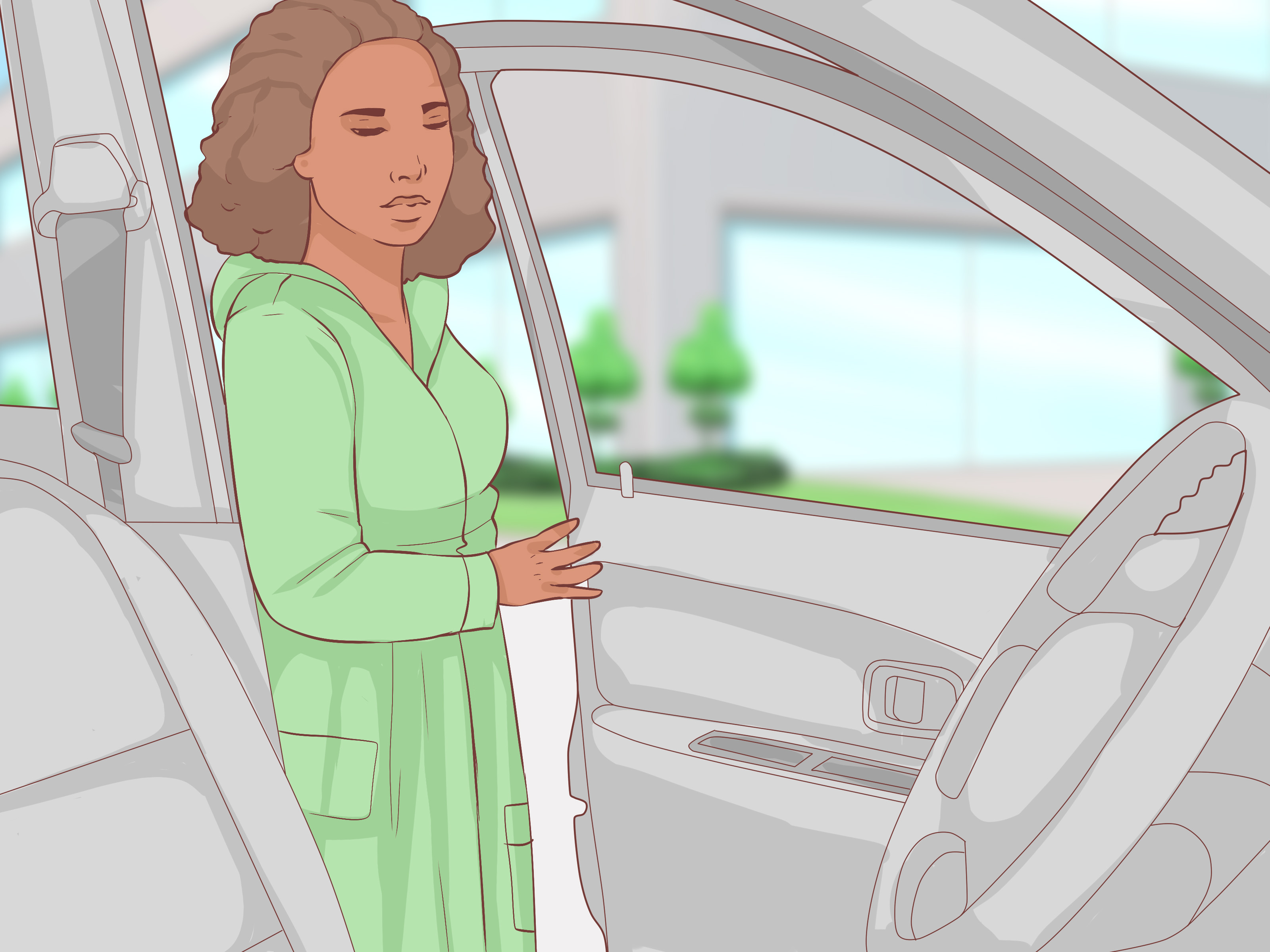
Vitamin D has excellent public relations. It is nicknamed the “sunshine vitamin,” sounds cheerful, and somehow makes a bottle of tiny capsules feel like a beach vacation in pill form. Depression, on the other hand, is not nearly as cute. It can drain energy, flatten motivation, disturb sleep, shrink appetite or increase it, and make even simple tasks feel like they require a committee meeting.
So it is no surprise that many people ask the same question: Can vitamin D deficiency cause depression? The honest answer is: there appears to be a connection, but it is not as simple as “low vitamin D equals depression” or “take a supplement and feel instantly better by Tuesday.” Research shows that people with low vitamin D levels often report more depressive symptoms, but large clinical trials have not proven that vitamin D supplements prevent depression in the general adult population.
In other words, vitamin D may be one piece of the mental health puzzle, but it is not the whole puzzle, the box, the table, and the snacks. Let’s unpack what the science says, who may be at risk, when testing makes sense, and how to support both mood and vitamin D levels safely.
What Is Vitamin D, and Why Does the Body Need It?
Vitamin D is a fat-soluble nutrient that helps the body absorb calcium and phosphorus, two minerals that keep bones and teeth strong. Without enough vitamin D, bones can become thin, weak, or misshapen. In adults, severe deficiency may contribute to osteomalacia, bone pain, muscle weakness, and a higher risk of falls or fractures.
But vitamin D is not only a “bone vitamin.” The body uses it in immune function, inflammation regulation, muscle performance, and cell communication. Researchers have also found vitamin D receptors in areas of the brain involved in mood and behavior. That is one reason scientists have looked closely at the relationship between vitamin D deficiency and depression.
How the Body Gets Vitamin D
The body can make vitamin D when skin is exposed to sunlight. That sounds easy until real life enters the chat. Many people work indoors, live in northern climates, wear sun-protective clothing, use sunscreen, have darker skin that naturally produces less vitamin D from the same amount of sunlight, or simply prefer not to bake outside like a potato.
Vitamin D also comes from foods, although naturally rich sources are limited. Good options include fatty fish such as salmon, trout, tuna, and sardines; egg yolks; UV-exposed mushrooms; fortified milk; fortified plant milks; fortified orange juice; and fortified cereals. Supplements can help when food and sunlight are not enough, but dosage should be discussed with a healthcare professional, especially if deficiency is suspected.
What Is Depression?
Depression is a medical condition, not a personality flaw, laziness, or “just being dramatic.” It can affect mood, thoughts, sleep, appetite, energy, concentration, physical comfort, and daily functioning. Common symptoms include persistent sadness, hopelessness, irritability, loss of interest in activities, fatigue, changes in sleep, changes in weight, feelings of guilt or worthlessness, trouble concentrating, slowed movements, restlessness, and thoughts of death or self-harm.
Depression can be mild, moderate, or severe. It may appear after a stressful event, during seasonal changes, after childbirth, alongside chronic illness, or seemingly out of nowhere. Effective treatments include psychotherapy, lifestyle support, medication when appropriate, social support, and treatment of underlying medical issues. Vitamin D status may be worth evaluating in some people, but depression deserves a full, thoughtful approach.
So, Is There a Connection Between Depression and Vitamin D Deficiency?
Yes, there is a connection in the research, but the meaning of that connection is still debated. Many observational studies have found that people with lower blood levels of vitamin D are more likely to report depressive symptoms. This association has been seen in older adults, people with chronic illnesses, people with limited sun exposure, and some people with seasonal mood changes.
However, association is not the same as causation. This is the classic “umbrella and rain” problem: umbrellas are associated with rainy weather, but umbrellas do not cause the rain. In the same way, low vitamin D may contribute to low mood in some cases, but depression itself can also lead to behaviors that reduce vitamin D levels. A person who is depressed may stay indoors more, exercise less, eat less variety, sleep irregularly, or miss routine healthcare. Those behaviors can lower vitamin D over time.
The relationship may also work in both directions. Low vitamin D could worsen fatigue, muscle aches, poor sleep, or inflammation, which may make depression feel heavier. Meanwhile, depression may make it harder to get sunlight, prepare nutritious meals, or follow a supplement plan. It becomes a loop: low mood keeps someone indoors, indoor life lowers vitamin D, low vitamin D may worsen tiredness, and tiredness makes going outside feel like climbing Mount Everest in slippers.
What the Research Says About Vitamin D and Mood
The strongest takeaway from current research is balance. Some studies suggest that people with low vitamin D are more likely to experience depression or anxiety symptoms. Some clinical trials and reviews suggest that supplementation may help certain people, especially those who are truly deficient. But other large, high-quality studies have found little or no benefit from vitamin D supplements for preventing depression in generally healthy adults.
One major trial involving thousands of U.S. adults tested vitamin D3 supplementation over several years and did not find strong evidence that vitamin D prevented depression. That matters because randomized controlled trials are designed to test whether an intervention actually causes an outcome. Observational studies can raise important questions, but clinical trials help answer whether a treatment works.
Still, this does not mean vitamin D is irrelevant. It means vitamin D is not a universal antidepressant. People with documented deficiency may feel better when the deficiency is corrected, particularly if symptoms include fatigue, muscle weakness, bone pain, or low energy. But someone with major depression should not replace therapy, medication, crisis support, or medical care with a supplement bottle and good vibes.
Why Low Vitamin D Might Affect Depression
Scientists are still studying the mechanisms, but several theories make biological sense.
1. Brain Chemistry and Serotonin Activity
Vitamin D may play a role in brain function and neurotransmitter activity. Some researchers have explored its relationship with serotonin, a chemical involved in mood, sleep, appetite, and emotional regulation. This is especially relevant in seasonal affective disorder, where shorter days and reduced sunlight may affect both circadian rhythm and mood-related chemistry.
2. Inflammation
Chronic inflammation has been linked with depression in some research. Vitamin D helps regulate immune responses, so deficiency may influence inflammatory pathways. This does not mean inflammation causes every case of depression, but it may be one biological bridge between physical health and mental health.
3. Sleep and Circadian Rhythm
Sunlight helps regulate the body’s internal clock. When people get less daylight, especially in winter, sleep timing and sleep quality may suffer. Poor sleep can worsen depression, and depression can worsen sleep. Vitamin D may be part of this seasonal pattern, although light exposure itself is also important.
4. Fatigue and Physical Symptoms
Vitamin D deficiency can cause fatigue, muscle aches, weakness, and bone discomfort. These symptoms can look a lot like depression or can intensify existing depression. If your body feels like a phone stuck at 7% battery, your mood may not exactly throw a parade.
Who Is More Likely to Have Vitamin D Deficiency?
Vitamin D deficiency can happen to anyone, but some groups have a higher risk. People who spend little time outdoors, live in areas with long winters, wear clothing that covers most skin, or consistently avoid sun exposure may produce less vitamin D. People with darker skin tones may also need more sun exposure to make the same amount of vitamin D because melanin reduces vitamin D production from ultraviolet light.
Older adults are at higher risk because aging skin produces vitamin D less efficiently. People with obesity may have lower circulating vitamin D because the nutrient can be stored in body fat. People with digestive conditions such as Crohn’s disease, celiac disease, ulcerative colitis, or a history of weight-loss surgery may have trouble absorbing vitamin D. Certain medications can also affect vitamin D metabolism.
Diet matters, too. People who rarely eat fortified foods, fish, eggs, or dairy alternatives with added vitamin D may not get enough from food. Vegans can meet vitamin D needs, but they may need fortified foods or supplements because many natural sources are animal-based.
Signs That Low Vitamin D Could Be Part of the Problem
Vitamin D deficiency is tricky because many people have no obvious symptoms. When symptoms appear, they may be vague. Fatigue, low mood, muscle weakness, bone pain, joint discomfort, frequent illness, and poor sleep can have many causes. That is why guessing based on symptoms alone is not ideal.
Still, it may be reasonable to ask a healthcare provider about a vitamin D blood test if you have depressive symptoms plus risk factors such as limited sunlight, darker skin, older age, malabsorption issues, osteoporosis, frequent falls, muscle weakness, or a diet low in vitamin D-rich foods.
The usual blood test is called 25-hydroxyvitamin D, often written as 25(OH)D. It gives a snapshot of vitamin D status. Different organizations use different cutoffs, so interpretation should come from a clinician who understands your health history, medications, diet, and symptoms.
Can Taking Vitamin D Improve Depression?
Sometimes, but not always. If someone has a true vitamin D deficiency, correcting it may improve overall well-being, energy, muscle strength, and possibly mood. In that case, supplementation is not “treating depression” as much as correcting a medical deficiency that may be adding weight to the depression backpack.
For people with normal vitamin D levels, taking extra vitamin D is unlikely to be a magic mood elevator. More is not always better. Vitamin D is fat-soluble, meaning the body stores it. Too much can cause toxicity, high calcium levels, nausea, vomiting, weakness, confusion, kidney stones, and kidney problems. This is why mega-dosing without medical guidance is a bad idea, even if the bottle has cheerful colors and a leaf on the label.
Recommended Intake and Safety
For most adults, the commonly recommended dietary intake is 600 IU per day through age 70 and 800 IU per day after age 70. Some people with deficiency may need higher doses for a limited time, but that should be guided by a healthcare professional. The adult upper limit is commonly set at 4,000 IU per day unless a clinician recommends otherwise.
Vitamin D3 is often preferred because it may raise blood vitamin D levels more effectively than vitamin D2, though both can be useful. Taking vitamin D with a meal that contains some fat can improve absorption. People with kidney disease, high calcium levels, sarcoidosis, certain cancers, or medications that affect calcium or vitamin D should be especially careful and should not self-prescribe high doses.
Depression, Vitamin D, and Seasonal Affective Disorder
Seasonal affective disorder, often called SAD, is a type of depression that tends to appear during darker months and improve in spring or summer. Reduced daylight can affect sleep-wake cycles, melatonin, serotonin activity, and daily routines. Vitamin D may be part of the story because sunlight helps the body produce it, but SAD is not only a vitamin D issue.
Light therapy, cognitive behavioral therapy, outdoor morning light, exercise, regular sleep, and medication when appropriate may all be part of treatment. Vitamin D testing may be useful if someone has risk factors or symptoms of deficiency, but bright light and mental health care often matter more than simply adding a supplement.
How to Support Vitamin D and Mood Naturally
The best approach is practical and boring in the way many effective health strategies are boring. First, get evaluated if depressive symptoms are persistent, severe, or interfering with life. Second, ask about medical contributors such as thyroid disease, anemia, vitamin B12 deficiency, sleep apnea, medication side effects, chronic pain, and vitamin D deficiency. Third, build small habits that support both mood and physical health.
Get Safe Sunlight
Short periods of outdoor daylight can help regulate circadian rhythm and may support vitamin D production. Morning light is especially helpful for sleep timing. However, sunburn is not a wellness strategy. People should balance sunlight with skin cancer prevention, sunscreen, shade, and protective clothing as needed.
Eat Vitamin D-Rich Foods
Add fatty fish, fortified milk, fortified plant milk, fortified cereal, eggs, and UV-exposed mushrooms when they fit your diet. Food alone may not correct a deficiency, but it can help maintain healthy levels over time.
Move Your Body Gently
Exercise can improve mood, sleep, energy, and insulin sensitivity. It also encourages outdoor time if you walk outside. The goal does not have to be heroic. A ten-minute walk counts. Stretching counts. Dancing badly in the kitchen counts, and frankly deserves applause.
Protect Sleep
Sleep and depression are deeply connected. Keep a regular wake time, get morning light, limit late-night doomscrolling, and create a wind-down routine. Your brain is not a laptop; closing twelve tabs before bed is usually helpful.
Use Supplements Wisely
If your healthcare provider recommends vitamin D, follow the dose and retesting plan. Do not stack multiple supplements without checking labels. Multivitamins, calcium products, immune blends, and vitamin D capsules can add up quickly.
When to Talk to a Doctor
Talk to a healthcare provider if low mood lasts longer than two weeks, interferes with work or relationships, or comes with major changes in sleep, appetite, energy, or concentration. Also seek care if fatigue, weakness, bone pain, or muscle aches are persistent. These symptoms may have several causes, and vitamin D is only one possibility.
If you have thoughts of self-harm or suicide, seek immediate help. In the United States, call or text 988 for the Suicide & Crisis Lifeline, or go to the nearest emergency department. You do not need to wait until things are “bad enough.” If your brain is sending emergency signals, treat them like emergency signals.
Real-Life Experiences: What This Connection Can Feel Like
Because the link between depression and vitamin D deficiency is not always obvious, it often shows up in everyday life as a confusing mix of symptoms. Consider a person who works remotely through the winter. At first, the routine feels cozy: sweatpants, hot coffee, no commute, and the heroic ability to attend meetings from three feet away from the laundry basket. But after a few months, they notice they are tired all the time. They stop walking outside after lunch. Their sleep shifts later. They feel foggy, irritable, and less interested in hobbies. Is it depression? Is it low vitamin D? Is it burnout? Is it the emotional consequence of seeing sunlight only through a window? The answer may be: several things at once.
Another common experience involves someone who has already been diagnosed with depression. They are doing the right things: therapy, medication, better sleep, and trying to eat actual meals instead of surviving on crackers and ambition. Yet they still feel physically heavy, achy, and drained. A clinician checks labs and finds low vitamin D. After a supervised supplement plan, their mood may not become instantly sunny, but their energy improves. They feel less physically depleted, making it easier to walk, cook, attend therapy, and stay socially connected. The supplement did not “cure” depression; it removed one extra obstacle.
Then there is the seasonal pattern. Some people feel reasonably steady in summer but begin to slide every November. They wake up in darkness, leave work in darkness, and start wondering if humans were meant to hibernate under weighted blankets. For these people, vitamin D testing may be worth discussing, but so are morning light, outdoor movement, light therapy, and structured routines. The body may be responding to reduced daylight in more than one way.
Parents, caregivers, students, shift workers, and older adults may have their own versions of the same story. A caregiver may spend most days indoors caring for someone else and forget their own nutrition. A college student may sleep irregularly, skip meals, and rarely see morning light. An older adult may avoid going outside because of fall risk or transportation barriers. A night-shift worker may be awake when the sun is off duty. In all these situations, low vitamin D can become part of a larger lifestyle and health pattern.
The most useful lesson from these experiences is not “everyone should take vitamin D.” It is “pay attention to the whole picture.” Mood, light exposure, food, movement, sleep, social connection, chronic illness, medications, and lab values can all interact. Depression is real. Vitamin D deficiency is real. When they overlap, the best response is not panic or internet guesswork. It is a calm conversation with a healthcare provider, a realistic plan, and small steps that are actually doable on a Tuesday.
Conclusion: A Connection, Not a Cure-All
Depression and vitamin D deficiency are connected, but the connection is complex. Low vitamin D levels are often associated with depressive symptoms, especially in people with limited sunlight, seasonal mood changes, chronic illness, older age, or other risk factors. But research does not prove that vitamin D supplements prevent depression for everyone, and supplements should not replace professional mental health care.
The smartest approach is personalized. If you have depression symptoms and risk factors for deficiency, ask about a 25-hydroxyvitamin D blood test. If you are deficient, correcting it may support energy, physical comfort, and possibly mood. If your levels are normal, focus on proven depression treatments and healthy routines rather than chasing higher numbers.
Note: This article is for educational purposes only and is not a substitute for medical diagnosis, treatment, or mental health care. It is based on information synthesized from reputable U.S. medical and research sources, including NIH, NIMH, CDC, USPSTF, Cleveland Clinic, Mayo Clinic, Johns Hopkins Medicine, the Endocrine Society, and peer-reviewed clinical research.