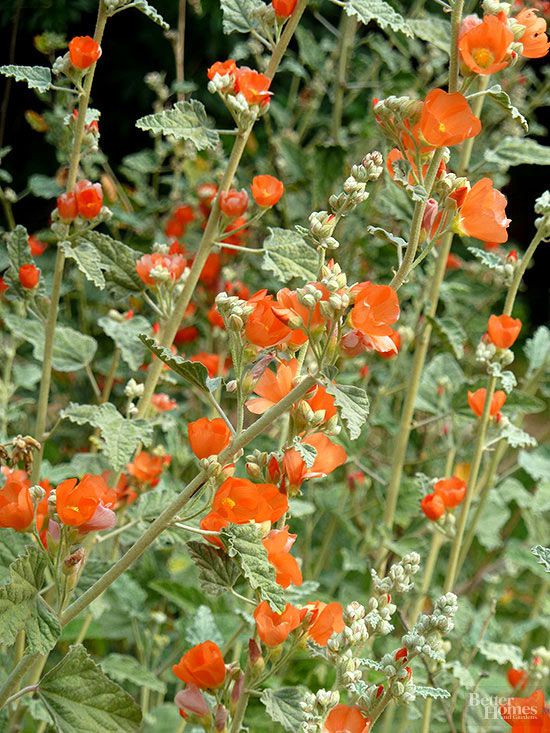
If desert plants had a talent show, desert mallow would absolutely strut onto the stage wearing bright apricot petals and zero concern for the weather. Known botanically as Sphaeralcea ambigua, and often called desert globemallow or apricot mallow, this Southwestern native has a way of making dry landscapes look unexpectedly cheerful. It thrives where many garden divas would immediately file a complaint: rocky ground, blazing sun, lean soil, and long stretches without rain.
That toughness is a big reason desert mallow has become a favorite in xeriscape design, pollinator gardens, native plant landscapes, and restoration projects. But toughness is only half the story. The other half is beauty. The plant’s gray-green, softly fuzzy foliage sets off clusters of cup-shaped flowers that can glow in shades of apricot, orange, pink, rose, lavender, or even white, depending on the form. In bloom, it looks like the desert threw a party and forgot to tell the lawn.
This guide takes a deep dive into what desert mallow is, how to identify it, where it grows, why gardeners love it, and how to help it thrive in real-world landscapes. We will also get honest about its quirks, because this is not a plant that promises year-round glamour. Desert mallow is more like a brilliant performer with excellent timing: when it blooms, it steals the scene.
What Is Desert Mallow?
Desert mallow is a native perennial subshrub in the mallow family, the same broad family that includes hibiscus. It typically forms a rounded clump with many stems rising from the base. Depending on site conditions, it often reaches roughly 2 to 4 feet tall and can spread several feet wide. In especially happy conditions, it may look surprisingly full and energetic; in harsher spots, it stays more compact and wiry.
The leaves are one of its trademarks. They are gray-green to silvery, often triangular or shallowly lobed, and covered in fine star-shaped hairs. Those hairs help give the plant its muted, dusty look, which is not a flaw. In fact, that soft silver cast is part of its drought strategy, reflecting light and helping the plant cope with intense sun and dry air.
The flowers are the showstoppers. Desert mallow usually blooms most heavily in spring, but in many desert climates it can flower again after rain or continue blooming off and on through warm seasons. The blossoms are bowl-shaped, satiny, and cheerful without trying too hard. If your garden needs a plant that looks like sunshine learned how to grow on stems, this is a strong candidate.
Where Desert Mallow Grows Naturally
Desert mallow is native to the American Southwest and nearby parts of Mexico. It is commonly associated with the Mojave and Sonoran deserts, though its range also overlaps with other dry regions and desert-edge habitats. You may find it on dry slopes, roadsides, sandy washes, disturbed ground, desert scrub, and open places where drainage is sharp and the sun is relentless.
That last detail matters. Desert mallow is not merely a plant that “tolerates” tough conditions. It is shaped by them. It often appears in places that have been disturbed by grazing, fire, roadside activity, or construction. In ecological terms, it behaves like an early colonizer in some settings, meaning it can move into open ground quickly and help begin the process of plant recovery. That gives it value beyond ornament: it can also support revegetation and erosion control efforts in dry landscapes.
How to Identify Desert Mallow
Look at the Flower Color
The classic desert mallow look is apricot to orange. That color is so common that many gardeners automatically picture orange when the plant’s name comes up. Still, natural variation exists, and some forms bloom in pink, lavender, red, or white. So if you spot a pale or rosy version, do not assume it is an impostor. Desert mallow likes a little variety in its wardrobe.
Check the Foliage
The leaves should look softly hairy and gray-green rather than glossy and lush. They often appear almost velvety from a distance. This silvery texture is one of the easiest clues that you are looking at a plant adapted to desert life.
Notice the Shape
Many plants form a loose mound or informal shrub with stems that can grow in several directions. In full flower, the blooms rise across the plant or gather near the upper stems. Out of bloom, the plant can appear a little scruffy or wiry, which is normal. Desert mallow is a worker, not a full-time runway model.
Why Gardeners Love Desert Mallow
It Is Built for Drought
Once established, desert mallow is famously water-wise. In many Southwestern gardens, it can live mostly on natural rainfall, though occasional supplemental watering may extend flowering and improve appearance. That makes it a smart choice for drought-tolerant planting, low-water borders, and landscapes designed to reduce irrigation.
It Supports Pollinators
Desert mallow is not just pretty for people. Bees, butterflies, and other pollinators are drawn to it, and the plant is also associated with butterfly and skipper use in some regions. If you want a garden that hums a little, flutters a little, and feels biologically alive, desert mallow earns its keep.
It Fits Native and Xeriscape Designs
Because it is a Southwestern native, desert mallow blends naturally with other dryland plants such as brittlebush, penstemon, yucca, desert marigold, and various salvias. It softens hardscapes, brightens gravel gardens, and adds color to places where green lawns would be both thirsty and slightly ridiculous.
It Has Real Ecological Value
Beyond home gardens, desert mallow is useful in restoration work because it can establish in disturbed soils and help support recovering plant communities. In some desert habitats, it also provides forage or cover value for wildlife. That practical toughness gives the plant more depth than its delicate flowers might suggest.
How to Grow Desert Mallow Successfully
Give It Full Sun
Desert mallow performs best in full sun. Light shade may be tolerated in some climates, especially where summers are punishingly hot, but this is not a plant that wants to spend its life hiding behind a fence pretending it enjoys filtered light. More sun usually means better structure and better bloom.
Prioritize Drainage Over Richness
Good drainage matters far more than rich soil. Desert mallow can grow in sandy, rocky, gravelly, and even somewhat clay-based soils if water does not linger around the roots for too long. It is adapted to lean conditions, so overpampering can backfire. Heavy, constantly wet soil is the sort of kindness this plant politely declines.
Water Wisely
During establishment, regular but moderate watering helps roots settle in. After that, reduce irrigation. Deep, occasional watering is generally better than frequent shallow watering. Too much water can encourage floppy growth and shorten the life of the plant, while modest water usually keeps it healthier and more compact.
Prune for a Better Show
One of the best tips for desert mallow is simple: cut it back periodically. Many growers prune after a major bloom cycle or cut it back hard in the cooler season to encourage fresh, compact growth. This can prevent the plant from looking tired, leggy, or overly woody. Think of it less as punishment and more as a much-needed haircut.
Start from Seed or Nursery Stock
Desert mallow is commonly grown from seed and is also sold as container plants in native nurseries. Seeds can be a bit stubborn because of their hard coat, so germination may improve with pre-treatment such as scarification or other propagation methods suited to native desert species. Once it gets going, though, it can reseed itself with enthusiasm in the right setting.
Common Challenges and Honest Expectations
Let us be kind but truthful: desert mallow is often most beautiful when blooming. Outside peak flower periods, it can look sparse, rough, or downright unimpressed with your aesthetic goals. That does not mean it is failing. It means it is being a desert plant.
Gardeners who understand this tend to love it more, not less. They use it where its bloom display can shine and pair it with plants that carry visual weight during quieter months. Gravel mulch, boulders, bunch grasses, and evergreen desert shrubs all help desert mallow look intentional instead of accidental.
Another challenge is overwatering. People sometimes see a flowering plant and assume it wants lush treatment. Desert mallow responds to that plan the way a cactus would respond to a swimming pool invitation: poorly. Keep conditions bright, open, and fast-draining, and it will usually reward you.
Desert Mallow in Wildlife and Restoration Landscapes
Desert mallow matters in more ways than garden color. Because it can establish in disturbed places, it plays a role in ecological recovery in some arid environments. It has been noted as an early successional species and is often associated with post-disturbance landscapes, including areas recovering from fire. In those places, it helps put living roots back into damaged ground and adds floral resources where they are badly needed.
Wildlife also benefits. Pollinators visit the flowers, certain butterflies and skippers use the plant in their life cycle, and desert tortoise habitat studies have also linked globemallow to food and cover value. In short, this is not just another pretty face in the desert. It is part of a larger ecological conversation happening quietly between soil, insects, heat, wind, and survival.
Landscape Design Ideas for Desert Mallow
Use It as a Burst of Warm Color
The apricot-orange flowers pair beautifully with blue-gray foliage plants, deep green desert shrubs, and purple bloomers. It works especially well in color schemes built around sunset tones.
Plant It With Other Desert Natives
Desert mallow feels at home with penstemons, buckwheats, brittlebush, chuparosa, desert marigold, and native grasses. This kind of planting looks cohesive, uses less water, and supports more local biodiversity.
Give It Room to Be Informal
This is not a crisp boxwood. It looks best in naturalistic plantings, dry borders, desert cottage gardens, and wild-style designs where a slightly loose form feels intentional. If your favorite style is “tidy to the point of suspicion,” place it carefully and plan for pruning.
Experiences Related to Desert Mallow
One of the most interesting things about desert mallow is that people tend to remember their first real encounter with it. Not because it is rare, and not because it behaves dramatically, but because it can look so improbably bright in such an unforgiving place. A hiker sees a wash full of orange bloom after a dry winter and suddenly the desert feels less empty and more alive. A gardener spots a silvery clump at a native plant sale, brings it home almost on impulse, and later realizes it became the plant visitors asked about most. Desert mallow creates that kind of quiet surprise.
Gardeners who grow it often describe a similar pattern of experience. At first, the plant can seem modest. The foliage is soft and attractive, but not flashy. Then bloom arrives, and the entire plant changes personality. It glows. It stops looking like a background native and starts acting like the star of the bed. The flowers catch low sun beautifully, especially in the morning or near sunset, when the apricot tones seem almost lit from within. Suddenly the gravel, stone, and dry mulch around it do not feel harsh anymore. They feel curated.
There is also a lesson in patience with desert mallow. People who are used to lush bedding plants sometimes worry when it looks a little open, woody, or sleepy between bloom cycles. Experienced native plant gardeners usually laugh and say, essentially, “Wait for it.” They know this plant responds to season, rain, pruning, and restraint. The experience of growing it well is often an experience of backing off, watering less, interfering less, and watching more. That can be surprisingly hard for gardeners who enjoy fussing. Desert mallow is one of those plants that gently trains you to stop hovering.
In public landscapes and restoration areas, the experience is different but just as meaningful. Seeing desert mallow return to disturbed ground can make a damaged place feel less hopeless. The plant does not erase the history of fire, grading, or drought, but it does signal recovery. Its flowers bring movement back to a site because insects return first, then observers notice the insects, and suddenly a patch of rough land becomes a living system again instead of a scar.
There is also a sensory side to desert mallow that does not get enough attention. The foliage looks soft, the stems catch light, and the flowers seem almost silky against dusty surroundings. It is a plant that changes with the hour. In harsh midday sun it looks resilient. In early morning it looks delicate. In evening light it can look almost painterly, as if someone added color to the landscape with a brush instead of a seed.
Perhaps the most relatable experience of all is this: desert mallow makes people reconsider what beauty looks like. It is not polished. It is not tropical. It does not promise year-round perfection. But it blooms in hard places, attracts life, and asks for less than many garden favorites. After living with it for a season or two, many people stop seeing it as a “tough native plant” and start seeing it as one of the most charming performers in the whole dry garden. That is a pretty good trick for a plant that is happiest where the hose barely matters.
Conclusion
Desert mallow is one of those rare plants that manages to be both practical and beautiful without becoming high-maintenance about it. It tolerates drought, thrives in sun, supports pollinators, fits naturally into Southwestern landscapes, and adds vivid color where color can be hard to come by. Yes, it can look a little rough around the edges when not in peak bloom. But that is part of its honesty. Desert mallow is adapted, resilient, and wonderfully expressive when conditions are right.
If you want a plant that can handle heat, respect water limits, and still put on a memorable floral show, desert mallow deserves a spot on your list. It is not trying to be a greenhouse celebrity. It is something better: a native desert original with real grit and real charm.