Trigger finger surgery has a funny way of sounding dramatic when the procedure itself is often pretty small. The name makes it seem like your hand is auditioning for an action movie, but what most people really want to know is much more practical: How long until my finger stops catching, when can I get back to normal life, and will this thing actually work?
The good news is that trigger finger release usually has a strong outlook. For many patients, the locking improves quickly, the incision heals within a couple of weeks, and everyday activities come back sooner than expected. The less-good-but-still-manageable news is that recovery is not always instant. Even after a successful operation, swelling, scar tenderness, stiffness, and weird little “why is my finger still grumpy?” moments can hang around longer than people expect.
If you are preparing for surgery, helping someone recover, or just researching what comes next, this guide walks through the real recovery timeline after trigger finger surgery, what affects healing, what outcomes are typical, and what recovery often feels like in real life. No medical melodrama. No robotic fluff. Just a clear look at trigger finger surgery recovery time and outlook.
What trigger finger surgery actually does
Trigger finger happens when the tendon that bends your finger cannot glide smoothly through its sheath. Instead of moving like a zipper on a good day, it catches, clicks, or locks. That catching often happens near the A1 pulley, a tight band of tissue at the base of the finger or thumb.
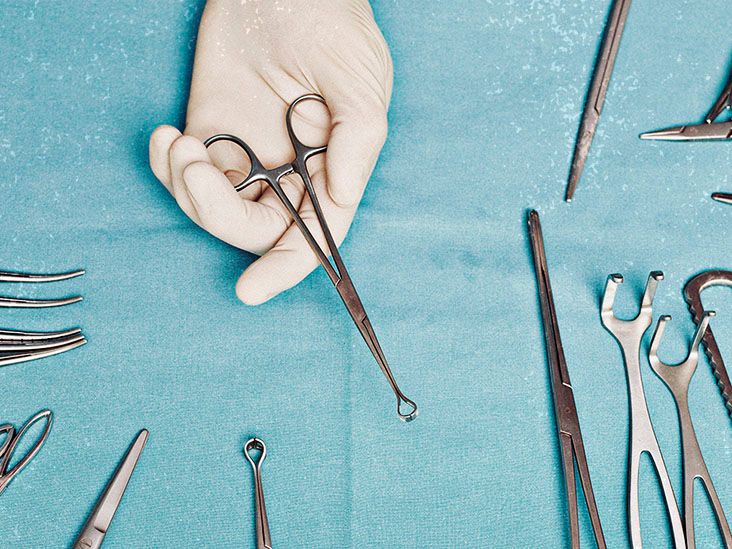
When rest, splinting, anti-inflammatory measures, or steroid injections do not solve the problem, a surgeon may recommend trigger finger release. In the most common version, the surgeon makes a small incision in the palm and releases the tight part of the tendon sheath. In select cases, a percutaneous release may be done with a needle and no formal incision.
Either way, the goal is simple: give the tendon enough room to glide without snagging. If all goes well, the finger can bend and straighten more freely, and the painful locking starts to fade into memory rather than running your day like an unwanted manager.
Who usually needs surgery?
Not everyone with trigger finger needs an operation. Many people improve with activity changes, splinting, or a corticosteroid injection. Surgery is usually considered when symptoms keep returning, the finger is stuck, pain is interfering with work or sleep, or conservative treatment has stopped being helpful.
In plain English, surgery enters the chat when the finger refuses to behave and the non-surgical options have already had their chance.
Trigger finger surgery recovery time: a realistic timeline
Day 0 to Day 3: the finger is free, but the hand is not thrilled
Right after surgery, many patients notice that the locking is dramatically better. That can feel almost magical. What does not feel magical is the soreness in the palm, the dressing, and the slightly awkward sensation that your hand has been through a small but very real event.
During the first few days, mild to moderate pain, swelling, and stiffness are common. The hand may feel puffy, the incision may feel tender, and bending the finger can seem strange even if the triggering itself is gone. Elevating the hand and following your surgeon’s instructions for dressings, pain control, and gentle movement matter a lot here.
Many surgeons encourage gentle finger motion early to prevent stiffness. That does not mean you should immediately celebrate by opening pickle jars, carrying grocery bags like a hero, or deep-cleaning the kitchen out of pure optimism. Gentle motion is good. Aggressive gripping is not.
Week 1 to Week 2: incision care becomes the main character
By the end of the first week, many people are doing better with light daily tasks. The incision is still healing, though, so this phase is about balance. You want the finger moving, but you also want to protect the wound from getting wet, irritated, or infected.
Stitches are often removed around 1 to 2 weeks after surgery, depending on the surgeon’s technique and your healing progress. Around this point, many patients can type a bit more comfortably, use utensils normally, and handle very light household tasks. Scar tenderness, however, may still make pressure on the palm feel annoyingly sharp. A handshake might be fine. Leaning hard on your palm on a countertop might not be.
If your job is mostly desk-based and does not require forceful gripping, you may return surprisingly quickly. Some people are back in a day or two. If your work involves tools, lifting, vibration, repetitive squeezing, or heavy manual tasks, recovery is usually longer.
Weeks 3 to 6: function improves, but patience still matters
This is the phase when many people start saying, “It’s much better, but not 100% yet.” That is normal. The finger usually moves more smoothly, pain has eased, and the incision is closing up well. But the hand may still feel stiff first thing in the morning, and the palm can remain tender with pressure.
For many patients, about 6 weeks is an important milestone. By then, the finger has often healed enough for much more normal use. Light activities usually feel easier well before this point, but heavier, repetitive, or more demanding hand use may take most of this window to feel comfortable again.
If you are a mechanic, chef, hairstylist, gardener, warehouse worker, musician, or anyone whose hand basically pays the bills, this part matters. You may technically be “healed” before the hand feels fully trustworthy under load. That is not failure. That is real-life recovery.
Two to six months: the long tail of healing
This is the part many people do not expect. The incision may heal within a few weeks, but stiffness, swelling, numbness near the scar, sensitivity in the palm, or a firm feeling under the skin can last much longer. Some patients improve steadily for four to six months.
That sounds annoying because it is a little annoying. But it does not usually mean the surgery failed. It often means the deeper tissues are still calming down, scar tissue is remodeling, and the hand is adjusting to moving normally again.
People who had severe triggering before surgery, limited motion for a long time, diabetes, or more demanding hand use may notice this longer recovery tail more than others.
What affects recovery time after trigger finger surgery?
The type of work you do
This is one of the biggest practical factors. A person who answers emails can often return much sooner than someone who grips tools, lifts boxes, or performs repetitive hand-intensive work. Two people can have the same surgery and very different “back to normal” dates simply because their jobs ask very different things from the hand.
How severe the trigger finger was before surgery
If the finger had been locking hard, staying bent, or losing motion for a long time, recovery may be slower. The operation can release the pulley, but it cannot instantly erase months of stiffness. If a contracture or loss of motion existed before surgery, full range of motion may not return immediately, and sometimes not completely.
Whether you have diabetes or other healing challenges
Diabetes is strongly associated with trigger finger in the first place, and it can also complicate recovery. Some studies link diabetes with a greater chance of wound problems, slower recovery of motion, or recurrence. That does not mean people with diabetes should expect a poor result. It means expectations should be realistic and follow-up should be taken seriously.
Scar sensitivity and swelling
Some patients breeze through recovery. Others find that the scar becomes the world’s smallest but most opinionated source of discomfort. A healed incision is not always a comfortable one right away. Scar sensitivity, firmness, or tenderness can make it feel like the surgery “still hurts,” even though the underlying trigger finger is much improved.
Whether you need hand therapy
Not everyone needs formal therapy after trigger finger release. But if swelling, pain, stiffness, or weakness linger, hand therapy can help. It may also be especially useful for people who had symptoms for a long time, have trouble regaining motion, or need fine control for work or hobbies.
Outlook after trigger finger surgery
The overall outlook is usually very good. Trigger finger release is widely considered an effective treatment, especially when injections or other conservative measures have not solved the problem. Many patients experience major improvement in locking, pain, and hand function.
One of the most encouraging things about the procedure is that the mechanical problem often improves quickly. If your finger used to click, catch, or freeze halfway through movement, that symptom often settles down much faster than all the surrounding soreness. In other words, the trigger may be gone while the recovery still has a little paperwork left to finish.
That said, a good outlook does not always mean a perfect hand by next Tuesday. Some patients still have stiffness, mild swelling, scar tenderness, or incomplete motion for a period of time. Others had so much preoperative stiffness that full motion never quite returns. The surgery is excellent at removing the roadblock, but it cannot always undo every mile of traffic that built up before it.
Still, in the big picture, most people do well. Large outcome studies have found that complications are usually minor and often managed without another operation. Meaningful improvement in hand function is common, and only a small minority of patients need additional surgical treatment.
Common concerns during recovery
“My finger still feels stiff. Is that normal?”
Usually, yes. Stiffness can last for weeks or even months. It is one of the most common complaints after surgery, especially in the morning or after heavier use.
“The locking is gone, but my palm is sore.”
Also common. Palm soreness and scar tenderness can linger longer than people expect. Pressing directly on the incision, gripping hard, or leaning on the palm may feel uncomfortable for a while even when finger motion is much better.
“I have numbness or tingling near the incision.”
A little numbness or tingling near the cut can happen early on and often improves. If it is worsening, spreading, or paired with significant weakness, that deserves a call to your surgeon.
“I thought I would be fine in two weeks. Why am I not?”
Because recovery timelines are averages, not promises. Two weeks may be enough for the skin to look much better, but deeper tissue healing, swelling, scar remodeling, and return of confidence with gripping can take longer.
Possible complications to watch for
Serious complications after trigger finger surgery are uncommon, but they are not fictional. Potential problems include infection, digital nerve irritation or injury, persistent or recurrent triggering, prolonged stiffness, scar tenderness, delayed wound healing, and, rarely, the need for revision surgery.
Call your surgeon if you notice worsening redness, drainage, fever, severe swelling, increasing pain instead of gradual improvement, inability to move the finger, or symptoms that suddenly go backward after seeming to improve.
Think of recovery like a generally upward-sloping line with a few bumps, not like a rocket launch. Improvement should trend forward. If it is sharply reversing, it is worth getting checked.
Tips for a smoother recovery
- Move the finger gently as instructed to reduce stiffness.
- Keep the incision clean and protected while it heals.
- Elevate the hand early on to help with swelling.
- Avoid heavy gripping, vibration, and repetitive strain until your surgeon clears you.
- Do not ignore persistent stiffness or scar sensitivity; hand therapy may help.
- Be realistic if your work depends on grip strength, fine dexterity, or pressure through the palm.
- If you have diabetes, follow wound care closely and keep follow-up appointments.
What recovery often feels like in real life
Here is the part many articles skip: the lived experience of recovery is often less about dramatic pain and more about a series of tiny frustrations mixed with steady wins. A lot of people wake up after surgery and notice the finger is no longer locking in the same way. That is a huge relief. But then they try to twist a doorknob, open a jar, shake hands, type for an hour, hold a steering wheel, or pull up socks, and suddenly they realize their hand is not quite ready to rejoin society at full speed.
In the first week, recovery often feels awkward more than alarming. The hand may be sore, puffy, and clumsy. You may protect it without even realizing it. People sometimes describe this stage as feeling like they “have a bruise in the palm” or “just do not trust the finger yet.” The finger moves, but your brain has not fully updated to the new rules. After weeks or months of catching and guarding, it takes time to believe the tendon will actually glide.
By the second week, many patients feel encouraged because daily life gets easier. Buttoning a shirt may be less annoying. Holding a fork feels more normal. Typing is possible, though not always fun. The incision starts looking less dramatic, which does wonders for morale. On the other hand, this is also when people get a little too confident and try to do normal-person things with full normal-person enthusiasm. That is when the palm reminds them that healing tissue does not care about optimism.
Weeks three through six are often the most psychologically confusing. You are clearly better, but not entirely finished. The triggering may be gone, yet the scar can still feel thick or sensitive. Morning stiffness may show up even after a pretty good day before. Gripping a coffee mug might be fine, while carrying grocery bags feels unexpectedly rude. This is also when manual workers, athletes, musicians, and people with hand-heavy hobbies start testing the limits. A desk worker may feel nearly done, while a carpenter may think, “This is taking forever.” Both can be right.
Another very common experience is the mismatch between outside healing and inside healing. Friends or family may look at the hand after a couple of weeks and assume the problem is over because the incision is tiny. Meanwhile, the patient still feels tenderness pressing into the palm, sensitivity around the scar, and a strange tightness when making a full fist. Small surgery does not always mean tiny recovery feelings.
There is also the emotional side. People with trigger finger often change how they use the hand long before surgery. They avoid certain grips, brace for pain, or use the other hand more. Recovery is partly physical, but it is also a retraining period. You are not just healing tissue; you are relearning trust in movement. That is why some patients feel a little discouraged if the finger is technically better but still feels stiff or vulnerable. Improvement is real, but confidence sometimes arrives on a slower train.
The reassuring part is that most of these experiences fit a normal recovery arc. The story is usually not “I had surgery and instantly forgot about my hand forever.” It is more often “the locking improved first, then the soreness settled, then the scar calmed down, then I slowly stopped thinking about it.” That final stage is the real victory: when you open doors, hold a pen, grip the wheel, cook dinner, or pull weeds in the yard without your finger demanding a performance review.
Final thoughts
Trigger finger surgery recovery time is usually measured in stages, not one magic date. Many people regain light function quickly. The incision often heals in a couple of weeks. The finger may feel substantially better by six weeks. But complete comfort, scar settling, and full confidence with heavier use can take several months.
The outlook is generally strong. Most patients get meaningful relief from locking and pain, and most complications are minor when they happen. The key is knowing what “normal recovery” actually looks like so you do not mistake slow-but-steady healing for failure.
In other words, if your trigger finger has been acting like a tiny tyrant, surgery often does a very good job of removing its authority. Just give the recovery process enough time to finish the job.