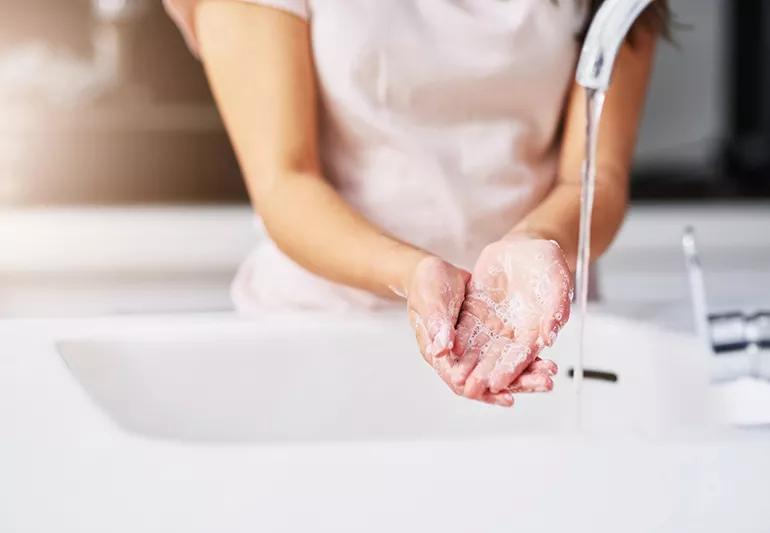
Bathroom handwashing may feel like the most basic rule in the hygiene handbook, somewhere between “wear clean socks” and “do not lick the subway pole.” Yet this simple habit carries serious public-health power. Washing your hands with soap and water after using the bathroom helps prevent invisible germs from traveling from the toilet to your phone, food, face, family, coworkers, and nearly everything else you touch.
The process takes about 20 seconds. That is shorter than most online advertisements, less painful than a stomach bug, and considerably cheaper than a visit to urgent care. Here is why washing your hands after using the bathroom matters, how germs spread, and how to clean your hands correctly without turning the sink area into a science experiment.
Why Should You Wash Your Hands After Using the Bathroom?
The main reason is straightforward: human waste can contain microorganisms capable of causing disease. After using a toilet, tiny amounts of fecal material may reach your hands even when they look completely clean. Germs can also be picked up from toilet handles, stall locks, faucets, countertops, diaper-changing stations, and bathroom doors.
Once germs are on your hands, they have plenty of transportation options. You may touch your mouth, rub your eyes, prepare a sandwich, shake someone’s hand, pass a toy to a child, or grab the communal coffee pot. In other words, unwashed hands can become a free rideshare service for microbesand the passengers do not tip.
Washing with soap and running water physically loosens dirt, oils, organic material, and microorganisms from the skin. Rinsing then carries much of that contamination down the drain. Handwashing does not make your hands permanently sterile, nor should it. It simply reduces harmful contamination at a moment when the risk of spreading it is particularly high.
Evidence basis: CDC recommends washing after every toilet use because germs in feces can spread between people.
Bathroom Germs Are Invisible, Not Imaginary
A clean-looking hand is not necessarily a clean hand. Disease-causing microorganisms are far too small to see without specialized equipment. They do not announce themselves with flashing lights, suspicious odors, or tiny villain mustaches.
Fecal material can carry bacteria, viruses, and parasites. Depending on the circumstances, these may include strains of Escherichia coli, Salmonella, Shigella, norovirus, hepatitis A virus, Giardia, and other pathogens associated with gastrointestinal illness.
How Germs Move From the Bathroom to the Rest of Your Day
Imagine that someone uses the bathroom and skips the sink. The person opens the restroom door, checks a phone, pushes an elevator button, handles a menu, and reaches into a bowl of shared snacks. Each touch creates another opportunity for contamination to move.
The next person does not have to enter the bathroom to encounter those germs. That is why hand hygiene is not merely a private choice. It is a small act of community protection.
The Fecal-Oral Route Explained Without Ruining Lunch
Many gastrointestinal infections spread through what health professionals call the fecal-oral route. This occurs when microorganisms originating in feces eventually enter another person’s mouth. The route may involve contaminated hands, food, water, utensils, toys, or frequently touched surfaces.
No one intentionally orders this delivery. It usually happens through ordinary actions such as eating with unwashed hands, biting fingernails, sharing food, or touching the face. Washing after using the bathroom helps break the chain before germs reach their next destination.
What Illnesses Can Proper Handwashing Help Prevent?
Bathroom handwashing is especially important for reducing the spread of diarrheal diseases, but its benefits are not limited to the digestive system. Hands also transfer respiratory secretions and other infectious material throughout the day.
Stomach and Intestinal Infections
Norovirus is a classic example. It is highly contagious and can cause sudden vomiting, diarrhea, stomach cramps, and general regret about every decision made during the previous 24 hours. Soap and water are particularly important because alcohol-based hand sanitizer does not work as well against norovirus.
Shigella, certain forms of E. coli, Salmonella, and parasites such as Giardia may also spread when contaminated hands reach food, mouths, or shared objects. Handwashing is not a perfect shield, but it is one of the most practical barriers available.
Clostridioides difficile
Clostridioides difficile, commonly called C. diff, can cause severe diarrhea and intestinal inflammation. Its spores are difficult to remove with alcohol-based sanitizer alone. The Centers for Disease Control and Prevention recommends soap-and-water handwashing, especially after bathroom use and before eating, when someone has C. diff or is caring for an infected person.
Respiratory Illnesses
Although respiratory infections frequently spread through the air, hands still play a role. A person may cough into a hand, touch a restroom fixture, and leave germs for the next visitor. That visitor may then touch the nose, mouth, or eyes.
Research reviews have found that handwashing programs reduce gastrointestinal illness and can also lower respiratory infection risk. The exact effect varies by setting and behavior, but the overall message is remarkably stable: cleaner hands interrupt transmission.
Systematic reviews associate handwashing promotion with substantial reductions in diarrheal disease and more modest reductions in respiratory infections.
Why Soap and Water Work Better Than a Quick Rinse
Holding your fingertips under running water for three seconds is not handwashing. It is more like giving the germs a brief shower before returning them to work.
Soap contains molecules that interact with water on one end and oils on the other. This helps loosen oily material, dirt, and microorganisms attached to the skin. Rubbing creates friction that dislodges contamination from palms, fingertips, thumbs, the backs of the hands, and the spaces between fingers.
Running water then carries the loosened material away. Without soap and adequate rubbing, many germs and particles may remain on the skin.
Does the Water Need to Be Hot?
No. Clean running water may be warm or cold. Water hot enough to kill germs would also be hot enough to hurt your skin, which is not a sensible hygiene strategy. Comfortable water is more likely to encourage thorough washing and is less likely to contribute to dryness.
Do You Need Antibacterial Soap?
For routine household handwashing, plain soap is generally enough. The U.S. Food and Drug Administration has stated that there is not sufficient evidence showing over-the-counter antibacterial soaps prevent illness more effectively than plain soap and water.
The technique matters more than a dramatic label promising “ultimate microscopic destruction.” Use a soap you will use consistently, scrub properly, and rinse thoroughly.
FDA guidance says consumer antibacterial soaps have not been shown to prevent illness better than plain soap and water.
How to Wash Your Hands Correctly After Using the Bathroom
Effective handwashing does not require special equipment, an advanced degree, or a motivational speech from a bar of soap. Follow these five steps:
-
Wet your hands with clean running water.
Warm or cold water is acceptable. -
Apply soap and build a lather.
Rub your palms together, then cover the backs of your hands. -
Scrub for at least 20 seconds.
Clean between your fingers, around your thumbs, near your wrists, at your fingertips, and under your nails. -
Rinse under clean running water.
Let the water carry away the loosened dirt, soap, and germs. -
Dry your hands completely.
Use a clean towel, disposable paper towel, or air dryer.
Twenty seconds can feel surprisingly long when you are standing at a sink. Hum a short song, count slowly, or mentally review whether you turned off the stove. The important point is to give the soap and friction enough time to reach the areas commonly missed.
Do Not Forget the Thumbs and Fingertips
People often scrub their palms while neglecting their thumbs, fingertips, fingernails, and the spaces between fingers. Unfortunately, those are also the parts frequently involved in touching phones, faces, food, door handles, and keyboards.
Rub each thumb with the opposite hand. Scrub your fingertips against the opposite palm. Keep fingernails reasonably short and clean, especially when preparing food or caring for someone vulnerable to infection.
Why Drying Matters
Wet hands transfer microorganisms more easily than dry hands. Drying is therefore part of handwashing, not an optional bonus round. Current evidence does not establish one universally superior drying method for every setting, so the practical goal is simple: use the available clean method and dry your hands completely.
CDC’s recommended sequence is wet, lather, scrub for 20 seconds, rinse, and dry; wet hands can transfer germs more readily.
Is Hand Sanitizer Enough After Using the Toilet?
Hand sanitizer is useful when soap and water are unavailable, but it should not routinely replace bathroom handwashing when a working sink is nearby.
An alcohol-based sanitizer containing at least 60% alcohol can quickly reduce many germs. However, sanitizer does not remove dirt and organic material as effectively as washing. It also does not work equally well against every microorganism.
Soap and water are more effective for removing certain bathroom-associated germs, including norovirus, Cryptosporidium, and C. difficile. Sanitizer may serve as a temporary backup when there is genuinely no sink, but wash with soap and water as soon as practical.
When Sanitizer Is a Reasonable Backup
Sanitizer can be helpful when using portable toilets, traveling, camping, or visiting a facility where the sink is unexpectedly out of service. Apply enough product to cover every hand surface and rub until dry.
Do not wipe sanitizer off while it is still wet. Do not use a tiny decorative droplet and expect superhero-level protection. Follow the amount listed on the product label.
CDC recommends sanitizer with at least 60% alcohol only when soap and water are unavailable and notes that it is less effective against norovirus, C. difficile, and some parasites.
Common Excuses for Skipping the Sink
“I Did Not Touch Anything Dirty”
You cannot reliably see microscopic contamination. Using toilet paper creates a barrier, but it does not guarantee that your hands remain uncontaminated. You may also touch the flush handle, door lock, faucet, or another bathroom surface.
“It Was Only a Quick Bathroom Visit”
Germs do not check how long you stayed. Handwashing recommendations apply after urination as well as after a bowel movement because bathroom use involves contact with the body and shared surfaces.
“My Hands Look Clean”
Appearance is not a laboratory test. A hand may look spotless while carrying microorganisms capable of spreading illness.
“I Washed Earlier”
Handwashing is tied to events, not a daily quota. Washing before entering the bathroom does not cover what happens during the visit.
“I Do Not Have Time”
A proper wash takes roughly 20 seconds of scrubbing. A stomach illness can cost hours or days. The time-management argument is not particularly competitive.
Why Bathroom Handwashing Matters Before Handling Food
The path from bathroom to kitchen can be dangerously short. A person who skips handwashing may contaminate refrigerator handles, spice containers, cutting boards, utensils, produce, and ready-to-eat meals.
Foods that will not be cooked again are especially concerning because there may be no later heating step to reduce contamination. Sandwiches, salads, fruit, pastries, ice, garnishes, and shared snacks can all be handled directly.
This is why food-safety guidance consistently instructs people to wash after using the bathroom and before preparing, serving, or eating food. Professional food workers are expected to follow strict hand-hygiene requirements, but the same principle applies in home kitchens.
Gloves do not erase the need for handwashing. Hands may contaminate gloves while they are being put on, and gloves can spread germs from one surface to another. Gloves are tools, not magical force fields.
FDA and USDA food-safety guidance calls for 20-second handwashing after bathroom use and before food handling.
Protecting Children, Older Adults, and Vulnerable People
Anyone can become sick from contaminated hands, but the consequences may be more serious for young children, older adults, pregnant people, and individuals with weakened immune systems or chronic health conditions.
Children may need supervision because they often rush, use too little soap, or become distracted by bubbles, mirrors, automatic faucets, and the urgent need to return to whatever game they abandoned.
Caregivers should model the full routine and make soap and clean drying materials easy to reach. A step stool, child-friendly reminder, or short handwashing song can turn the behavior into a predictable habit rather than a daily negotiation.
Handwashing is also essential after changing diapers, assisting another person with toileting, cleaning a toilet, handling soiled clothing, or helping someone who has diarrhea or vomiting.
How to Build a Reliable Handwashing Habit
The best hygiene routine is the one performed automatically. Instead of relying on motivation, connect handwashing to a fixed cue: flush, approach the sink, wash, dry, and then leave.
- Keep soap dispensers filled and easy to operate.
- Replace damp or visibly dirty household towels.
- Carry sanitizer for emergencies, not as a permanent sink substitute.
- Post a simple reminder in shared or workplace bathrooms.
- Teach children through repetition and example rather than lectures.
- Moisturize afterward if frequent washing causes dry skin.
People are much more likely to wash when the bathroom provides soap, clean water, and a practical drying method. Homes, schools, restaurants, workplaces, and public facilities all share responsibility for making good hygiene easy.
Everyday Experiences That Show Why Handwashing Matters
The importance of handwashing becomes easier to understand when we follow what happens in ordinary life. Consider a busy parent helping a toddler use the restroom in a restaurant. The parent adjusts the child’s clothing, touches the toilet handle, picks up a dropped toy, and opens the stall door. Even if nothing looks dirty, several opportunities for contamination have occurred. A complete handwash for both parent and child creates a clean break before they return to the table and begin handling bread, utensils, and cups.
Now picture an employee hurrying between meetings. The person visits the restroom, glances at the clock, and decides that a two-second rinse will have to do. Minutes later, the same hands touch a shared conference-room remote, a coffee-machine button, and a bowl of candy. One rushed decision has created several possible transfer points. Nobody in the meeting knows where those hands have been, which is probably best for workplace morale, but the microorganisms are not concerned with office etiquette.
Another familiar experience occurs during a family stomach bug. One person becomes sick, and soon another family member develops the same symptoms. The infection may have spread through direct care, bathroom fixtures, laundry, food preparation, or shared household objects. During illnesses involving vomiting or diarrhea, careful soap-and-water handwashing becomes especially important. Cleaning high-touch bathroom surfaces and avoiding food preparation while sick can provide additional protection.
Travel offers another lesson. A highway rest stop may have a crowded restroom, an empty soap dispenser, or a hand dryer surrounded by impatient travelers. Carrying sanitizer is useful for these moments, but it is still wise to use soap and water whenever they are available. Sanitizer can reduce many germs, yet it is not equally effective against every organism associated with gastrointestinal disease.
Home bathrooms create a false sense of security because the users are familiar. Someone may think, “It is my bathroom, so the germs are mine.” Unfortunately, microorganisms do not become harmless because they have a familiar mailing address. Family members share faucets, towels, doorknobs, light switches, toothpaste, toys, and food. Washing protects the entire household, including people who may be more vulnerable to infection.
Handwashing also matters during cooking. Imagine returning from the bathroom and immediately seasoning raw vegetables for a salad. Because the salad will not be cooked, anything transferred from the hands may remain on the food. Washing after the bathroom and again before food preparation adds only a small delay, but it closes an obvious route of contamination.
Public restrooms sometimes create an awkward final challenge: the exit door. After carefully washing and drying, a person may need to pull a handle touched by visitors who skipped the sink. Where practical, a paper towel can be used to operate the handle and then discarded. However, there is no need to perform acrobatics, kick open doors, or develop a lifelong fear of handles. Good routine handwashing, reasonable surface awareness, and avoiding unnecessary face touching provide a practical balance.
The most revealing experience may be watching children learn the habit. At first, they forget soap, splash water everywhere, and declare victory after four seconds. With repetition, the sequence becomes automatic. That is the real goal for adults as well: not perfection, panic, or obsession, but a reliable response after every bathroom visit.
Conclusion: Twenty Seconds That Protect More Than You Think
Washing your hands after using the bathroom is one of the simplest ways to reduce the spread of gastrointestinal and respiratory infections. It removes contamination that cannot be seen and helps stop germs from reaching food, faces, shared surfaces, and other people.
Use clean running water, ordinary soap, and at least 20 seconds of thorough scrubbing. Clean the palms, backs of the hands, thumbs, fingertips, spaces between fingers, and areas under the nails. Rinse well and dry completely.
Hand sanitizer is a valuable backup when no sink is available, but it should not routinely replace soap and water after bathroom use. Some germs, including norovirus and C. difficile, are better addressed through proper washing.
The bathroom may be private, but the consequences of skipping the sink are surprisingly social. Wash your hands every time. Your household, coworkers, dinner guests, and shared bowl of chips will quietly appreciate it.