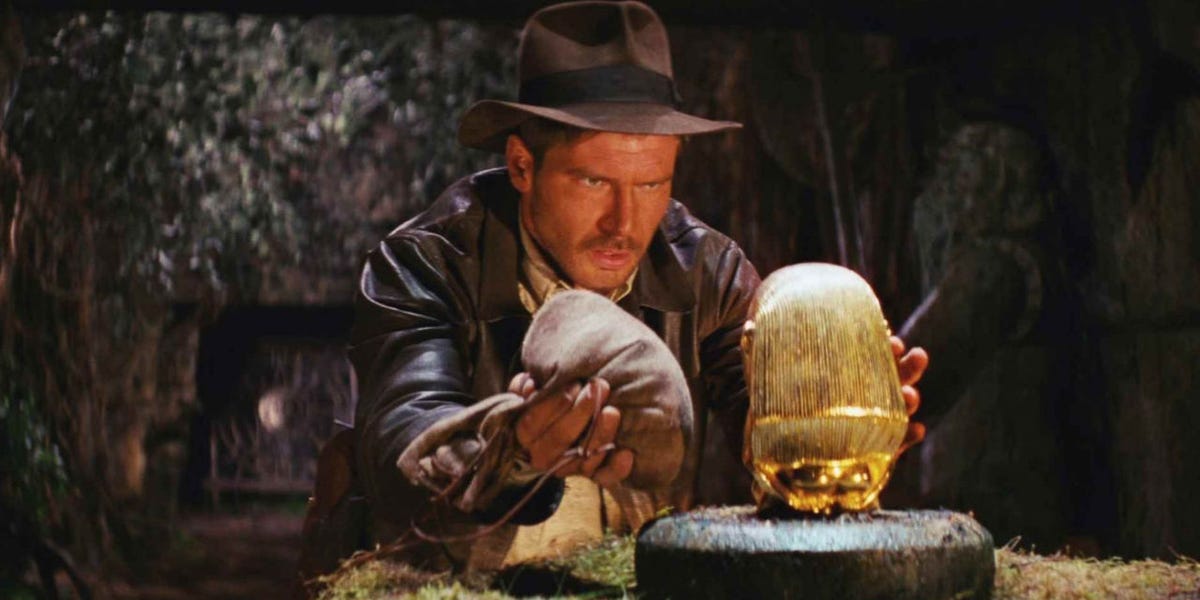
Some questions sound simple until you actually try to answer them. “What’s the greatest lost treasure in the world?” is one of those questions. At first, the brain reaches for the obvious: gold, diamonds, emeralds, a sunken ship, maybe a dramatic map with an X on it and one suspiciously cheerful parrot. But the greatest lost treasure is not always the most expensive. Sometimes it is the most mysterious. Sometimes it is the most historically important. Sometimes it is the one that makes scholars, divers, governments, and conspiracy theorists all lean forward at the same time.
Lost treasure stories survive because they sit at the perfect intersection of history and imagination. They involve real wars, real ships, real palaces, real stolen art, and real people who made very risky decisions in very bad weather. They also involve gaps in the record big enough to sail a galleon through. That is where the legends move in, unpack their suitcases, and get comfortable.
So, what is the greatest lost treasure in the world? The best answer is this: if we measure by cultural value, the Amber Room may be the greatest lost treasure. If we measure by potential monetary value and adventure-movie drama, the Flor de la Mar and the San José galleon are serious contenders. If we measure by religious significance, the Ark of the Covenant is in a category of its own.
In other words, there is no single crown unless we first decide what the crown is made of. Gold? History? Faith? Mystery? Let’s open the treasure chest carefully.
What Makes a Lost Treasure “Great”?
A lost treasure becomes “great” when it is more than a pile of valuables. Gold is exciting, of course, but gold alone does not make a legend. The greatest lost treasures usually share several traits: extraordinary value, historical importance, uncertain location, strong documentation, and a mystery that refuses to retire.
A chest of coins lost in a river may be valuable. A shipwreck carrying the wealth of an empire is historic. A sacred object mentioned in ancient religious tradition is something else entirely. And a palace chamber made from amber panels, gold leaf, mirrors, and precious stones that vanished during World War II? That is not just treasure. That is a missing masterpiece.
The Amber Room: The Greatest Lost Treasure by Cultural Value
If we are looking for the most haunting lost treasure in the world, the Amber Room deserves the top spot. Often called the “Eighth Wonder of the World,” the Amber Room was an 18th-century chamber decorated with carved amber, gold leaf, mirrors, and gemstones. It was originally created in Prussia and later given to Peter the Great of Russia. Eventually, it was installed in the Catherine Palace near St. Petersburg, where it became one of the most spectacular interiors in Europe.
Then came World War II. In 1941, Nazi forces looted the room, dismantled its amber panels, and transported them to Königsberg, now Kaliningrad. After that, the trail becomes foggy. Some historians believe the Amber Room was destroyed during the final months of the war, especially during bombing and fires around Königsberg. Others believe parts of it were hidden in mines, bunkers, underground tunnels, or even loaded onto a ship. Treasure hunters have been chasing those possibilities for decades.
Why the Amber Room Still Captures the Imagination
The Amber Room is not just valuable because it may be worth hundreds of millions of dollars. It is valuable because it represents a lost artistic achievement. Amber is not easy to carve, and the room was not a simple display case. It was a glowing architectural jewel box, a room designed to impress emperors, ambassadors, and anyone lucky enough not to be wearing muddy boots.
Its disappearance also connects to the larger story of Nazi looting. During World War II, countless artworks, religious objects, books, and cultural treasures were stolen, hidden, sold, or destroyed. The Amber Room became one of the most famous symbols of that loss. A reconstruction was completed at the Catherine Palace in 2003, but the original remains missing. That distinction matters. A replica can show us what was lost, but it cannot become the lost thing itself.
The Flor de la Mar: The Greatest Lost Treasure at Sea?
If the Amber Room is the greatest lost treasure by cultural power, the Flor de la Mar may be the greatest by classic treasure-hunting standards. The name means “Flower of the Sea,” which sounds elegant until you remember that this flower sank during a storm while allegedly carrying a fortune.
The Flor de la Mar was a Portuguese carrack built in the early 1500s. After the Portuguese conquest of Malacca in 1511, the ship was reportedly loaded with plundered wealth, royal gifts, gold, jewels, and other treasures intended for Portugal’s king. While sailing near Sumatra, the ship was caught in a violent storm, wrecked, and sank. Many lives were lost, and the treasure disappeared with the ship.
The legend has grown for more than 500 years. Some accounts describe the cargo as one of the richest ever lost at sea. The exact location of the wreck remains uncertain, and possible claims from Portugal, Indonesia, and Malaysia complicate the story. Even if the ship were found, recovery would not be as simple as “bring a boat, grab the gold, high-five.” Modern maritime archaeology involves law, ethics, conservation, national heritage, and the fact that centuries-old shipwrecks do not appreciate being treated like underwater ATMs.
Why the Flor de la Mar Is So Hard to Find
The ocean is very good at hiding things. Currents shift wreckage, storms scatter cargo, sediment covers remains, and early 16th-century records are not exactly GPS coordinates. The Strait of Malacca is also one of the busiest maritime regions in the world, and underwater searches can be expensive, dangerous, and politically sensitive.
That is part of the attraction. The Flor de la Mar has everything a lost treasure story needs: empire, conquest, a doomed voyage, a storm, a missing wreck, and enough rumored wealth to make calculators nervous. If someone ever identifies the wreck with confidence, it would be one of the biggest maritime archaeology stories in history.
The San José Galleon: The “Holy Grail” of Shipwrecks
The Spanish galleon San José is often called the “Holy Grail of shipwrecks,” and unlike many legendary treasures, this one has actually been located. The San José sank in 1708 near Cartagena, Colombia, during the War of the Spanish Succession. It was carrying gold, silver, emeralds, and other valuables from the Spanish colonies. Estimates of its cargo value have reached into the billions of dollars.
The wreck was discovered in 2015, but discovery did not end the story. It began a new chapter involving archaeology, national ownership, legal claims, colonial history, and the rights of communities whose ancestors mined the wealth under forced or exploitative systems. Colombian scientists have begun recovering selected artifacts for study, including items such as coins, a cannon, and ceramics, but the broader question remains: is the San José a treasure chest or a protected historical site?
Why the San José Matters Beyond Money
The San José is not only a story about gold. It is a story about empire. The precious metals and gems aboard were part of a colonial economy that connected South American mines, Spanish power, European wars, and global trade. That makes the wreck historically rich even before anyone counts a single coin.
This is why modern archaeologists often push back against the phrase “treasure hunting.” Shipwrecks are time capsules. A coin can be sold, but its position in a wreck site can also reveal trade routes, shipboard life, battle damage, cargo organization, technology, and human stories. Once a site is disturbed without proper documentation, information can be lost forever. That is the real treasure, and it does not fit neatly into a display case.
The Ark of the Covenant: The Greatest Lost Treasure by Spiritual Significance
Then there is the Ark of the Covenant, which changes the entire conversation. According to Jewish and Christian tradition, the Ark was a sacred chest associated with the Tablets of the Law and the presence of God. It was kept in the Holy of Holies in Solomon’s Temple in Jerusalem. Its final fate remains unknown, and traditions differ widely.
Some traditions suggest the Ark disappeared around the Babylonian destruction of Jerusalem in 586 BCE. Other claims place it in Ethiopia, particularly in Aksum, where church tradition holds that it has been guarded for centuries. Scholars generally agree that no publicly verified evidence has confirmed the Ark’s current location.
The Ark’s value cannot be measured like a shipwreck cargo. You cannot put a clean auction estimate on an object of enormous religious meaning. Even calling it “treasure” feels too small. If it exists and were ever authenticated, it would be one of the most significant archaeological and religious discoveries in human history. It would also create complicated questions about ownership, access, faith, and preservation.
Other Famous Lost Treasures Worth Knowing
The Lost Dutchman’s Gold Mine
In the United States, few lost treasure legends are as persistent as the Lost Dutchman’s Gold Mine. The story centers on the Superstition Mountains of Arizona and a German immigrant named Jacob Waltz, often called “the Dutchman.” According to legend, Waltz discovered or knew of a rich gold mine and kept its location secret. Searchers have been looking for it for more than a century.
Arizona’s Lost Dutchman State Park is named after the legend, and the surrounding desert landscape has become part of the myth. But the story is also a reminder that treasure hunting can be dangerous. The Superstition Mountains are rugged, hot, and unforgiving. A romantic legend becomes much less romantic when dehydration enters the chat.
The Honjō Masamune
The Honjō Masamune was one of Japan’s most famous swords, associated with the legendary swordsmith Masamune and the Tokugawa shogunate. It disappeared after World War II, reportedly after being surrendered during the Allied occupation. Its value is not just in steel but in craftsmanship, national heritage, and symbolic importance.
Unlike a shipwreck, the Honjō Masamune may be sitting in a private collection, misidentified, or lost beyond recovery. That makes it a different kind of treasure mystery: not buried beneath waves, but hidden in plain sight, possibly waiting for someone with the right eye and the right documentation.
The Treasure of Lima
The Treasure of Lima is another famous lost treasure story, often linked to Cocos Island. According to legend, Spanish authorities in Peru moved church and state treasures during a period of political unrest in the early 19th century, only for the cargo to vanish after betrayal and piracy entered the story. Like many treasure tales, the details vary depending on who is telling it, which is usually a warning sign that the legend has had a long and exciting social life.
So, What Is the Greatest Lost Treasure in the World?
The strongest answer is the Amber Room. It combines enormous value, documented history, artistic brilliance, wartime theft, unresolved mystery, and cultural loss. It is not merely a missing fortune; it is a missing masterpiece. That gives it a depth that a chest of coins cannot match.
However, the answer changes depending on the category:
- Greatest cultural treasure: The Amber Room
- Greatest shipwreck treasure: The Flor de la Mar or the San José
- Greatest religious treasure: The Ark of the Covenant
- Greatest American treasure legend: The Lost Dutchman’s Gold Mine
- Greatest lost weapon-artifact: The Honjō Masamune
If forced to choose one overall winner, the Amber Room stands slightly above the others because its loss is so well documented, its artistry was extraordinary, and its disappearance is tied to one of history’s most devastating conflicts. It is beautiful, tragic, valuable, and still unresolved. That is a powerful combination.
Why We Still Love Lost Treasure Stories
Lost treasure stories appeal to something wonderfully stubborn in human nature. We like to believe that the world is not fully mapped, not fully explained, and not fully emptied of surprises. Somewhere, perhaps, there is a room hidden behind a sealed wall, a sword in an attic, a ship beneath silt, or a forgotten box in a monastery archive.
These stories also remind us that history is fragile. Wars destroy records. Storms sink ships. Empires loot cities. Families hide heirlooms. Governments argue. Museums reconstruct what cannot be recovered. Every lost treasure is really a story about how easily human achievement can vanish.
And yes, there is also the sparkle factor. Humans have been embarrassingly consistent about liking shiny things. Give us a rumor involving gold, emeralds, secret tunnels, and a map, and suddenly everyone becomes a part-time historian with suspiciously strong opinions about shovels.
Experiences Related to the Greatest Lost Treasures
Exploring the idea of the world’s greatest lost treasure is less about grabbing a metal detector and more about learning how to look at history with curiosity and caution. A good treasure experience begins in museums, archives, libraries, documentaries, and historic sites. These places provide context that legends often leave out. A gold coin is exciting, but knowing who mined it, who transported it, who fought over it, and who never came home because of it gives the object emotional weight.
One of the best ways to experience the mystery of lost treasure is to visit reconstructed or related sites. The reconstructed Amber Room at Catherine Palace, for example, helps visitors understand the scale and beauty of what disappeared. It is not the original, but it offers a powerful visual experience. Standing in a recreated space like that can make the loss feel real. It turns the mystery from a trivia answer into something almost personal.
Shipwreck museums offer another kind of experience. Museums connected to maritime archaeology often display recovered objects from wrecks such as coins, tools, weapons, ceramics, navigational instruments, and personal belongings. These objects are usually more moving than people expect. A silver bar may impress the wallet, but a small everyday item from a wreck can impress the heart. It reminds visitors that shipwrecks were not just cargo accidents. They were human disasters.
For readers interested in American treasure lore, the Superstition Mountains in Arizona provide a dramatic landscape tied to the Lost Dutchman legend. Hiking there can be memorable, but it should be done as an outdoor adventure, not a reckless treasure quest. The desert is beautiful, but it does not care how many podcasts you listened to on the drive over. Heat, terrain, and lack of water are serious risks. The smartest treasure hunters are the ones who return home safely with photos, stories, and all their bones in the correct arrangement.
Another rewarding experience is comparing treasure myths with documented history. Many legends start with a real event, then collect exaggerations over time like a snowball rolling through a jewelry store. The Flor de la Mar really existed. The San José really sank. The Amber Room really disappeared. But the exact size of a treasure, the location of a wreck, or the survival of an artifact may be much harder to prove. Learning to separate evidence from enthusiasm is part of the fun.
There is also an ethical experience to consider. Modern archaeology has changed how responsible people think about treasure. The old fantasy was simple: find treasure, sell treasure, buy hat. Today, we understand that cultural objects belong to broader histories. A shipwreck may be a grave. A sacred object may still matter deeply to living communities. A stolen artwork may have rightful heirs. A coin removed without documentation may lose much of its historical meaning. The best treasure stories are not just about finding things; they are about respecting what those things represent.
For writers, travelers, and history lovers, lost treasures are an endless source of inspiration. They teach research skills, skepticism, imagination, and empathy. They invite us to ask better questions. Who created this treasure? Who lost it? Who claims it now? What would happen if it were found? Would discovery solve the mystery, or would it begin a new argument? In many cases, the answer is both.
The greatest personal experience connected to lost treasure may be the moment you realize that the real prize is not always the object. Sometimes it is the chase through history. Sometimes it is the story that survives when the gold does not. And sometimes, the greatest lost treasure in the world is not lost because it is hidden, but because humanity has not yet learned how to value it properly.
Conclusion
The greatest lost treasure in the world depends on how we define greatness. The San José may dazzle with billions in sunken wealth. The Flor de la Mar may be the ultimate missing shipwreck. The Ark of the Covenant may be unmatched in religious significance. But the Amber Room stands as the most compelling overall candidate because it combines beauty, value, documented history, wartime theft, and unresolved mystery.
Lost treasures endure because they are not only about riches. They are about memory, power, loss, and the human hope that history still has secrets waiting in the dark. Whether hidden beneath the sea, locked in a forgotten vault, or gone forever, the greatest treasures ask us to look backward with wonderand maybe just a little humility.
Note: This article is for historical and educational purposes only. Treasure hunting, artifact recovery, and shipwreck exploration may be regulated by local, national, and international laws. Always respect cultural heritage, protected sites, private property, and human remains.