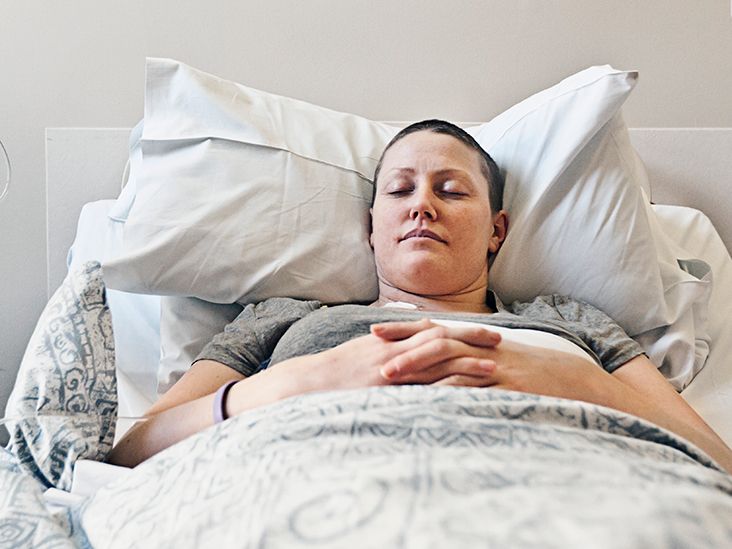
Fever during chemotherapy is one of those symptoms that should never be filed under “maybe it’s nothing.” It might be nothing dramatic. It might be a minor infection, a medication reaction, or inflammation doing its usual mischief. But during cancer treatment, a fever can also be the first and only warning sign of a serious infection, especially if chemotherapy has lowered the body’s white blood cell count. In other words, this is not the time for guesswork, heroic patience, or a “let’s sleep on it” strategy.
Chemotherapy can weaken the immune system by reducing neutrophils, a type of white blood cell that helps fight bacteria and other germs. When fever happens alongside a low neutrophil count, doctors call it febrile neutropenia. That phrase sounds technical, but the takeaway is simple: it can become dangerous fast and often needs urgent medical attention.
This guide explains what fever during chemotherapy means, when to call for help, how treatment usually works, what prevention really looks like in daily life, and what kind of support patients and caregivers need when a thermometer suddenly becomes the most important object in the room.
Why fever during chemotherapy matters so much
Under ordinary circumstances, fever is the body’s alarm bell. During chemotherapy, that alarm can ring louder because the immune system may not have enough healthy cells to fight infection well. A person on chemo may not show the usual signs of infection, such as a dramatic cough, visible swelling, or a screamingly obvious wound. Sometimes fever is the only clue.
That is why oncology teams take it seriously. Many cancer centers tell patients to call immediately for a temperature of 100.4°F (38°C) or higher, though the exact threshold may vary by treatment plan and provider instructions. The smartest move is to follow your own oncology team’s rules, not the internet’s greatest hits.
Common reasons fever can happen during chemotherapy
Not every fever during chemotherapy means the same thing. Possible causes include:
- Infections caused by bacteria, viruses, or fungi
- Neutropenia, which makes infections easier to develop and harder to fight
- Inflammation from mucositis, diarrhea, or other treatment side effects
- Reactions to certain medications or blood products
- The cancer itself in some situations
- Dehydration or other complications that deserve a medical review
The problem is not that every fever equals catastrophe. The problem is that you cannot safely tell at home which fever is harmless and which one is trying to start trouble.
When to call the doctor right away
Call your cancer care team immediately if you are on chemotherapy and you have a fever at or above the temperature they told you to watch for. For many patients, that number is 100.4°F (38°C). Do not wait until morning, do not power through a movie, and do not decide to “see whether it breaks.” Fever during chemo is often treated as an urgent issue, even at night or on weekends.
Other symptoms that should raise the alarm include chills, sweats, sore throat, cough, shortness of breath, mouth sores, burning with urination, redness around a catheter or port, diarrhea, belly pain, unusual weakness, or confusion. If you are told to go to the emergency room, say clearly at check-in that you are receiving chemotherapy and have a fever. That sentence can speed up how quickly you are evaluated, and that matters.
What not to do first
Before talking with your oncology team, avoid trying to hide the fever with over-the-counter medication such as acetaminophen, ibuprofen, aspirin, or naproxen unless they have specifically told you it is okay. These medicines can lower the temperature and make a serious infection harder to recognize. The fever may disappear from the thermometer while the real problem keeps working overtime behind the scenes.
How fever during chemotherapy is diagnosed
Once you contact your care team or arrive at the hospital, the goal is speed. Doctors usually want to know whether you have febrile neutropenia, where the infection might be coming from, and how stable you are overall.
A typical evaluation may include a complete blood count with differential, which shows whether your white blood cells and neutrophils are low. You may also have blood cultures, urine testing, and sometimes a chest X-ray or other imaging if you have symptoms pointing toward the lungs, abdomen, or another body area. If you have a port, PICC line, or other central line, that site may be checked carefully because it can become a source of infection.
Doctors also look at timing. Many patients hit their white-cell low point, often called the nadir, about 7 to 12 days after chemotherapy, though that window varies by regimen. Knowing your likely nadir can help you and your care team stay extra alert during the riskiest stretch.
Treatment for fever during chemotherapy
Treatment depends on how sick the patient appears, whether neutropenia is present, what cancer therapy they are receiving, and whether doctors think the person is low-risk or high-risk for complications. But one principle stays constant: suspected infection during chemotherapy is treated quickly.
1. Fast antibiotics when febrile neutropenia is suspected
If doctors suspect febrile neutropenia, they often start broad-spectrum antibiotics right away, sometimes before the exact source of infection is confirmed. This is standard because delay can increase the risk of sepsis and other serious complications. If later testing identifies a specific bacteria, virus, or fungus, the treatment may be adjusted.
2. IV fluids and supportive care
Patients who are dehydrated, weak, lightheaded, or unable to drink enough may need IV fluids. Supportive care may also include oxygen, pain control, nausea treatment, electrolyte replacement, and monitoring of blood pressure, heart rate, and oxygen levels. In plain English: the team is not just treating a number on the thermometer; they are treating the whole situation.
3. Hospital treatment versus outpatient care
Many patients with fever during chemotherapy are admitted to the hospital, especially if they have severe neutropenia, unstable vital signs, significant symptoms, pneumonia, catheter concerns, or multiple medical problems. Some adults who are carefully assessed as low risk may be treated as outpatients with oral antibiotics and very close follow-up. That decision is made by the clinical team, not by optimism, a reliable cousin, or a strongly worded social media post.
4. Growth factor support
Some patients are given granulocyte colony-stimulating factors, often called G-CSF, to help the bone marrow make more white blood cells. These medicines are used in selected situations to reduce the risk of neutropenia or lower the chance of febrile neutropenia in future cycles. They are not necessary for every patient, but they can be a key part of prevention when the chemo regimen or the patient’s health history puts risk on the higher side.
5. Changes to the chemotherapy plan
After a fever episode, the oncology team may review whether the current regimen needs dose adjustments, different timing, added growth-factor support, or more aggressive monitoring. The goal is not simply to avoid inconvenience. It is to keep cancer treatment effective while reducing the chance of another dangerous infection.
How to prevent fever and infection during chemotherapy
Prevention is not glamorous, but it is powerful. Most of it comes down to hygiene, awareness, food safety, and knowing your body’s schedule during treatment.
Know your risk window
Ask your oncology team when your blood counts are most likely to be lowest. This helps you plan ahead for work, outings, visitors, and errands. If your nadir tends to happen during the second week after treatment, that is probably not the moment for a packed indoor birthday party or a brave attempt to “just quickly” shop during Saturday afternoon chaos.
Use a thermometer correctly
Keep a working digital thermometer at home and know how to use it. Many cancer teams recommend oral temperatures because they are more reliable than quick forehead guesses. If you are neutropenic, do not use a rectal thermometer unless your care team has specifically told you otherwise.
Practice careful hand hygiene
Wash your hands often, especially before eating, after using the bathroom, after coughing or sneezing, after touching pets, and after coming home from public places. Hand sanitizer is helpful when soap and water are not nearby, but old-fashioned handwashing still deserves its long-running award for “most boring habit that saves the most trouble.”
Be smart about crowds and sick contacts
Try to avoid close contact with people who are sick. During high-risk periods, it may also help to avoid crowded indoor places when possible. This does not mean you must live like a cave-dwelling wizard. It means timing matters, ventilation matters, and saying “maybe next week” can be a medical strategy, not a social failure.
Protect your mouth, skin, and catheter sites
Mouth sores, cracked skin, and irritated catheter sites can all become entry points for infection. Use gentle oral care, moisturize dry skin, clean small cuts promptly, and watch for redness, swelling, drainage, or increasing tenderness around any line or port.
Follow food safety rules
Food safety becomes more important when immunity is down. Wash produce carefully, avoid raw or undercooked meat, seafood, and eggs, and skip foods that seem questionable, expired, or suspiciously adventurous. Chemotherapy is already enough of an adventure.
Keep up with blood tests and follow-up
Regular lab testing helps the team catch falling counts before they turn into bigger problems. These blood draws are not random acts of inconvenience. They are one of the best early-warning systems in cancer care.
Support for patients and caregivers
Fever during chemotherapy is not only a medical issue. It is also an emotional one. A sudden fever can trigger panic, confusion, exhaustion, and the awful feeling that treatment has taken a sharp left turn. Patients may worry that the cancer is worsening. Caregivers may feel responsible for catching every symptom, remembering every number, and staying calm while also finding the car keys.
Build a fever plan before you need it
A written plan reduces stress. Keep these basics in one place:
- Your oncology clinic’s daytime and after-hours phone numbers
- The exact temperature threshold that should trigger a call
- A list of current medications and allergies
- Your cancer diagnosis and current chemotherapy regimen
- The address of the hospital or emergency department your team prefers
- A thermometer, charger, ID, insurance card, and a small go-bag
Preparation may feel dramatic until the one night it saves twenty frantic minutes.
Ask direct questions
Patients and families should feel comfortable asking: Am I at high risk for neutropenia? When is my nadir? Should I have G-CSF? What symptoms matter besides fever? Can I take Tylenol? When should I go straight to the ER instead of calling first? The more specific the answers, the less room there is for panic-fueled improvisation.
Do not ignore the mental load
Repeated fevers, hospital trips, and fear of infection can wear people down. Social workers, nurse navigators, oncology dietitians, and support groups can help with practical coping, transportation, meals, family communication, and the deep fatigue that comes from living in “watchful alert mode” for weeks at a time.
What the experience often feels like in real life
In real life, fever during chemotherapy rarely arrives with dramatic soundtrack music and perfect timing. More often, it shows up on a random Tuesday evening when someone feels a little off, a little chilled, or strangely tired. At first it can be easy to dismiss. Maybe the room is cold. Maybe the blanket is too thin. Maybe dinner just did not sit right. Then the thermometer says 100.4°F, and suddenly the whole house changes personality.
Patients often describe the first fever as surreal. One moment they are trying to maintain some normal routine during chemo, and the next they are counting minutes, calling the on-call number, and trying to remember whether they were told 100.4°F, 100.5°F, or “call for anything over 38°C.” That uncertainty alone is stressful, which is why having the instructions written down matters so much. In the moment, even organized people can forget simple details. Cancer has a way of turning the brain into a browser with forty tabs open and one of them playing music for no reason.
Caregivers often carry a different kind of stress. They are watching the patient, the clock, the thermometer, the phone, and the overnight bag all at once. Many describe feeling like they must stay calm and efficient while privately worrying about worst-case scenarios. Even a short hospital evaluation can be exhausting. There is waiting, repeating the medical history, answering questions about the last chemo cycle, and hearing unfamiliar phrases like ANC, cultures, and empiric antibiotics. It can feel as though you have been dropped into a crash course you never wanted to take.
Hospital treatment, when needed, can be both reassuring and draining. On one hand, patients often feel relief once antibiotics, fluids, and monitoring begin. On the other hand, fever admissions can be lonely, uncomfortable, and disruptive. Sleep gets chopped into tiny pieces. Appetites disappear. Families must rearrange schedules, rides, and work. Some patients feel discouraged, as if a fever means they are “failing” treatment. They are not. A fever during chemotherapy is a complication, not a character flaw.
Many people also talk about how the experience changes their next treatment cycle. They become more alert to timing, more careful with visitors, more consistent about checking temperature, and more willing to call sooner instead of later. That is not paranoia. That is wisdom earned the hard way. Patients who once hesitated to “bother the doctor” often learn that oncology teams would much rather hear about a fever early than deal with a crisis later.
There is also a quieter emotional layer. Fever can make patients feel fragile in a new way. It reminds them that chemotherapy affects more than the tumor; it affects the immune system, daily routines, confidence, and sense of control. Good support helps restore that control. A simple plan, a responsive care team, a caregiver who knows the drill, and clear instructions about what to do next can turn a frightening episode into a manageable one. Not fun, of course. Nobody puts “ER trip for neutropenic fever” on a vision board. But manageable, yes.
Final thoughts
Fever during chemotherapy is one symptom that deserves immediate respect. It may be the earliest sign of infection, especially in patients with neutropenia, and it can become serious quickly. The good news is that modern cancer care has a very clear playbook: recognize fever early, contact the care team fast, evaluate for infection and low blood counts, start treatment promptly, and build prevention strategies for the next cycle.
The best approach is simple and powerful: know your temperature threshold, understand your risk window, keep your contact numbers close, and do not try to tough it out. During chemotherapy, bravery is not ignoring a fever. Bravery is taking it seriously.