If you have ever tried to measure a room with a floppy tape measure, balance a level with one hand, and guess a weird wall angle with the confidence of a game show contestant, you already know why better measuring tools matter. A digital multimeasure is the answer to that everyday jobsite drama. Instead of making you carry a tape measure, angle finder, level, and sometimes even a measuring wheel like a one-person hardware parade, it combines multiple measuring functions into one smart tool.
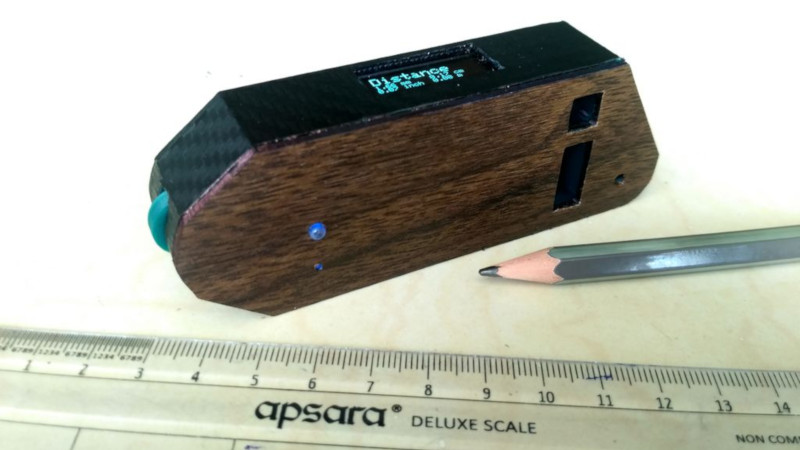
The idea has been gaining attention for good reason. In maker circles, the term digital multimeasure has been used to describe compact tools that combine distance sensing, angle reading, and leveling functions in one body. In the broader world of home improvement and construction, that same concept shows up in laser measures with inclinometers, digital angle finders, digital levels, and rolling measuring devices that help users work faster and more accurately. The point is simple: fewer tools, fewer mistakes, less muttering under your breath.
Whether you are hanging cabinets, laying out trim, measuring a room for flooring, checking a roof slope, or figuring out a curved path in a landscape project, a digital multimeasure can save time and spare your knees. It is not magic. It is just measurement done smarter.
What Is a Digital Multimeasure?
A digital multimeasure is best understood as an all-in-one measuring tool or a family of tools built around the same goal: combine several common measuring jobs into one device. Depending on the design, it may include distance measurement, angle measurement, leveling, memory storage, area and volume calculation, and even the ability to handle curved or indirect measurements.
Some tools lean heavily toward laser measurement. These are great for quickly measuring long distances across rooms, halls, garages, and outdoor layouts. Many can also calculate square footage, cubic volume, and indirect heights. Others behave more like a digital angle finder or digital level, helping with trim work, miter cuts, pipe alignment, and machinery setup. Some measuring wheels handle curved surfaces or long runs where a straight laser line is not practical. Put those ideas together, and you get the spirit of the digital multimeasure: one compact tool that helps you make sense of dimensions without turning every project into a geometry pop quiz.
Why a Digital Multimeasure Makes Work Easier
1. It cuts down on tool switching
One of the biggest productivity killers on a job is not the hard part. It is the tiny interruptions. Measure the wall. Put down the tape. Grab the level. Set it down. Grab the angle finder. Forget where you put the pencil. Repeat. A digital multimeasure reduces that stop-and-go routine by letting one tool handle several related tasks. That means a smoother workflow whether you are a contractor, a woodworker, or a weekend DIYer with big ambition and limited patience.
2. It speeds up solo work
Traditional tape measurements often work best with two people, especially over longer spans. Laser distance tools and hybrid measuring devices make solo work much easier. One person can point, shoot, and get a reading in seconds. That is especially useful when measuring high ceilings, tall walls, long hallways, or outdoor spans where the old tape-measure tango becomes awkward fast.
3. It reduces human error
Digital readouts remove a lot of the “wait, is that 7/16 or 9/16?” confusion. Backlit displays, memory functions, angle calculations, and built-in reference modes help users avoid small mistakes that turn into expensive ones. And anyone who has cut an expensive piece of molding the wrong way knows that measuring errors are not cute. They are costly.
4. It helps with tricky measurements
Not every job is a straight line on a friendly wall. Real houses have uneven corners, out-of-square rooms, sloped ceilings, pipes, curved edges, and surfaces that seem personally offended by precision. A digital multimeasure shines in these situations because it can combine distance, level, and angle data in a way that is much more practical than using separate basic tools.
The Core Jobs a Digital Multimeasure Can Handle
Distance measurement
This is the function most people notice first. A digital multimeasure with laser capability can measure a room in seconds. It is ideal for flooring estimates, paint planning, cabinetry layout, furniture placement, and general remodeling. Instead of stretching a tape measure across the room and hoping it does not fold into a sad metallic noodle, you get a quick digital reading.
Angle measurement
Angles matter more than many people realize. Crown molding, baseboards, stair trim, tile layout, pipe work, and miter saw setups all depend on accurate angle measurement. A digital angle finder feature can measure inside and outside angles and, in some cases, help calculate the saw setting needed to make a proper joint. That is a huge help in older homes where “90 degrees” is often more of a suggestion than a fact.
Leveling and inclination
Digital levels and inclinometers are especially useful when checking pitch, slope, plumb, or alignment. Think shelving, railings, conduit, machinery, framing, or roof work. Instead of eyeballing a bubble and convincing yourself that “close enough” is a personality trait, a digital display gives a more exact reading in degrees, percentages, or other formats.
Area and volume calculations
Many modern digital measuring tools do math for you. That means faster estimates for flooring, drywall, paint, HVAC planning, or room layout. Measure length, width, and sometimes height, and let the tool calculate the rest. It is like having a calculator that actually shows up on time.
Curved and rolling measurements
This is where the concept gets especially interesting. Straight-line laser tools are great, but they are not ideal for every surface. A rolling wheel or curved-surface measuring function helps with arches, rounded edges, landscape borders, irregular materials, or anything else that refuses to behave like a rectangle. That flexibility is a big reason digital multimeasure tools are so appealing.
Where a Digital Multimeasure Really Earns Its Keep
Home improvement projects
If you are installing shelves, hanging art, building a closet system, replacing flooring, or planning a remodel, accurate measurement affects everything. Even small jobs benefit from better layout. A digital multimeasure can help you find distances, confirm level lines, and check whether your wall corners are actually square before you start cutting materials.
Woodworking and trim carpentry
Woodworkers love accuracy because wood does not forgive sloppy math. Trim carpenters love it because miters and coping are already dramatic enough. A digital multimeasure can help with stock length, angle transfer, saw setup, and final fit. When corners are off, the tool helps you see the problem before the molding tattles on you.
Electrical, plumbing, and mechanical work
Tradespeople often need to check slope, alignment, spacing, and clearances in tight spaces. A compact tool with magnetic features, angle reading, and quick distance measurement can simplify conduit bends, pipe runs, equipment mounting, and general installation work.
Estimating and planning
Before you buy materials, you need reliable dimensions. A digital multimeasure helps with square footage, wall height, room size, and odd corners that can affect ordering decisions. Better estimates mean less waste, fewer extra trips to the store, and a lower chance of standing in your driveway at sunset wondering why you are short two trim boards and one ounce of dignity.
Features That Actually Matter
Not every digital multimeasure is created equal. Some are entry-level tools for homeowners. Others are jobsite-ready instruments built for daily use. If you are shopping for one, these features deserve attention:
- Accuracy: Look for a tool with clear specs and realistic tolerances. Precision matters most for finish work, layout, and cutting.
- Readable display: A backlit screen is a small feature that feels giant when you work in dim spaces.
- Angle and level functions: These are what move the tool beyond basic distance reading and into true multimeasure territory.
- Memory storage: Handy when you are collecting multiple room or cut measurements.
- Durability: Rubber overmold, reinforced housing, and dust or splash resistance matter on real jobsites.
- Magnetic base or stable mounting: Especially useful for metalwork, machinery, conduit, and saw setup.
- Easy unit switching: Feet, inches, metric, fractions, percentages, and degrees should be quick to access.
- Function speed: The best tool is the one you will actually use, so the interface should be simple, not a tiny spaceship dashboard.
Common Mistakes to Avoid
Trusting one measurement too much
Digital tools are excellent, but no smart tool can rescue bad technique. Make sure the base reference is correct, the target point is stable, and the tool is properly zeroed or calibrated when needed. Measure twice is still alive and well. It just wears a screen now.
Using the wrong tool for the surface
A laser measure is great for long straight spans. A rolling or wheel-based approach is better for curves. A digital angle finder is the star for trim and saw setup. The real advantage of a digital multimeasure is knowing which built-in function to use for the problem in front of you.
Ignoring lighting and surface conditions
Bright outdoor light, reflective surfaces, dusty conditions, and unstable targets can affect usability. Some tools handle those situations better than others. A brighter beam, stronger display, or more rugged housing can make a big difference in real work.
Why This Tool Fits the Modern DIY and Pro Workflow
Today’s projects move fast. Homeowners want cleaner installs, tighter reveals, and fewer visible mistakes. Pros want faster layout, fewer callbacks, and tools that earn their spot in the bag. A digital multimeasure fits that mindset perfectly because it removes friction. It combines what used to be several separate steps into one process: capture the number, check the angle, confirm the level, make the cut, keep moving.
It also bridges the gap between beginner-friendly and pro-capable. New users appreciate the instant readouts and built-in calculations. Experienced users appreciate the time savings, repeatability, and precision. That combination is what makes the category so useful. It is not just about convenience. It is about better results with less guesswork.
500 Extra Words on Real-World Experiences With a Digital Multimeasure
The real charm of a digital multimeasure shows up when a project stops being theoretical and starts becoming messy, cramped, and weird. On paper, measuring a room sounds simple. In practice, you are stepping around furniture, trying not to knock over a lamp, and discovering that the far wall is not as square as it looked from across the room. This is exactly the kind of moment when a digital multimeasure earns its lunch.
Take a common weekend project like installing floating shelves. With a traditional setup, you might measure the wall width with a tape, mark your center line, grab a bubble level, adjust the brackets, recheck the spacing, and then realize one side of the wall bows slightly. With a digital multimeasure, the process feels more controlled. You can check the span quickly, confirm a true level reference, and spot a subtle angle or slope before drilling holes that will stare at you forever.
Another good example is trim work in an older house. Anyone who has worked in one knows the truth: old homes have character, and character often means corners that refuse to be 90 degrees. A digital angle function helps take the mystery out of those corners. Instead of guessing a miter, cutting, testing, sighing, adjusting, and pretending that was the plan all along, you can measure the actual angle and set up the saw with more confidence. The experience is less frustrating and a lot less wasteful.
For flooring, the benefit is speed. Measuring room dimensions, closet cut-ins, and transition zones can become a tedious routine with basic tools. A digital multimeasure speeds up that early planning stage, especially when the tool stores previous readings. That matters because the measuring phase is where many project budgets quietly get into trouble. Bad dimensions lead to bad orders, and bad orders lead to that second store trip nobody puts on social media.
Outdoor work creates a different kind of experience. A measuring wheel or rolling measurement feature can help when you are laying out a curved garden edge, checking the run of a walkway, or estimating fence length across uneven ground. A straight tape can fight you every inch of the way, and a straight-line measurement does not always tell the whole story on curved layouts. A digital multimeasure that can adapt to the shape of the job feels less like a gadget and more like a practical helper.
There is also a confidence factor that does not get talked about enough. When a tool gives you a clean readout, an accurate angle, or a clear level reference, you make decisions faster. You cut sooner. You second-guess less. That does not mean you become careless. It means your attention shifts from “Am I even measuring this right?” to “What is the best way to build this?” That is a better place to work from.
In everyday use, that is what “helps you get the job done” really means. It means less time wrestling with tools and more time making progress. It means fewer measurement headaches, fewer avoidable mistakes, and more projects that come together the way you pictured them. A digital multimeasure will not swing the hammer for you, and sadly it will not clean the garage. But when accuracy, speed, and sanity matter, it can be one of the smartest tools you own.
Conclusion
A digital multimeasure is not just a flashy gadget for tool lovers. It is a practical solution to a very old problem: measuring real-world spaces quickly and accurately without juggling half your toolbox. By combining functions like laser distance measurement, angle reading, digital leveling, and in some cases rolling or curved measurement, it helps homeowners and professionals work smarter on layout, planning, cutting, and installation.
If your projects involve rooms, walls, trim, cabinets, slopes, or anything that needs to fit the first time, a digital multimeasure can absolutely help you get the job done. And honestly, anything that reduces re-cuts, re-measuring, and rethinking deserves a little respect.