Trying to lose weight with bad knees can feel like being invited to a dance party where the floor is made of Legos. You want to move. Your body needs movement. Your jeans may be sending subtle hostage notes from the closet. But your knees? They are holding a committee meeting and voting “absolutely not” on anything involving jumping, sprinting, deep squats, or pretending burpees are a personality trait.
Here is the good news: you do not need punishment-style workouts to burn calories, build strength, and lose weight. In fact, if your knees are cranky, high-impact exercise may be the least useful path. The smarter strategy is to choose low-impact exercise, strengthen the muscles that support the knee joint, improve mobility, and build a routine you can actually repeat without needing an ice pack, a pep talk, and three days of couch-based regret.
This guide covers 13 knee-friendly ways to exercise for weight loss, with practical tips, examples, and modifications. The goal is not to “push through pain.” The goal is to train around pain, protect your joints, and make steady progress like a responsible adult who also occasionally wants dessert.
Before You Start: What “Bad Knees” Really Means
“Bad knees” can mean many things: arthritis, old sports injuries, tendon irritation, meniscus problems, extra body weight, weak hips, poor mobility, or pain that appears only when stairs enter the chat. Because knee pain has different causes, it is smart to check with a doctor, physical therapist, or qualified healthcare professional if you have swelling, locking, buckling, sharp pain, recent injury, or pain that keeps getting worse.
For most people, the best exercise plan for bad knees includes three parts: low-impact cardio to burn calories, strength training to support the joint, and mobility work to reduce stiffness. Weight loss also depends heavily on nutrition, sleep, stress, and consistency, but exercise is a powerful tool because it improves heart health, preserves muscle, boosts daily energy use, and helps you feel more in control of your body.
13 Ways to Exercise with Bad Knees to Lose Weight
1. Walk on Flat, Forgiving Surfaces
Walking is simple, free, and underrated. It does not require a subscription, a motivational wall decal, or a machine that looks like it was assembled by astronauts. For bad knees, the key is choosing the right surface and pace. Flat sidewalks, indoor tracks, shopping malls, smooth trails, and treadmills are usually kinder than steep hills, uneven ground, or concrete routes full of surprise potholes.
Start with 10 to 15 minutes at a comfortable pace. If your knees tolerate that, add 5 minutes every week. To increase calorie burn without increasing impact, use intervals: walk comfortably for 2 minutes, then slightly faster for 30 to 60 seconds. Repeat. You should feel warmer and more awake, not like your knees are filing a formal complaint.
2. Try Swimming for Full-Body Calorie Burn
Swimming is one of the best exercises for people with knee pain because water supports much of your body weight. That means your heart, lungs, arms, back, core, and legs can work without the same pounding you get from running or jumping.
If traditional laps feel intimidating, start with easy pool walking, flutter kicks while holding the wall, or gentle water jogging in the shallow end. A 30-minute swim session can be a serious workout, but it often feels smoother on the joints. Bonus: nobody can tell how sweaty you are in a pool. This is one of fitness’s greatest loopholes.
3. Do Water Aerobics
Water aerobics is not just for retirees with excellent gossip networks. It is a legitimate low-impact workout that can improve cardiovascular fitness, strength, balance, and range of motion. The water provides resistance in every direction, so simple moves like marching, side steps, leg curls, and arm pushes become more challenging.
For weight loss, aim for continuous movement. Keep your steps controlled and your posture tall. Avoid aggressive jumping in the water if it irritates your knees. A good water aerobics class can leave you pleasantly tired without the joint-pounding hangover that comes from high-impact cardio.
4. Use a Stationary Bike
Cycling is a classic knee-friendly cardio choice because your feet stay supported and the movement is smooth. A stationary bike is especially useful because you can control resistance, speed, and seat height. Seat setup matters: if the seat is too low, your knees bend too deeply and may feel irritated. At the bottom of the pedal stroke, your knee should be slightly bent, not locked and not scrunched.
Begin with light resistance for 10 minutes. Gradually build toward 20 to 40 minutes. To make it more effective for weight loss, use gentle intervals: 3 minutes easy, 1 minute moderately hard, then repeat. Do not crank the resistance so high that every pedal stroke feels like moving furniture uphill.
5. Ride a Recumbent Bike
A recumbent bike is the laid-back cousin of the upright bike. You sit in a reclined position with back support and pedals in front of you. This can be helpful if you have knee pain plus back discomfort, balance issues, or extra weight that makes standard bikes uncomfortable.
Because the position is stable, it is easier to focus on steady movement. Keep your cadence smooth and your resistance moderate. If you can read an entire novel without breathing harder, increase the effort a little. If your knees feel pinchy or pressured, lower the resistance and check your seat distance.
6. Use the Elliptical Machine Carefully
The elliptical can deliver a strong cardio workout with less impact than running because your feet stay on the pedals. It mimics walking or jogging without the repeated ground strike. That said, not every elliptical feels good for every knee. Some machines force a stride that may feel awkward.
Start with no incline and low resistance. Keep your knees tracking in line with your toes, and avoid leaning heavily on the handles. If your knees feel fine, increase time first, then resistance later. The elliptical should feel like smooth gliding, not like your kneecaps are negotiating with machinery.
7. Row for Cardio Without Jumping
Rowing works your legs, hips, core, back, and arms. It can burn plenty of calories, but technique is important. Many beginners bend the knees too aggressively or yank with the arms. Instead, think: push with the legs, hinge slightly from the hips, then pull with the arms. On the return, arms go forward first, then hips, then knees bend.
If deep knee bending bothers you, shorten your range of motion. You do not need to slide all the way forward. Keep resistance moderate and strokes controlled. A rowing machine can be excellent for weight loss because it uses so many muscles at once, but your knees should feel supported, not squeezed.
8. Strength Train Your Glutes and Hips
Your knees may be the ones complaining, but sometimes the real troublemakers are weak hips and glutes. When hip muscles are weak, the knees may collapse inward during walking, stairs, squats, or lunges. Strengthening the glutes can improve alignment and reduce stress on the knee joint.
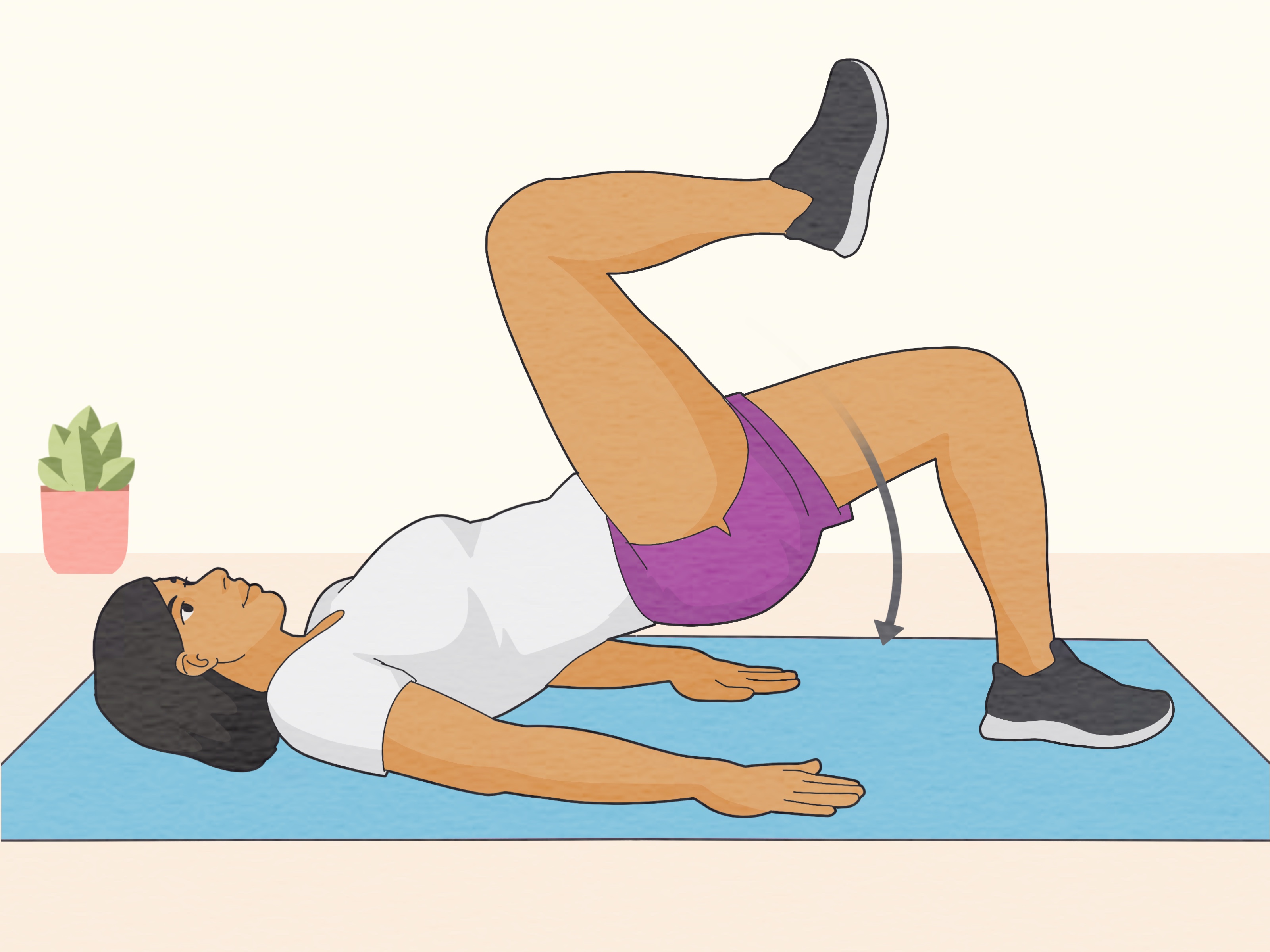
Good options include glute bridges, side-lying clamshells, standing hip abductions, and banded side steps. These exercises may look innocent, but they can light up your hips like a tiny fitness bonfire. Do 2 to 3 sets of 10 to 15 reps, focusing on control rather than speed.
9. Build Knee Support with Gentle Leg Strength Exercises
Strong quadriceps, hamstrings, calves, and hips help the knee absorb force. You do not need heavy barbell squats to build this support. In fact, with bad knees, controlled basics are often better.
Try seated leg raises, straight-leg raises, hamstring curls, calf raises, wall sits with a shallow bend, and sit-to-stands from a chair. Keep the range of motion pain-free. For example, a mini squat may be more useful than a deep squat. A chair sit-to-stand may be safer than lunges. Think “train the muscles” rather than “impress the gym mirror.” The mirror has seen worse.
10. Add Upper-Body Strength Circuits
Weight loss does not require every exercise to involve your knees. Upper-body strength training burns calories, builds muscle, and improves posture while giving your knees a break. Create a simple circuit with seated or standing exercises: dumbbell shoulder presses, resistance-band rows, chest presses, biceps curls, triceps extensions, and wall push-ups.
To raise your heart rate, move from one exercise to the next with short rests. For example, perform 10 rows, 10 chest presses, 10 shoulder presses, and 10 curls, then rest for 60 seconds. Repeat 3 to 5 rounds. Your arms may get dramatic, but your knees can stay calm.
11. Practice Chair Workouts
Chair workouts are excellent when standing exercise hurts, balance feels uncertain, or you are restarting after a long break. A chair routine can include seated marches, seated punches, overhead reaches, heel taps, toe taps, seated leg extensions, and resistance-band pulls.
To make chair workouts better for weight loss, keep the pace steady and use your arms. Seated boxing moves are especially useful because they raise the heart rate without loading the knees. Try 30 seconds of seated punches, 30 seconds of rest, and repeat for 10 rounds. It may feel silly at first, but silliness burns more calories than waiting for motivation to arrive wearing a cape.
12. Try Yoga or Pilates with Knee-Friendly Modifications
Yoga and Pilates can improve flexibility, core strength, breathing, posture, and body awareness. For bad knees, modifications are everything. Avoid deep kneeling, deep lunges, and poses that twist the knee. Use blocks, blankets, cushions, or a chair for support.
Good options may include seated forward folds, gentle bridges, modified planks, dead bugs, bird dogs, side-lying leg lifts, and supported balance poses. The goal is not to fold yourself into a decorative pretzel. The goal is to move better, breathe better, and strengthen the muscles that help your knees feel less abandoned.
13. Use Short Low-Impact Intervals Throughout the Day
You do not have to complete one heroic workout to lose weight. Short movement sessions can add up. This is especially helpful if your knees tolerate 8 to 12 minutes of movement better than 45 minutes at once.
Try a “three mini-workout” day: 10 minutes of walking in the morning, 10 minutes of cycling after lunch, and 10 minutes of upper-body strength in the evening. That is 30 minutes without asking your knees to survive a marathon. Consistency beats intensity when your joints are sensitive. Small workouts done often can change your fitness, your mood, and your confidence.
How to Build a Weekly Knee-Friendly Weight Loss Routine
A balanced weekly plan should include cardio, strength, mobility, and recovery. For example, you might walk on Monday, bike on Tuesday, do strength training on Wednesday, swim on Thursday, use the elliptical on Friday, take a gentle yoga class on Saturday, and rest or do light stretching on Sunday.
If that sounds like too much, start smaller. A beginner-friendly plan could be:
- Monday: 15-minute walk plus 5 minutes of stretching
- Wednesday: 20-minute stationary bike ride
- Friday: 15-minute strength circuit with glute bridges, seated leg raises, wall push-ups, and band rows
- Saturday: 20-minute pool walk or chair cardio session
As your fitness improves, gradually increase total weekly activity. Many adults aim for at least 150 minutes of moderate aerobic activity per week plus two days of strengthening. For weight loss, some people eventually need more total movement, but the best amount is the amount you can repeat without flaring your knees.
Exercises to Be Careful With When You Have Bad Knees
Not all exercise is automatically bad for knees, but some movements are more likely to irritate sensitive joints. Be cautious with jumping jacks, burpees, box jumps, sprinting, deep squats, deep lunges, fast pivoting sports, steep hill climbing, and heavy leg presses. These exercises are not evil; they just may not be your knees’ favorite dinner guests.
Pain is useful information. Mild muscle fatigue is normal. Sharp pain, swelling, instability, or pain that worsens after exercise is a sign to stop and adjust. Use the “24-hour rule”: if your knees feel significantly worse the next day, reduce intensity, duration, range of motion, or resistance next time.
Smart Tips to Lose Weight Without Angering Your Knees
Warm Up First
Start every workout with 5 to 10 minutes of easy movement. A warm knee usually behaves better than a cold knee suddenly asked to perform like an action hero.
Increase One Thing at a Time
Do not increase speed, duration, resistance, and frequency all in the same week. Pick one. Your knees appreciate a management style that is not chaos.
Use Supportive Shoes
Good shoes can improve comfort during walking, elliptical training, and daily movement. Replace worn-out shoes before they become pancakes with laces.
Pair Exercise with Nutrition
Exercise helps create a calorie deficit, but food choices matter. Focus on protein, vegetables, fruit, whole grains, healthy fats, and portions that support your goal. You cannot out-cycle a nightly festival of extra-large nachos, although many brave people have tried.
Track Progress Beyond the Scale
Weight loss can be slow, especially when starting gently. Track other wins: less knee stiffness, longer walks, better sleep, more energy, improved balance, lower resting heart rate, or being able to climb stairs without bargaining with the universe.
Experience Section: What It’s Really Like to Exercise with Bad Knees for Weight Loss
The first experience many people have with bad-knee exercise is frustration. They remember what they used to do: running around the neighborhood, joining intense group classes, hiking without thinking about the downhill part, or squatting to pick something up without making the sound effects of a haunted staircase. Then knee pain arrives, and suddenly the body feels less predictable. That can be discouraging, especially when weight loss is the goal and every fitness ad seems to involve jumping, sprinting, or someone smiling while doing mountain climbers at the speed of a blender.
In real life, the turning point usually comes when a person stops asking, “What workout burns the most calories?” and starts asking, “What workout can I do consistently without making my knees worse?” That question changes everything. A 20-minute bike ride done four times a week beats one brutal workout followed by six days of pain. A pool session that feels almost too gentle can build confidence. A chair workout can become the bridge between doing nothing and feeling capable again. The routine may not look dramatic on social media, but it works where it matters: in your actual life.
Another common experience is learning that knee-friendly does not mean easy. Glute bridges can humble a person. Banded side steps can make the hips burn in ways that feel suspiciously personal. A steady swim can leave the whole body tired. Even walking intervals can become a real workout when done with purpose. The difference is that these exercises challenge the muscles and cardiovascular system without constantly slamming the knee joint. That is the sweet spot for many people: enough effort to change the body, not so much impact that the body rebels.
There is also an emotional benefit. When exercise has hurt before, people often become afraid of movement. They may avoid activity, gain more weight, feel more stiffness, and then feel even less confident. A smart low-impact plan can interrupt that cycle. Each successful workout sends a message: “I can move.” Maybe it is only 10 minutes at first. Maybe it is a slow walk around the block. Maybe it is seated boxing in the living room while the dog looks concerned. It still counts.
Over time, small improvements start to stack up. Getting out of a chair feels easier. The knees feel less stiff in the morning. The scale may move, but even before it does, daily life may feel lighter. That is why the best exercise plan for bad knees is not a punishment plan. It is a partnership. You listen to your knees, train the muscles that protect them, choose cardio that respects them, and keep showing up. Weight loss becomes less about forcing your body into submission and more about giving it better options, one joint-friendly workout at a time.
Conclusion
Exercising with bad knees to lose weight is not about doing less. It is about doing better. Walking, swimming, water aerobics, cycling, rowing, elliptical training, chair workouts, yoga, Pilates, and strength training can all support fat loss while reducing unnecessary stress on the knees. The best routine combines low-impact cardio, muscle-building exercises, mobility work, and realistic progression.
Start where you are. Choose movements that feel safe. Increase slowly. Respect pain signals. And remember: your knees do not need you to become a superhero overnight. They just need you to become consistent. Capes are optional. Supportive shoes are not.