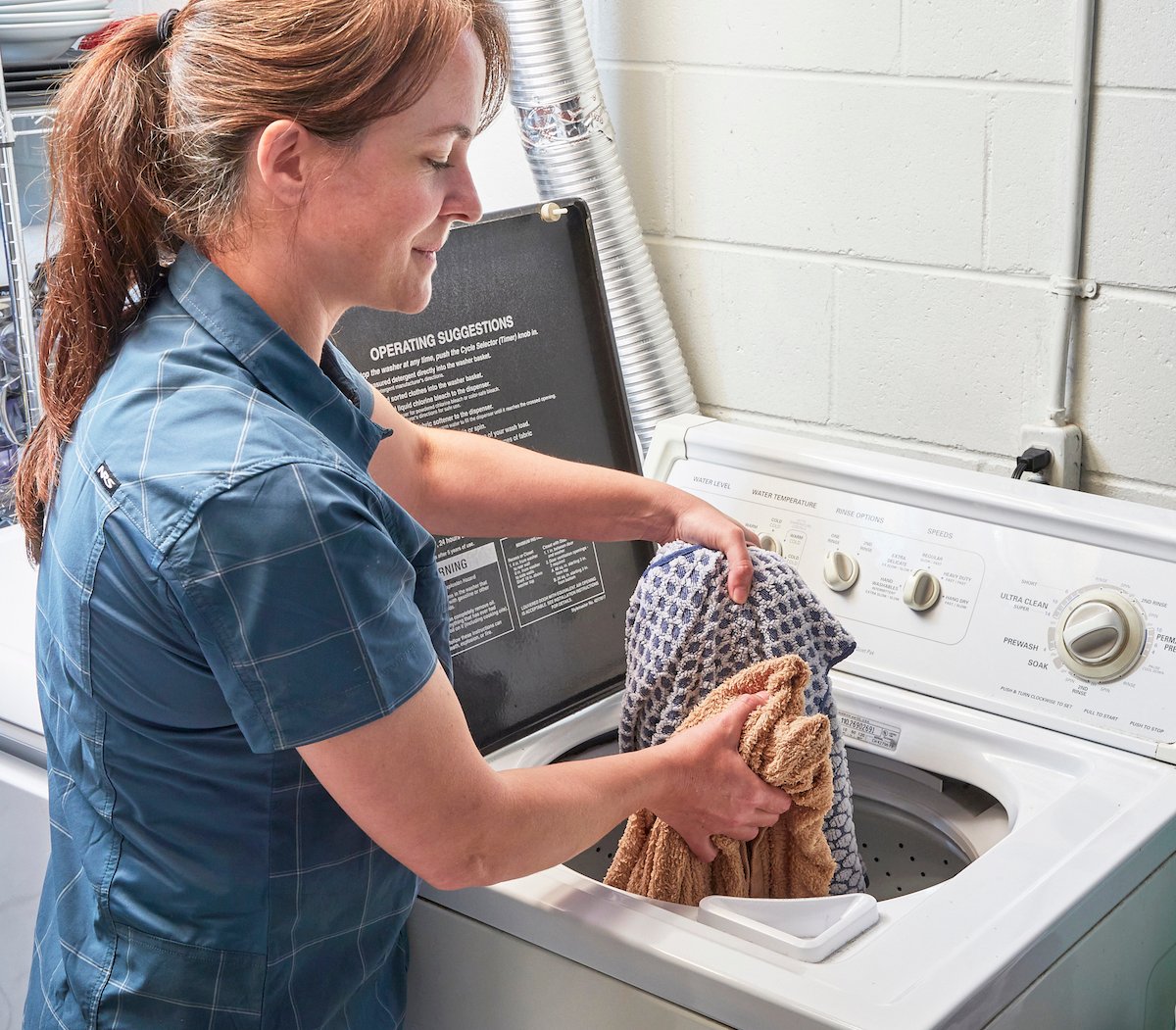
Few household dramas are as oddly personal as opening your washer and finding a heavy, dripping pile of clothes staring back at you like it just survived a shipwreck. A washer that won’t spin can turn a simple laundry day into a soggy negotiation with gravity, towels, and your patience.
The good news: a washing machine not spinning does not always mean the appliance is doomed. In many cases, the cause is simple: an unbalanced load, a blocked drain hose, too much detergent, a selected “no spin” setting, or a door that is not fully latched. Before you imagine buying a new washer, hauling wet jeans to the bathtub, or starting a new life where laundry is optional, work through these practical troubleshooting tips.
This guide explains why your washer won’t spin, how to check the most common problems, when a DIY fix makes sense, and when it is smarter to call an appliance technician. Let’s rescue your laundry before it develops its own weather system.
Why a Washer Stops Spinning
The spin cycle has one main job: remove as much water as possible from your clothes before they go to the dryer or drying rack. To do that, the washer needs several things to work together. The drum must turn freely, the water must drain properly, the load must be balanced, the lid or door must lock, and the motor system must be able to reach spin speed.
When one of those pieces fails, the washer may stop before spinning, spin slowly, shake violently, leave clothes soaked, or display an error code. Modern washers are especially cautious. If they sense too much vibration, too much water, or a door that is not locked, they may cancel the spin cycle to protect the machine and your laundry room floor.
Start With the Simple Stuff First
Before reaching for tools, start with the easy checks. Many spin problems come from everyday loading habits or cycle settings. You do not need to be an appliance engineer for these fixes. You just need a few minutes and the willingness to admit that one giant comforter may not enjoy sharing drum space with six bath towels.
1. Check for an Unbalanced Load
An unbalanced load is one of the most common reasons a washer will not spin correctly. If heavy items bunch up on one side of the drum, the washer may rock, bang, or stop spinning altogether. This often happens with towels, bedding, jeans, rugs, and small loads made of only one or two bulky items.
Pause the cycle, wait for the lid or door to unlock, and redistribute the laundry evenly around the drum. If the load is too large, remove a few items and run a separate spin cycle. If the load is too small, add one or two similar items to help the washer balance itself. A single wet hoodie can become a lumpy bowling ball in the drum, and your washer is not amused.
2. Make Sure the Washer Is Not Overloaded
Overloading can prevent the drum from reaching proper spin speed. Clothes need room to move. If you pack the washer tightly, water cannot drain well, detergent may not rinse out completely, and the machine may struggle to balance the load.
A good rule is to fill the drum loosely, not stuff it like a suitcase before vacation. For top-load washers, avoid wrapping sheets around the agitator. For front-load washers, keep bulky items mixed with smaller pieces so the load tumbles evenly. If your washer keeps stopping during spin, reduce the load size and try again.
3. Look at the Cycle Settings
Sometimes the washer is not broken; it is simply obeying instructions. Check whether you selected a delicate cycle, hand-wash cycle, “rinse hold,” “no spin,” or low-spin option. These settings are useful for fragile fabrics, but they can leave heavier laundry wetter than expected.
Select a drain-and-spin or rinse-and-spin cycle and choose a higher spin speed if your fabric type allows it. If the washer spins normally with different settings, the issue was probably cycle selection rather than a mechanical failure.
Check Drainage Problems
A washer usually will not spin properly if it cannot drain. Spinning a tub full of water would be inefficient, messy, and very rude to your flooring. If your clothes are soaked and you see standing water in the drum, focus on drainage before blaming the motor.
4. Inspect the Drain Hose
The drain hose is usually located at the back of the washer. If it is kinked, crushed, clogged, or pushed too far into the standpipe, water may not leave the machine fast enough. That can stop or weaken the spin cycle.
Unplug the washer first. Then check the hose for sharp bends, pinched areas, or blockages. Make sure the hose is not trapped behind the washer. If you recently moved the appliance, this is especially important. A washer can look perfectly positioned while secretly sitting on its own drain hose like a villain in a soap opera.
5. Clean the Drain Pump Filter
Many front-load washers and some top-load models have a drain pump filter designed to catch lint, coins, hair pins, buttons, and other laundry treasure. When the filter gets clogged, the washer may drain slowly or stop before spinning.
Look for a small access panel near the bottom front of the washer. Place towels and a shallow pan nearby because water may come out. Open the filter slowly, remove debris, rinse the filter, and reinstall it securely. Always check your owner’s manual for the correct method because filter designs vary by brand and model.
6. Listen for the Drain Pump
When the washer reaches the drain stage, listen closely. A healthy pump often makes a steady humming or whirring sound as water exits. If you hear the pump but water stays in the drum, there may be a clog in the hose, filter, or pump housing. If you hear only silence, clicking, or a strained hum, the pump may be faulty or jammed.
Small objects can jam the pump impeller. If you are comfortable with basic appliance inspection, unplug the washer and check accessible pump areas according to the manual. If the pump is not accessible or you smell burning, stop and call a technician.
Check the Door or Lid Lock
Washers are designed not to spin unless the lid or door is securely closed. This is a safety feature, not the machine being dramatic. If the door lock, lid switch, or latch fails, the washer may fill and wash but refuse to spin.
7. Confirm the Door Is Fully Closed
For front-load washers, inspect the door gasket and latch area. Clothing, lint, or small items can prevent the door from closing completely. Wipe the gasket, remove debris, and shut the door firmly. For top-load washers, make sure the lid closes flat and the latch area is clean.
If your washer displays a door lock error or repeatedly clicks without locking, the lock assembly may need service. Do not bypass a lid switch or door lock. That safety feature exists because a high-speed spinning drum is not something you want to meet casually.
8. Check the Dispenser Drawer on Front-Load Models
Some front-load washers may pause or refuse to spin if the detergent dispenser drawer is not fully closed. Push it in firmly and check for detergent buildup that prevents proper closure. This is a small detail, but washers love small details. They are basically robots with wet socks.
Look for Detergent and Suds Issues
Too much detergent can create oversudsing, especially in high-efficiency washers. Excess suds can confuse sensors, slow draining, and interfere with the final spin. If you see foam clinging to the door glass or your clothes feel slippery after washing, you may be using too much detergent.
9. Use HE Detergent in HE Washers
High-efficiency washers require HE detergent because it creates fewer suds. Standard detergent can produce too much foam, which may lead to poor rinsing and weak spinning. Use the amount recommended on the detergent label, but remember that many households need less than the maximum amount, especially with soft water or lightly soiled clothes.
If you suspect oversudsing, run an extra rinse-and-spin cycle without adding detergent. For future loads, reduce the detergent amount and avoid treating the cap like a challenge cup.
Make Sure the Washer Is Level
A washer that is not level may vibrate, walk across the floor, bang loudly, or stop spinning. The machine’s sensors may detect excessive movement and shut down the spin cycle to prevent damage.
10. Adjust the Leveling Feet
Place a level on top of the washer from side to side and front to back. If the bubble is off-center, adjust the leveling feet until the washer sits evenly. Then press down gently on opposite corners. The washer should feel stable, not wobbly.
Also check the floor. A weak, uneven, or flexible floor can make vibration worse. Anti-vibration pads may help in some situations, but they are not a cure for a badly leveled machine or worn suspension parts.
Mechanical Problems That Can Stop the Spin Cycle
If the washer drains properly, the load is balanced, the settings are correct, and the door locks, but the drum still will not spin, the issue may involve a mechanical or electrical part. These repairs vary in difficulty. Some handy homeowners can handle them; others are best left to a professional.
11. Broken or Loose Drive Belt
Many washers use a belt to help turn the drum. If the belt breaks, slips, stretches, or comes off the pulley, the motor may run while the drum does not spin. You might hear the motor but see little or no drum movement.
Unplug the washer before inspecting any panels. If the belt is cracked, frayed, shiny, loose, or broken, it likely needs replacement. Belt replacement can be straightforward on some models and frustrating on others, depending on access and design.
12. Worn Motor Coupler or Clutch
Some top-load washers use a motor coupler or clutch system. If these parts wear out, the washer may agitate but fail to spin, or it may spin weakly. Symptoms can include a humming motor, a burning smell, unusual noises, or clothes that remain soaked after the cycle.
These parts are not always expensive, but diagnosis can be tricky. If you are not comfortable opening the cabinet or identifying drive components, schedule service.
13. Faulty Motor or Control Board
A bad drive motor, motor control board, main control board, or speed sensor can also prevent spinning. These are more advanced problems. Error codes may appear, the washer may stop mid-cycle, or the drum may twitch but never reach spin speed.
Because electronic parts can be costly, do not guess and replace them randomly. A professional diagnosis can save money, especially if the washer is older and repair costs are approaching replacement territory.
14. Worn Suspension Rods, Shocks, or Bearings
If your washer shakes violently during spin even with balanced loads, the suspension system may be worn. Top-load washers may use suspension rods; front-load washers often use shock absorbers. Drum bearings can also wear out, causing loud roaring noises during spin.
Worn suspension parts can make the washer think every load is unbalanced. Bearing problems are usually more serious and may be expensive to repair. If your washer sounds like a small aircraft during spin, it is time for professional help.
Quick Troubleshooting Checklist
Use this simple order before calling for repair:
- Pause the washer and redistribute the load.
- Remove excess laundry if the drum is overloaded.
- Add similar items if the load is too small.
- Check that the correct spin speed is selected.
- Confirm the lid, door, and dispenser drawer are fully closed.
- Inspect the drain hose for kinks or clogs.
- Clean the drain pump filter if your model has one.
- Reduce detergent and run an extra rinse if you see too many suds.
- Level the washer and check for floor movement.
- Call a technician if you suspect the belt, pump, motor, control board, suspension, or bearings.
When to Call a Professional
Call an appliance technician if the washer has standing water you cannot drain safely, trips the breaker, smells like burning, leaks during spin, makes grinding or roaring noises, displays repeated error codes, or refuses to spin after basic troubleshooting.
You should also call a professional if the washer is still under warranty. DIY repairs may void coverage. Before scheduling service, write down the brand, model number, error code, and symptoms. A clear description helps the technician diagnose the problem faster.
Should You Repair or Replace the Washer?
If your washer is fairly new, repair usually makes sense. If it is older, noisy, inefficient, rusty, or facing a costly motor or control board repair, replacement may be smarter. Compare the estimated repair cost with the price of a new machine. Also consider how often the washer has needed service lately. A machine that breaks down every few months is not a laundry appliance; it is a subscription to inconvenience.
As a general guideline, simple issues such as clogs, belts, latches, filters, and leveling problems are often worth fixing. Major repairs involving bearings, control boards, or motors require more careful cost comparison.
How to Prevent Future Spin Problems
Prevention is much easier than wrestling wet towels from a silent washer. Sort laundry by fabric weight, avoid overloading, use the correct detergent, clean the pump filter regularly, and check pockets before washing. Coins, screws, hair clips, and small toys can cause big trouble inside a drain system.
Leave the washer door open after use to reduce moisture buildup, wipe the gasket on front-load models, and run a cleaning cycle as recommended by the manufacturer. If the washer starts vibrating more than usual, level it before the problem gets worse.
Real-Life Experience: What Usually Works First
In everyday laundry life, the most successful washer troubleshooting starts with patience, not panic. The first thing many people notice is not a clear mechanical failure but a symptom: soaking wet clothes, a drum that will not ramp up to speed, or a cycle timer that seems stuck forever. The temptation is to assume the worst. In reality, the best first move is to treat the washer like a system that is asking for help.
One common experience is the “one heavy item” problem. A person washes a bath mat, a blanket, or two pairs of jeans, and the washer keeps trying to spin but gives up. The machine may add water, tumble slowly, stop, and retry. This can feel like the washer is broken, but it is often just failing to balance the load. Adding a few similar-weight items or redistributing the load can make the next spin cycle work normally.
Another familiar situation is the mystery of the wet-but-clean laundry. The washer completes the cycle, plays its cheerful little song, and then reveals clothes that feel like they were rinsed in a lake. In many cases, this points to slow draining. The drain hose may be kinked behind the machine, or the pump filter may be packed with lint and pocket debris. Cleaning the filter can be surprisingly satisfying, although also slightly horrifying. You may find coins, hair ties, paper scraps, buttons, and enough lint to knit a small emotional support sweater.
Detergent is another sneaky culprit. Many households use more detergent than needed because more soap feels like more clean. Unfortunately, washers disagree. Too many suds can interfere with draining and spinning, especially in high-efficiency machines. If the washer looks foamy during the final rinse, reduce detergent and run an extra rinse cycle. The fix is simple, cheap, and does not involve replacing a single part.
Leveling also matters more than people expect. A washer that is slightly tilted may behave well for small loads but lose control during towels or bedding. When the spin cycle begins, the machine shakes, the drum bangs, and the washer may stop for safety. Adjusting the leveling feet takes only a few minutes, but it can dramatically improve spin performance. If the washer is on a flexible floor, vibration may still happen, so placement matters too.
From a practical point of view, the best approach is to test one change at a time. Do not clean the filter, move the washer, change detergent, adjust the feet, and replace parts all in the same afternoon unless you enjoy creating your own detective novel. Start with load balance. Then check settings. Then inspect drainage. Then look at locks, belts, and mechanical parts. This order prevents wasted money and unnecessary frustration.
The most important experience-based lesson is simple: do not ignore early warning signs. If clothes are getting wetter after every wash, if the washer is vibrating more than usual, or if error codes appear repeatedly, investigate early. Small spin problems often become bigger repair bills when they are allowed to continue. Your washer may not speak English, but banging, shaking, and leaving jeans full of water are pretty clear messages.
Conclusion
A washer that won’t spin is annoying, but it is not always a disaster. Start with the basics: balance the load, reduce the load size, check the cycle setting, inspect the drain hose, clean the filter, close the door properly, use the right amount of detergent, and make sure the machine is level. These simple steps solve many spin-cycle problems without tools, parts, or a dramatic farewell speech to your appliance.
If the washer still refuses to spin, the issue may involve the lid switch, door lock, drive belt, pump, clutch, motor, control board, suspension, or bearings. At that point, a professional diagnosis is often the safest and most cost-effective choice. With smart troubleshooting, you can save time, avoid unnecessary repairs, and maybe even finish laundry day before your wet towels start plotting revenge.
Note: Always unplug the washer before inspecting hoses, filters, belts, or internal parts. Never bypass safety switches or door locks. This article provides general troubleshooting guidance; always follow your washer’s owner’s manual and contact a qualified technician when electrical, motor, or internal repairs are involved.