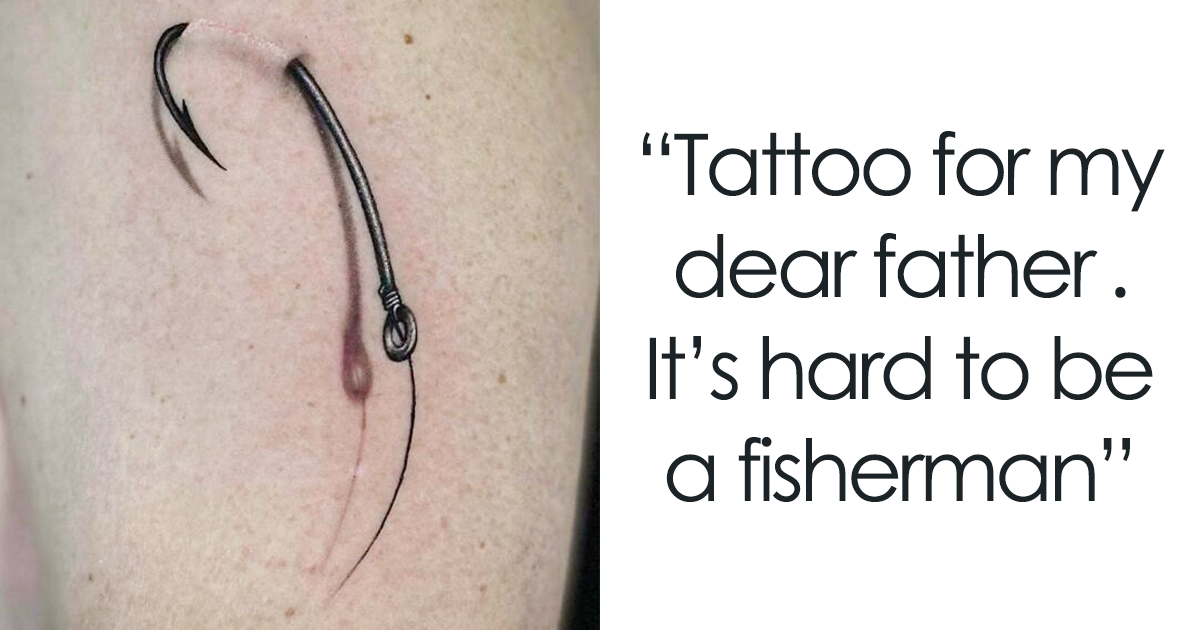
Some tattoos are beautiful. Some tattoos are meaningful. And then there are 3D tattoosthe overachievers of body art that make your brain pause, squint, and whisper, “Hold on… is that zipper actually opening this person’s arm?” That is the magic of great 3D tattoo work. It is not truly three-dimensional, of course. It is still ink on skin. But when a talented artist uses perspective, contrast, shadows, highlights, and body placement the right way, the result can look like it is popping out, sinking in, floating above, or tearing straight through the skin.
That visual trickery is exactly why 3D tattoos continue to fascinate tattoo lovers, artists, and anyone who has ever accidentally stared too long at a stranger’s forearm in line for coffee. Realism, hyperrealism, micro realism, and optical-illusion tattooing have all helped push the style forward. Some pieces look cinematic. Others look creepy in the best possible way. And the best ones do not just show technical skillthey tell a story with a little drama, a little swagger, and sometimes a glorious amount of “How on earth did they do that?” energy.
Why 3D Tattoos Hit So Hard
The appeal of 3D tattoos is simple: they create a visual surprise. Traditional tattoos can be bold, symbolic, and flat by design. A 3D tattoo, on the other hand, tries to fool the eye. Artists build that illusion with soft gradients, believable shadow placement, depth, realistic textures, and carefully placed highlights. Black-and-gray realism is especially good at this because it mimics natural light and shadow so well, while color realism can make gemstones, insects, machinery, flowers, and skin-rip effects look extra dramatic.
Another reason these tattoos stand out is placement. A clever artist does not just design the image; they design how it wraps, bends, and moves with the body. A spider tattoo looks more convincing when it appears to crawl over bone or muscle. A biomechanical design gets weirder and cooler when it follows the curve of a shoulder or calf. A floral illusion can contour with the arm so naturally that it feels less like decoration and more like visual sorcery. In other words, skin becomes the stage, and the tattoo becomes the special effects department.
50 Times Tattoo Artists Took Their 3D Tattoos To A Whole Other Level
- The ripped-skin machine reveal. Few 3D tattoo concepts are more iconic than skin that looks peeled back to expose gears, wires, pistons, or robotic parts underneath.
- The crawling spider. A well-shaded spider tattoo can look so realistic that even brave people suddenly become very interested in wearing long sleeves.
- The butterfly landing illusion. With crisp wing detail and a soft cast shadow, a butterfly can look like it just touched down for a dramatic photo op.
- The zipper tattoo. This classic uses metallic shine, stitched edges, and perspective to make skin look unzippered like a jacket with secrets.
- The broken-skin biomech. Tubes, bolts, and metallic panels tucked under torn flesh still feel wildly effective when done by a realism specialist.
- The floating gemstone. A jewel tattoo with bright highlights and dark shadow can appear to hover above the skin like treasure with trust issues.
- The scar illusion. Some artists create fake cuts or healed marks so convincingly that viewers need a full second to realize it is art.
- The beetle with shine. Insects are perfect for 3D tattoos because shell texture, legs, and glossy highlights sell realism almost instantly.
- The eye that follows you. A realistic eyeball or peeking eye tattoo can feel spooky, surreal, and oddly emotional all at once.
- The torn-paper effect. This design makes it look as if the skin has become paper ripped open to reveal another image underneath.
- The snake in motion. Coiled bodies, scale texture, and directional shading can make a snake seem like it is sliding across the arm.
- The tiny portrait that looks printed. Micro-realism tattoos often create miniature faces so detailed they seem edited onto the skin.
- The cracked statue tattoo. When marble texture meets shadow and distressing, the tattoo can look like an ancient sculpture came to life.
- The metallic screw-through-skin illusion. Not exactly for the faint of heart, but definitely effective if your goal is audible gasps.
- The realistic moth. Fine hair texture, dusty wings, and smart contrast can turn a simple moth tattoo into a masterpiece.
- The watch face with depth. Realistic clockwork, reflective glass effects, and careful layering make timepieces shine in 3D styles.
- The bone exposure illusion. Anatomical 3D tattoos can look uncannily real when artists understand muscle flow and believable shading.
- The dripping object. A melting dice cube, candle, or skull gains extra drama when ink creates the illusion of liquid motion.
- The flower petal lift. Soft gradients can make petals appear slightly raised, like the bloom is resting gently on top of the skin.
- The bullet-hole effect. A gritty illusion that depends entirely on disciplined shadow work and restraint, not cartoon-level chaos.
- The ladybug surprise. A small 3D bug tattoo often works because its simplicity makes the realism feel even more convincing.
- The torn superhero reveal. Comic-inspired 3D tattoos can make it look as though a character logo lives beneath the skin.
- The hyperreal eye with tears. Add water droplets, lashes, and reflective highlights, and suddenly the piece feels cinematic.
- The stitched-up wound illusion. Fake stitches remain a popular shock-value design because they are equal parts creepy and clever.
- The peeking animal portrait. A dog, tiger, or owl appearing to peek through ripped skin creates instant movement and personality.
- The realistic coin. Circular metal objects are made for 3D tattooing because shine, texture, and edge shadow do the heavy lifting.
- The feather with floating softness. The best feather tattoos almost levitate, thanks to barely-there shading and delicate edge work.
- The glass-shard illusion. Transparent effects are hard to nail, which is exactly why they look so impressive when done well.
- The chess piece with weight. Smooth gradients and a believable shadow can make a rook or knight look like it is standing on the arm.
- The mechanical heart. Combining anatomy with industrial detail gives 3D tattoo artists endless room for imagination and drama.
- The trapped object concept. Whether it is a butterfly, key, or skull, making something look embedded beneath skin is always a crowd-pleaser.
- The op-art swirl. Black-and-white striping can create the illusion of motion, warping, or depth without needing realism at all.
- The realistic rose. Petal layering, dark recesses, and sharp highlights can make a rose look sculpted rather than simply drawn.
- The snake-and-rose combo. Texture contrast between smooth petals and patterned scales gives the design a serious visual edge.
- The dangling jewelry tattoo. Chains, beads, and charms look excellent in 3D because gravity and shadow do half the storytelling.
- The armor panel illusion. Some tattoos make limbs look plated in metal or leather, like the wearer is halfway to fantasy battle mode.
- The realistic paw print with depth. A seemingly simple idea becomes powerful when it looks freshly pressed into the skin.
- The skull with recessed shadows. Good skull tattoos do not rely on clichés; they rely on convincing depth and structure.
- The camera lens piece. Concentric circles, gloss, and reflection can make a tattoo resemble an actual lens embedded in the body.
- The tiny food tattoo with realism. A miniature strawberry, sushi roll, or cupcake can become weirdly amazing with 3D shading.
- The koi fish swimming illusion. Movement is everything here, and flowing placement makes the fish appear alive.
- The torn-fabric effect. Artists can mimic cloth texture so well that the tattoo looks like a patch of stitched-on material.
- The raven perched on skin. Feathers, claws, and directional light can make the bird feel like it landed there five seconds ago.
- The broken porcelain mask. Cracks, chipped edges, and internal shadow create a haunting illusion with serious theatrical flair.
- The candle flame tattoo. A talented color realist can make fire look warm, layered, and somehow active on still skin.
- The underwater bubble effect. Transparent bubbles with tiny reflective points are subtle, technical, and deeply satisfying.
- The realistic lip or mouth detail. This one can tip into surreal territory fast, which is exactly the fun of it.
- The insect wing transparency trick. Thin membranes, veins, and soft highlights push realism into “wait, seriously?” territory.
- The shadow-only illusion. Sometimes what sells the entire tattoo is not the object at allit is the perfectly placed shadow beneath it.
- The full-scene optical illusion. The boldest artists create an entire momentdoorways, windows, tunnels, or tears in realityusing nothing but ink, patience, and borderline wizardry.
What Separates Great 3D Tattoo Work From Gimmicky Ink?
1. The light has to make sense
A convincing 3D tattoo follows the rules of light. If the highlight says the object is lit from the upper left, the shadow cannot randomly wander off in another direction like it has weekend plans. Strong artists understand value, tone, and how to use contrast without overworking the design.
2. Placement matters more than people think
Flat, visible areas often help realism read more clearly, while curved areas can either strengthen the illusion or completely betray it. A design that looks incredible in a stencil may fall apart once the arm bends if the artist has not thought through movement and anatomy.
3. Texture is everything
Metal should not look like velvet. Glass should not look like stone. Fur should not look like broccoli. The artists who create unforgettable 3D tattoos pay attention to surface texture and edge control, which is why their work feels tactile even though you know it is just ink.
4. Less can absolutely be more
Not every 3D tattoo needs to scream. Sometimes the most effective design is a tiny beetle, a soft shadow, or a coin that looks real enough to brush off your own wrist. Subtle realism can be more impressive than visual chaos.
Before You Book One, Know This
Because 3D tattoos rely so heavily on technical precision, artist selection is everything. This is not the time to choose someone just because they have a same-day opening and a ring light. Study healed work, not just fresh tattoos. Look for consistency in shadows, smooth gradients, clean detail, and pieces that still read clearly from a normal viewing distance.
You also want a reputable, licensed shop that takes hygiene seriously. Mild redness, swelling, soreness, some clear fluid, itching, flaking, and even scabbing can be part of normal healing. But spreading redness, worsening pain, pus, rash, or fever are not things to shrug off while telling yourself it is “probably just healing weird.” Wash the tattoo gently, follow your artist’s aftercare instructions, keep the area moisturized, avoid picking or scratching, and keep it out of heavy sun exposure while it heals. Once healed, daily sun protection helps preserve detail and slows fadingespecially on realism-heavy pieces where contrast does a lot of the visual work.
The Experience of Seeing, Wearing, and Living With 3D Tattoos
There is something uniquely fun about a truly great 3D tattoo because it creates two experiences at once: the private experience of wearing it and the public experience of watching people notice it. In photos, these tattoos can look impressive. In real life, though, they hit differently. Your eye catches the image from the side, the shadow lines do their sneaky job, and for a split second your brain treats the tattoo like a real object. That tiny delay is the whole thrill.
For the wearer, a 3D tattoo often feels less like decoration and more like a performance piece. It becomes a conversation starter in grocery stores, elevators, gyms, office hallways, and family gatherings where at least one relative says, “Well, that certainly looks expensive.” People lean closer. They ask whether it hurt. They ask how long it took. They ask whether it is real, which is technically a funny question because yes, it is real, but also no, the spider is not actually living on your shoulder.
The session itself can be a memorable experience too. Many realism and hyperrealism tattoos take patience, and patience is a very glamorous trait right up until hour four when your body starts renegotiating the meaning of commitment. Unlike simpler designs, 3D tattoos often demand slow shading, repeated passes, and close attention to tiny value shifts. This is why so many standout pieces feel expensive in every sense of the word: money, time, endurance, trust. You are not just paying for ink. You are paying for an artist’s ability to turn skin into illusion without letting the illusion fall apart a year later.
There is also a strange satisfaction in how these tattoos age in your own memory. The first day is pure adrenaline and mirror-checking. The healing phase is more humbling. The tattoo looks less dramatic for a bit, maybe a little dull, maybe flaky, maybe suspiciously determined to itch at the exact wrong time. Then, as it settles, the design comes into focus again. If the artist built it well and you cared for it properly, the piece starts to feel integrated with your body rather than simply placed on top of it.
And then there is the social media effect. 3D tattoos thrive online because they photograph so well. A dramatic angle can make a good piece look unbelievable. But the strongest tattoos do not depend on camera tricks. They hold up in daylight, at weird angles, in motion, and in ordinary life. That is when you know the work is truly next-level. Not when it gets likes, but when someone sees it in person, pauses, blinks twice, and says the highest compliment in the realism-tattoo universe: “That looks fake.”
Maybe that is the enduring appeal of the style. A 3D tattoo lets body art borrow a little from cinema, sculpture, design, and magic without becoming pretentious about it. It can be meaningful, funny, eerie, glamorous, sentimental, or just plain cool. It can honor a memory or simply show off incredible craftsmanship. At its best, it turns skin into storytelling and makes everyday human movement part of the illusion. Honestly, that is a pretty impressive job description for a bunch of needles and some ink.
Final Thoughts
The best 3D tattoos are not just clever illusions. They are proof of how far tattooing has evolved as an art form. From hyperreal portraits and contouring florals to creepy crawlies, torn-skin effects, and impossible optical tricks, these designs push technique, imagination, and patience to the limit. When the shading is right, the placement is smart, and the artist truly understands depth, a 3D tattoo does more than sit on the skinit performs. And that is why these pieces keep stopping people in their tracks.