If you have ever walked into a minimalist’s home and immediately felt your shoulders drop two inches, you already know the magic. The room is calm. The air feels lighter. Nothing appears to be yelling for attention. Even the throw blanket seems emotionally regulated.
That does not happen by accident.
A truly minimalist home is not empty for the sake of being empty, and it is definitely not a cold showroom where you are afraid to sit down. The best minimalist spaces are edited, functional, and surprisingly warm. They are built around intention. Every object has a job, every surface has room to breathe, and every design choice works a little harder than usual.
That is also why minimalist homes tend to share the same recognizable features. Whether the style leans Scandinavian, Japandi, modern organic, or simply “I’m tired of tripping over random stuff,” there are a handful of details you will almost always spot.
So if you are curious about minimalist living, planning a home refresh, or just trying to figure out why your junk drawer now has its own ecosystem, here are the five things you will almost always find in a minimalist’s homeand why they matter.
1. Open Space That Actually Gets to Stay Open
Minimalist homes leave room for the eye to rest
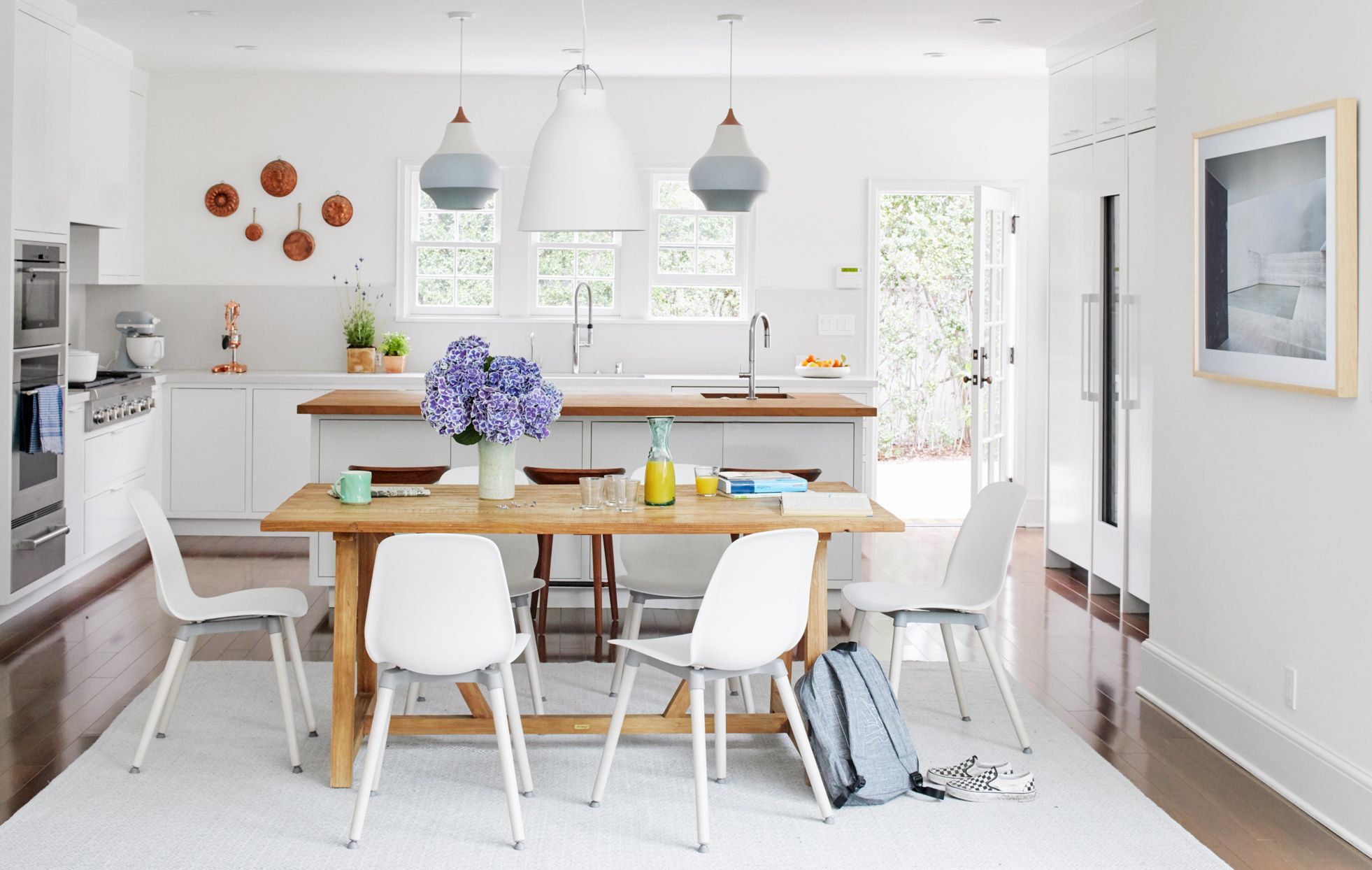
The first thing you usually notice in a minimalist’s home is not an object at all. It is space. Clear floor area. Uncrowded walls. Surfaces that are not buried under receipts, chargers, mail, candles, and that one mysterious key nobody wants to claim.
Minimalists treat empty space like part of the design, not a missed opportunity to buy another side table. That breathing room is what makes a home feel peaceful instead of visually noisy. In practical terms, it means fewer pieces of furniture, wider walkways, and more restraint in how items are displayed.
This is one of the biggest misconceptions about minimalism. People assume a minimalist room looks “unfinished.” In reality, the openness is the point. Negative space creates contrast. It allows the pieces that remaina sofa, a reading chair, a beautiful lamp, a framed printto stand out instead of blending into a crowd.
Think of it like good writing. A page without paragraph breaks feels exhausting. A room without visual breaks feels the same way. Minimalist homes understand that every inch does not need to perform stand-up comedy.
If you want to create this look in your own home, stop asking, “What else can I add?” and start asking, “What can I remove so the room can breathe?” That one question alone can save you from a lot of unnecessary decor purchases and at least three questionable baskets.
2. Smart Storage That Hides the Real-Life Mess
Minimalist homes are tidy because they are designed to be
Here is a secret: minimalist homes are not magically clutter-free because the people who live in them are superior beings with no mail, no charging cords, and no extra paper towels. They are clutter-free because they have systems.
Almost every minimalist home has practical, hardworking storage that keeps everyday items out of sight. Think closed cabinets, drawers, storage benches, under-bed containers, matching bins, and furniture that quietly swallows the chaos before it can spread.
Closed storage matters because it reduces visual clutter. Open shelves can look beautiful, but only when what is sitting on them is edited and intentional. The moment you start stacking random batteries, spare light bulbs, and instruction manuals from appliances you no longer own, the minimalist vibe packs a bag and leaves.
This is why minimalist homes often include a few unglamorous but brilliant details: a tray in the entryway for keys, one basket for throw blankets, drawer dividers in the kitchen, slim matching hangers in the closet, and a designated drop zone for the daily stuff that otherwise migrates around the house like confused geese.
The key is not buying storage for the sake of buying storage. Minimalists usually declutter first, then organize what remains. Otherwise, you just end up with prettier containers holding things you still do not use. Congratulations, your clutter now has a lid.
In a minimalist home, storage is less about hiding shame and more about supporting daily life. When every item has a logical place, cleanup takes less time, surfaces stay clear longer, and the house feels calmer without demanding military-level discipline.
3. Multipurpose Furniture With Clean Lines
One good piece beats three mediocre ones
If there is one design rule minimalists love, it is this: furniture should earn its keep.
That is why you will almost always spot pieces that do more than one job. A storage ottoman that hides blankets. A dining table that doubles as a workspace. A bench with concealed compartments. A bed frame with drawers. A slim console that functions as both a landing zone and a design statement.
Minimalist homes usually avoid bulky, overly ornate furniture because those pieces can make a room feel visually heavy. Instead, the furniture tends to have clean lines, simple shapes, and proportions that fit the room instead of overpowering it.
This does not mean everything has to look futuristic or severe. Minimalism can still be cozy. A curved armchair, a linen sofa, or a warm wood coffee table can all fit beautifully. The difference is that the pieces are chosen carefully and in smaller numbers.
Quality also matters. Minimalists often prefer buying fewer items that last longer. That means durable materials, timeless silhouettes, and furniture that works across seasons rather than chasing every trend that appears on social media for six and a half minutes.
There is also a practical advantage here. Multipurpose furniture makes small homes and apartments function better. When one piece can store, serve, and simplify, it frees up space without making the room feel deprived. That is minimalist living at its best: less stuff, more usefulness.
So if your room has four tiny tables, two decorative stools, and a chair nobody enjoys sitting in, a minimalist would probably suggest replacing the whole cast with one excellent piece and calling it a day.
4. A Calm Color Palette With Warm, Natural Texture
Minimalist does not have to mean stark
Another thing you will almost always spot in a minimalist’s home is a restrained color palette. Whites, creams, taupes, warm grays, soft blacks, muted greens, and earthy browns show up again and again for a reason: they make a room feel cohesive and restful.
But let’s clear up a common myth. Minimalist color does not mean a house should look like a dentist’s waiting room with better lighting. The best minimalist spaces avoid feeling flat by layering texture: wood, linen, cotton, wool, stone, ceramic, leather, rattan, or plaster finishes.
That combinationsimple color plus rich textureis what keeps minimalist homes from feeling sterile. A beige room becomes interesting when you add a nubby rug, a wood side table, gauzy curtains, a matte ceramic vase, and a sofa with visible weave. Suddenly the room is quiet, but not boring.
Minimalists also tend to limit high-contrast visual clutter. Instead of ten accent colors fighting for custody of the living room, they choose one or two subtle tones and repeat them throughout the space. The result is harmony. Your eyes do not have to zigzag around the room like they are trying to solve a puzzle.
Natural materials play a big role here too. They add warmth, age well, and support that relaxed, lived-in look minimalists often want. A pale oak shelf, a travertine tray, a woven basket, or a linen duvet can do more for a room than an entire cart of trendy decor ever could.
Minimalism is not anti-beauty. It is anti-noise. And a calm palette helps keep the visual volume turned down.
5. Intentional Decor and Everyday Objects Worth Seeing
Minimalists display lessbut choose better
Look around a minimalist home and you will notice something important: there is decor, but not much of it. What is visible has been chosen on purpose.
Maybe it is one large piece of art instead of a crowded gallery wall. Maybe it is a single sculptural lamp, a stack of well-loved books, or a ceramic bowl on the dining table. Maybe it is a plant near a window, because yes, minimalists also enjoy signs of life.
The point is intentionality. Minimalists usually avoid decorating every available surface just because the surface exists. A console table does not need seven accessories and a tiny object that serves no purpose beyond collecting dust like it is training for the Olympics.
This principle often extends to everyday essentials. In a minimalist kitchen, the tools left on the counter are usually the ones used constantly: maybe a wooden cutting board, a coffee maker, and a crock for utensils. In a bathroom, you might see neatly folded towels, one soap dispenser, and a tray with only the products that actually belong there.
There is also a strong emphasis on display-worthy function. Items are selected not only because they are useful, but because they contribute to the room aesthetically. A beautiful kettle, a handmade mug, a sleek floor lamp, or a basket that looks as good as it works all fit the minimalist mindset.
And then there is lighting. Minimalist homes almost always make the most of natural light. Windows are kept open visually, curtains are airy, and furniture is arranged to let daylight move through the room. When natural light is limited, layered lighting steps in with warm lamps and simple fixtures that create softness without clutter.
In other words, minimalist decor is less about owning nothing and more about making sure whatever you do own deserves the stage time.
Why These Five Things Keep Showing Up in Minimalist Homes
These features are not random trends. They work together.
Open space reduces visual overload. Smart storage supports daily routines. Multipurpose furniture keeps rooms practical. Calm colors and natural textures make the space feel restful. Intentional decor ensures that what remains adds value instead of distraction.
Together, they create a home that feels easier to maintain and easier to enjoy.
That last part matters. Minimalism is not about winning a contest for owning the fewest forks. It is about building an environment that supports the life you actually live. When your home contains fewer unnecessary items, it often becomes easier to clean, simpler to organize, and less mentally draining to move through every day.
And no, you do not have to become a full-time minimalist monk to borrow the best ideas. Even adopting one or two of these habits can make a noticeable difference. Clearing one surface. Replacing visual clutter with closed storage. Choosing one better chair instead of three filler pieces. Editing your decor so your room stops looking like it lost a bet.
Minimalist homes feel different because they are designed around purpose. That is why they are so recognizable the moment you walk in.
What the Experience of a Minimalist Home Actually Feels Like
Five hundred extra words on the human side of living with less
There is also an emotional experience tied to minimalist homes that photos do not always capture. On a screen, a minimalist room can look attractive. In person, it often feels relieving.
You walk in and there is no immediate to-do list shouting at you from every direction. You are not greeted by a pile of unopened mail, an overstuffed shoe rack, tangled charging cords, and ten decorative items balancing on a shelf like nervous acrobats. The room feels settled. It feels like it knows what it is doing.
That sensation matters more than people realize.
In many homes, clutter creates low-grade background stress. You may not consciously stare at every object, but your brain still registers the visual noise. A minimalist home reduces that friction. You spend less energy scanning, sorting, avoiding, and mentally negotiating with your stuff. That is one reason minimalist spaces often feel easier to relax in, easier to clean, and easier to reset after a long day.
There is also a sense of control that comes with a pared-down home. Not perfectioncontrol. You know where things go. You can tidy a room in minutes instead of launching a three-hour archaeological dig through layers of miscellaneous nonsense. When guests come over unexpectedly, you are not panic-shoving half your personality into a closet and praying the door stays shut.
Another common experience is that the home starts supporting better habits almost by default. Clear counters make cooking feel less annoying. A simple entryway makes leaving the house smoother. An edited closet makes getting dressed faster. A bedroom with fewer distractions often feels more restful. Minimalism is not magic, but it does remove a lot of tiny daily obstacles that quietly wear people down.
And then there is the surprisingly nice feeling of liking your things more. When you own fewer items, the ones you keep get noticed. Your favorite mug becomes your actual favorite mug, not one ceramic face in a crowded cabinet lineup. Your reading chair gets used. Your blanket gets appreciated. Your home starts feeling less like a storage unit with lamps and more like a place built around your real routines.
Of course, minimalist living is not one-size-fits-all. A family home with kids will not look the same as a studio apartment owned by a single adult who alphabetizes tea. Nor should it. The best minimalist homes still reflect the people who live in them. They are not stripped of personality. They are stripped of excess.
That is probably the most appealing part. Minimalism does not ask you to become less human. It simply asks you to be more honest about what supports your life and what just takes up space. Once you experience a room that feels open, useful, and calm, it becomes very hard to go back to living with fifteen decorative objects on one shelf and pretending that is somehow relaxing.
In the end, a minimalist home feels less like sacrifice and more like relief. And honestly, relief is a pretty good design goal.
Conclusion
If you are wondering what defines a minimalist’s home, the answer is not “almost nothing.” It is “only what helps.” You will almost always spot open space, practical hidden storage, furniture that pulls double duty, a calm palette with natural texture, and decor that has been edited with care. Those features are not just stylishthey make a home easier to live in.
And that is the real genius of minimalism. It is not about impressing people with how little you own. It is about creating a home that feels lighter, functions better, and gives your brain a break. Which, in a world full of pings, piles, and things with charging cables, is not a bad deal at all.