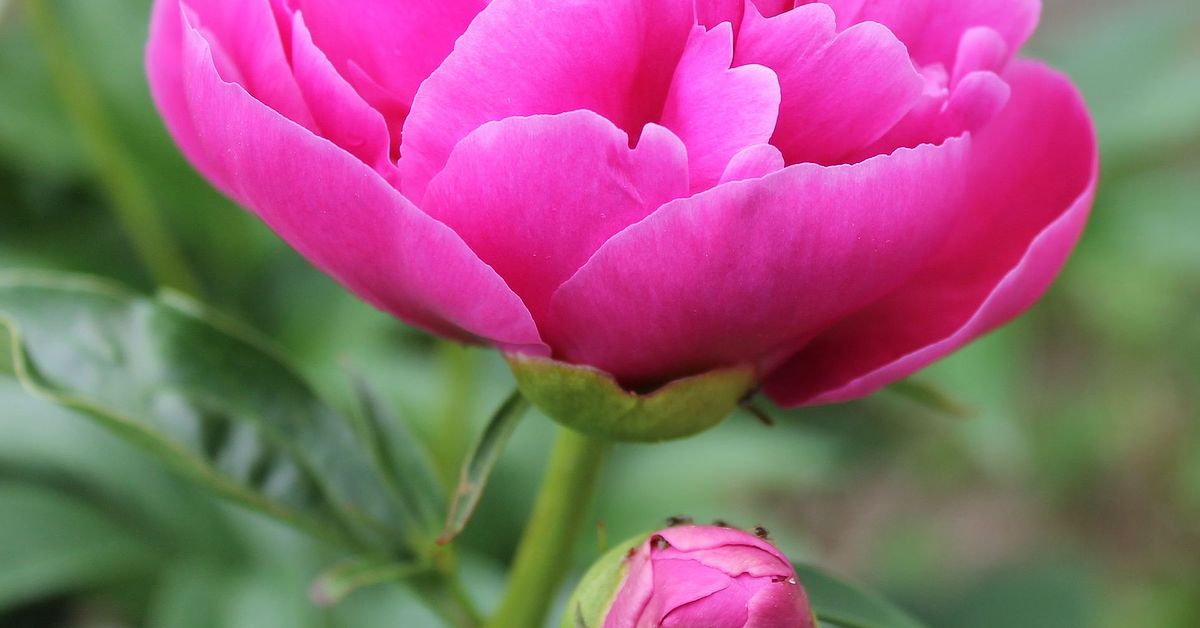
A pretty pink peony garden is one of those rare landscape ideas that manages to feel both wildly romantic and completely timeless. For a few glorious weeks in spring, the plants produce flowers so lush they appear to have been assembled by a committee of pastry chefs, wedding planners, and extremely optimistic clouds. Then the blooms fade, the foliage settles in, and the garden quietly carries on looking polished for the rest of the season.
Pink peonies are especially beloved because they can be soft and delicate, bright and cheerful, or dramatic enough to make every other flower in the border question its career choices. Whether you want a cottage garden overflowing with blush blooms, a neat peony border beside a walkway, or a cutting garden packed with fragrant stems, a pink peony garden can deliver serious visual impact without demanding daily emotional support.
This guide explains how to design, plant, and care for a beautiful pink peony garden, from choosing varieties to avoiding the classic “why are my peonies all leaves and no flowers?” mystery.
Why Pink Peonies Make a Garden Feel Special
Pink peonies have a talent for making ordinary spaces look intentional. A plain front-yard bed becomes a spring showpiece. A simple white fence suddenly looks like it belongs on a magazine cover. Even a modest backyard can feel a little more luxurious when large pink blooms appear above glossy green foliage.
The color range is part of the appeal. Pale blush peonies work beautifully in calm, neutral landscapes with white, silver, and soft green companions. Medium pink varieties bring warmth to cottage-style borders. Deep rose-pink peonies create stronger contrast against dark foliage, black fencing, or blue flowering perennials.
Peonies also earn their garden space because they are long-lived perennials. Once established in the right location, many can remain productive for decades. They are not plants for gardeners who enjoy constant rearranging. They are more like old-fashioned furniture: choose the placement carefully, give them room, and they may outlast several trends involving gray mulch and decorative metal windmills.
Plan Your Pretty Pink Peony Garden Before You Plant
Choose the Right Location
Most garden peonies perform best with at least six hours of direct sun each day. They can survive with less light, but reduced sun often means reduced flowering. A plant that produces healthy leaves but few blooms is frequently trying to tell you, politely but firmly, that it would like more sunlight.
Choose a bed with well-drained soil. Peonies do not appreciate soggy roots, standing water, or places where the soil stays wet after rain. If your chosen spot resembles a small rice field every spring, improve drainage or select another area. Raised beds can help in heavy soil, provided the crowns are still planted at the proper depth.
Avoid planting close to large tree roots, dense shrubs, or black walnut trees. Peonies dislike intense root competition, and black walnut can cause problems for several ornamental plants, including peonies. Give each plant open space, fresh air, and a little dignity.
Design for a Longer Bloom Window
A single peony flower may look spectacular for about a week to ten days, depending on weather. The trick to a longer display is not asking one plant to bloom for a month. The trick is choosing a mix of early-, mid-, and late-season varieties.
Planting several bloom times turns a brief spring event into a more generous parade. Start with an early pink peony, add a midseason favorite with a different flower form, and finish with a late bloomer. Local weather affects exact timing, so use variety labels as a guide rather than a courtroom contract.
Give Each Plant Enough Room
Most herbaceous peonies need roughly three to four feet of space between plants. That can feel excessive when you are staring at a small bare root and imagining immediate flower-bed greatness. Resist the urge to crowd them. Mature peonies become broad, leafy clumps, and spacing supports better air circulation, easier maintenance, and fewer fungal problems.
A fuller-looking bed can be achieved by adding spring bulbs, low-growing perennials, or annual flowers around young peonies. Just keep the immediate crown area clear so roots are not smothered by a botanical traffic jam.
Best Pink Peony Types for a Romantic Garden
There are several major peony groups commonly used in home landscapes. Herbaceous peonies die back to the ground after frost and return in spring. Tree peonies develop woody stems that remain above ground. Itoh, or intersectional, peonies combine traits from both herbaceous and tree peonies, often offering sturdy stems and large flowers.
For a classic pretty pink peony garden, herbaceous varieties are usually the easiest place to start. They fit naturally into borders, cutting gardens, and cottage-style planting plans.
Pink Peony Varieties to Consider
- Sarah Bernhardt: A famous late-season peony with large, fragrant, rose-pink double flowers. It is a reliable choice for gardeners who love full, ruffled blooms.
- Bowl of Beauty: A striking Japanese-style peony with pink outer petals surrounding a creamy center. It offers contrast without becoming visually chaotic.
- Shirley Temple: Known for soft blush-pink double flowers that may become lighter as they open. It is ideal for pale, romantic garden palettes.
- Do Tell: A distinctive pink peony with broad outer petals and a frilly center. It works well for gardeners who want flower texture without the full pom-pom effect.
- Raspberry Sundae: A richly layered pink variety with a dessert-like appearance. The name is accurate enough to make you briefly wonder whether frosting is involved.
- Pink Hawaiian Coral: A vibrant variety that opens with coral-pink tones and changes color as the bloom develops. It adds warmth to a pink-and-peach planting scheme.
Mix flower forms for a more interesting garden. Double peonies give you the classic fluffy look, while single and Japanese-form blooms offer cleaner lines and often attract more attention from pollinators. A garden filled with one identical flower can look elegant, but a garden with varied petal forms feels more layered and alive.
How to Plant Pink Peonies Correctly
Planting depth matters more than many gardeners expect. A peony planted too deeply may grow plenty of leaves but refuse to bloom. For bare-root herbaceous peonies, position the buds, often called “eyes,” about one to two inches below the soil surface.
Plant in early fall when possible, especially in regions with cold winters. Early fall gives roots time to settle before the ground freezes. Spring planting can also work, particularly with container-grown plants, but newly planted peonies may need more attentive watering during their first growing season.
Simple Planting Steps
- Choose a sunny location with well-drained soil.
- Dig a wide hole so the roots can spread naturally.
- Mix compost into poor soil, but do not create a super-rich pocket that holds excess moisture.
- Place the root with the eyes facing upward.
- Cover so the eyes sit no more than two inches below the surface.
- Water thoroughly after planting.
- Add a light mulch layer around, not directly over, the crown.
In very cold regions, mulch can help protect newly planted peonies from frost heaving during their first winter. Remove heavy mulch from directly above the crown in spring so the shoots can emerge without needing to excavate their way through a miniature compost blanket.
Peony Garden Care Through the Seasons
Spring Care
In spring, remove winter debris and check that the crown has not been pushed upward by freezing and thawing. Install peony rings or discreet supports early, before stems get tall. Trying to wrestle a heavy peony through a support after it has grown is a bit like putting tights on a very determined octopus.
Water new plants when rainfall is scarce. Established plants are more tolerant of short dry periods, but they still appreciate consistent moisture during active growth and bud development.
Summer Care
Deadhead spent blooms after flowering. Cut the flower stem back to a strong leaf, but leave the foliage in place. Peony leaves continue producing energy for the roots long after the flowers have finished their dramatic spring performance.
Do not overfertilize. Excess nitrogen can encourage lush foliage at the expense of flowers. If your soil is reasonably fertile and plants are growing well, a light application of balanced fertilizer may be enough, and some mature peonies need very little additional feeding.
Fall Care
After frost blackens the foliage, cut herbaceous peony stems down to ground level and remove the debris. This simple cleanup helps reduce the chance of diseases overwintering in old leaves and stems. Do not toss obviously diseased foliage into a casual backyard compost pile unless your compost system gets hot enough to handle plant pathogens.
Fall is also the best time to divide or move a peony when it truly needs it. Healthy peonies do not require routine division. Divide only when a clump has become crowded, has a dead center, is flowering poorly, or needs to be relocated.
Common Pink Peony Problems and Easy Fixes
“My Peony Has Leaves but No Flowers”
The most common reasons include planting too deeply, too much shade, recent transplanting, late spring frost damage, excessive nitrogen fertilizer, or a plant that is still young. Newly planted peonies can take two to three years to settle in and bloom well. This is not a personal rejection. The plant is simply establishing roots before it starts hosting a floral gala.
“Ants Are Crawling on My Peony Buds”
Ants commonly visit peony buds because of sweet secretions around the developing flowers. They do not harm the blooms, and they are not required for peonies to open. The old story that peonies need ants to bloom is a charming garden myth, but your flowers can manage their own grand entrance.
If you are cutting stems for the house, gently shake the flowers or rinse the buds before bringing them indoors. This avoids discovering a tiny ant convention on your dining table.
“The Leaves Have Spots or Powdery Growth”
Peonies can develop fungal issues such as botrytis blight, leaf blotch, and powdery mildew. Prevention begins with good spacing, full sun, healthy drainage, and fall cleanup. Water near the soil rather than soaking foliage late in the day. Remove badly affected leaves and avoid crowding plants with dense companions.
Companion Plants for a Pink Peony Garden
Pink peonies look best when the garden still has something to offer after the main bloom season ends. Their deep green leaves can become a useful backdrop for summer flowers, so choose companions that take over gracefully.
- White alliums, foxgloves, and iris for a soft spring display
- Catmint, salvia, and lavender for cool blue-purple contrast
- Lady’s mantle for chartreuse foliage and frothy blooms
- Roses for a classic cottage-garden combination
- Ornamental grasses for movement later in the season
- Hardy geraniums or creeping thyme for lower-level color
For a refined look, pair pale pink peonies with white flowers and silver foliage. For a bolder garden, combine saturated pink blooms with deep purple alliums, dark-leaved coral bells, and blue salvia. Pink does not have to be precious. It can be dramatic, modern, and a little bit fearless.
Cutting Pink Peonies for Indoor Arrangements
Pink peonies make excellent cut flowers. Harvest stems early in the morning, when temperatures are cool and flowers are hydrated. For many varieties, the best cutting stage is the “marshmallow stage,” when the bud feels soft and squishy rather than hard as a marble.
Use clean pruners, cut long stems, and place them immediately in clean water. Remove leaves that would sit below the waterline. Indoors, refresh the water regularly and keep arrangements away from direct sun, heat vents, and bowls of ripening fruit. Your peonies deserve better than becoming a floral garnish beside a banana.
A 500-Word Pretty Pink Peony Garden Experience
Note: The following garden experience is a composite vignette based on common home-gardening moments and is included for inspiration.
The first year of a pretty pink peony garden can test a gardener’s patience. You plant the roots in fall, cover them carefully, and spend winter imagining armloads of blooms. By spring, tiny red shoots emerge from the soil like little flags announcing that something important is happening. Naturally, you inspect them every day. Sometimes twice. Sometimes while pretending you are only walking past the window.
At first, the plants may seem underwhelming. They produce stems, leaves, and a few cautious buds, as if they are still reviewing the terms of their contract. The garden does not yet look like the dreamy pink peony border you saved on your phone. It looks more like a collection of enthusiastic green shrubs with potential. This is where many people make the mistake of moving plants too quickly, adding too much fertilizer, or deciding the bed needs another twelve perennials immediately.
Then comes the second or third spring.
One morning, the buds are suddenly bigger. Their outer coverings loosen. A blush of pink appears between the green sepals. By lunchtime, one flower may be open enough to stop you in your tracks. By the next morning, the whole border has transformed into a procession of pink bowls, ruffled pom-poms, and fragrant blossoms large enough to make nearby tulips look slightly underdressed.
The best part of a pink peony garden is not only the color. It is the way people react to it. Neighbors slow down while walking by. Friends ask whether the flowers are real. Someone inevitably wants to know the variety name, and someone else wants to know whether the ants are dangerous. A few petals may land on the walkway after rain, creating a scene that looks romantic until you remember you need to sweep them before they become a slippery pink carpet.
There is also a particular satisfaction in cutting a few stems for the house. You do not need an elaborate arrangement. Three or five pink peonies in a plain glass vase can make an entire room feel brighter. Their scent drifts through the kitchen, and suddenly even a stack of unopened mail looks less offensive.
As the blooms fade, the garden changes again. The peony foliage stays behind, tidy and green, while salvia, catmint, roses, and summer perennials begin their own show. The bed no longer screams spring, but it still feels full and intentional. By fall, you cut the stems back, clean the area, and begin the cycle again.
A pretty pink peony garden teaches a useful gardening lesson: the most rewarding plants are often not the fastest. Peonies ask for a suitable site, a shallow planting depth, and a little patience. In return, they offer flowers that look extravagant enough to seem impossible, year after year, without requiring daily pampering. That is a very good deal for a plant with such impressive hair.
Final Thoughts on Growing a Pretty Pink Peony Garden
A pretty pink peony garden is more than a spring flower bed. It is a long-term landscape feature that combines fragrance, color, structure, and a little bit of seasonal theater. Start with a sunny, well-drained location, plant the crowns at the correct depth, choose several varieties with staggered bloom times, and let the plants settle in.
Once established, pink peonies can become the flowers people remember from your garden. They are romantic without being fussy, luxurious without being temporary, and dramatic enough to make spring feel like an event worth dressing up for.