Some toxic habits do not arrive wearing a villain cape. They show up in sweatpants, holding an iced coffee, whispering, “Just one more episode,” “I’ll answer that email at midnight,” or “It’s fine, I don’t need boundaries because I am basically a human charging cable for everyone else.”
The tricky thing about “harmless” habits is that they usually feel small. One skipped walk, one sarcastic comment, one doomscrolling session, one fake “I’m fine” when your soul is buffering at 3%. None of these moments ruins your life by itself. But repeated daily, they can become quiet little termites chewing through your energy, relationships, confidence, and health.
This guide is not here to shame anyone. Everyone has a few of these habits. The goal is to notice them before they start running the household like unpaid emotional raccoons. Below are 38 habits that seem normal, funny, polite, or productivebut can become surprisingly toxic when they turn into your default setting.
Why “Harmless” Habits Can Become Toxic
A habit becomes toxic when it repeatedly damages your well-being, your relationships, or your ability to make clear choices. It may still look socially acceptable from the outside. In fact, some toxic habits are praised: being “always available,” working through exhaustion, multitasking, never complaining, or joking about yourself before anyone else can.
The problem is not one behavior. The problem is the pattern. Staying up late once is life. Staying up late every night because your day contains no real personal time is a warning sign. Venting once is human. Turning every conversation into a negativity parade with tiny drums is exhausting. Saying yes once is kind. Saying yes until you resent everyone, including the mailman, is not kindnessit is self-abandonment with better branding.
38 “Harmless” Habits That Are Actually Really Toxic
1. Saying “I’m fine” when you are clearly not fine
“I’m fine” is useful when you are actually fine. But when it becomes a mask, it blocks honest communication. People cannot support a version of you they are not allowed to see. You do not need to announce every emotion like a breaking-news alert, but pretending forever is emotional duct tape.
2. Apologizing for existing
Sorry for asking. Sorry for texting. Sorry for needing a chair. Sorry for having a human body in a shared space. Over-apologizing can make you sound guilty for normal needs. Try replacing “sorry” with “thank you” when appropriate: “Thanks for waiting” feels healthier than “Sorry I ruined time itself.”
3. People-pleasing until you are secretly furious
People-pleasing looks generous, but it often creates resentment. You say yes with your mouth while your nervous system screams into a pillow. Healthy kindness includes limits. If your help comes with bitterness, it is no longer helpit is emotional interest charged at a very high rate.
4. Treating busyness like a personality
Being busy can make you feel important, but constant busyness can also hide poor boundaries, fear of rest, or avoidance. A calendar packed tighter than a suitcase before a holiday flight is not always ambition. Sometimes it is burnout wearing cologne.
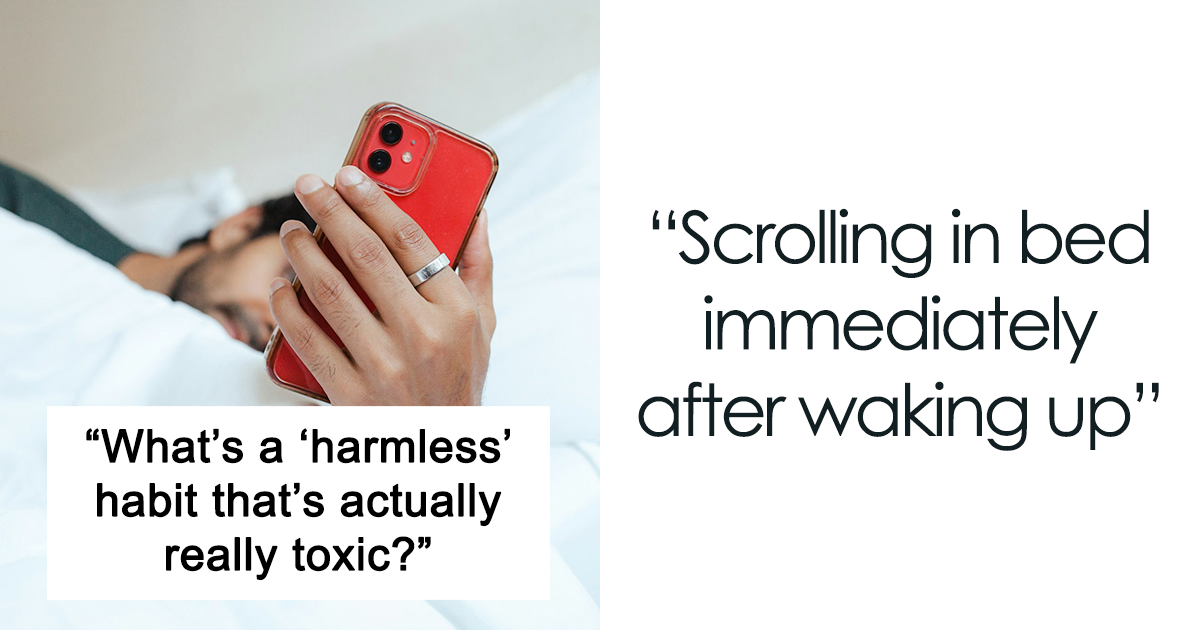
5. Doomscrolling “just to stay informed”
Staying informed is responsible. Feeding your brain an endless buffet of disasters at midnight is not. Doomscrolling can make the world feel more hopeless than it is and leave you anxious, tense, and strangely convinced that the comment section is a place where civilization goes to chew foil.
6. Comparing your real life to someone else’s highlight reel
Social media is not a full documentary. It is a trailer with good lighting. Comparing your messy kitchen, unpaid bill, or awkward Monday to someone’s vacation photo is unfair math. You are comparing behind-the-scenes footage to a filtered billboard.
7. Revenge bedtime procrastination
This is when you stay awake too late to reclaim personal time. It feels delicious in the moment: silence, snacks, scrolling, freedom. Then morning arrives like a tax auditor. If your only “me time” happens by stealing from sleep, the real issue may be your daytime schedule.
8. Calling sleep “optional”
Sleep is not a software update you can postpone forever. Poor sleep affects mood, focus, decision-making, appetite, and patience. After enough bad nights, even a spoon falling off the counter can feel like a personal betrayal.
9. Sitting all day and calling it productivity
A long desk session may feel hardworking, but your body was not designed to become office furniture. Long stretches of sitting can drain energy and make you feel stiff, foggy, and disconnected from your body. A short walk is not laziness; it is maintenance.
10. Multitasking everything
Multitasking feels efficient because you are doing many things badly at once. Your brain switches tasks, loses focus, and burns extra energy. Answering emails during a meeting while half-listening to a podcast is not productivity. It is a tiny circus, and all the clowns are tired.
11. Turning every inconvenience into a crisis
Spilled coffee is annoying. It is not proof that the universe has formed a committee against you. Catastrophizing small problems trains your brain to treat daily life like an emergency. The goal is not fake positivity; it is proportion.
12. Constantly venting without changing anything
Venting can release pressure. But if you vent the same complaint every week and never make a decision, it becomes emotional recycling. At some point, your friend is no longer listening to a problem; they are subscribed to Season 8 of it.
13. Gossiping “because everyone does it”
Gossip can feel bonding, but it often builds trust backward. If someone hears you tear down everyone else, they may wonder what you say when they leave the room. A little harmless chatter is normal; character assassination with appetizers is not.
14. Using sarcasm as emotional armor
Sarcasm can be funny. But when every feeling is wrapped in a joke, people may never know what you actually mean. Humor is a great seasoning; it should not be the entire meal, especially when the meal is “I am hurt but terrified to say it plainly.”
15. Making self-deprecating jokes nonstop
One joke about being chaotic is relatable. Constantly insulting yourself teaches others to laugh at your insecurity and teaches you to rehearse it. Your brain is listening. It does not always know you are kidding.
16. Saying “yes” before checking your capacity
A fast yes can become a slow regret. Before agreeing, pause and ask: Do I have time? Do I have energy? Do I actually want to do this? A thoughtful “let me check” can save you from future you angrily folding laundry at midnight.
17. Ignoring small health signals
Fatigue, headaches, digestive issues, pain, and mood changes are not personality quirks. They may have simple explanations, but ignoring them for months is not toughness. Your body does not send push notifications for fun.
18. Drinking sugary beverages like they are water
Soda, sweet tea, energy drinks, and sugar-loaded coffee drinks can sneak in more added sugar than people realize. They feel casual because they are everywhere, but daily sugary drinks can quietly affect energy, dental health, and long-term wellness.
19. Snacking because you are stressed, not hungry
Stress eating is common because food is comforting and available. The toxic part is not enjoying snacks. The problem starts when food becomes your only coping tool. A cookie can help a bad afternoon; it should not be your entire emotional support department.
20. Treating caffeine as a sleep replacement
Coffee is wonderful. Coffee is not a substitute for rest. If caffeine is the only thing standing between you and becoming a haunted lampshade, the issue is not a lack of espresso. It is a lack of recovery.
21. Keeping your phone in bed
Your bed should tell your brain, “We sleep here.” A phone says, “We investigate every thought ever had by humanity.” Keeping your phone beside you makes it easier to scroll, compare, worry, and accidentally learn celebrity drama you did not order.
22. Leaving notifications on for everything
Not every app deserves access to your nervous system. Constant alerts train your attention to jump like a popcorn kernel. Protecting your focus may be as simple as turning off nonessential notifications and letting your brain enjoy one uninterrupted thought.
23. Mistaking avoidance for peace
Not responding, not deciding, and not confronting may feel peaceful at first. But avoidance usually sends the problem to the basement, where it lifts weights and comes back stronger. Peace is not the absence of action; it is the result of honest action.
24. Letting resentment build quietly
Resentment grows when you repeatedly ignore your own limits. It sounds like, “No, it’s fine,” while your inner voice is writing a 47-page legal complaint. Healthy relationships need clear requests, not silent scorekeeping.
25. Taking everything personally
Sometimes people are rude because they are tired, distracted, stressed, or simply starring in their own confusing movie. Not everything is a coded message about your worth. Taking less personally creates breathing room.
26. Needing the last word
The last word can feel like victory, but it often keeps conflict alive. You do not have to attend every argument you are invited to. Sometimes maturity is letting the conversation end while your ego bangs a tiny pot in protest.
27. Confusing honesty with cruelty
“I’m just being honest” is not a free pass to be harsh. Honesty without care can become verbal littering. Truth lands better when it is specific, respectful, and usefulnot launched like a dodgeball at someone’s forehead.
28. Assuming people can read your mind
Hints are not communication. Sulking near the dishwasher will not magically teach someone your expectations. Clear communication feels awkward at first, but it prevents unnecessary drama and reduces the emotional guesswork.
29. Always playing the victim
Bad things happen. People can be unfair. But if every story makes you powerless and everyone else wrong, growth becomes impossible. Taking responsibility for your choices does not excuse others; it gives your power back.
30. Making your bad mood everyone else’s weather
Everyone has hard days. But snapping, sighing, or spreading tension around the room makes others tiptoe through your emotional fog. You can feel bad without turning the whole household into a low-budget thunderstorm.
31. Over-explaining every boundary
A boundary does not need a documentary series. “I can’t make it tonight” is enough. Over-explaining often invites negotiation. You are allowed to be clear without submitting a full report to the Committee of Other People’s Approval.
32. Keeping score in relationships
Healthy relationships need fairness, but constant scorekeeping turns love into accounting. “I did this, so you owe me that” creates tension. Better communication sounds like: “I’m feeling overwhelmed and need more help.”
33. Treating rest as something you must earn
You do not need to achieve maximum productivity before you are allowed to rest. Rest is not a trophy. It is part of being alive. Even phones get low-power mode without proving they answered enough emails.
34. Saying “that’s just how I am” to avoid growth
Self-awareness is useful. Self-labeling can become a cage. “I’m just impatient,” “I’m just bad at texting,” or “I’m just blunt” may explain a habit, but it should not excuse harm. Growth begins when identity stops protecting behavior.
35. Making jokes at someone else’s expense
Teasing can be playful when everyone feels safe. But if one person always becomes the punchline, the joke is not harmless. Humor should create connection, not leave someone smiling politely while their confidence quietly exits the building.
36. Staying in one-sided friendships
If you always text first, plan first, apologize first, and emotionally carry the whole friendship like a backpack full of bricks, it may be time to reevaluate. Connection should not feel like customer service with memories.
37. Treating loneliness like a personal failure
Loneliness is a signal, not a character flaw. Many people feel disconnected even when surrounded by others. The toxic habit is pretending you do not need people. Humans are wired for connection, even the ones who claim they are “low maintenance” while secretly wanting a thoughtful birthday text.
38. Waiting for motivation before changing
Motivation is unreliable. It visits like a flaky friend with a nice jacket. Small routines work better: a five-minute walk, one honest conversation, one earlier bedtime, one “no” said kindly. Change usually begins before you feel ready.
How To Replace Toxic Habits Without Becoming A Self-Improvement Robot
The goal is not to become a perfect person who drinks water, journals at sunrise, communicates flawlessly, and never says anything petty in traffic. That person sounds exhausting and possibly fictional. The real goal is to build awareness and choose better more often.
Start by picking one habit from the list. Not ten. Not a complete personality renovation by Tuesday. One. Ask yourself three questions: What triggers this habit? What does it give me in the short term? What does it cost me in the long term?
For example, doomscrolling may give you a feeling of control, but cost you sleep and calm. People-pleasing may give you approval, but cost you honesty. Sarcasm may protect you from vulnerability, but cost you closeness. Once you understand the trade, you can choose a replacement that gives you the same benefit with less damage.
Replace doomscrolling with a 10-minute news limit. Replace people-pleasing with “I need to check my schedule.” Replace negative self-talk with realistic self-talk: not “I am amazing at everything,” but “I made a mistake, and I can fix the next step.” Replace resentment with a direct request. Replace all-day sitting with two-minute movement breaks. These swaps are small, but small is exactly why they work.
Real-Life Experiences: How These Habits Sneak Into Everyday Life
Most toxic habits do not feel toxic while they are happening. They feel normal. They feel practical. They feel like survival.
Think about a typical Monday. You wake up tired because you stayed up late “relaxing,” which somehow involved watching videos you barely enjoyed while your eyes begged for legal representation. You reach for your phone before your feet touch the floor. A notification annoys you. Then another. Before breakfast, your brain has already attended a world crisis, a stranger’s argument, three ads, and someone’s vacation photo that makes your own life look like a loading screen.
At work or school, you multitask because everyone seems to expect instant replies. You answer messages while trying to focus. You say yes to something you do not have time for because saying no feels rude. Then you feel stressed, but instead of admitting it, you joke that you are “thriving,” which is obviously false unless thriving now means blinking aggressively at a spreadsheet.
Later, a friend says something slightly off. Instead of asking what they meant, you replay it in your head like a courtroom drama. You take it personally. You vent to someone else. The venting feels good, so you do it again. But nothing gets resolved. Now the original issue has grown legs, packed a suitcase, and moved into your mood.
By evening, you are exhausted and resentful. You want comfort, so you snack, scroll, avoid a task, and promise tomorrow will be different. Then bedtime comes. Technically. But the quiet hours feel like the only time that belongs to you, so you stay up. The next morning, the same cycle taps you on the shoulder wearing yesterday’s hoodie.
The experience is common because these habits often solve an immediate problem. Scrolling distracts you. Saying yes avoids conflict. Sarcasm prevents vulnerability. Caffeine pushes you through fatigue. Gossip creates quick connection. Avoidance gives temporary relief. The trouble is that short-term relief can become long-term stress.
A healthier pattern starts with noticing the moment before the habit. The pause before saying yes. The feeling before opening an app. The resentment before snapping. The tiredness before pouring another coffee. That pause is powerful. It gives you a choice.
One person might start by charging their phone outside the bedroom. Another might practice saying, “I can’t commit to that right now.” Someone else might take a walk when anger rises instead of sending a spicy text that deserves its own warning label. These changes are not dramatic. Nobody will make a movie trailer about turning off notifications. But quiet changes often create the most noticeable peace.
The best part is that you do not have to become a new person. You only have to stop letting old habits make every decision for you. You can still be funny, generous, ambitious, informed, and caringjust with fewer emotional leaks. Growth is not about becoming perfect. It is about becoming less trapped by the patterns that quietly make life harder than it needs to be.
Conclusion
Harmless habits become toxic when they repeatedly steal your energy, damage your relationships, or convince you to ignore your own needs. The good news is that habits are not life sentences. They are learned patterns, and learned patterns can be adjusted.
You do not need to fix all 38 habits at once. Choose one tiny upgrade. Sleep 20 minutes earlier. Walk after lunch. Say no once without writing a novel. Put the phone across the room. Ask directly instead of hinting. Replace one self-insult with one honest, kinder sentence.
Small changes may not look impressive on day one, but they compound. The goal is not to become flawless. The goal is to stop treating toxic patterns as normal just because they are common. Everyone is a little guilty. Everyone can also get a little freer.